Advanced Hydrophilic Polyurethane Solutions: Superior Water Management Technology for Industrial and Medical Applications

Get a Free Quote

Email
Name
Company Name
Message
0/1000

hydrophilic polyurethane

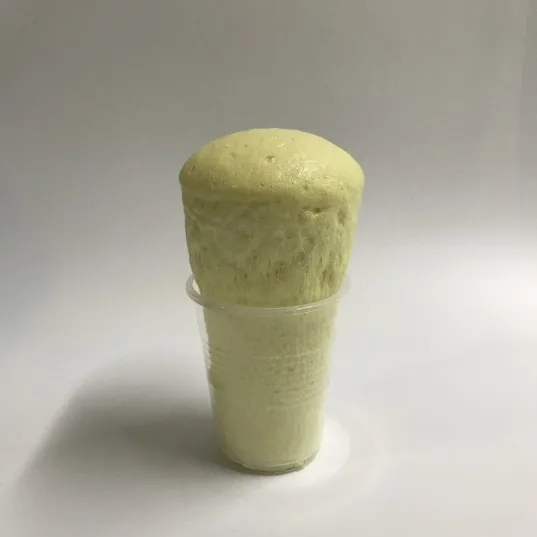
Hydrophilic polyurethane represents a revolutionary advancement in polymer technology, offering exceptional water-absorbing properties that make it invaluable across numerous industries. This specialized material combines the durability and flexibility of traditional polyurethane with enhanced water affinity, creating a unique solution for applications requiring moisture management. The hydrophilic polyurethane features molecular structures specifically engineered to attract and retain water molecules while maintaining structural integrity. Its primary functions include water absorption, moisture regulation, and providing controlled release mechanisms in various environments. The material demonstrates remarkable swelling capabilities when exposed to aqueous solutions, expanding significantly while retaining its original shape and mechanical properties. Technological features of hydrophilic polyurethane include biocompatibility, making it suitable for medical applications, and customizable absorption rates that can be tailored to specific requirements. The polymer exhibits excellent thermal stability and chemical resistance, ensuring consistent performance across diverse operating conditions. Its cross-linked network structure prevents dissolution while allowing controlled water uptake and release. Manufacturing processes utilize advanced polymerization techniques to achieve precise molecular weight distribution and optimal hydrophilic characteristics. The material can be produced in various forms including sheets, foams, gels, and coatings to meet different application needs. Applications span multiple sectors including healthcare, where hydrophilic polyurethane serves in wound dressings, drug delivery systems, and medical device coatings. Agricultural uses include soil conditioning and controlled-release fertilizer systems. Industrial applications encompass moisture control systems, filtration media, and protective coatings. The construction industry utilizes this material for waterproofing membranes and humidity regulation systems. Research and development continue to expand potential uses, with emerging applications in environmental remediation and smart material systems that respond dynamically to moisture changes.

New Product Recommendations

Hydrophilic polyurethane delivers numerous practical benefits that make it superior to conventional materials in moisture-sensitive applications. The material provides exceptional water absorption capacity, often absorbing several times its own weight in water without compromising structural integrity. This remarkable property eliminates the need for frequent replacements in moisture control systems, reducing long-term maintenance costs significantly. Users benefit from the material's rapid response time to moisture changes, allowing for immediate environmental adjustments in critical applications. The biocompatible nature of hydrophilic polyurethane ensures safe use in medical and food-related applications without causing adverse reactions or contamination concerns. Its non-toxic composition makes it environmentally friendly and suitable for sustainable manufacturing practices. The material offers excellent dimensional stability during wet-dry cycles, preventing warping or permanent deformation that commonly affects other water-absorbing materials. This reliability translates into consistent performance and extended service life, providing better return on investment for customers. Processing advantages include easy fabrication into complex shapes and sizes, allowing manufacturers to create customized solutions for specific applications. The material bonds well with various substrates, enabling seamless integration into existing systems without requiring extensive modifications. Temperature resistance ensures reliable performance across wide operating ranges, from freezing conditions to elevated temperatures, making it suitable for diverse geographic locations and seasonal variations. Chemical inertness prevents degradation when exposed to common industrial chemicals and cleaning agents, maintaining performance integrity throughout the product lifecycle. The material's flexibility allows it to conform to irregular surfaces and accommodate movement without cracking or failure. Cost-effectiveness emerges from reduced replacement frequency, lower maintenance requirements, and improved system efficiency. Quality control benefits include consistent batch-to-batch performance and predictable properties that simplify design calculations and system optimization. Users appreciate the material's versatility in addressing multiple moisture management challenges within a single solution, streamlining inventory management and reducing complexity in multi-component systems.

Latest News

What Are the Key Advantages of Polyurea Grout in Infrastructure Repair?

10

Feb

What Are the Key Advantages of Polyurea Grout in Infrastructure Repair?

Infrastructure repair and maintenance represent critical challenges in modern construction and civil engineering. Among the numerous materials available for structural restoration, polyurea grout has emerged as a revolutionary solution that addresses...
View More
How Do Large Projects Benefit from Hydrophobic Polyurethane Grouting?

16

Feb

How Do Large Projects Benefit from Hydrophobic Polyurethane Grouting?

Large-scale construction and infrastructure projects face numerous challenges when it comes to water infiltration and structural integrity. From underground tunnels and basements to industrial facilities and marine structures, preventing water damage...
View More
Why Is Hydrophobic Polyurethane Suitable for Permanent Waterproofing?

16

Mar

Why Is Hydrophobic Polyurethane Suitable for Permanent Waterproofing?

In the construction and infrastructure industry, achieving long-lasting waterproofing solutions remains a critical challenge for engineers and contractors worldwide. Traditional waterproofing methods often fall short when exposed to harsh environment...
View More
How Do Contractors Choose Hydrophilic Polyurethane for Wet Conditions?

25

Mar

How Do Contractors Choose Hydrophilic Polyurethane for Wet Conditions?

Waterproofing in wet conditions presents unique challenges that demand specialized solutions. When contractors face persistent moisture issues, concrete joints, and foundation leaks, selecting the right sealant becomes critical for project success. H...
View More

Get a Free Quote

Email
Name
Company Name
Message
0/1000

hydrophilic polyurethane

Superior Water Management and Absorption Technology

Superior Water Management and Absorption Technology

Hydrophilic polyurethane excels in water management through its revolutionary molecular architecture that combines exceptional absorption capacity with controlled release mechanisms. The material's unique polymer chains contain strategically positioned hydrophilic groups that create strong interactions with water molecules, enabling absorption rates significantly higher than traditional materials. This advanced absorption technology allows the hydrophilic polyurethane to absorb up to 2000% of its dry weight in water while maintaining dimensional stability and mechanical strength. The controlled pore structure facilitates uniform water distribution throughout the material matrix, preventing localized saturation that could compromise performance. Unlike conventional absorbing materials that may become oversaturated and lose effectiveness, hydrophilic polyurethane maintains optimal absorption characteristics across varying humidity levels and temperature conditions. The material's intelligent response to environmental moisture changes makes it ideal for applications requiring precise humidity control, such as pharmaceutical storage, electronic component protection, and museum artifact preservation. Its reversible absorption properties enable repeated wet-dry cycles without degradation, providing long-term reliability and cost-effectiveness. The technology behind this superior water management stems from carefully controlled cross-linking density that balances absorption capacity with structural integrity. Engineering teams can customize absorption rates and capacities by adjusting polymer composition and processing parameters, creating tailored solutions for specific customer requirements. This flexibility allows manufacturers to optimize performance for diverse applications ranging from rapid moisture absorption in emergency situations to gradual release in agricultural systems. The material's ability to maintain consistent absorption performance over extended periods eliminates the unpredictability associated with conventional moisture control materials, providing customers with reliable and repeatable results that enhance overall system performance and reduce operational uncertainties.
Exceptional Durability and Biocompatibility Excellence

Exceptional Durability and Biocompatibility Excellence

The durability characteristics of hydrophilic polyurethane set new standards in materials science, combining exceptional mechanical properties with outstanding biocompatibility that ensures safe performance in the most demanding applications. This remarkable material withstands thousands of wet-dry cycles without experiencing significant degradation in absorption capacity or structural integrity, providing customers with long-term value and reduced replacement costs. The robust polymer network resists chemical attack from acids, bases, and organic solvents commonly encountered in industrial environments, maintaining consistent performance throughout its service life. Biocompatibility testing demonstrates that hydrophilic polyurethane meets stringent medical device standards, making it suitable for direct contact with biological tissues and fluids without causing adverse reactions or toxicity concerns. This safety profile opens opportunities for innovative medical applications including wound care products, drug delivery systems, and implantable devices where material compatibility with human physiology is paramount. The material's resistance to bacterial growth and biofilm formation provides additional safety benefits in healthcare settings, reducing infection risks and maintaining hygienic conditions. Durability extends beyond mechanical properties to include excellent UV resistance and thermal stability, ensuring reliable outdoor performance without degradation from environmental exposure. The material maintains flexibility across wide temperature ranges, preventing brittleness in cold conditions and softening in elevated temperatures that could compromise performance. Accelerated aging tests demonstrate minimal property changes over simulated decades of use, providing confidence in long-term applications where replacement would be difficult or costly. The combination of durability and biocompatibility makes hydrophilic polyurethane particularly valuable in applications requiring both performance longevity and biological safety, such as medical implants, food processing equipment, and consumer products requiring skin contact certification.
Versatile Processing and Customization Capabilities

Versatile Processing and Customization Capabilities

Hydrophilic polyurethane offers unprecedented processing versatility and customization options that enable manufacturers to create precisely tailored solutions for diverse application requirements. The material's exceptional moldability allows for complex geometries and intricate designs that would be impossible with rigid absorption materials, opening new possibilities for innovative product development. Processing techniques include injection molding, compression molding, casting, and coating applications, providing flexibility in manufacturing approaches to optimize production efficiency and cost-effectiveness. The material's excellent adhesion properties facilitate bonding with various substrates including metals, plastics, textiles, and ceramics, enabling seamless integration into multi-material assemblies without requiring additional adhesives or mechanical fasteners. Customization capabilities extend to adjusting absorption rates, swelling ratios, and mechanical properties through precise control of polymer chemistry and cross-linking density. This level of customization allows engineers to optimize material performance for specific environmental conditions, load requirements, and operational parameters. The material can be formulated with additives to enhance specific properties such as antimicrobial activity, color stability, or flame resistance, creating specialized solutions for niche applications. Processing temperatures remain moderate, reducing energy consumption and enabling the use of temperature-sensitive additives or reinforcements. The material's stability during processing prevents degradation that could affect final product performance, ensuring consistent quality from batch to batch. Surface modification techniques can alter wetting characteristics and absorption kinetics without compromising bulk properties, providing additional design flexibility. The ability to create gradient structures with varying absorption properties throughout the material thickness enables sophisticated moisture management systems that respond differently to changing conditions. Co-processing with other polymers creates hybrid materials that combine the benefits of hydrophilic polyurethane with complementary properties such as enhanced strength, conductivity, or optical characteristics. This processing versatility reduces development time and manufacturing complexity while expanding the range of achievable performance characteristics, ultimately providing customers with optimized solutions that precisely meet their specific requirements.

Get a Free Quote

Email
Name
Company Name
Message
0/1000
Newsletter
Please Leave A Message With Us