Professional Polyurethane Grout Injection Services - Permanent Structural Waterproofing Solutions

Get a Free Quote

Email
Name
Company Name
Message
0/1000

polyurethane grout injection

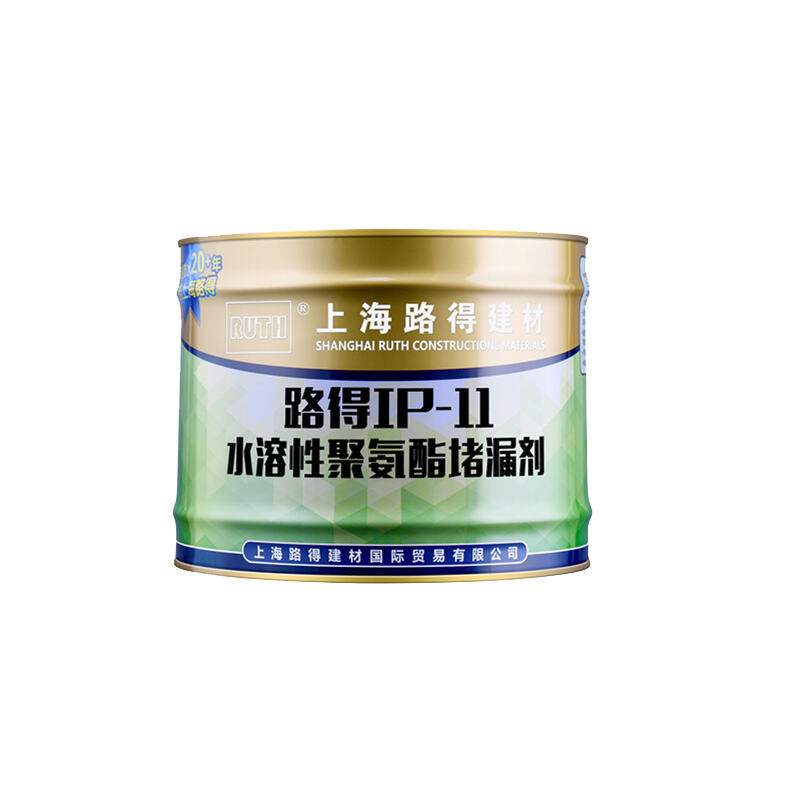
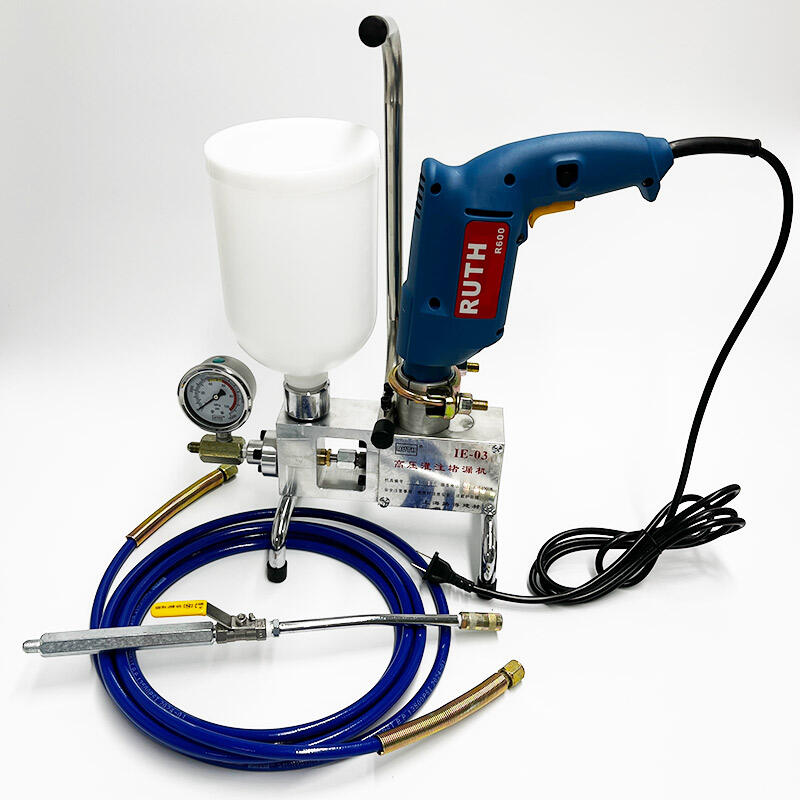
Polyurethane grout injection represents a cutting-edge solution for structural repair and waterproofing applications across various industries. This advanced chemical injection technique utilizes specialized polyurethane resins that expand and cure when exposed to water or moisture, creating an effective seal against water ingress and structural damage. The primary function of polyurethane grout injection involves filling voids, cracks, and joints in concrete structures, tunnels, basements, and underground facilities where traditional repair methods prove inadequate or impractical. The technology operates through a precise injection process that delivers liquid polyurethane materials directly into problem areas using specialized equipment and carefully controlled pressure systems. Once injected, the polyurethane material undergoes a chemical reaction that causes it to expand significantly, often increasing in volume by up to 20 times its original size. This expansion ensures complete filling of even the smallest cracks and voids while creating a flexible, waterproof barrier that adapts to structural movement. The technological features of polyurethane grout injection include its ability to work in wet conditions, rapid curing times, and exceptional adhesion properties to various substrates including concrete, masonry, and steel. The injection process can be performed from either the positive or negative side of structures, providing versatility in application methods. Modern polyurethane grout injection systems offer precise control over injection pressure, flow rates, and material viscosity, allowing technicians to customize treatments for specific structural conditions. Applications span across infrastructure projects, including subway tunnels, parking garages, water treatment facilities, marine structures, and industrial buildings where long-term water resistance and structural integrity remain critical requirements for operational success and safety compliance.

New Product Recommendations

Polyurethane grout injection delivers exceptional cost-effectiveness compared to traditional excavation and replacement methods, saving property owners significant money on repair projects while minimizing operational downtime. The injection process requires minimal disruption to existing structures and surrounding areas, allowing businesses and facilities to maintain normal operations during treatment applications. This non-invasive approach eliminates the need for extensive demolition work, heavy machinery, or major structural modifications that typically accompany conventional repair techniques. The speed of application represents another major advantage, as polyurethane grout injection can often complete repairs in a fraction of the time required by alternative methods, with most projects finishing within hours rather than days or weeks. The material creates a permanent waterproof seal that demonstrates superior performance compared to surface-applied coatings or membranes, providing long-lasting protection against water damage and structural deterioration. Polyurethane grout injection works effectively in challenging conditions where other repair methods fail, including actively leaking areas, high water pressure environments, and structures with ongoing settlement or movement issues. The flexibility of cured polyurethane allows it to accommodate structural movement without cracking or losing adhesion, making it ideal for buildings subject to thermal expansion, seismic activity, or traffic vibrations. Environmental benefits include reduced waste generation since the injection process preserves existing structures rather than requiring disposal of demolished materials. The technology also offers versatility in treating various crack sizes and configurations, from hairline fractures to significant structural gaps, using the same basic injection equipment and techniques. Quality control advantages include real-time monitoring capabilities that allow technicians to verify complete void filling and proper material placement during the injection process. The chemical resistance of polyurethane provides protection against aggressive soil conditions, chemical exposure, and freeze-thaw cycles that commonly damage other repair materials. Property values benefit from these permanent repairs that address root causes rather than temporary surface treatments, providing building owners with confidence in their structural investments and compliance with safety regulations.

Latest News

How Does Polyurethane Injection Adapt to Different Leak Conditions?

02

Feb

How Does Polyurethane Injection Adapt to Different Leak Conditions?

Water intrusion and structural leaks present persistent challenges across construction, infrastructure, and industrial sectors. Traditional repair methods often fall short when addressing complex leak scenarios, particularly in challenging environmen...
View More
How Does Hydrophobic Polyurethane Maintain Stability in Dry Crack Sealing?

02

Mar

How Does Hydrophobic Polyurethane Maintain Stability in Dry Crack Sealing?

The construction industry has witnessed remarkable advancements in sealing technologies, with hydrophobic polyurethane emerging as a revolutionary solution for crack repair and waterproofing applications. This innovative material combines the excepti...
View More
What Are Typical Applications of Hydrophobic Polyurethane in Infrastructure?

10

Mar

What Are Typical Applications of Hydrophobic Polyurethane in Infrastructure?

Infrastructure systems worldwide face constant challenges from water infiltration, soil movement, and environmental deterioration. Traditional waterproofing methods often fall short when dealing with complex underground conditions and dynamic structu...
View More
How Does Hydrophobic Polyurethane Perform Compared to Hydrophilic Systems?

20

Mar

How Does Hydrophobic Polyurethane Perform Compared to Hydrophilic Systems?

Understanding the performance differences between hydrophobic polyurethane and hydrophilic systems is crucial for engineers, contractors, and facility managers making informed decisions about waterproofing and sealing solutions. While both systems of...
View More

Get a Free Quote

Email
Name
Company Name
Message
0/1000

polyurethane grout injection

Superior Water Sealing Performance

Superior Water Sealing Performance

Polyurethane grout injection provides unmatched water sealing capabilities that surpass conventional waterproofing methods through its unique expansion properties and chemical composition. When the polyurethane material contacts water during the injection process, it undergoes a controlled chemical reaction that creates a closed-cell foam structure with exceptional hydrophobic characteristics. This cellular structure effectively blocks water penetration while maintaining flexibility to accommodate structural movement without compromising the seal integrity. The expansion ratio of quality polyurethane grout injection materials can reach up to 2000 percent of their original volume, ensuring complete filling of complex crack patterns, honeycomb voids, and interconnected defects that would be impossible to seal using traditional methods. The material bonds chemically to concrete substrates, creating a mechanical and chemical adhesion that prevents water migration along the interface between the repair material and existing structure. This superior bonding prevents the common failure mode of water finding alternate pathways around patches or surface-applied sealers. The polyurethane chemistry resists degradation from repeated wet-dry cycles, freeze-thaw conditions, and exposure to aggressive groundwater chemicals that typically cause other sealants to fail over time. Testing data consistently demonstrates that properly applied polyurethane grout injection systems maintain their waterproofing effectiveness for decades, even under extreme hydrostatic pressure conditions exceeding 100 psi. The material remains flexible across a wide temperature range, preventing brittle failure in cold climates while maintaining dimensional stability in high-temperature applications. This water sealing performance directly translates to reduced maintenance costs, extended structure lifespan, and elimination of ongoing water damage issues that can compromise building integrity and create health hazards from mold growth or structural deterioration.
Minimal Disruption Installation Process

Minimal Disruption Installation Process

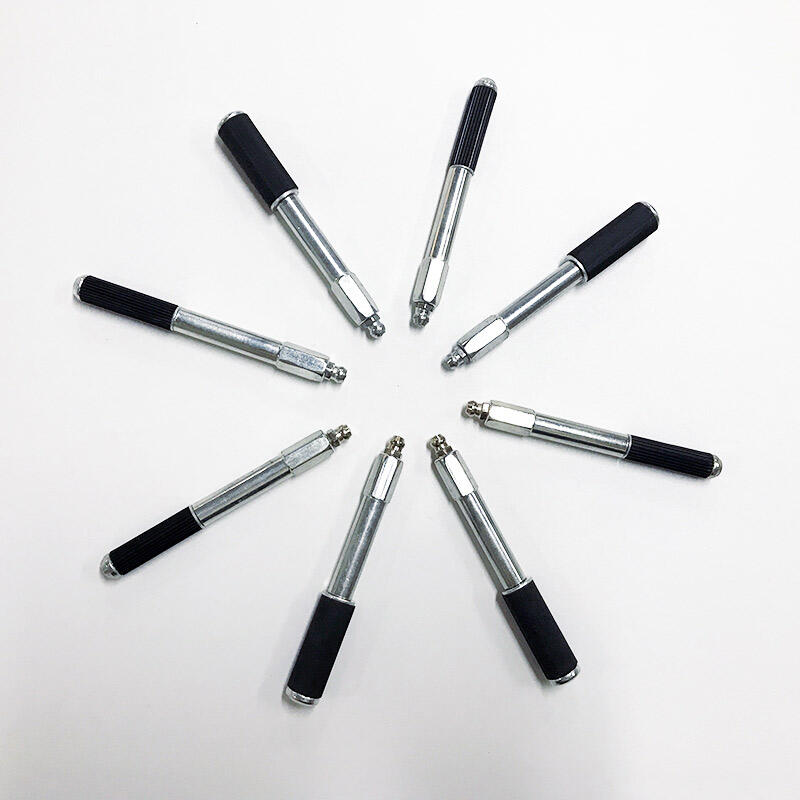
Polyurethane grout injection revolutionizes structural repair through its minimally invasive installation process that allows repairs to proceed without significant disruption to building occupants, operations, or surrounding infrastructure. The injection technique requires only small drill holes, typically 3/8 to 5/8 inch in diameter, strategically placed to access the treatment area without compromising structural integrity or requiring extensive preparation work. This precise approach contrasts sharply with traditional repair methods that often necessitate major excavation, demolition of finishes, or removal of building systems to access problem areas. The specialized injection equipment operates quietly and produces minimal dust or debris, making it suitable for occupied buildings, sensitive environments like hospitals or schools, and areas with strict cleanliness requirements. Setup and mobilization require significantly less space and equipment compared to conventional construction methods, allowing repairs in confined areas, basements, or locations with limited access for heavy machinery. The injection process itself typically completes within hours for most applications, compared to days or weeks required for traditional excavation and reconstruction approaches. This speed advantage translates directly to reduced labor costs, shorter project timelines, and minimal loss of facility use during repair periods. Building occupants can often remain in adjacent spaces during injection work, eliminating costly relocations or operational shutdowns that accompany major construction projects. The technique works effectively from either interior or exterior building surfaces, providing flexibility in access planning and avoiding landscape disruption or utility conflicts common with excavation-based repairs. Quality polyurethane grout injection systems include real-time monitoring capabilities that verify treatment effectiveness during application, eliminating uncertainty about repair completeness that may require additional work phases with conventional methods. The clean installation process produces minimal waste materials and does not require disposal of contaminated soil or demolition debris, reducing project environmental impact and associated disposal costs while supporting sustainable construction practices.
Long-Term Durability and Cost Effectiveness

Long-Term Durability and Cost Effectiveness

Polyurethane grout injection delivers exceptional long-term durability and cost effectiveness by addressing the root causes of structural water problems rather than providing temporary surface treatments that require repeated maintenance and eventual replacement. The chemical composition of modern polyurethane injection materials resists degradation from environmental factors that commonly cause other repair materials to fail, including ultraviolet exposure, chemical attack from aggressive soils, bacterial action, and mechanical stress from structural movement. Independent testing demonstrates that properly installed polyurethane grout injection systems maintain their structural and waterproofing properties for 25 years or more under normal service conditions, with many installations continuing to perform effectively beyond their design life. This durability stems from the material's closed-cell structure that prevents water absorption and its chemical resistance to common groundwater contaminants including salts, acids, and organic compounds. The initial investment in polyurethane grout injection typically recovers within the first few years through elimination of ongoing leak repairs, reduced maintenance requirements, and prevention of secondary damage to building systems, finishes, and contents. Property insurance costs often decrease following successful polyurethane injection treatments due to reduced water damage risk and demonstration of proactive maintenance practices. The permanent nature of these repairs eliminates cyclical replacement costs associated with surface sealers, joint sealants, and membrane systems that typically require renewal every 5-10 years. Energy efficiency improvements result from eliminating air leakage paths and moisture infiltration that force HVAC systems to work harder maintaining comfortable interior conditions. The treatment prevents progressive structural deterioration that would otherwise require increasingly expensive remediation as damage compounds over time. Documentation of successful polyurethane grout injection repairs enhances property values by demonstrating effective problem resolution and providing warranty coverage that transfers to future property owners. The cost effectiveness extends beyond direct repair savings to include avoided costs from business interruption, emergency water damage remediation, and potential liability issues from structural failures or unsafe conditions caused by ongoing water infiltration problems.

Get a Free Quote

Email
Name
Company Name
Message
0/1000
Newsletter
Please Leave A Message With Us