Expanding Polyurethane Grout: Advanced Sealing Solutions for Construction and Infrastructure Repair

Get a Free Quote

Email
Name
Company Name
Message
0/1000

expanding polyurethane grout

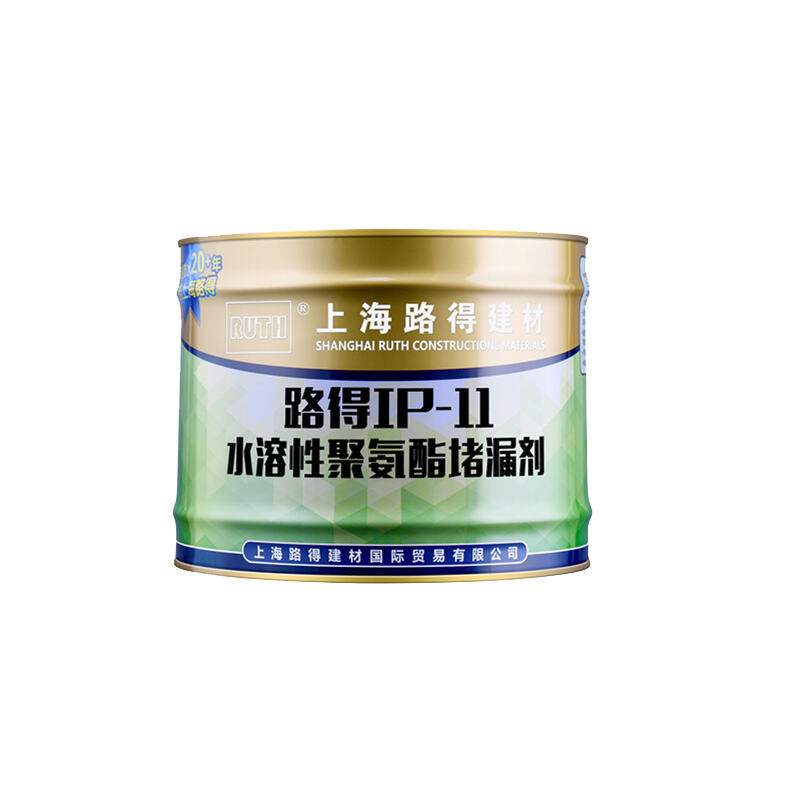
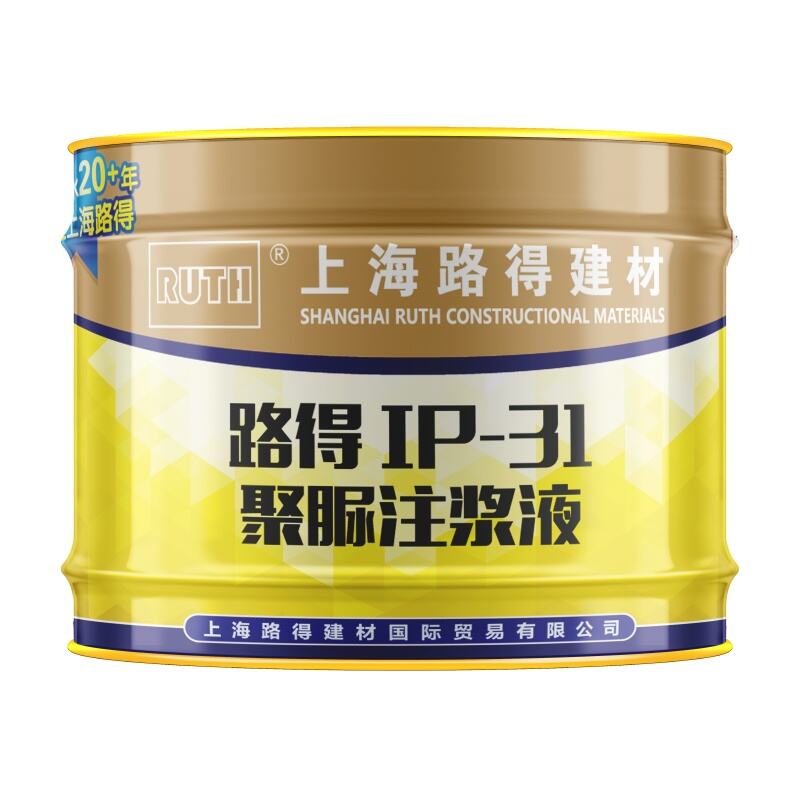
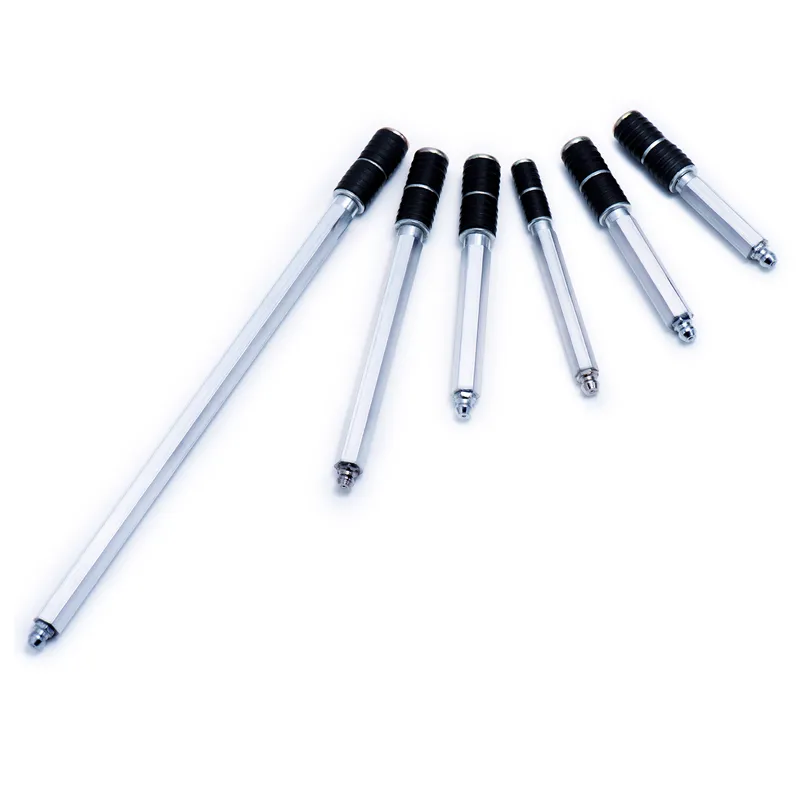
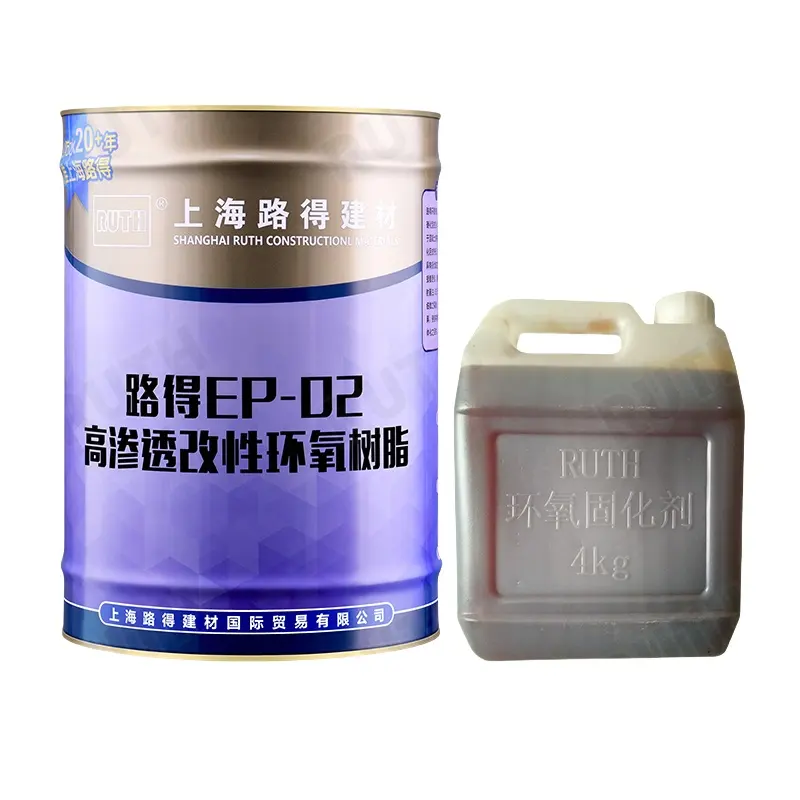
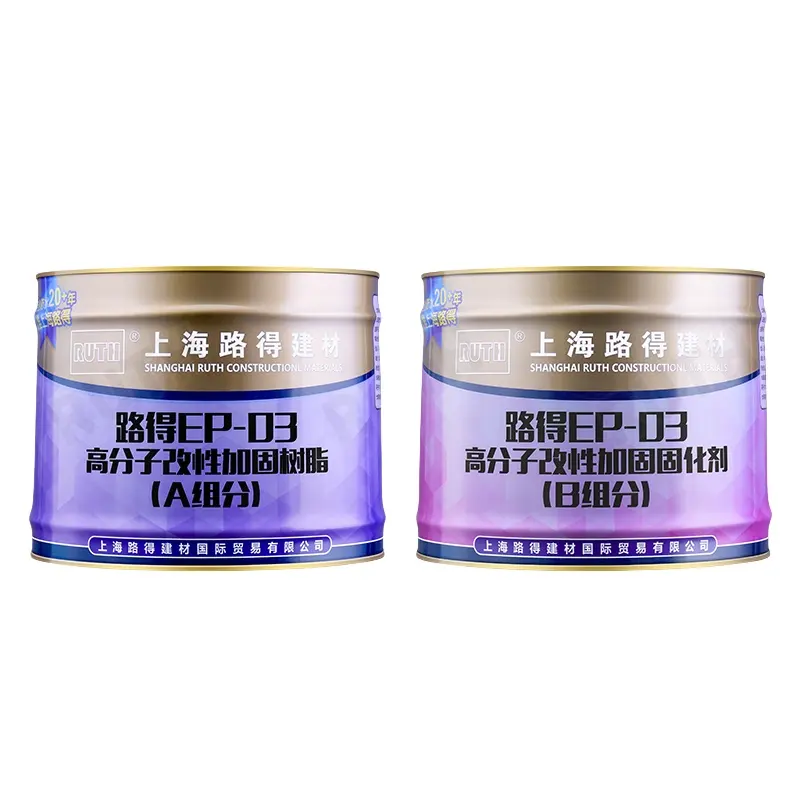
Expanding polyurethane grout represents a revolutionary advancement in construction and repair technology, offering superior sealing and stabilization solutions for various structural applications. This innovative material combines the flexibility of polyurethane chemistry with specialized expansion properties, creating a versatile solution that addresses complex infrastructure challenges. The expanding polyurethane grout system utilizes a two-component chemical reaction that produces controlled expansion while maintaining excellent adhesion to concrete, masonry, and other substrates. The primary function of expanding polyurethane grout involves filling voids, sealing joints, and stabilizing loose materials through its unique expansion mechanism. When properly mixed and applied, the grout penetrates deep into cracks and cavities, expanding to create a watertight seal that prevents further deterioration. The technological features of expanding polyurethane grout include rapid curing capabilities, excellent chemical resistance, and the ability to maintain flexibility under varying temperature conditions. The material demonstrates superior bonding strength compared to traditional cement-based alternatives, while offering enhanced durability against environmental factors. Applications for expanding polyurethane grout span multiple industries, including tunnel construction, foundation repair, underground utility installation, and marine infrastructure maintenance. Construction professionals frequently utilize this material for concrete crack injection, joint sealing in precast structures, and soil stabilization projects. The grout effectively addresses water infiltration issues in basements, parking garages, and industrial facilities. Mining operations benefit from its ability to seal rock formations and prevent water ingress in underground workings. Transportation infrastructure projects employ expanding polyurethane grout for bridge joint repairs, highway crack sealing, and airport runway maintenance. The material's versatility extends to residential applications, including foundation waterproofing and basement leak repairs. Its controlled expansion properties make it particularly valuable in situations where precise volume filling is required without causing structural damage.

Popular Products

Expanding polyurethane grout delivers exceptional performance benefits that surpass conventional repair materials in multiple critical areas. The material offers rapid installation capabilities, allowing contractors to complete projects faster while reducing labor costs and minimizing disruption to operations. Unlike traditional cement-based solutions, expanding polyurethane grout cures quickly, enabling immediate load bearing and traffic restoration within hours rather than days. This accelerated timeline translates to significant cost savings for project owners and reduced inconvenience for end users. The superior adhesion properties of expanding polyurethane grout ensure long-lasting repairs that resist debonding and failure over time. The material creates strong chemical bonds with various substrates, including wet surfaces, eliminating the need for extensive surface preparation and drying requirements. This adhesion strength remains consistent across temperature fluctuations and environmental stresses, providing reliable performance in challenging conditions. Flexibility represents another crucial advantage, as the cured grout accommodates structural movement without cracking or losing seal integrity. This characteristic proves invaluable in dynamic environments where thermal expansion, settlement, or vibration occurs regularly. The material maintains its sealing properties throughout seasonal temperature variations, preventing the recurring failures common with rigid repair materials. Water resistance stands as a primary benefit, with expanding polyurethane grout creating impermeable barriers against moisture infiltration. The material effectively stops active water leaks during application, allowing repairs to proceed even in challenging wet conditions. This capability eliminates costly dewatering operations and enables year-round construction activities. Chemical resistance ensures durability in aggressive environments, including exposure to acids, alkalis, and petroleum products. The grout maintains its structural integrity when subjected to industrial chemicals, making it ideal for manufacturing facilities and chemical processing plants. Environmental sustainability benefits include reduced material waste through precise application control and extended service life that minimizes replacement frequency. The non-toxic formulation supports green building initiatives while delivering superior performance characteristics. Cost effectiveness emerges through reduced maintenance requirements, extended service intervals, and elimination of recurring repair cycles that plague traditional materials.

Practical Tips

What Are the Key Advantages of Polyurea Grout in Infrastructure Repair?

10

Feb

What Are the Key Advantages of Polyurea Grout in Infrastructure Repair?

Infrastructure repair and maintenance represent critical challenges in modern construction and civil engineering. Among the numerous materials available for structural restoration, polyurea grout has emerged as a revolutionary solution that addresses...
View More
How Does Hydrophobic Polyurethane Prevent Water Penetration After Curing?

13

Feb

How Does Hydrophobic Polyurethane Prevent Water Penetration After Curing?

Construction and industrial applications face constant challenges from water infiltration, making waterproofing solutions critical for structural integrity and longevity. Hydrophobic polyurethane has emerged as a revolutionary material that transform...
View More
How Do Large Projects Benefit from Hydrophobic Polyurethane Grouting?

16

Feb

How Do Large Projects Benefit from Hydrophobic Polyurethane Grouting?

Large-scale construction and infrastructure projects face numerous challenges when it comes to water infiltration and structural integrity. From underground tunnels and basements to industrial facilities and marine structures, preventing water damage...
View More
What Are the Injection Requirements for Hydrophobic Polyurethane Materials?

20

Feb

What Are the Injection Requirements for Hydrophobic Polyurethane Materials?

Understanding the injection requirements for hydrophobic polyurethane materials is crucial for successful waterproofing and structural repair applications. These specialized materials offer exceptional resistance to water penetration while maintainin...
View More

Get a Free Quote

Email
Name
Company Name
Message
0/1000

expanding polyurethane grout

Advanced Expansion Control Technology

Advanced Expansion Control Technology

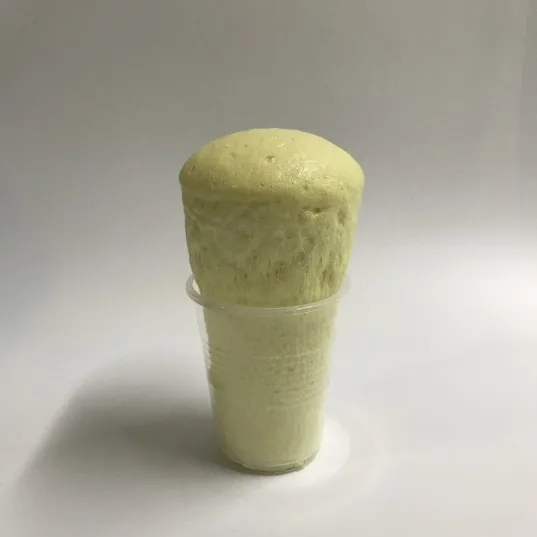
The sophisticated expansion control technology embedded within expanding polyurethane grout represents a breakthrough in precision engineering for construction applications. This innovative system utilizes carefully calibrated chemical reactions that produce predictable, controlled expansion rates, ensuring optimal void filling without generating destructive pressures that could damage surrounding structures. The expansion mechanism operates through a controlled foaming process that activates upon mixing the two-component system, creating a cellular structure that expands to fill available space while maintaining uniform density throughout the cured material. Engineers have precisely tuned the expansion ratio to achieve maximum effectiveness across various application scenarios, from tight concrete cracks measuring mere millimeters to substantial voids spanning several centimeters. The technology incorporates temperature-sensitive catalysts that adjust expansion rates based on ambient conditions, ensuring consistent performance regardless of seasonal variations or geographic location. This adaptive capability prevents over-expansion in warm conditions while maintaining adequate expansion in cooler environments, delivering reliable results across diverse climates. The controlled expansion process eliminates the guesswork associated with traditional repair methods, allowing contractors to predict material requirements accurately and achieve optimal results consistently. Quality control measures built into the expanding polyurethane grout formulation include expansion rate indicators that provide visual confirmation of proper activation and progress monitoring throughout the curing process. The technology enables precise application in sensitive areas where structural integrity must be preserved, such as historical buildings or critical infrastructure components. Advanced expansion control also facilitates repairs in occupied buildings, minimizing disruption while ensuring thorough void filling and sealing. The predictable expansion characteristics enable engineers to calculate exact material quantities needed for specific applications, reducing waste and optimizing project budgets. This technological advancement eliminates the trial-and-error approach common with alternative materials, providing confidence in project outcomes and long-term performance expectations.
Exceptional Chemical and Environmental Resistance

Exceptional Chemical and Environmental Resistance

The exceptional chemical and environmental resistance properties of expanding polyurethane grout establish it as the premium choice for demanding applications where traditional materials fail to provide adequate protection. This remarkable resistance stems from the polyurethane polymer matrix that forms during curing, creating a three-dimensional cross-linked structure impervious to chemical attack and environmental degradation. The material demonstrates outstanding resistance to acids, bases, solvents, and petroleum products commonly encountered in industrial environments, maintaining structural integrity and sealing effectiveness even under prolonged exposure to aggressive chemicals. Laboratory testing confirms the expanding polyurethane grout resists degradation from sulfuric acid, hydrochloric acid, sodium hydroxide, and various organic solvents that rapidly deteriorate cement-based alternatives. This chemical resistance extends to freeze-thaw cycling, where the flexible polymer structure accommodates ice formation without cracking or losing adhesion to substrates. The material successfully withstands hundreds of freeze-thaw cycles while maintaining its sealing properties, making it ideal for infrastructure in cold climates where traditional materials experience rapid deterioration. UV resistance ensures long-term stability in outdoor applications, preventing the surface degradation and brittleness that plague many polymer-based materials exposed to sunlight. The formulation incorporates advanced UV stabilizers that maintain material properties throughout years of direct sun exposure, eliminating the need for protective coatings or frequent replacement. Biological resistance prevents microbial growth and degradation, crucial for applications in sewage treatment facilities, food processing plants, and healthcare environments where biological contamination poses serious concerns. The expanding polyurethane grout resists attack from bacteria, fungi, and other microorganisms that can compromise material integrity and create health hazards. Thermal stability enables performance across extreme temperature ranges, from arctic conditions to high-temperature industrial processes, without compromising sealing effectiveness or structural properties. This comprehensive resistance profile ensures reliable long-term performance in challenging environments where material failure could result in significant safety risks or economic losses.
Versatile Application Flexibility and Easy Installation

Versatile Application Flexibility and Easy Installation

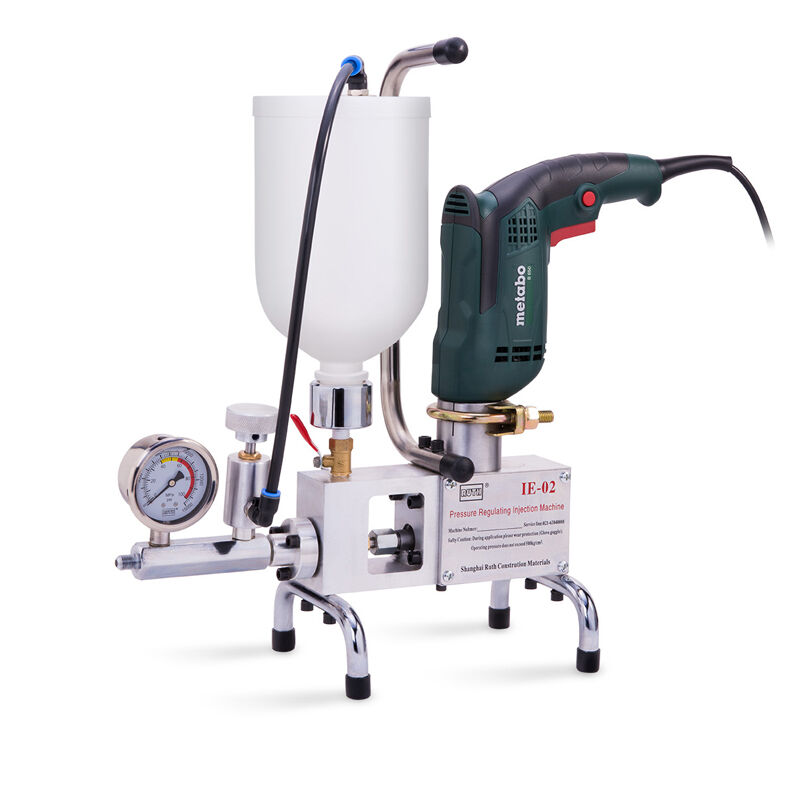
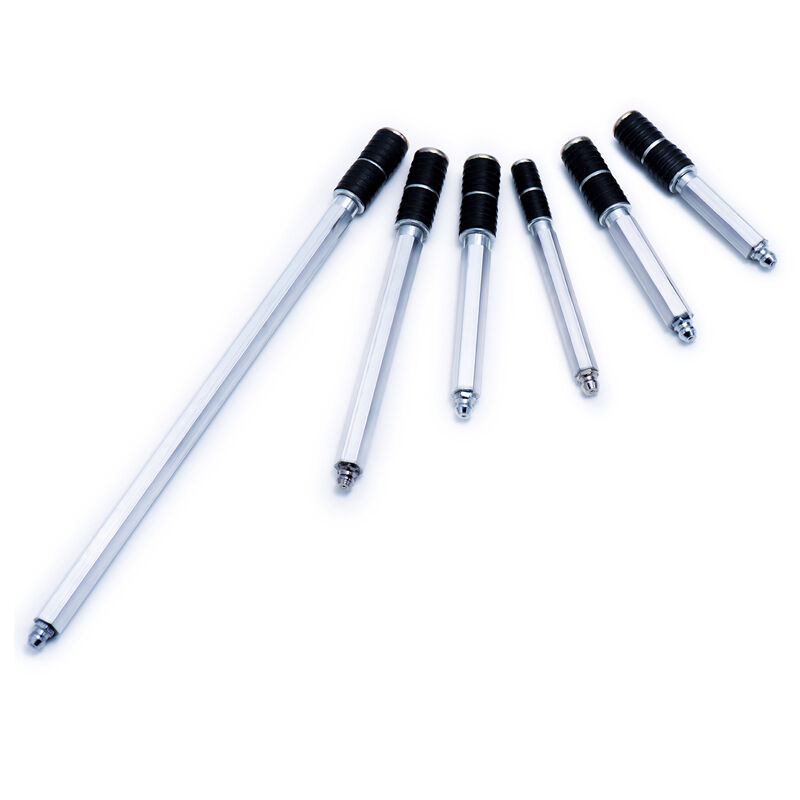
The versatile application flexibility and easy installation characteristics of expanding polyurethane grout make it the preferred solution for contractors and engineers facing diverse repair challenges across multiple industries. This remarkable adaptability stems from the material's unique formulation that performs effectively in horizontal, vertical, and overhead applications without requiring specialized equipment or extensive surface preparation procedures. The expanding polyurethane grout can be successfully applied to wet surfaces, eliminating costly dewatering operations and enabling repairs during active water infiltration conditions that would halt traditional repair methods. This capability proves invaluable in emergency repair situations where immediate action is necessary to prevent further damage or safety hazards. The material's low viscosity before expansion allows it to penetrate narrow cracks and complex void geometries that remain inaccessible to conventional repair materials, ensuring complete filling and sealing of problem areas. Installation simplicity reduces training requirements and enables rapid deployment across various project sites, minimizing labor costs while maintaining high-quality results. The two-component mixing system requires only basic equipment, making it accessible to contractors without specialized injection machinery or complex preparation protocols. Working time flexibility accommodates different application techniques, from high-pressure injection for deep penetrations to low-pressure applications for sensitive structures, providing contractors with options to match specific project requirements. The expanding polyurethane grout maintains workability across a range of temperatures, enabling year-round construction activities and emergency repairs regardless of seasonal conditions. Quality assurance is simplified through visual expansion indicators and predictable curing characteristics that allow immediate assessment of application success. The material's self-leveling properties ensure uniform distribution and eliminate the need for mechanical consolidation or vibration during placement. Cleanup procedures are straightforward, with uncured material easily removed using standard solvents, while cured material requires only mechanical removal when modifications become necessary. This installation flexibility extends to substrate compatibility, as the expanding polyurethane grout bonds effectively to concrete, masonry, steel, and various other construction materials without requiring primers or surface treatments in most applications, streamlining project execution and reducing material costs.

Get a Free Quote

Email
Name
Company Name
Message
0/1000
Newsletter
Please Leave A Message With Us