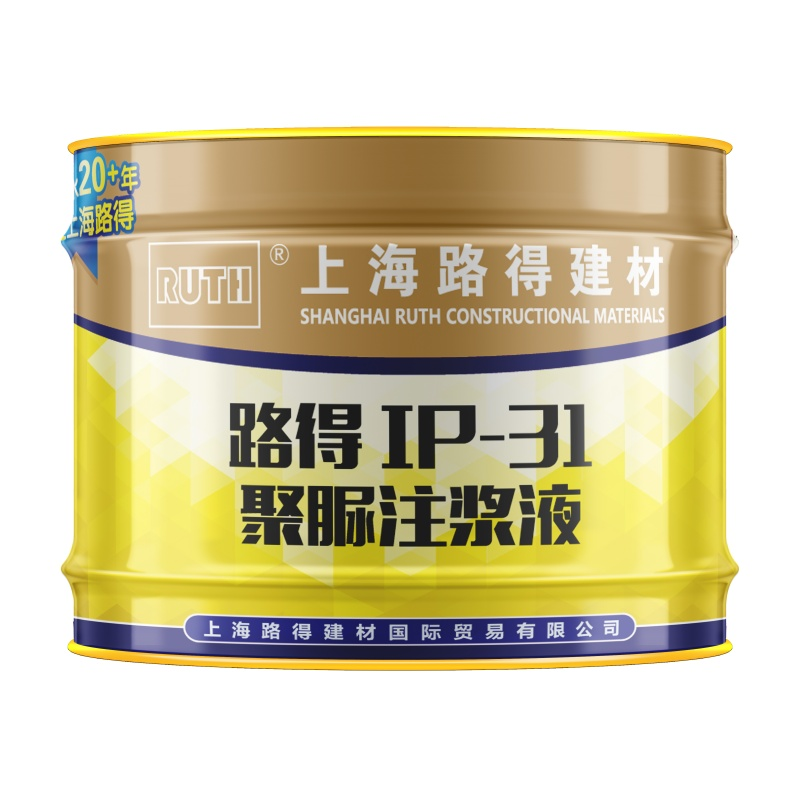
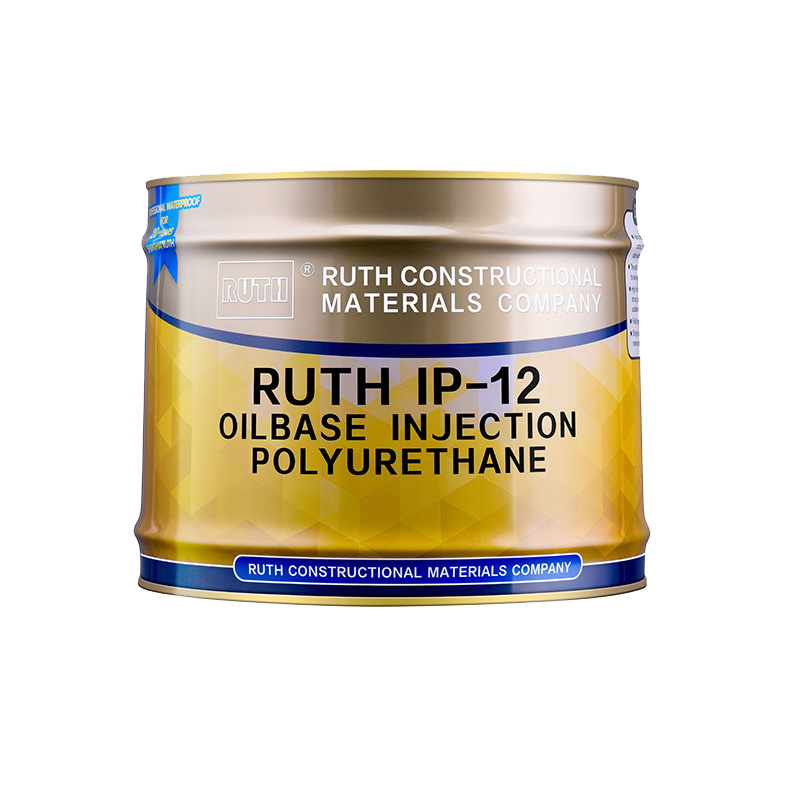
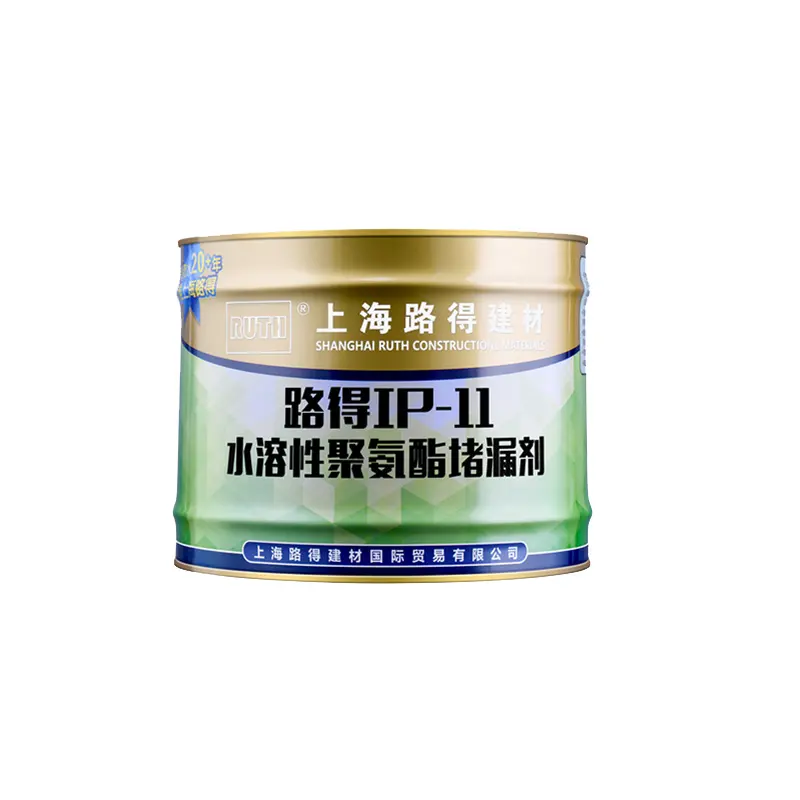
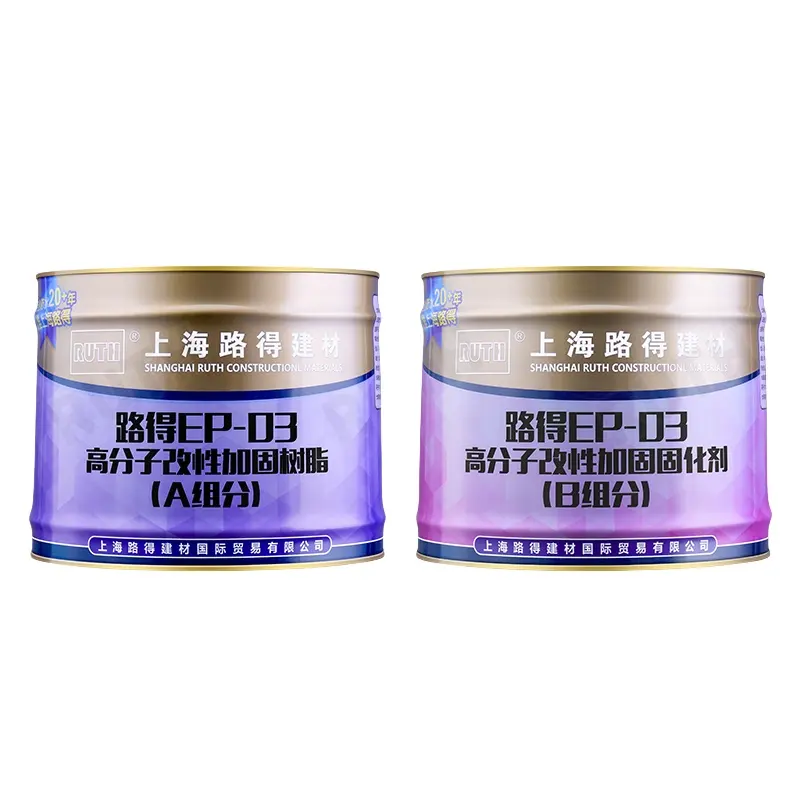
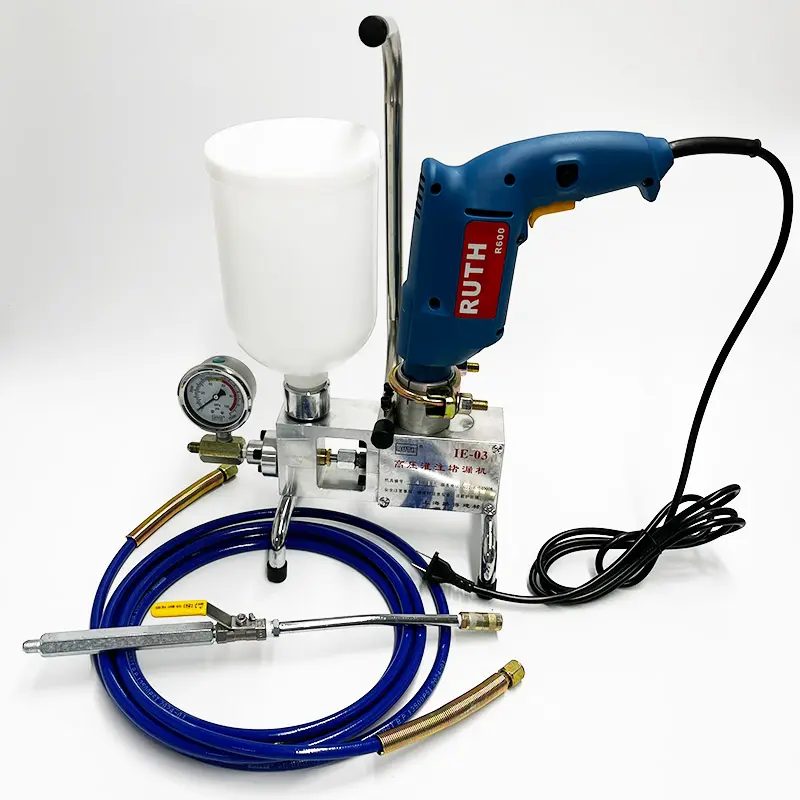
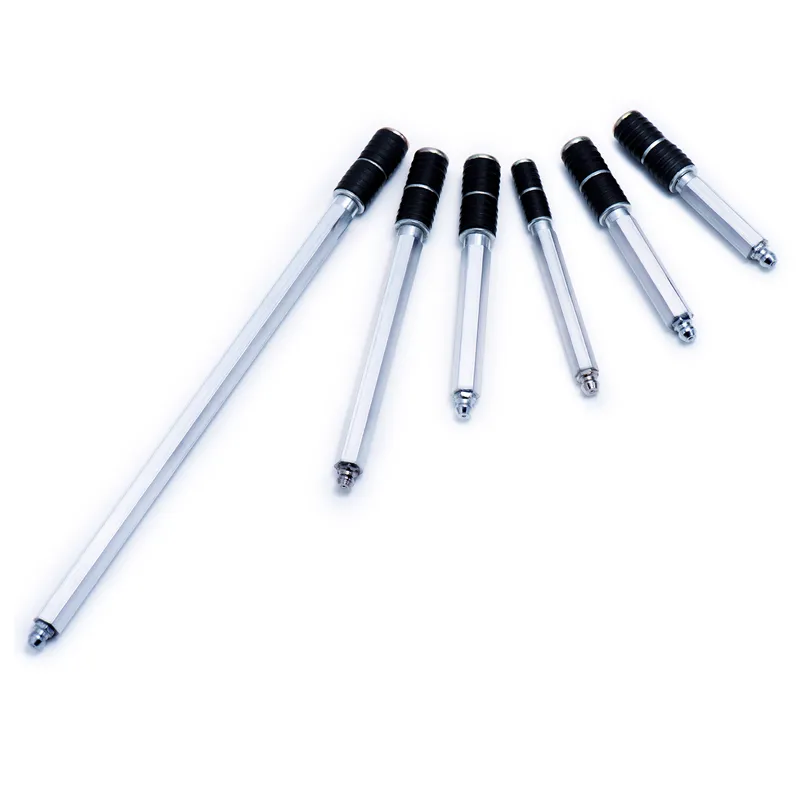
Premium Hydrophilic Joint Sealant - Advanced Water-Activated Waterproofing Technology

Get a Free Quote

Email
Name
Company Name
Message
0/1000

hydrophilic joint sealant

Hydrophilic joint sealant represents a revolutionary advancement in waterproofing technology, specifically designed to create impermeable barriers in concrete structures. This innovative sealant utilizes water-absorbing properties to expand and form a tight seal when exposed to moisture, making it an ideal solution for construction joints, expansion joints, and construction defects. The hydrophilic joint sealant operates on the principle of controlled swelling, where the material absorbs water and increases in volume to fill gaps and create a watertight barrier. The technological foundation of this sealant lies in its unique polymer composition, which maintains structural integrity while providing exceptional sealing capabilities. Unlike traditional sealants that may deteriorate when exposed to water, hydrophilic joint sealant actually strengthens its bond through moisture interaction. The primary functions of hydrophilic joint sealant include preventing water ingress, accommodating structural movement, and providing long-term protection against environmental factors. Its advanced formulation allows it to maintain flexibility while providing robust sealing performance across various temperature ranges and environmental conditions. The sealant demonstrates remarkable adhesion to concrete, masonry, and other construction materials, ensuring reliable performance throughout its service life. Applications for hydrophilic joint sealant span across multiple construction sectors, including basement waterproofing, tunnel construction, underground structures, parking garages, and marine infrastructure projects. The sealant proves particularly effective in below-grade applications where hydrostatic pressure presents significant challenges. Its compatibility with various construction materials and ability to cure in wet conditions make hydrophilic joint sealant an versatile solution for both new construction and rehabilitation projects. The material's self-healing properties enable it to reseal minor cracks that may develop over time, providing enhanced durability and reduced maintenance requirements for critical infrastructure applications.

New Product Recommendations

The advantages of hydrophilic joint sealant extend far beyond conventional sealing solutions, offering property owners and contractors significant benefits that translate into long-term value and peace of mind. The most compelling advantage lies in its unique ability to strengthen its seal when exposed to water, directly addressing the primary challenge that traditional sealants face. When hydrophilic joint sealant encounters moisture, it expands in a controlled manner, creating an increasingly tight barrier that prevents water penetration while maintaining structural flexibility. This self-improving characteristic means that the sealant actually becomes more effective over time rather than degrading like conventional alternatives. Cost-effectiveness represents another major advantage, as hydrophilic joint sealant reduces the need for frequent maintenance and repairs that plague traditional waterproofing systems. Property owners save substantial money on long-term maintenance costs because the sealant's durability and self-healing properties minimize the need for costly re-sealing projects. The installation process proves remarkably straightforward, requiring minimal surface preparation and allowing application even in damp conditions where other sealants would fail to cure properly. This flexibility significantly reduces project delays and labor costs, making hydrophilic joint sealant an attractive option for time-sensitive construction projects. Environmental benefits distinguish hydrophilic joint sealant from many traditional options, as its formulation typically contains fewer volatile organic compounds and poses reduced environmental impact during application and throughout its service life. The sealant's longevity also contributes to sustainability by reducing the frequency of replacement and associated waste generation. Performance reliability stands as perhaps the most valuable advantage, with hydrophilic joint sealant demonstrating consistent effectiveness across diverse environmental conditions and structural applications. Its ability to accommodate structural movement without losing sealing integrity makes it particularly valuable for buildings and infrastructure subject to thermal expansion, settling, or seismic activity. The versatility of hydrophilic joint sealant allows it to serve multiple functions within a single project, simplifying material management and reducing inventory requirements. Quality assurance benefits include predictable performance characteristics that enable engineers and contractors to specify the material with confidence, knowing it will deliver reliable results across various application scenarios. The reduced risk of seal failure provides additional value through enhanced building protection and reduced liability concerns for construction professionals.

Tips And Tricks

What Are the Key Advantages of Polyurea Grout in Infrastructure Repair?

10

Feb

What Are the Key Advantages of Polyurea Grout in Infrastructure Repair?

Infrastructure repair and maintenance represent critical challenges in modern construction and civil engineering. Among the numerous materials available for structural restoration, polyurea grout has emerged as a revolutionary solution that addresses...
View More
How Does Hydrophobic Polyurethane Prevent Water Penetration After Curing?

13

Feb

How Does Hydrophobic Polyurethane Prevent Water Penetration After Curing?

Construction and industrial applications face constant challenges from water infiltration, making waterproofing solutions critical for structural integrity and longevity. Hydrophobic polyurethane has emerged as a revolutionary material that transform...
View More
How Do Large Projects Benefit from Hydrophobic Polyurethane Grouting?

16

Feb

How Do Large Projects Benefit from Hydrophobic Polyurethane Grouting?

Large-scale construction and infrastructure projects face numerous challenges when it comes to water infiltration and structural integrity. From underground tunnels and basements to industrial facilities and marine structures, preventing water damage...
View More
What Are Typical Applications of Hydrophobic Polyurethane in Infrastructure?

10

Mar

What Are Typical Applications of Hydrophobic Polyurethane in Infrastructure?

Infrastructure systems worldwide face constant challenges from water infiltration, soil movement, and environmental deterioration. Traditional waterproofing methods often fall short when dealing with complex underground conditions and dynamic structu...
View More

Get a Free Quote

Email
Name
Company Name
Message
0/1000

hydrophilic joint sealant

Superior Water-Activated Sealing Technology

Superior Water-Activated Sealing Technology

The revolutionary water-activated sealing technology of hydrophilic joint sealant fundamentally changes how waterproofing systems function, offering a paradigm shift from traditional moisture-vulnerable sealants to a solution that actually improves with water exposure. This innovative technology operates through a carefully engineered polymer matrix that responds to moisture contact by initiating a controlled expansion process. When water molecules penetrate the sealant surface, they trigger chemical reactions within the polymer structure that cause the material to swell in a predictable and beneficial manner. This expansion creates increased contact pressure against joint surfaces, effectively tightening the seal and preventing further water ingress. The technology proves particularly valuable in challenging environments where traditional sealants fail, such as areas with fluctuating water tables, high humidity conditions, or direct water exposure. Unlike conventional sealants that may soften, degrade, or lose adhesion when wet, hydrophilic joint sealant maintains its structural integrity while enhancing its sealing performance. The water-activated mechanism provides self-correcting capabilities that address minor settlement or movement in structures, as the sealant automatically adjusts its volume to maintain optimal contact with joint surfaces. This technology eliminates many failure modes associated with traditional sealants, including shrinkage, cracking, and loss of adhesion that typically occur with age and environmental exposure. The controlled expansion process ensures that the sealant does not over-expand and damage surrounding structures, while still providing sufficient pressure to create an effective barrier. Engineering applications benefit from the predictable nature of this technology, allowing designers to calculate expected performance characteristics and specify appropriate installation parameters. The water-activated sealing technology also provides diagnostic benefits, as the sealant's expansion serves as an indicator of moisture presence, helping facility managers identify potential water intrusion issues before they become costly problems. This innovative approach to waterproofing represents a significant advancement in construction technology, providing solutions that actually improve over time rather than gradually deteriorating.
Exceptional Durability and Self-Healing Properties

Exceptional Durability and Self-Healing Properties

The exceptional durability of hydrophilic joint sealant stems from its advanced material composition and unique self-healing properties that set it apart from conventional sealing solutions. This remarkable durability manifests through the sealant's ability to maintain its effectiveness for decades without requiring replacement or significant maintenance, providing exceptional value for property owners and facility managers. The self-healing mechanism operates through the material's inherent flexibility and expansion characteristics, which allow it to automatically seal minor cracks or gaps that may develop due to structural movement, temperature fluctuations, or natural aging processes. When small fissures appear in the sealant, exposure to moisture triggers the expansion response that fills these gaps and restores the integrity of the waterproof barrier. This self-healing capability proves particularly valuable in dynamic environments where buildings experience regular thermal cycling, seismic activity, or settling that might compromise traditional sealants. The durability extends beyond mere longevity to include consistent performance characteristics throughout the material's service life, ensuring that sealing effectiveness does not gradually diminish over time. Laboratory testing demonstrates that hydrophilic joint sealant maintains its sealing properties and structural integrity even after prolonged exposure to extreme environmental conditions, including freeze-thaw cycles, chemical exposure, and mechanical stress. The material's resistance to common degradation factors such as ultraviolet radiation, ozone exposure, and chemical attack contributes significantly to its long-term reliability. Property owners benefit from reduced lifecycle costs as the need for periodic resealing or major waterproofing renovations becomes virtually eliminated. The self-healing properties provide an additional safety margin that addresses unforeseen structural movements or minor installation imperfections that might otherwise compromise sealing effectiveness. Maintenance teams appreciate the reduced inspection and repair requirements, as the sealant's self-correcting nature minimizes the need for regular monitoring and intervention. The durability characteristics make hydrophilic joint sealant particularly suitable for critical applications where seal failure could result in significant damage or safety concerns, such as tunnel waterproofing, foundation systems, and underground infrastructure projects.
Versatile Application Range and Installation Flexibility

Versatile Application Range and Installation Flexibility

The versatile application range of hydrophilic joint sealant makes it an invaluable solution for diverse construction scenarios, while its installation flexibility addresses many practical challenges that plague conventional waterproofing systems. This versatility extends across numerous construction types, including commercial buildings, residential structures, industrial facilities, infrastructure projects, and specialized applications such as tunnels, bridges, and marine structures. The sealant's adaptability to different substrate materials, including concrete, masonry, metal, and various composite materials, eliminates the need for multiple specialized products and simplifies project planning and execution. Installation flexibility represents a significant practical advantage, as hydrophilic joint sealant can be applied in various environmental conditions that would prevent the use of traditional sealants. The material's ability to cure and achieve full performance even in damp or wet conditions eliminates weather-related project delays and extends the working season for waterproofing applications. This flexibility proves particularly valuable in underground construction, renovation projects, and emergency repairs where ideal installation conditions may not be achievable. The sealant's compatibility with different application methods, including injection, trowel application, and specialized installation tools, allows contractors to select the most appropriate technique for each specific situation. Temperature tolerance during installation provides additional flexibility, as the material maintains workability and achieves proper curing across a wide range of ambient conditions. The forgiving nature of hydrophilic joint sealant installation reduces the risk of application errors and provides better results even when applied by workers with varying skill levels. Project scheduling benefits significantly from this flexibility, as waterproofing work can proceed without waiting for specific weather windows or complex surface preparation procedures. The versatile application range includes both new construction and rehabilitation projects, making it an ideal choice for contractors who work across multiple market segments. Quality control advantages emerge from the material's consistent performance characteristics regardless of installation variables, providing more predictable outcomes and reduced risk of callbacks or warranty claims. The broad compatibility with existing waterproofing systems allows for seamless integration in complex projects where multiple sealing technologies must work together effectively.

Get a Free Quote

Email
Name
Company Name
Message
0/1000
Newsletter
Please Leave A Message With Us