Advanced Hydrophobic Polyurethane Solutions: Superior Water-Repelling Protection for Industrial and Commercial Applications

Get a Free Quote

Email
Name
Company Name
Message
0/1000

hydrophobic polyurethane

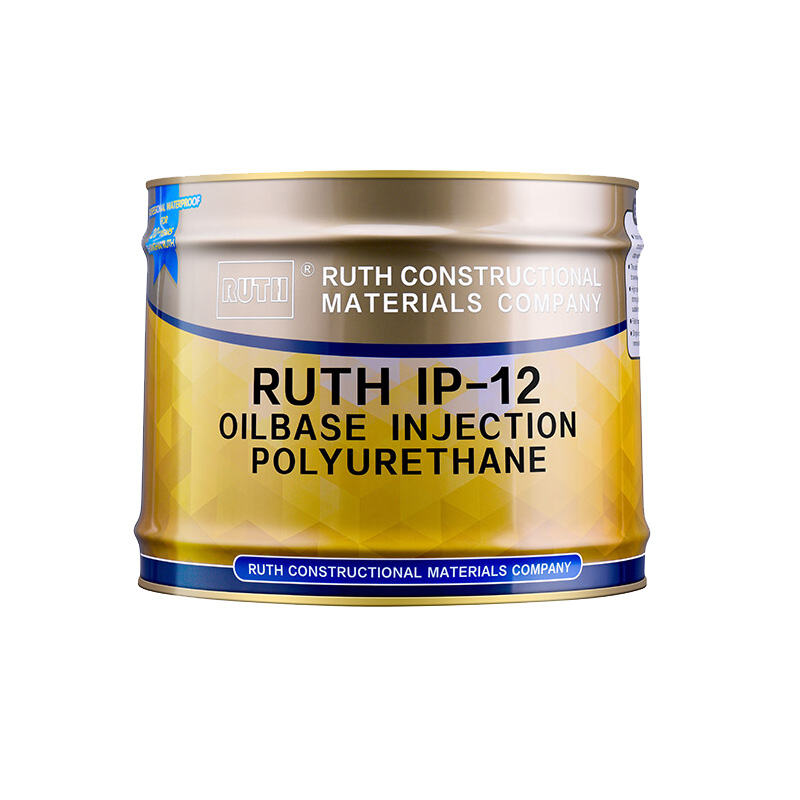
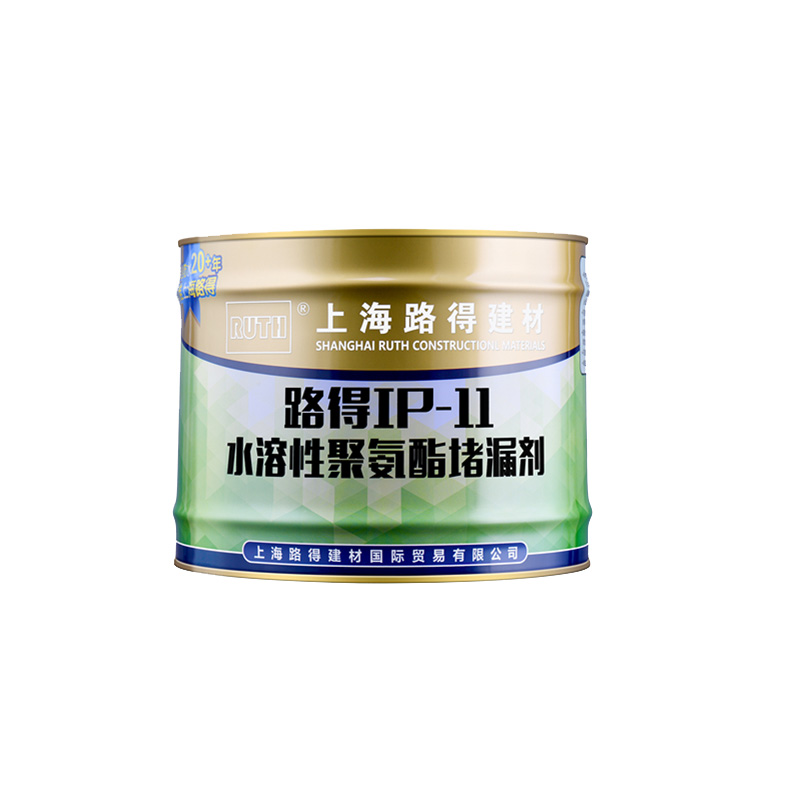
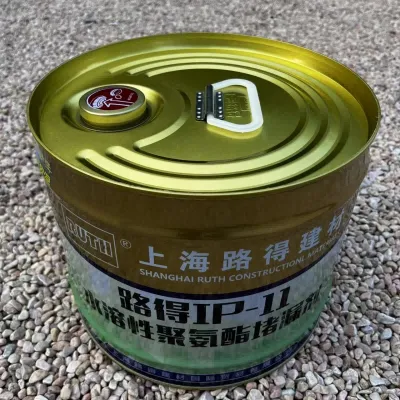
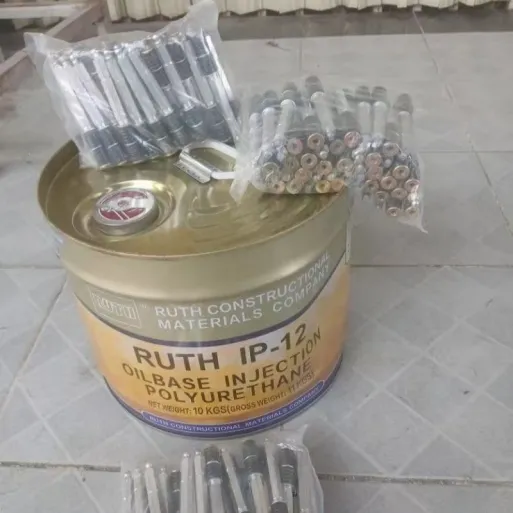
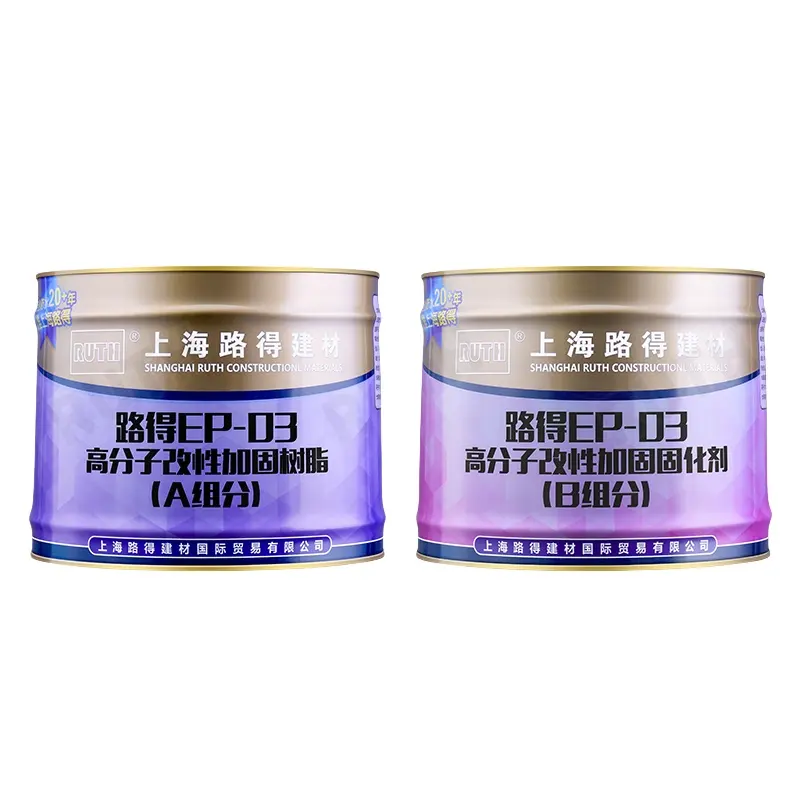
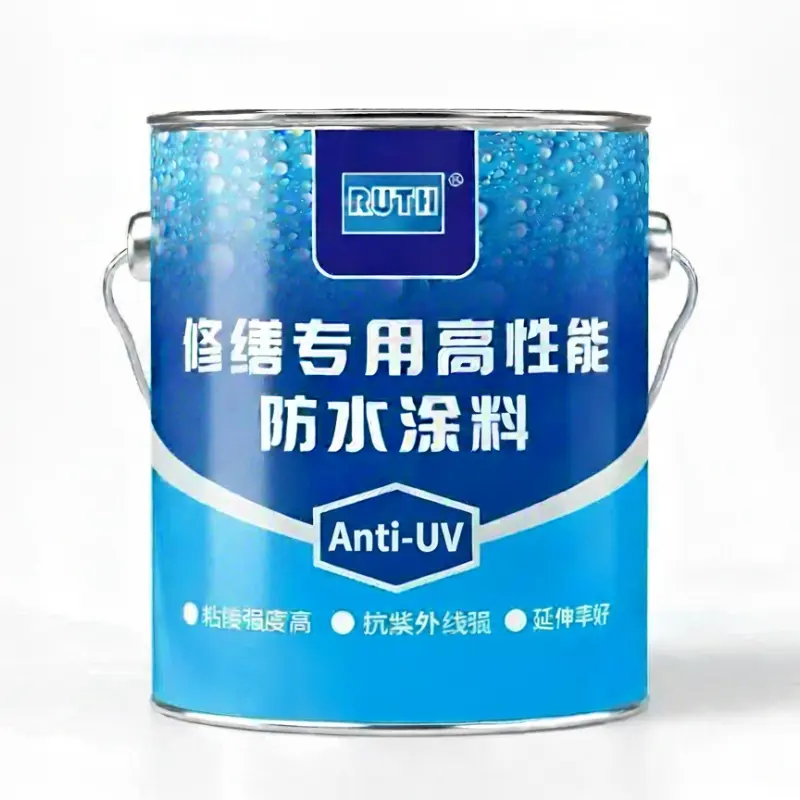
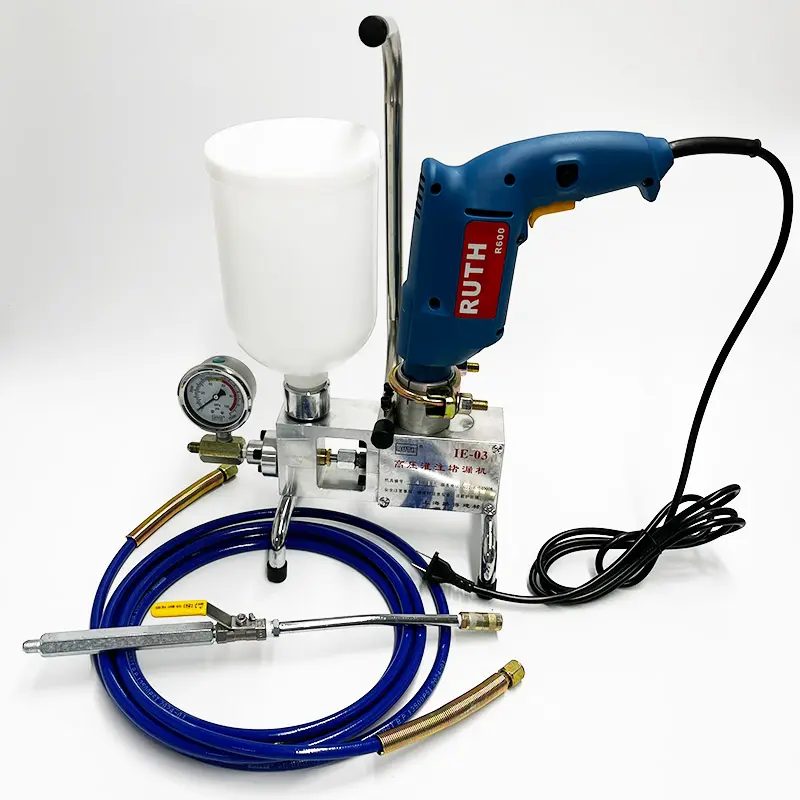
Hydrophobic polyurethane represents a breakthrough in polymer technology, engineered specifically to repel water while maintaining exceptional durability and flexibility. This advanced material combines the inherent strength of traditional polyurethane with specialized hydrophobic properties that create an effective barrier against moisture penetration. The hydrophobic polyurethane achieves its water-repelling characteristics through careful molecular engineering that modifies the surface energy of the polymer, resulting in contact angles that exceed 90 degrees with water droplets. The main functions of hydrophobic polyurethane include moisture protection, surface preservation, and enhanced longevity of substrates. Its technological features encompass superior adhesion properties, excellent chemical resistance, and remarkable elasticity that allows it to withstand thermal expansion and contraction without compromising its protective barrier. The material demonstrates outstanding UV stability, preventing degradation under prolonged sunlight exposure while maintaining its hydrophobic characteristics. Applications for hydrophobic polyurethane span numerous industries including construction, automotive, marine, textiles, and electronics. In construction applications, this material serves as an effective waterproofing solution for roofs, foundations, and exterior walls. The automotive industry utilizes hydrophobic polyurethane for protective coatings on various components, ensuring long-term performance in harsh environmental conditions. Marine applications benefit from its saltwater resistance and ability to prevent corrosion on metal surfaces. Textile manufacturers incorporate hydrophobic polyurethane into outdoor gear and sportswear to create breathable yet water-resistant fabrics. Electronics manufacturers rely on this material to protect sensitive components from moisture damage while maintaining operational efficiency. The versatility of hydrophobic polyurethane makes it an invaluable solution across multiple sectors where moisture control and surface protection are critical requirements.

New Product Recommendations

Hydrophobic polyurethane offers numerous compelling advantages that make it an superior choice for moisture protection and surface enhancement applications. The primary benefit lies in its exceptional water resistance capabilities, which actively repel moisture and prevent water absorption into underlying substrates. This water-repelling property significantly reduces the risk of structural damage, mold growth, and material deterioration that commonly occurs with conventional materials. The advanced formulation of hydrophobic polyurethane ensures long-lasting performance, often exceeding the lifespan of traditional protective coatings by several years. Users experience reduced maintenance costs because the material requires minimal upkeep while continuing to provide reliable protection against environmental elements. The flexibility and elasticity of hydrophobic polyurethane allow it to accommodate substrate movement without cracking or peeling, ensuring continuous protection even under challenging conditions. Installation proves remarkably straightforward, as the material adheres well to various surfaces including concrete, metal, wood, and synthetic materials without requiring extensive surface preparation. The chemical resistance properties protect against acids, alkalis, and other corrosive substances that might compromise lesser materials. Temperature stability represents another significant advantage, as hydrophobic polyurethane maintains its protective properties across a wide temperature range, from extreme cold to high heat conditions. The material provides excellent breathability, allowing trapped moisture to escape while preventing external water from entering, which helps maintain healthy indoor environments. Environmental benefits include reduced energy consumption due to improved insulation properties and decreased need for frequent replacements, contributing to sustainable building practices. The versatility of application methods allows for spray, brush, or roll-on application depending on project requirements and surface conditions. Cost-effectiveness becomes apparent through extended service life and reduced repair expenses, making hydrophobic polyurethane an economically sound investment. The material also offers enhanced aesthetic appeal by maintaining surface appearance and preventing unsightly water stains or discoloration. Safety considerations are well-addressed as many formulations contain low volatile organic compounds, supporting healthier indoor air quality. Quality assurance comes through consistent performance standards that meet or exceed industry specifications for waterproofing and surface protection applications.

Tips And Tricks

How Does Polyurethane Injection Adapt to Different Leak Conditions?

02

Feb

How Does Polyurethane Injection Adapt to Different Leak Conditions?

Water intrusion and structural leaks present persistent challenges across construction, infrastructure, and industrial sectors. Traditional repair methods often fall short when addressing complex leak scenarios, particularly in challenging environmen...
View More
How Do Large Projects Benefit from Hydrophobic Polyurethane Grouting?

16

Feb

How Do Large Projects Benefit from Hydrophobic Polyurethane Grouting?

Large-scale construction and infrastructure projects face numerous challenges when it comes to water infiltration and structural integrity. From underground tunnels and basements to industrial facilities and marine structures, preventing water damage...
View More
What Are Typical Applications of Hydrophobic Polyurethane in Infrastructure?

10

Mar

What Are Typical Applications of Hydrophobic Polyurethane in Infrastructure?

Infrastructure systems worldwide face constant challenges from water infiltration, soil movement, and environmental deterioration. Traditional waterproofing methods often fall short when dealing with complex underground conditions and dynamic structu...
View More
Why Is Hydrophobic Polyurethane Suitable for Permanent Waterproofing?

16

Mar

Why Is Hydrophobic Polyurethane Suitable for Permanent Waterproofing?

In the construction and infrastructure industry, achieving long-lasting waterproofing solutions remains a critical challenge for engineers and contractors worldwide. Traditional waterproofing methods often fall short when exposed to harsh environment...
View More

Get a Free Quote

Email
Name
Company Name
Message
0/1000

hydrophobic polyurethane

Superior Water Repulsion Technology

Superior Water Repulsion Technology

The advanced water repulsion technology incorporated into hydrophobic polyurethane represents a revolutionary approach to moisture management and surface protection. This cutting-edge technology functions through carefully engineered molecular structures that create an ultra-low surface energy coating, causing water to form tight beads that roll off surfaces rather than penetrating or adhering. The hydrophobic polyurethane achieves contact angles typically exceeding 120 degrees, which demonstrates exceptional water-repelling performance that surpasses conventional waterproofing materials. This superior water repulsion capability stems from the strategic arrangement of hydrophobic functional groups within the polymer matrix, creating a microscopic barrier that actively repels moisture molecules. The technology proves particularly valuable in environments where consistent water exposure poses significant challenges to material integrity and structural performance. Buildings treated with hydrophobic polyurethane experience dramatically reduced water infiltration, protecting against costly damage from freeze-thaw cycles, foundation settling, and internal moisture accumulation. The water repulsion properties remain stable over extended periods, maintaining effectiveness even after years of exposure to rain, snow, humidity, and temperature fluctuations. This technological advancement eliminates the need for frequent reapplication of protective coatings, resulting in substantial cost savings and reduced maintenance schedules. The hydrophobic polyurethane technology also provides self-cleaning benefits, as water droplets collect dirt and contaminants while rolling off surfaces, keeping treated areas cleaner with minimal manual intervention. Industrial applications benefit enormously from this technology, particularly in chemical processing facilities where moisture control directly impacts operational efficiency and equipment longevity. The superior water repulsion characteristics make hydrophobic polyurethane an ideal solution for protecting sensitive electronic equipment, preventing short circuits and corrosion that commonly result from moisture exposure. Marine environments present extreme challenges for protective coatings, yet the advanced water repulsion technology of hydrophobic polyurethane successfully withstands saltwater exposure, preventing corrosion and extending equipment service life significantly.
Exceptional Durability and Longevity

Exceptional Durability and Longevity

Exceptional durability and longevity distinguish hydrophobic polyurethane as a premium protective material that delivers outstanding value through extended service life and consistent performance. The robust molecular structure of hydrophobic polyurethane provides superior resistance to physical wear, chemical attack, and environmental degradation that commonly affects lesser protective materials. This exceptional durability results from cross-linked polymer chains that create a tough, resilient barrier capable of withstanding mechanical stress, abrasion, and impact without losing protective properties. The longevity of hydrophobic polyurethane coatings often exceeds fifteen to twenty years under normal conditions, significantly outperforming traditional waterproofing solutions that require replacement every three to five years. UV stability represents a critical component of this durability, as specialized additives prevent polymer degradation from prolonged sunlight exposure while maintaining hydrophobic characteristics throughout the material's service life. Thermal cycling resistance ensures that hydrophobic polyurethane maintains integrity through repeated expansion and contraction cycles that would cause cracking or delamination in rigid protective systems. The exceptional durability translates directly into cost-effectiveness, as reduced replacement frequency and minimal maintenance requirements result in lower total ownership costs compared to alternative solutions. Chemical resistance properties contribute significantly to longevity by preventing degradation from exposure to acids, bases, solvents, and other potentially damaging substances commonly encountered in industrial environments. The flexibility and elasticity of hydrophobic polyurethane allow it to accommodate substrate movement without compromising the protective barrier, ensuring continuous protection even in dynamic structural applications. Weather resistance capabilities enable hydrophobic polyurethane to maintain performance through extreme temperature variations, severe storms, and harsh climatic conditions that would rapidly degrade conventional materials. Quality control measures during manufacturing ensure consistent durability standards across all production batches, providing reliable performance expectations for project planning and lifecycle management. The proven longevity of hydrophobic polyurethane installations provides confidence for long-term infrastructure protection, making it an ideal choice for critical applications where failure consequences are severe and replacement access is difficult or expensive.
Versatile Application Methods and Compatibility

Versatile Application Methods and Compatibility

Versatile application methods and broad material compatibility make hydrophobic polyurethane an exceptionally adaptable solution for diverse protective coating requirements across multiple industries and project types. The flexibility in application techniques includes spray application for large surface areas, brush application for detailed work, and roller application for smooth, even coverage on flat surfaces. This versatility allows contractors and facility managers to select the most appropriate application method based on project specifications, surface conditions, and equipment availability. The hydrophobic polyurethane demonstrates excellent adhesion properties across numerous substrate materials including concrete, masonry, metal, wood, and various synthetic surfaces without requiring specialized primers or extensive surface preparation procedures. Temperature tolerance during application extends the working window, enabling installation in conditions ranging from cold weather to moderate heat without compromising final performance characteristics. The material's compatibility with existing protective systems allows for renovation projects where hydrophobic polyurethane can be applied over properly prepared existing coatings, reducing preparation time and project costs significantly. Spray application proves particularly efficient for large commercial and industrial projects, providing uniform coverage and penetration into surface irregularities while maintaining consistent thickness across the entire protected area. Brush application offers precise control for detail work around penetrations, corners, and complex geometric features where complete coverage is critical for maintaining waterproof integrity. The ability to apply hydrophobic polyurethane in multiple thin coats or single thick applications provides flexibility to match specific performance requirements and environmental conditions. Compatibility with various additives and colorants allows customization of properties such as texture, appearance, and specialized performance characteristics without compromising the fundamental hydrophobic properties. The material's forgiving nature during application helps ensure successful results even with varying skill levels, reducing the likelihood of application errors that could compromise protective performance. Quality control during application is simplified through visual indicators that confirm proper coverage and film formation, enabling real-time adjustments to application techniques. The versatile compatibility extends to maintenance and repair applications, where hydrophobic polyurethane can be easily spot-repaired or overcoated to extend service life without requiring complete system removal and replacement.

Get a Free Quote

Email
Name
Company Name
Message
0/1000
Newsletter
Please Leave A Message With Us