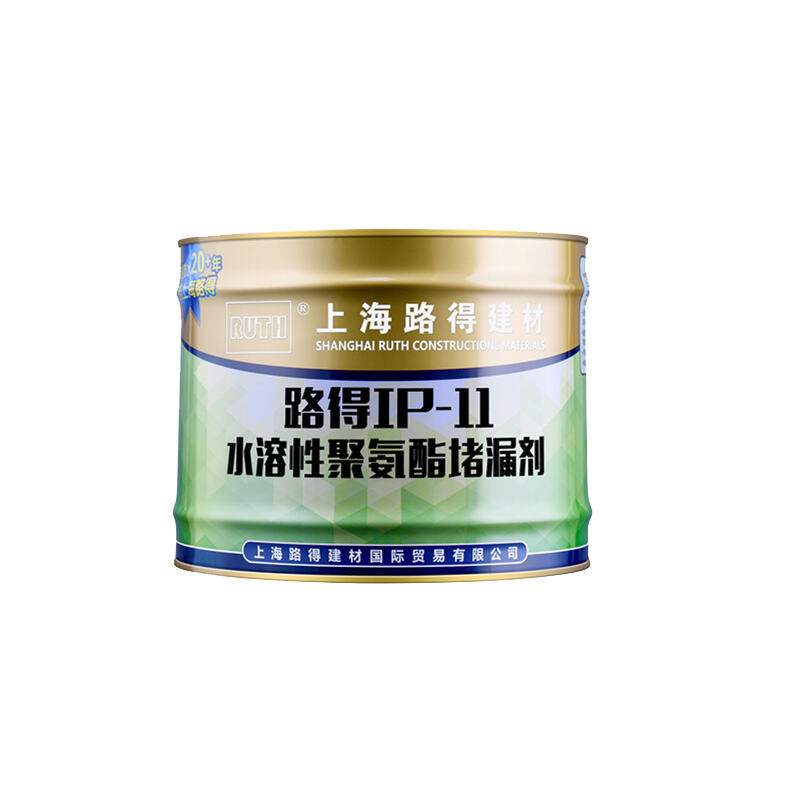
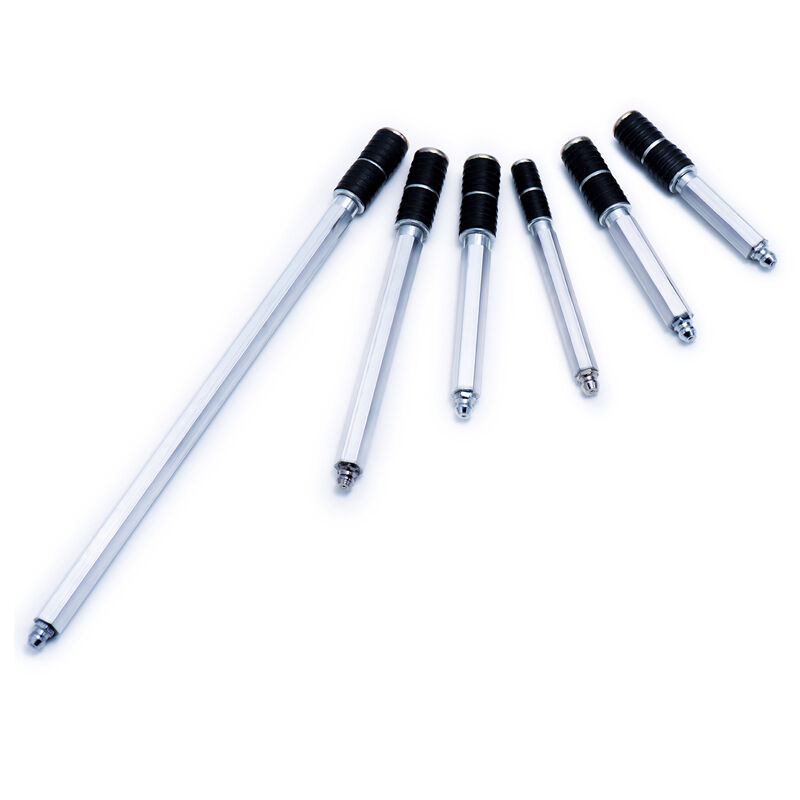
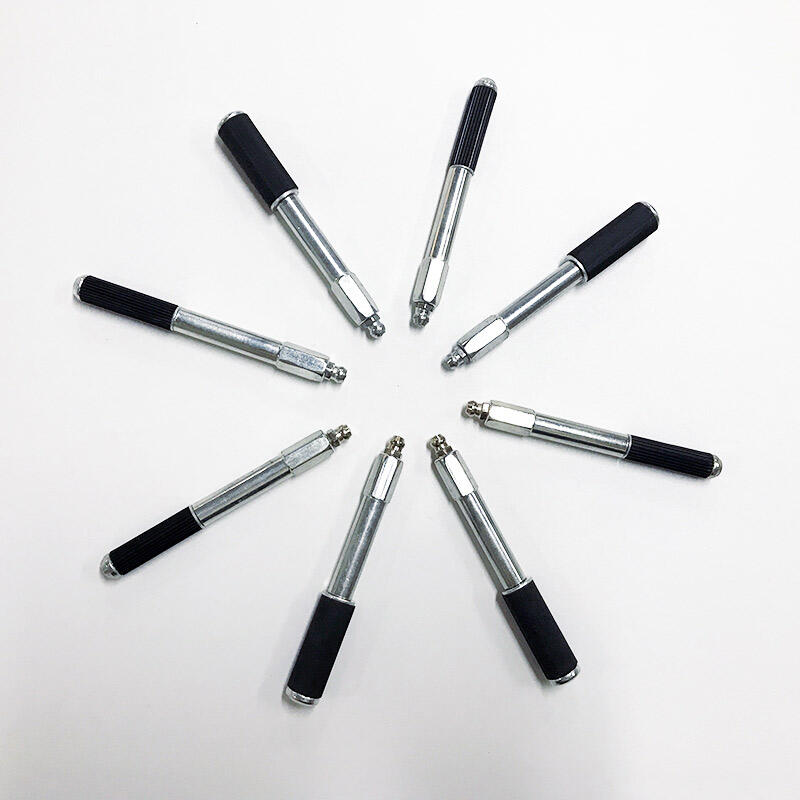
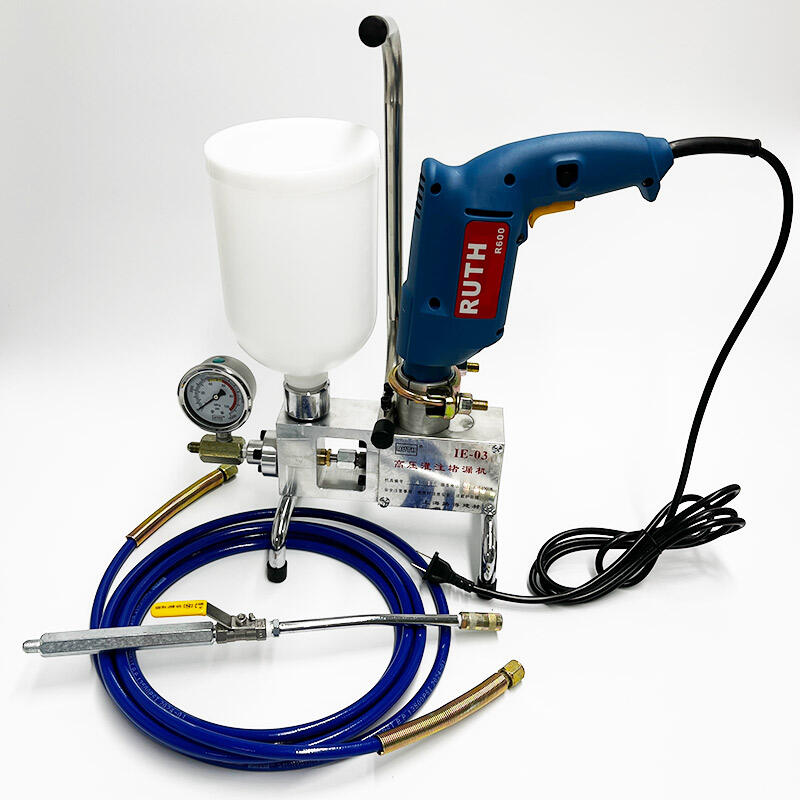
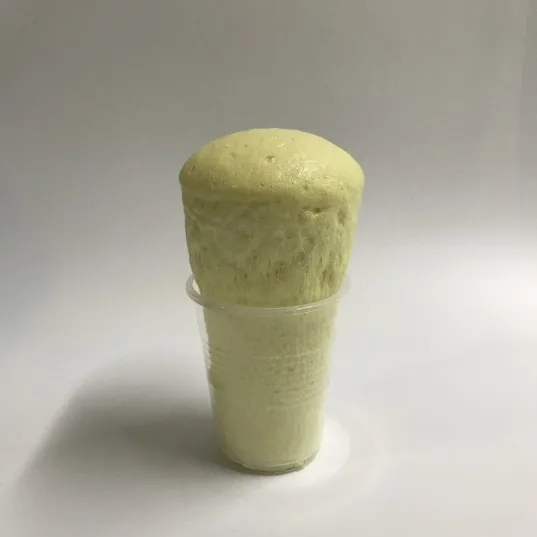
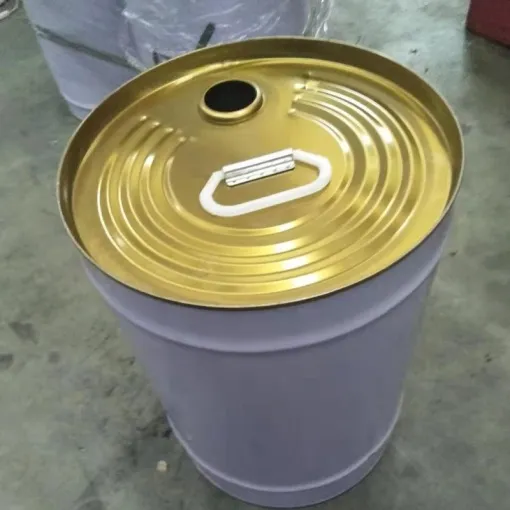
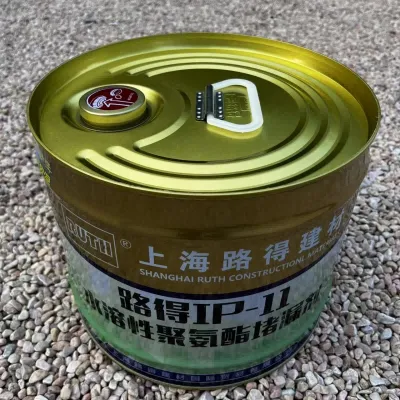
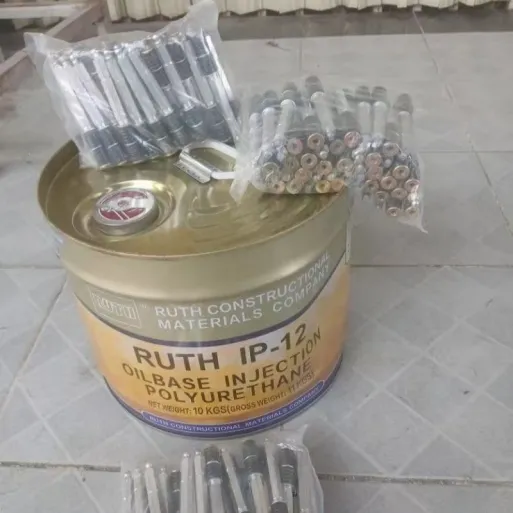
hydrophobic na urethane grout
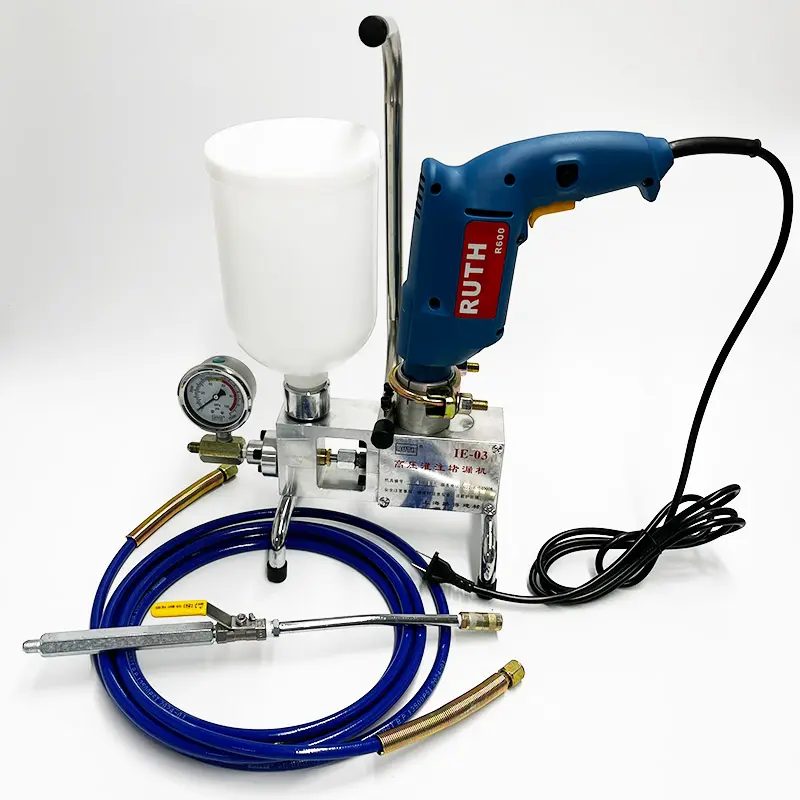
Ang hydrophobic urethane grout ay kumakatawan sa isang napakahusay na pag-unlad sa mga materyales para sa konstruksyon at pangangalaga, na partikular na idinisenyo upang magbigay ng labis na resistensya sa tubig at kahusayan sa istruktura. Ang espesyalisadong solusyon sa grouting na ito ay nagpapagsama ng likas na fleksibilidad ng mga polymer na urethane kasama ang mga advanced na hydrophobic na katangian, na lumilikha ng protektibong hadlang na tumutulak sa tubig at kahalumigmigan habang pinapanatili ang mahusay na kakayahang magdikit. Ang pangunahing tungkulin ng hydrophobic urethane grout ay ang pagse-seal sa mga hiwa, pukyawan, at puwang sa iba’t ibang aplikasyon sa konstruksyon kung saan ang pagsusupling ng tubig ay nagdudulot ng malubhang panganib sa integridad at haba ng buhay ng istruktura. Hindi tulad ng tradisyonal na grout na batay sa semento, ang inobatibong materyal na ito ay nag-aalok ng mas mataas na antas ng fleksibilidad, na nagpapahintulot dito na umangkop sa thermal expansion at contraction nang hindi nawawala ang kanyang mga katangian sa pagse-seal. Ang mga teknolohikal na katangian ng hydrophobic urethane grout ay kinabibilangan ng kanyang natatanging molecular na istruktura na lumilikha ng isang impermeable na membrane kapag natuyo na, na epektibong pinipigilan ang pagsusupling ng tubig habang pinapanatili ang kakayahang huminga upang mapalaya ang nakakulong na kahalumigmigan. Ang mekanismong may dalawang aksyon na ito ay pinipigilan ang pagbuo ng hydrostatic pressure na maaaring magdulot ng pinsala sa istruktura sa paglipas ng panahon. Nagpapakita ang materyal ng mahusay na adhesion sa iba’t ibang uri ng substrate tulad ng kongkreto, masonry, metal, at composite surfaces. Ang kanyang komposisyong kemikal ay nagbibigay ng resistensya sa freeze-thaw cycles, UV radiation, at eksposur sa kemikal, na ginagawa itong angkop para sa parehong interior at exterior na aplikasyon. Ang proseso ng pagkatuyo ay kasali ang isang reaksyon na kemikal na nagbabago sa likido na grout patungo sa isang matibay at elastikong solidong anyo na pinapanatili ang kanyang mga katangian sa loob ng isang malawak na saklaw ng temperatura. Ang mga aplikasyon ng hydrophobic urethane grout ay sumasaklaw sa maraming industriya at uri ng proyekto, mula sa waterproofing sa basement ng tirahan at pag-install sa banyo hanggang sa pagse-seal ng building envelope sa komersyal na gusali at mga proyektong pang-repair ng imprastraktura. Sa konstruksyon at renovasyon ng swimming pool, ang grout na ito ay nagbibigay ng mahalagang waterproofing habang binibigyan din ng pook ang galaw ng istruktura. Lubos na kapaki-pakinabang ang materyal na ito sa pagre-renew ng mga historic na gusali kung saan ang pagpapanatili ng orihinal na aesthetics kasama ang pagpapabuti ng resistensya sa tubig ay nananatiling napakahalaga. Kasama sa mga industrial na aplikasyon ang mga chemical processing facility, water treatment plant, at marine structures kung saan ang matitinding kondisyon ng kapaligiran ay nangangailangan ng labis na antas ng performance.

 EN
EN