Professional Urethane Grout Injection Services - Advanced Waterproofing & Structural Repair Solutions

Get a Free Quote

Email
Name
Company Name
Message
0/1000

urethane grout injection

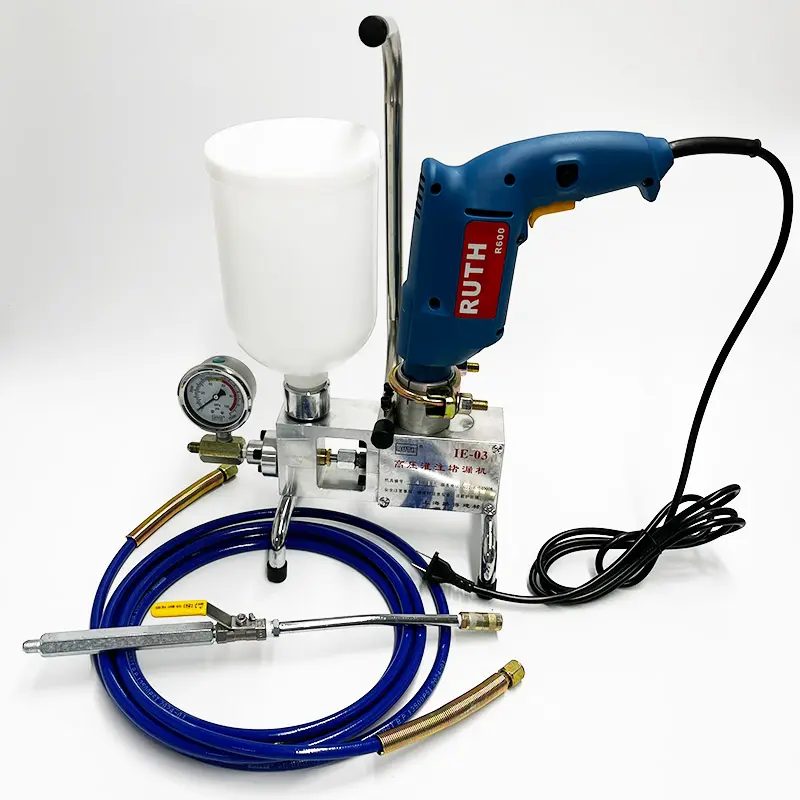
Urethane grout injection represents a cutting-edge solution for sealing and strengthening structural elements in construction and infrastructure projects. This advanced chemical grouting technique involves injecting specialized urethane-based materials into cracks, voids, and gaps within concrete structures, masonry, and other building materials. The primary function of urethane grout injection is to create a waterproof barrier while simultaneously reinforcing weakened areas of structures. The technology operates through a unique chemical reaction process where the urethane material expands and hardens upon contact with water or moisture, creating an impermeable seal that prevents further deterioration. The technological features of urethane grout injection include its exceptional penetration capabilities, allowing the material to flow into hairline cracks as narrow as 0.1mm. The injection process utilizes specialized equipment that can control pressure and flow rate precisely, ensuring optimal distribution throughout the target area. Modern urethane grout injection systems feature advanced mixing technology that combines multiple components to achieve the desired consistency and curing characteristics. The applications for urethane grout injection span across numerous industries and project types. In foundation repair, this technology addresses settlement cracks and prevents water infiltration that could compromise structural integrity. Tunnel construction benefits significantly from urethane grout injection for waterproofing and stabilization purposes. Bridge maintenance programs frequently incorporate this method to seal expansion joints and prevent corrosion of reinforcing steel. Underground parking garages, basements, and subway systems rely on urethane grout injection to maintain dry conditions and prevent structural damage from persistent moisture exposure. Mining operations utilize this technology to stabilize rock formations and control groundwater seepage. The versatility of urethane grout injection makes it suitable for both emergency repairs and preventive maintenance applications across residential, commercial, and industrial sectors.

New Product Recommendations

The advantages of urethane grout injection make it an exceptional choice for construction professionals seeking reliable and long-lasting structural solutions. This innovative method delivers superior waterproofing performance that surpasses traditional repair techniques by creating a flexible yet durable barrier against moisture intrusion. The urethane material maintains its integrity under various environmental conditions, including temperature fluctuations, chemical exposure, and mechanical stress. One significant advantage lies in the rapid curing time of urethane grout injection, which allows projects to resume normal operations quickly. Unlike conventional repair methods that may require days or weeks to cure completely, urethane grout injection typically sets within hours, minimizing downtime and reducing project costs. The injection process requires minimal excavation or demolition, making it a cost-effective alternative to extensive structural repairs. This approach preserves the existing structure while addressing underlying problems, resulting in substantial savings on labor and materials. The precision application capability of urethane grout injection ensures targeted treatment of problem areas without affecting surrounding structures. Professional technicians can inject the material exactly where needed, reducing waste and maximizing effectiveness. The technology accommodates various injection pressures and volumes, allowing customization based on specific project requirements and structural conditions. Another compelling advantage involves the environmental friendliness of modern urethane grout injection systems. Many formulations contain low volatile organic compounds and comply with stringent environmental regulations. The reduced need for extensive excavation also minimizes disruption to surrounding areas and reduces the environmental footprint of repair projects. The longevity of urethane grout injection repairs provides excellent return on investment for property owners and facility managers. Properly executed treatments can last decades without requiring maintenance or reapplication. This durability stems from the chemical resistance properties of urethane materials, which withstand degradation from common environmental factors such as freeze-thaw cycles, chemical exposure, and mechanical wear. The flexibility of cured urethane allows it to accommodate structural movement without cracking or losing its sealing properties, ensuring continued protection throughout the structure's lifespan.

Latest News

How Does Polyurethane Injection Adapt to Different Leak Conditions?

02

Feb

How Does Polyurethane Injection Adapt to Different Leak Conditions?

Water intrusion and structural leaks present persistent challenges across construction, infrastructure, and industrial sectors. Traditional repair methods often fall short when addressing complex leak scenarios, particularly in challenging environmen...
View More
What Are the Key Advantages of Polyurea Grout in Infrastructure Repair?

10

Feb

What Are the Key Advantages of Polyurea Grout in Infrastructure Repair?

Infrastructure repair and maintenance represent critical challenges in modern construction and civil engineering. Among the numerous materials available for structural restoration, polyurea grout has emerged as a revolutionary solution that addresses...
View More
How Does Hydrophobic Polyurethane Prevent Water Penetration After Curing?

13

Feb

How Does Hydrophobic Polyurethane Prevent Water Penetration After Curing?

Construction and industrial applications face constant challenges from water infiltration, making waterproofing solutions critical for structural integrity and longevity. Hydrophobic polyurethane has emerged as a revolutionary material that transform...
View More
How Do Large Projects Benefit from Hydrophobic Polyurethane Grouting?

16

Feb

How Do Large Projects Benefit from Hydrophobic Polyurethane Grouting?

Large-scale construction and infrastructure projects face numerous challenges when it comes to water infiltration and structural integrity. From underground tunnels and basements to industrial facilities and marine structures, preventing water damage...
View More

Get a Free Quote

Email
Name
Company Name
Message
0/1000

urethane grout injection

Advanced Chemical Resistance and Durability

Advanced Chemical Resistance and Durability

The chemical resistance properties of urethane grout injection set it apart from alternative repair methods, making it the preferred choice for structures exposed to harsh environmental conditions. This exceptional resistance stems from the molecular structure of polyurethane compounds, which form strong cross-linked networks that resist degradation from acids, alkalis, salts, and organic solvents commonly encountered in industrial and marine environments. The urethane grout injection material maintains its physical properties even when subjected to aggressive chemicals, ensuring long-term performance in challenging applications such as wastewater treatment facilities, chemical processing plants, and coastal structures. The durability advantage extends beyond chemical resistance to include remarkable mechanical properties that enable the material to withstand significant structural stresses without failure. When properly applied, urethane grout injection creates a flexible yet strong seal that accommodates building movement, thermal expansion, and settling without compromising its integrity. This flexibility proves crucial in dynamic environments where rigid materials would crack or separate over time. The material's ability to bond securely to various substrates, including concrete, steel, and masonry, creates a monolithic seal that effectively prevents water infiltration and structural deterioration. Temperature stability represents another critical aspect of the chemical resistance profile, as urethane grout injection maintains its sealing properties across a wide temperature range, typically from -40°F to 200°F. This thermal stability ensures reliable performance in both extreme cold and elevated temperature conditions, making it suitable for applications ranging from frozen food storage facilities to industrial process environments. The UV resistance properties of specialized urethane formulations protect against degradation from sunlight exposure, extending the service life of repairs in outdoor applications. Testing protocols have demonstrated that properly formulated urethane grout injection materials can maintain their essential properties for decades, even under continuous exposure to challenging environmental conditions. This longevity translates directly into reduced maintenance costs and improved structural reliability for facility owners and operators.
Precision Application and Minimal Disruption

Precision Application and Minimal Disruption

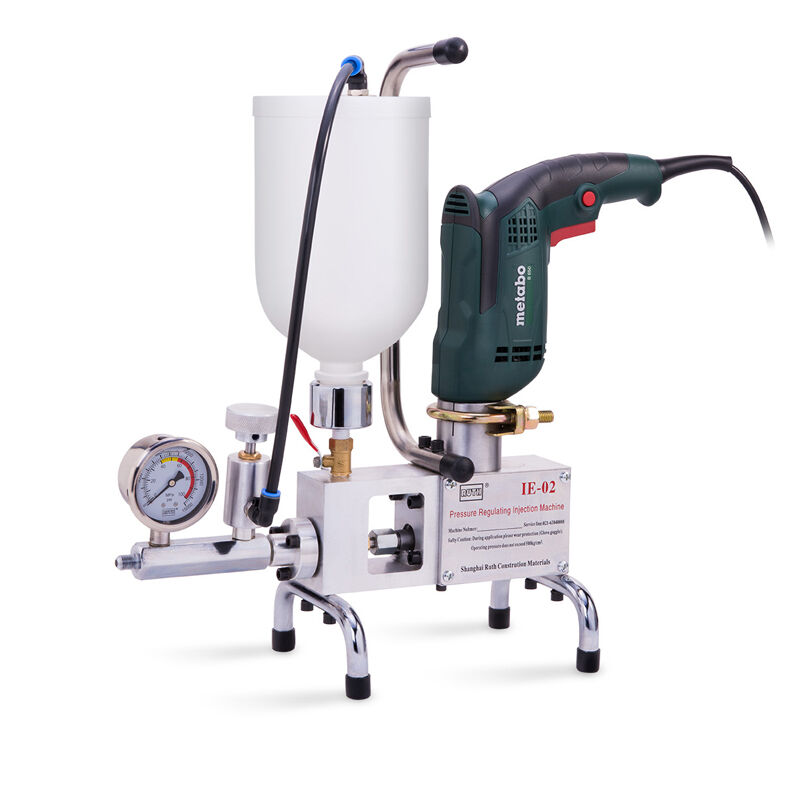
The precision application capabilities of urethane grout injection technology revolutionize how construction professionals approach structural repairs by enabling targeted treatment with minimal disruption to ongoing operations. This sophisticated injection system utilizes specialized equipment that can control flow rate, pressure, and injection volume with remarkable accuracy, ensuring optimal material placement in even the most challenging locations. The precision control allows technicians to adjust injection parameters in real-time based on structural feedback and material behavior, optimizing the repair process for each unique situation. The minimal disruption advantage becomes particularly valuable in occupied buildings, operational facilities, and infrastructure systems where traditional repair methods would cause significant interruptions. Unlike conventional approaches that often require extensive demolition, scaffolding, or temporary closures, urethane grout injection can typically be performed through small access holes, allowing surrounding areas to remain functional throughout the repair process. This characteristic proves especially beneficial in hospitals, data centers, manufacturing facilities, and transportation systems where operational continuity is critical. The injection process generates minimal noise, dust, and debris compared to mechanical repair methods, making it suitable for sensitive environments and occupied spaces. The ability to work from the interior of structures eliminates the need for expensive exterior access equipment in many cases, reducing project costs and safety risks associated with working at height. The precision application extends to the molecular level, where the urethane material flows into micro-cracks and voids that would be impossible to address using traditional repair techniques. This thorough penetration ensures comprehensive sealing and strengthening of the entire affected area, not just the visible surface defects. The controlled injection process allows for real-time monitoring of material distribution, enabling technicians to verify complete coverage and adjust techniques as needed. Quality assurance measures integrated into modern urethane grout injection systems include pressure monitoring, flow measurement, and visual confirmation of material placement, ensuring consistent results across all project phases. The reduced footprint of injection equipment allows work to proceed in confined spaces and areas with limited access, expanding the range of applications where this technology can be successfully implemented.
Exceptional Waterproofing Performance and Structural Enhancement

Exceptional Waterproofing Performance and Structural Enhancement

The waterproofing performance of urethane grout injection surpasses traditional sealing methods by creating a comprehensive barrier system that adapts to structural movement while maintaining complete moisture protection. This exceptional performance results from the unique properties of urethane chemistry, which forms both mechanical and chemical bonds with substrate materials, creating an integrated waterproofing system rather than a simple surface coating. The material's hydrophobic characteristics ensure that water cannot penetrate the treated area, while its flexibility accommodates structural movement without compromising the seal integrity. The expansion properties of certain urethane grout injection formulations provide additional waterproofing benefits by actively sealing against water pressure, making them particularly effective for below-grade applications and structures subject to hydrostatic pressure. The structural enhancement aspect of urethane grout injection extends beyond simple void filling to include genuine strengthening of damaged structural elements. When injected into cracked concrete or masonry, the urethane material creates a composite system that can restore or even exceed the original structural capacity of the damaged area. The material's excellent adhesion properties ensure load transfer between the urethane and substrate, creating a monolithic repair that functions as an integral part of the structure. This structural integration proves particularly valuable in foundation repairs, where the enhanced load-bearing capacity can address underlying settlement issues while providing long-term stability. The waterproofing effectiveness remains consistent across various environmental conditions, including freeze-thaw cycles, chemical exposure, and mechanical stress, ensuring reliable performance throughout the structure's service life. Laboratory testing has demonstrated that properly applied urethane grout injection can withstand hydrostatic pressures exceeding 100 psi while maintaining complete water resistance. Field performance data from decades of successful applications confirms the long-term reliability of this technology in demanding environments. The combination of waterproofing and structural enhancement creates synergistic benefits where the prevention of water infiltration protects reinforcing steel from corrosion, while the structural strengthening helps prevent future cracking that could compromise the waterproof seal. This dual functionality makes urethane grout injection an exceptionally cost-effective solution for comprehensive structural rehabilitation projects.

Get a Free Quote

Email
Name
Company Name
Message
0/1000
Newsletter
Please Leave A Message With Us