
 EN
EN



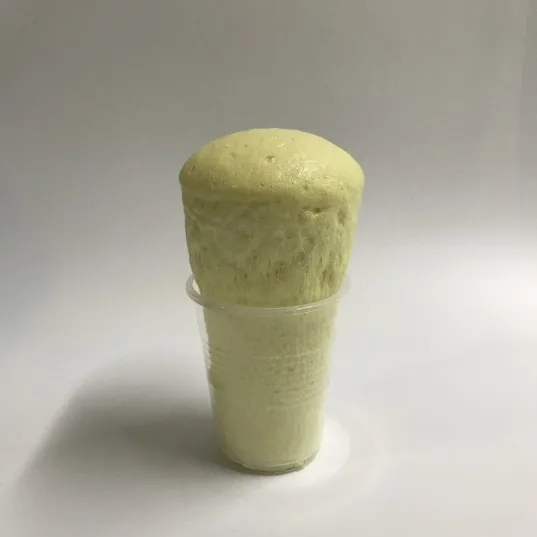
Understanding the injection requirements for hydrophobic polyurethane materials is crucial for successful waterproofing and structural repair applications. These specialized materials offer exceptional resistance to water penetration while maintaining flexibility and durability in challenging environments. The proper injection techniques and requirements ensure optimal performance and long-lasting results in concrete crack sealing, joint waterproofing, and foundation repair projects.
Material Properties and Injection Characteristics
Viscosity and Flow Behavior
The injection requirements for hydrophobic polyurethane depend significantly on the material's viscosity characteristics. Most hydrophobic polyurethane formulations exhibit low to medium viscosity, typically ranging from 100 to 800 centipoises at room temperature. This viscosity range allows for effective penetration into fine cracks while maintaining sufficient body to prevent excessive bleeding or run-off during the injection process.
Temperature plays a critical role in determining the optimal injection parameters for hydrophobic polyurethane materials. As temperature increases, viscosity decreases, making the material more flowable but potentially reducing its ability to stay in place during curing. Conversely, lower temperatures increase viscosity, which may require higher injection pressures to achieve adequate penetration into substrate cracks and voids.
Reaction Time and Working Life
The working life of hydrophobic polyurethane materials varies considerably based on formulation, temperature, and moisture content in the substrate. Most professional-grade formulations provide a working time of 15 to 45 minutes at standard conditions, allowing sufficient time for proper injection and distribution. Understanding these reaction kinetics is essential for determining appropriate injection rates and equipment requirements.
Moisture reactivity represents a unique characteristic of hydrophobic polyurethane systems. Unlike traditional polyurethane materials, hydrophobic formulations are specifically designed to maintain their properties in wet conditions. However, excessive moisture can still affect reaction rates and final mechanical properties, making proper substrate preparation and injection timing critical for success.
Injection Equipment and Pressure Requirements
Pump Selection and Pressure Capabilities
Successful injection of hydrophobic polyurethane requires specialized equipment capable of maintaining consistent pressure and flow rates. High-pressure injection pumps with pressure capabilities ranging from 500 to 3000 PSI are typically required for most applications. The specific pressure requirements depend on crack width, substrate density, and penetration depth requirements.
Positive displacement pumps are generally preferred for hydrophobic polyurethane injection due to their ability to maintain consistent flow rates regardless of back pressure. These pumps provide precise control over injection rates, which is crucial for preventing material waste and ensuring complete crack filling. Proper pump selection also considers the material's thixotropic properties and potential for shear thinning during pumping operations.
Injection Hardware and Accessories
The injection hardware requirements for hydrophobic polyurethane include specialized injection ports, surface sealing compounds, and flexible delivery hoses. Injection ports must be designed to withstand the required injection pressures while providing reliable sealing against the substrate surface. Port spacing typically ranges from 6 to 18 inches, depending on crack geometry and material flow characteristics.
Surface preparation and sealing represent critical aspects of the injection process for hydrophobic polyurethane applications. The substrate surface must be clean and free from loose debris, oil, or other contaminants that could interfere with proper sealing. Temporary surface sealing compounds help direct the hydrophobic polyurethane material into the intended cracks rather than allowing surface bleeding.
Substrate Preparation and Environmental Considerations
Surface Cleaning and Crack Assessment
Proper substrate preparation forms the foundation for successful hydrophobic polyurethane injection. Surface cleaning involves removing all loose concrete, dust, oil, and other contaminants that could interfere with material adhesion or injection effectiveness. Mechanical cleaning methods such as wire brushing, grinding, or high-pressure water cleaning are typically employed depending on the substrate condition and contamination level.
Crack assessment and mapping are essential steps in determining injection requirements for hydrophobic polyurethane applications. This process involves measuring crack widths, depths, and lengths to calculate material quantities and establish appropriate injection sequences. Active versus dormant cracks require different injection strategies, with active cracks often requiring flexible sealant properties that hydrophobic polyurethane formulations can provide.
Moisture Content Management
While hydrophobic polyurethane materials are designed to perform in wet conditions, excessive moisture can still impact injection effectiveness and final performance. Substrate moisture content should be assessed and managed to optimize material performance. Standing water should be removed, although damp conditions are typically acceptable and may even enhance certain hydrophobic polyurethane formulations.
Environmental conditions during injection significantly influence the performance of hydrophobic polyurethane materials. Temperature extremes, high humidity, and wind conditions can all affect material handling, reaction rates, and final properties. Optimal injection conditions typically occur within temperature ranges of 40 to 85 degrees Fahrenheit with relative humidity below 80 percent.
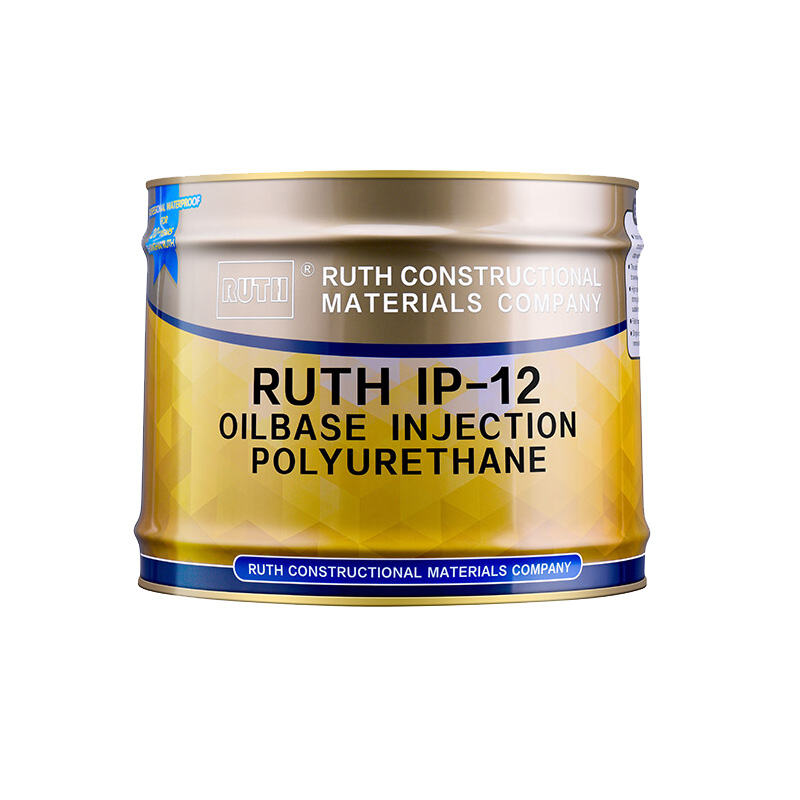
Injection Procedures and Quality Control
Systematic Injection Methodology
The injection procedure for hydrophobic polyurethane follows a systematic approach beginning with the lowest elevation injection points and progressing upward. This bottom-up injection strategy ensures complete filling and prevents air entrapment within the crack system. Injection rates should be controlled to allow proper material distribution without creating excessive back pressure or material waste.
Monitoring injection progress involves observing material emergence from adjacent injection ports or surface seepage points. When hydrophobic polyurethane material appears at the next injection point in sequence, the current injection point can be sealed and injection moved to the next location. This systematic approach ensures complete crack filling and optimal material distribution throughout the repair zone.
Quality Assurance and Testing
Quality control measures for hydrophobic polyurethane injection include visual inspection, adhesion testing, and long-term performance monitoring. Visual inspection during and after injection helps identify potential issues such as incomplete filling, surface bleeding, or material segregation. Adhesion testing may involve pull-off tests or other mechanical evaluation methods appropriate for the specific application.
Documentation requirements for hydrophobic polyurethane injection projects typically include material batch records, environmental conditions, injection pressures, and visual inspection results. This documentation provides valuable information for future maintenance planning and helps establish performance baselines for similar applications. Regular follow-up inspections help verify long-term performance and identify any maintenance requirements.
Common Applications and Performance Expectations
Structural Waterproofing Applications
Hydrophobic polyurethane materials excel in structural waterproofing applications where traditional methods may fail due to hydrostatic pressure or substrate movement. These materials provide excellent adhesion to concrete, masonry, and metal substrates while maintaining flexibility to accommodate structural movement. Common applications include basement waterproofing, tunnel sealing, and below-grade structure protection.
The injection requirements for structural waterproofing with hydrophobic polyurethane typically involve higher pressures and more extensive surface preparation compared to simple crack sealing applications. Multiple injection passes may be required to achieve complete penetration in thick sections or highly fractured substrates. Performance expectations include immediate water cutoff and long-term durability in wet environments.
Infrastructure Repair and Maintenance
Infrastructure applications for hydrophobic polyurethane injection include bridge deck repairs, parking structure waterproofing, and industrial facility maintenance. These applications often involve challenging access conditions and stringent performance requirements that make proper injection technique critical for success. Material selection and injection parameters must be carefully matched to specific exposure conditions and performance expectations.
Long-term performance of hydrophobic polyurethane in infrastructure applications depends on proper material selection, injection technique, and ongoing maintenance. These materials typically provide service lives of 15 to 25 years when properly installed and maintained. Regular inspection and preventive maintenance help maximize performance and identify potential issues before they become major problems.
Troubleshooting Common Injection Issues
Material Flow and Pressure Problems
Common injection problems with hydrophobic polyurethane include insufficient material flow, excessive back pressure, and premature curing. Insufficient flow may result from equipment malfunction, material viscosity issues, or blocked injection ports. Regular equipment maintenance and material quality control help prevent these issues and ensure consistent injection performance.
Excessive back pressure during hydrophobic polyurethane injection may indicate substrate resistance, equipment problems, or improper injection technique. Troubleshooting involves checking equipment settings, verifying crack continuity, and adjusting injection rates or pressures as needed. Systematic problem-solving approaches help identify root causes and implement effective solutions.
Adhesion and Performance Issues
Adhesion problems with hydrophobic polyurethane can result from inadequate surface preparation, contamination, or improper material handling. Prevention involves thorough substrate preparation, proper material storage and handling, and adherence to manufacturer recommendations. When adhesion problems occur, investigation of root causes helps prevent similar issues in future applications.
Performance issues such as continued leakage or material degradation require systematic investigation to identify contributing factors. Common causes include incomplete injection, material quality issues, or exposure conditions exceeding design parameters. Proper documentation and follow-up inspection help identify patterns and improve future injection procedures for hydrophobic polyurethane applications.
FAQ
What pressure is required for injecting hydrophobic polyurethane materials
Injection pressures for hydrophobic polyurethane typically range from 500 to 3000 PSI, depending on crack width, substrate density, and penetration requirements. Narrow cracks may require higher pressures to achieve adequate penetration, while wider openings can often be filled at lower pressures. The specific pressure should be determined based on material specifications and field testing to ensure optimal results without damaging the substrate.
How long does hydrophobic polyurethane take to cure after injection
Curing time for hydrophobic polyurethane varies with temperature, humidity, and material formulation, typically ranging from 2 to 24 hours for initial set and up to 7 days for full cure. Higher temperatures and moisture content generally accelerate curing, while cold or dry conditions may extend cure times. The material reaches sufficient strength for light loading within 2-4 hours under normal conditions, but full structural properties develop over several days.
Can hydrophobic polyurethane be injected in wet conditions
Yes, hydrophobic polyurethane is specifically designed for injection in wet conditions and actually performs better in the presence of moisture compared to dry substrates. However, standing water should be removed before injection to prevent dilution and ensure proper material placement. The hydrophobic properties allow the material to displace water and form effective seals even in actively leaking cracks, making it ideal for emergency repairs and below-grade waterproofing applications.
What equipment maintenance is required for hydrophobic polyurethane injection
Regular equipment maintenance for hydrophobic polyurethane injection includes cleaning all material contact surfaces with appropriate solvents, replacing seals and gaskets as needed, and calibrating pressure gauges and flow meters. Pumps should be flushed thoroughly after each use to prevent material buildup and curing within the equipment. Monthly maintenance should include lubrication of moving parts, inspection of hoses and fittings, and testing of pressure relief systems to ensure safe and reliable operation.