
 EN
EN



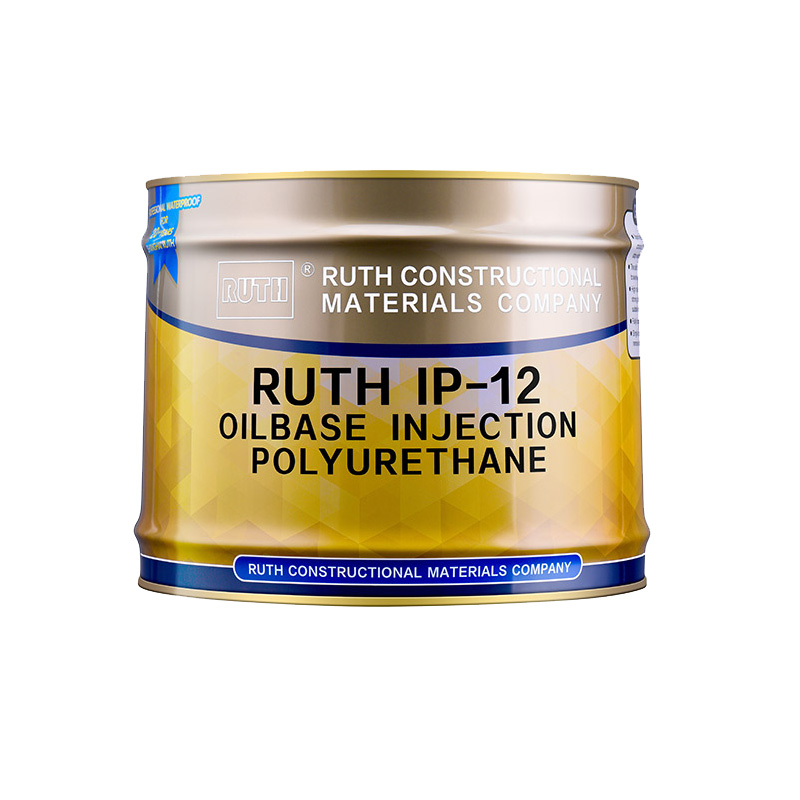
Professional grouting contractors face demanding conditions daily, from underground water infiltration to structural movement in concrete, masonry, and soil formations. The materials they choose must deliver reliable performance across diverse environments, often under extreme pressure and in the presence of aggressive groundwater. Among the various chemical grouting solutions available, polyurethane grout has emerged as the preferred choice for professionals who require fast-reacting, flexible, and durable sealing systems. This preference is not arbitrary—it reflects decades of field experience, comparative performance data, and the unique chemical properties that make polyurethane grout exceptionally well-suited to the challenges contractors encounter in foundation repair, tunnel construction, mining operations, and infrastructure rehabilitation.
Understanding why professional contractors consistently select polyurethane grout requires examining both the material science behind these formulations and the practical realities of commercial grouting operations. Unlike traditional cement-based grouts or even some alternative chemical grouts, polyurethane grout offers a combination of rapid cure times, mechanical flexibility, and chemical resistance that directly addresses the most common failure modes in water control and ground stabilization applications. This article explores the specific technical advantages, operational benefits, and economic factors that have established polyurethane grout as an industry standard among experienced grouting professionals working across construction, civil engineering, and geotechnical disciplines.
Superior Performance Characteristics That Drive Professional Adoption
Rapid Reaction and Cure Time for Operational Efficiency
One of the most compelling reasons professional contractors favor polyurethane grout is its exceptionally fast reaction time, which directly translates to project efficiency and cost savings. When water contacts polyurethane grout formulations, the chemical reaction begins within seconds, with full cure typically achieved in minutes rather than hours or days. This rapid set time allows contractors to move quickly through sequential injection points, complete projects faster, and reduce labor costs significantly compared to slower-curing alternatives. In emergency repair situations, such as active water leaks in occupied buildings or critical infrastructure, the ability to achieve immediate water cutoff can prevent extensive secondary damage and minimize disruption to operations.
The reaction speed of polyurethane grout also provides tactical advantages in challenging geological conditions. When injecting into moving groundwater or highly permeable soils, slow-curing materials may wash away or dilute before achieving structural integrity. Polyurethane grout formulations react with water itself, forming a stable foam or solid gel that resists washout even under flowing conditions. Professional grouting contractors working in fractured rock, gravel formations, or karst geology particularly value this characteristic, as it enables successful treatment of conditions where cement grouts would simply be lost to the formation. The material's ability to expand during curing—typically between three and twenty times its liquid volume depending on formulation—further enhances its effectiveness in filling voids and creating positive seals against active water pressure.
Mechanical Flexibility and Movement Accommodation
Unlike rigid cement-based grouts that crack under structural movement or thermal cycling, cured polyurethane grout retains significant elasticity and flexibility. This mechanical property is critical in applications where the substrate experiences ongoing movement, settlement, vibration, or thermal expansion and contraction. Professional contractors recognize that many structures—particularly transportation infrastructure, mining facilities, and buildings on expansive soils—will continue to move throughout their service lives. A grouting material that cannot accommodate this movement will eventually fail, requiring costly remediation and damaging the contractor's reputation.
The flexibility of polyurethane grout allows it to maintain seal integrity across joints, cracks, and interfaces that experience differential movement. When properly formulated and applied, polyurethane grout can elongate substantially without tearing or separating from surrounding materials. This characteristic makes it especially valuable for sealing construction joints in concrete structures, expansion joints in parking decks and plazas, and interfaces between dissimilar materials. Contractors working on projects with stringent performance specifications often specify polyurethane grout precisely because building codes and engineering standards increasingly recognize the limitations of rigid grouting materials in dynamic structural environments. The material's resilience under cyclic loading conditions has been validated through extensive laboratory testing and decades of field performance data.
Chemical Resistance in Aggressive Environments
Professional grouting contractors frequently work in chemically aggressive environments where groundwater contains dissolved salts, acids, alkalis, or organic contaminants. Many grouting materials degrade when exposed to such conditions, leading to premature failure and the need for repeated interventions. Polyurethane grout exhibits excellent chemical resistance across a broad pH range and maintains its physical properties even when continuously exposed to many common groundwater contaminants, petroleum products, and industrial chemicals. This durability makes it the preferred choice for grouting applications at industrial facilities, waste containment sites, and locations with known groundwater contamination.
The molecular structure of cured polyurethane grout—characterized by strong urethane linkages and cross-linked polymer networks—provides inherent resistance to chemical attack. Unlike some epoxy grouts that may soften in the presence of certain solvents, or cement grouts that dissolve in acidic conditions, properly formulated polyurethane grout maintains dimensional stability and mechanical strength throughout its design service life. Contractors working on projects with long-term performance requirements, such as tunnel linings designed for 100-year service lives or foundation waterproofing systems for critical facilities, rely on this chemical stability to ensure their work will not require premature replacement. The material's resistance to biological degradation is equally important—polyurethane grout does not support microbial growth and resists breakdown from bacterial or fungal action in subsurface environments.
Practical Application Advantages in Field Conditions
Versatility Across Diverse Substrates and Geometries
The wide adoption of polyurethane grout among professional contractors stems partly from its exceptional versatility across different substrate types and application geometries. Whether injecting into concrete cracks, soil formations, masonry walls, or rock fractures, polyurethane grout can be formulated to match specific site conditions and performance requirements. This adaptability reduces the need for contractors to maintain multiple specialized grouting materials, simplifying inventory management, reducing equipment requirements, and allowing crews to respond efficiently to varied project demands.
Contractors particularly value the ability to adjust polyurethane grout viscosity, reaction time, and expansion characteristics by modifying mix ratios or selecting different product formulations. Low-viscosity formulations penetrate fine cracks and tight joints that would be inaccessible to thicker materials, while higher-viscosity products provide better control when grouting larger voids or treating highly permeable formations. The material can be applied through pressure injection, gravity feed, or specialized delivery systems depending on project requirements. This flexibility extends to working in confined spaces, overhead applications, and challenging access conditions where other grouting methods would be impractical. Professional contractors can confidently bid on diverse projects knowing that polyurethane grout technology can be adapted to meet specific performance criteria across varying site conditions.
Reduced Equipment Complexity and Maintenance
Compared to some alternative grouting systems that require complex mixing equipment, heated hoses, or specialized delivery apparatus, polyurethane grout can be applied using relatively straightforward pumping equipment. Most professional contractors utilize dual-component pumping systems that meter and mix the resin and catalyst components at the injection point, but these systems are generally less complex and more field-serviceable than equipment required for some epoxy or acrylic grout applications. The materials themselves are typically stable during storage and do not require temperature control or elaborate handling procedures beyond standard chemical safety practices.
This equipment simplicity translates directly to operational efficiency and reduced downtime. When contractors can quickly set up injection equipment, make adjustments in the field, and perform routine maintenance without specialized technical support, project schedules remain on track and overhead costs stay controlled. Polyurethane grout formulations are also generally more forgiving of minor mixing ratio variations than some alternative chemistries, reducing the risk of application errors that could compromise performance. Experienced crews can train new technicians more quickly on polyurethane grout systems compared to more temperamental materials, supporting workforce development and maintaining consistent quality across multiple project sites and crew assignments.
Safety Profile and Environmental Considerations
Professional contractors increasingly face stringent safety requirements and environmental regulations that influence material selection. While polyurethane grout requires proper handling and personal protective equipment like any chemical product, it generally offers a favorable safety profile compared to some alternative grouting chemistries. The materials do not contain volatile organic compounds at levels that trigger air quality concerns in most jurisdictions, and modern formulations have eliminated many of the more hazardous components present in earlier generation products. Contractors appreciate that field crews can work with polyurethane grout following established chemical handling protocols without requiring extraordinary safety measures or extensive specialized training.
From an environmental perspective, polyurethane grout's rapid cure time and resistance to washout reduce the risk of uncured material migrating into groundwater or surface water systems. Once cured, the material is chemically inert and does not leach components into surrounding soils or water. Many jurisdictions have approved polyurethane grout for use in potable water systems and environmentally sensitive areas, provided contractors follow proper application procedures. This regulatory acceptance expands the range of projects where contractors can deploy polyurethane grout technology, including work near drinking water wells, within wetland buffers, and at sites with strict environmental monitoring requirements. Professional contractors value materials that allow them to meet project specifications while maintaining compliance with increasingly complex environmental protection standards.
Economic and Business Drivers for Contractor Preference
Project Cost Efficiency and Competitive Bidding
The economics of grouting projects heavily influence material selection among professional contractors, and polyurethane grout often provides significant cost advantages when total project costs are considered. While the material cost per unit volume may be higher than cement grout, the reduced labor hours, faster project completion, and lower failure rates typically result in superior overall project economics. Contractors can complete grouting projects in a fraction of the time required for cement-based systems, reducing mobilization costs, equipment rental expenses, and the indirect costs associated with extended site access and project coordination.
When bidding competitive projects, contractors using polyurethane grout can often propose shorter construction schedules, which may be decisive in winning contracts where project duration impacts owner costs or facility operations. The material's reliability also reduces the contingency allowances contractors must include for potential rework or remediation, allowing more aggressive yet realistic project pricing. For design-build or performance-based contracts where contractors assume long-term warranty obligations, the proven durability and low failure rates of polyurethane grout reduce risk exposure and support competitive pricing strategies. The combination of rapid application, reliable performance, and reduced lifecycle costs makes polyurethane grout economically attractive across project sizes from small repair contracts to major infrastructure rehabilitation programs.
Technical Reputation and Project Success Rates
Professional contractors build their businesses on reputation, and the consistent performance of polyurethane grout contributes directly to high project success rates and satisfied clients. When contractors can reliably stop water infiltration, stabilize soil conditions, or seal structural joints without callbacks or warranty claims, they establish track records that generate repeat business and referrals. Engineering firms and project owners increasingly specify contractors with demonstrated expertise in polyurethane grout applications, recognizing that material quality and application skill are both essential to project success.
The technical sophistication required to properly apply polyurethane grout also creates a competitive moat for contractors who invest in training, equipment, and expertise. While the material itself is widely available, achieving optimal results requires understanding of injection pressures, formulation selection, reaction time management, and substrate-specific application techniques. Contractors who develop this expertise can command premium pricing and secure projects where performance requirements exceed the capabilities of less specialized competitors. This dynamic creates a virtuous cycle where successful projects enhance reputation, which generates opportunities for increasingly sophisticated work, which further deepens technical capabilities. Polyurethane grout serves as both a technical tool and a business differentiator for contractors committed to excellence in grouting applications.
Long-Term Performance and Warranty Confidence
The warranty obligations contractors assume on grouting projects represent significant financial risk if materials fail prematurely. Polyurethane grout's proven longevity—with installations maintaining performance for decades under appropriate conditions—provides contractors with confidence when offering extended warranties or performance guarantees. Field studies of polyurethane grout installations from the 1980s and 1990s demonstrate that properly applied materials maintain their physical properties and continue performing their intended functions across multiple decades of service.
This long-term reliability reduces the present value of potential warranty liabilities and allows contractors to accept projects with stringent performance requirements without excessive risk reserves. Insurance carriers and bonding companies recognize contractors with low claim histories, potentially reducing insurance costs and bonding capacity requirements. The financial benefits of reduced warranty exposure compound over time as contractors build portfolios of successful projects with minimal callback requirements. For contractors evaluating material options, the reduced long-term risk associated with polyurethane grout often justifies any incremental upfront material cost, particularly on projects where failure would result in substantial consequential damages or reputational harm.
Technical Specifications and Performance Standards
Industry Standards and Testing Protocols
Professional contractors increasingly work under specifications that reference industry standards for polyurethane grout performance, physical properties, and application procedures. Organizations such as ASTM International have developed testing methods specifically for chemical grouting materials, including polyurethane grout formulations. These standards provide objective criteria for evaluating compressive strength, tensile properties, chemical resistance, permeability, and other critical performance characteristics. Contractors benefit from this standardization because it creates common technical language with engineers, architects, and project owners, facilitating clearer specification writing and reducing ambiguity in contract requirements.
The existence of recognized testing protocols also supports quality assurance programs where contractors can demonstrate that materials meet specified performance criteria through third-party laboratory testing. Many polyurethane grout manufacturers provide comprehensive technical data sheets documenting test results according to relevant standards, giving contractors confidence that materials will perform as expected under field conditions. When projects require pre-qualification testing or material certifications, the availability of standardized test data streamlines approval processes and reduces project delays. Professional contractors understand that working with materials backed by rigorous testing and industry-recognized performance standards reduces technical risk and supports defensible engineering decisions throughout project execution.
Formulation Variations for Specific Applications
The polyurethane grout category encompasses a range of formulations optimized for different application requirements, and professional contractors develop expertise in selecting appropriate products for specific project conditions. Hydrophilic polyurethane grout formulations react with water to create flexible, expanding foams ideal for water cutoff applications in actively flowing conditions. Hydrophobic formulations resist water during application and cure to form dense, low-permeability barriers suitable for soil stabilization and void filling where water control is not the primary objective. Hybrid formulations combine characteristics of both types to address complex conditions requiring both water management and structural grouting.
Beyond these basic categories, contractors can select polyurethane grout products with tailored viscosities, reaction times, expansion ratios, and final physical properties to match specific site conditions and performance requirements. Fast-reacting formulations address emergency repairs and high-flow conditions, while slower-reacting products allow greater penetration into tight formations before gelling. Some products are formulated for exceptional compressive strength to support structural loads, while others prioritize flexibility for dynamic joint sealing applications. This variety allows experienced contractors to optimize material selection for each project, maximizing performance while controlling costs. The technical sophistication required to make appropriate formulation selections reinforces the competitive advantage of contractors who invest in comprehensive product knowledge and maintain relationships with knowledgeable material suppliers.
Quality Control and Application Best Practices
Professional contractors distinguish themselves through rigorous quality control practices that ensure polyurethane grout applications achieve design performance objectives. This begins with proper material storage maintaining recommended temperature ranges and protecting components from contamination. Pre-application testing verifies that materials exhibit expected reaction times and physical properties before committing to large-scale injection operations. During application, contractors monitor injection pressures, flow rates, and material consumption to verify that grout is penetrating intended zones and not escaping through unintended pathways.
Post-application verification may include core sampling to confirm grout penetration and distribution, pressure testing to verify water cutoff performance, or monitoring programs to document long-term effectiveness. These quality control measures protect both the contractor's reputation and the project owner's investment, providing objective evidence that work has been completed according to specifications. Contractors who document their quality control programs demonstrate professionalism that wins repeat business and supports premium pricing. The relatively forgiving nature of polyurethane grout compared to some alternative chemistries does not eliminate the need for proper application procedures—rather, it provides a foundation that skilled contractors build upon through disciplined field practices and attention to project-specific requirements.
FAQ
What makes polyurethane grout more effective than cement grout for water control?
Polyurethane grout offers several advantages over cement grout for water control applications. It reacts and cures within minutes rather than hours or days, allowing immediate water cutoff and faster project completion. The material expands during curing to fill voids and cracks more completely, and its flexibility allows it to maintain seals even when structures move or settle. Unlike cement grout which can crack under structural movement or wash out in flowing water conditions, polyurethane grout remains intact and continues performing its sealing function. It also penetrates finer cracks due to lower viscosity and does not require the particle suspension that limits cement grout effectiveness in tight formations.
How long does polyurethane grout last once applied?
When properly formulated and applied under appropriate conditions, polyurethane grout installations can maintain performance for several decades. Field observations of installations from the 1980s show materials that continue functioning effectively after 30-40 years of service. Longevity depends on factors including formulation quality, application technique, substrate conditions, and environmental exposure. The material's chemical resistance and biological inertness contribute to long service life even in aggressive groundwater conditions. However, no grouting material lasts indefinitely—expected service life should be established based on specific project conditions and manufacturer recommendations. Regular monitoring and maintenance programs help identify any performance degradation early, allowing targeted regrouting if needed before significant issues develop.
Can polyurethane grout be used for structural applications beyond water sealing?
Yes, certain polyurethane grout formulations are specifically designed for structural applications including soil stabilization, void filling, and load-bearing support. High-density, low-expansion polyurethane grout products cure to form rigid materials with substantial compressive strength suitable for stabilizing soils beneath foundations, filling voids under concrete slabs, and providing structural support in mining and tunneling applications. These structural formulations differ from the flexible, high-expansion products used primarily for water control. Professional contractors select formulations based on whether the primary objective is water sealing, structural support, or a combination of both. Some hybrid formulations provide both water control and moderate structural capacity for applications requiring both characteristics.
What safety precautions are necessary when working with polyurethane grout?
Working with polyurethane grout requires standard chemical handling practices including appropriate personal protective equipment such as chemical-resistant gloves, safety glasses, and protective clothing to prevent skin and eye contact. Work areas should have adequate ventilation, particularly in confined spaces, though modern formulations generally have low volatile organic compound content. Contractors should review material safety data sheets for specific products and follow manufacturer recommendations regarding exposure limits and emergency response procedures. The rapid reaction of polyurethane grout with water means accidental skin contact should be addressed immediately by removing contaminated clothing and washing affected areas thoroughly. Proper training ensures field crews understand both routine handling procedures and emergency response protocols, maintaining safe working conditions throughout grouting operations.