מילוי חורים פוליאוריתן
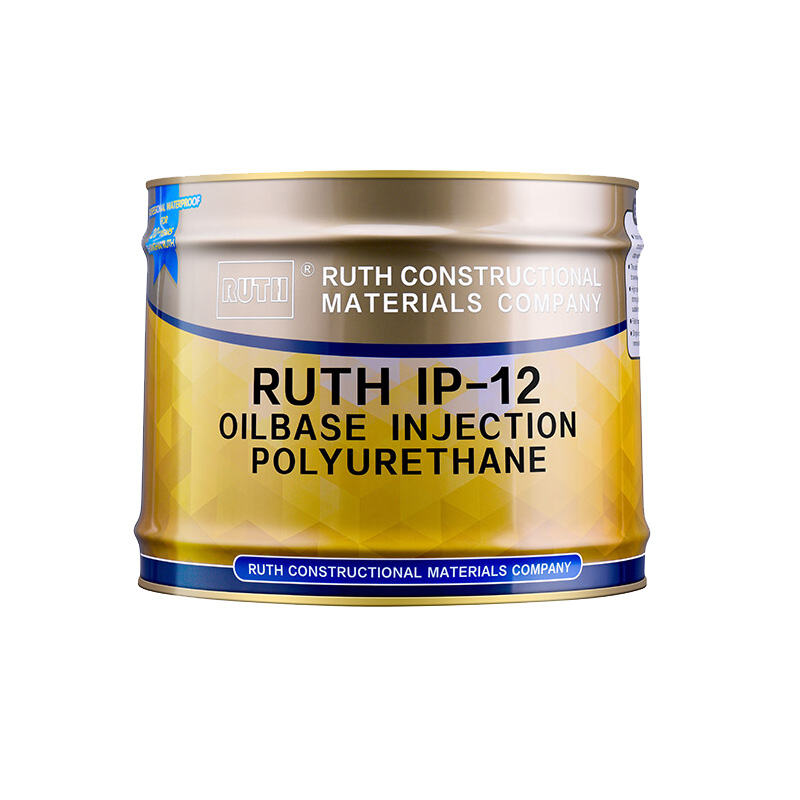
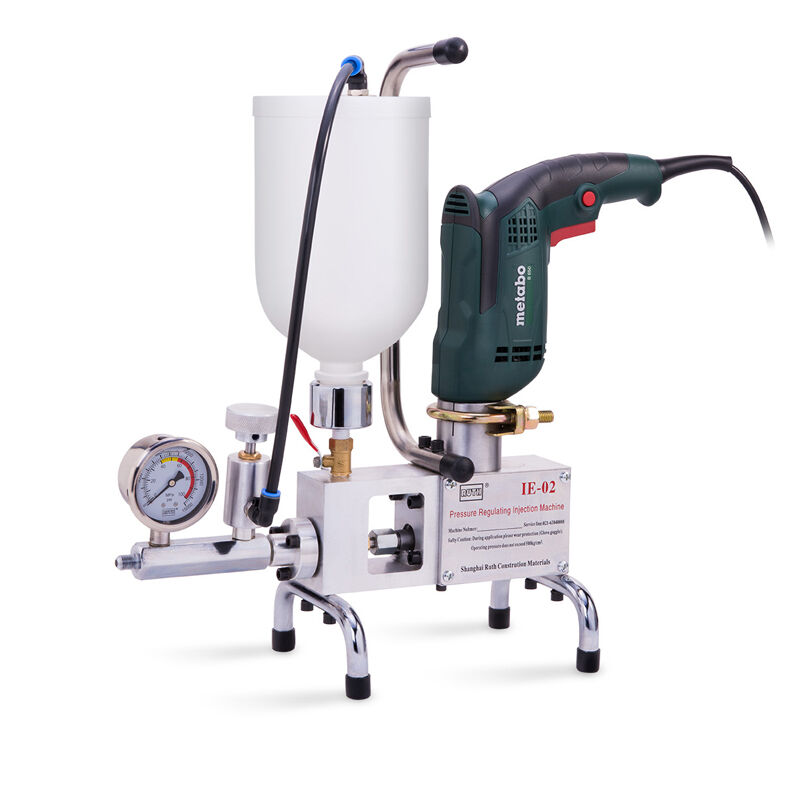
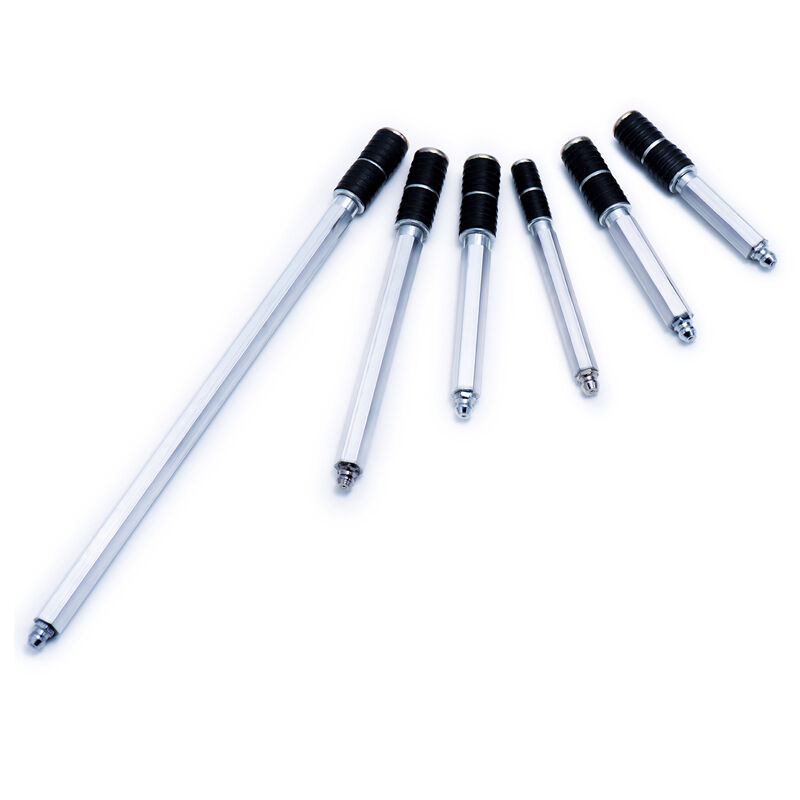
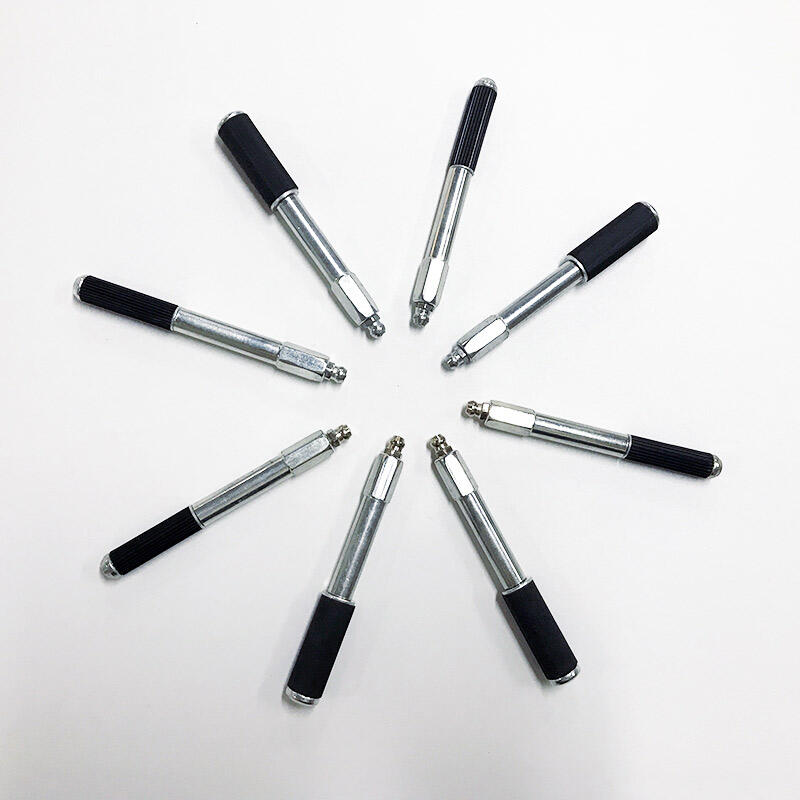
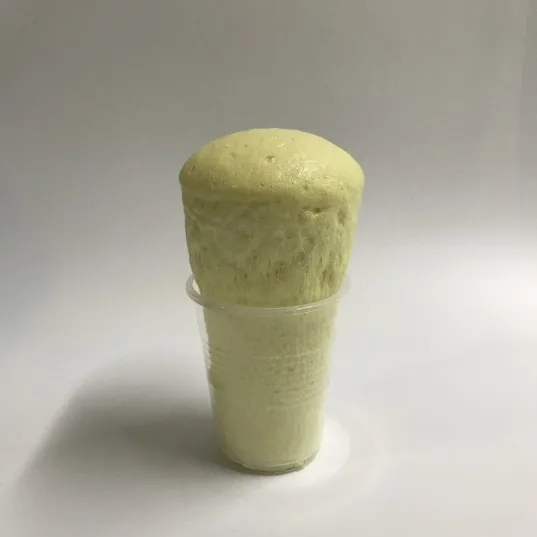
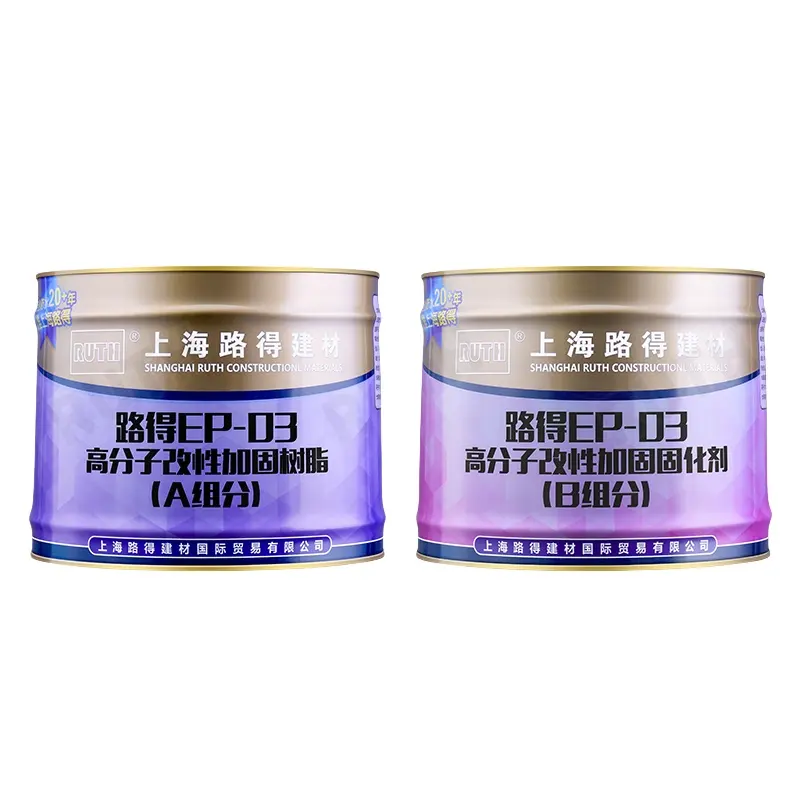
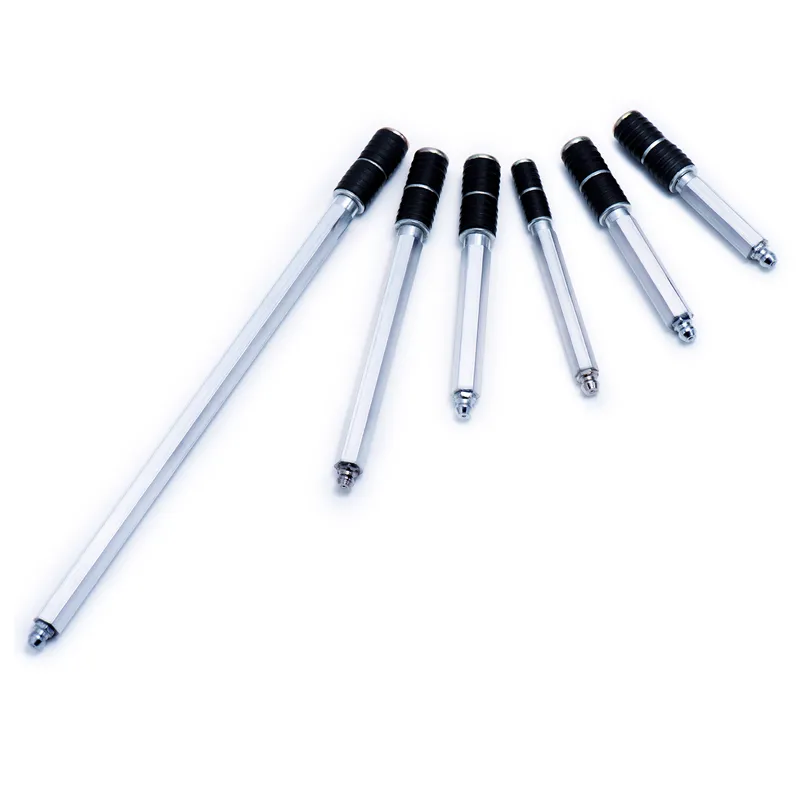
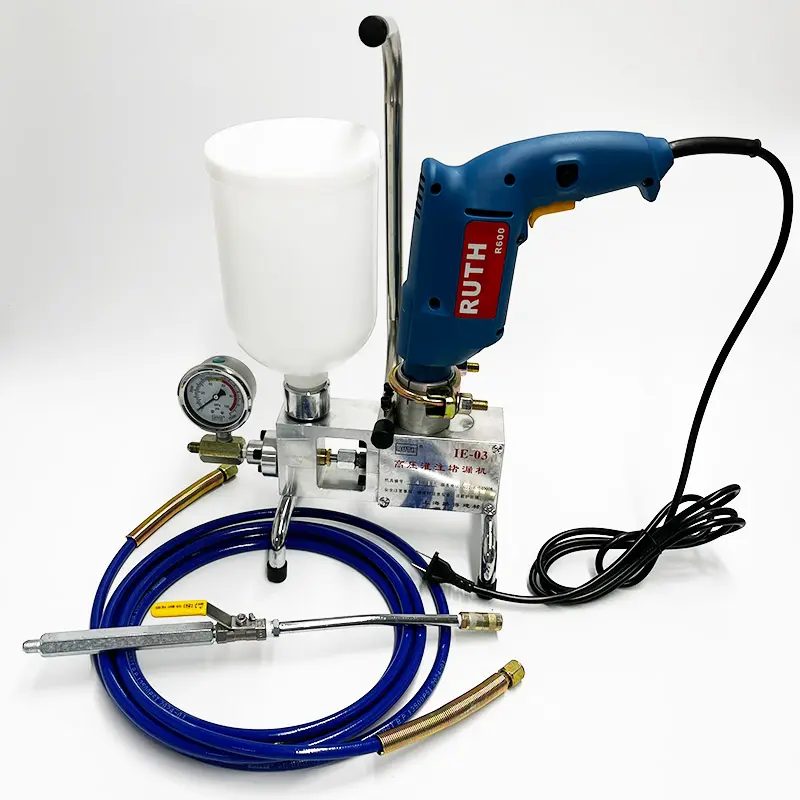
מילוי חורים מפוליאוריתן מייצג פתרון מהפכני להתמודדות עם חורים תת-קרקעיים, בעיות שקיעה וקשיי יציבות מבנית בתחומים רבים. טכנולוגיה מתקדמת זו של הזרקה משתמשת ברזינים מיוחדים של פוליאוריתן שמתפשטים ומתעבים כדי למלא את החללים מתחת ללוחות בטון, לבנים ולמבנים קריטיים אחרים. תהליך מילוי החורים מפוליאוריתן כולל הזרקת פולימר נוזלי דרך פתחי הזרקה הממוקמים באופן אסטרטגי, שם הוא מגיב כימית ויוצר צמר גפן קשיח שממלא לחלוטין את החללים ומספק תמיכה יוצאת דופן בתנאי עומס. הפונקציות העיקריות של טכניקה חדשנית זו כוללות יציבת מבנים מובילים של בטון שנשחקו, מניעת שקיעה נוספת ושקם היכולת המקורית לשאת עומסים על משטחים שהושפעו. התכונות הטכנולוגיות של מילוי חורים מפוליאוריתן כוללות מערכות בקרה מדויקות להזרקה, יכולות ניטור בזמן אמת ואפשרויות צפיפות צמר גפן ניתנות להתאמה כדי להתאים את הדרישות הספציפיות של כל פרויקט. החומרים מפוליאוריתן המשמשים מציגים תכונות הדבקה עליונות, המבטיחות הדבקה חזקה עם סubenstrates קיימים של בטון ואדמה. היישומים מתפזרים בתחומים רבים, ביניהם יסודות למגורים, ריצופים מסחריים, מסלולי תעופה, כבישים מהירים, לוחות מחסנים ומתקנים תעשייתיים. התהליך מוכיח ערך מיוחד בהתמודדות עם בעיות הנגרמות על ידי בליה של אדמה, דחיסה לקויה, חדירת מים ותהליכי שקיעה טבעיים. הציוד המודרני לملוי חורים מפוליאוריתן כולל מערכות הזרקה ממוחשבות שמנגנות את הלחץ, קצב הזרימה ויחסים כימיים של תערובות עם דיוק ייחודי. הטכנולוגיה מתאימה לגודלים מגוונים של חורים, החל מחורים קטנים מקומיים ועד לחללים תת-קרקעיים נרחבים הדורשים כמויות גדולות של חומר. נושאי סביבה כוללים שימוש בתערובות עם פליטה נמוכה ופגיעה מינימלית באזורים הסמוכים במהלך ההפעלה. מדדי בקרת האיכות מבטיחים תוצאות עקביות באמצעות פרוטוקולים מובנים לבדיקות ותאימות לסטנדרטים התעשייתיים בנוגע לשלמות מבנית ולמשך זמן פעילות ארוך.

 EN
EN