Professional Polyurethane Void Filling Services - Structural Repair Solutions

Get a Free Quote

Email
Name
Company Name
Message
0/1000

polyurethane void filling

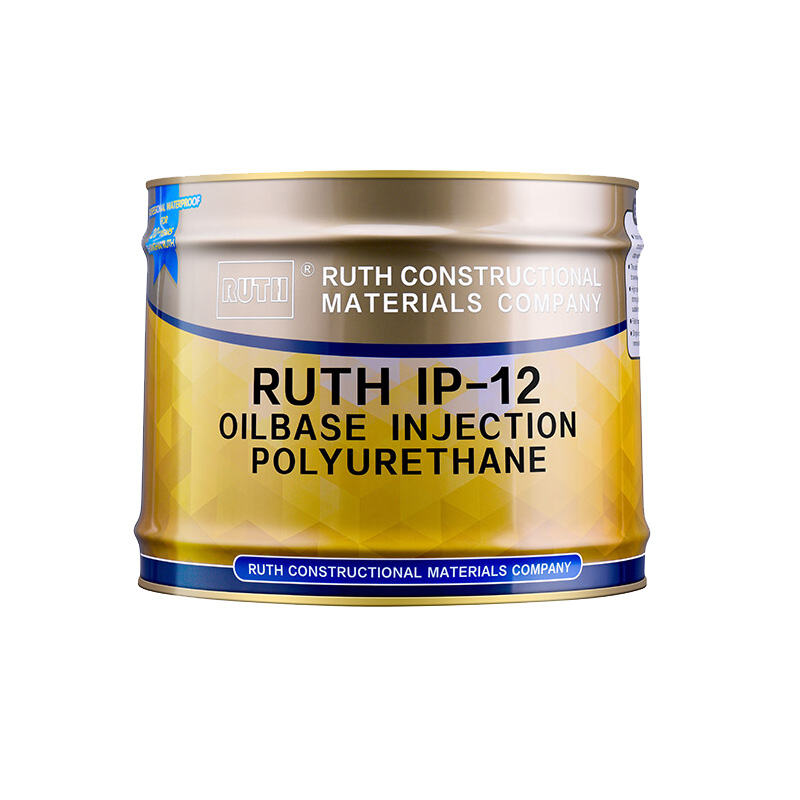
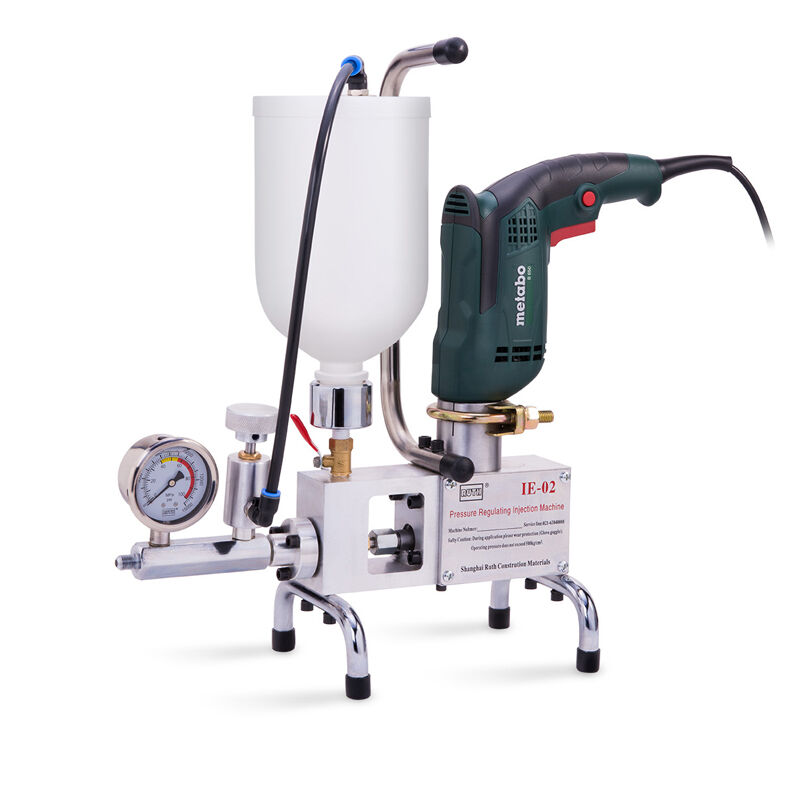
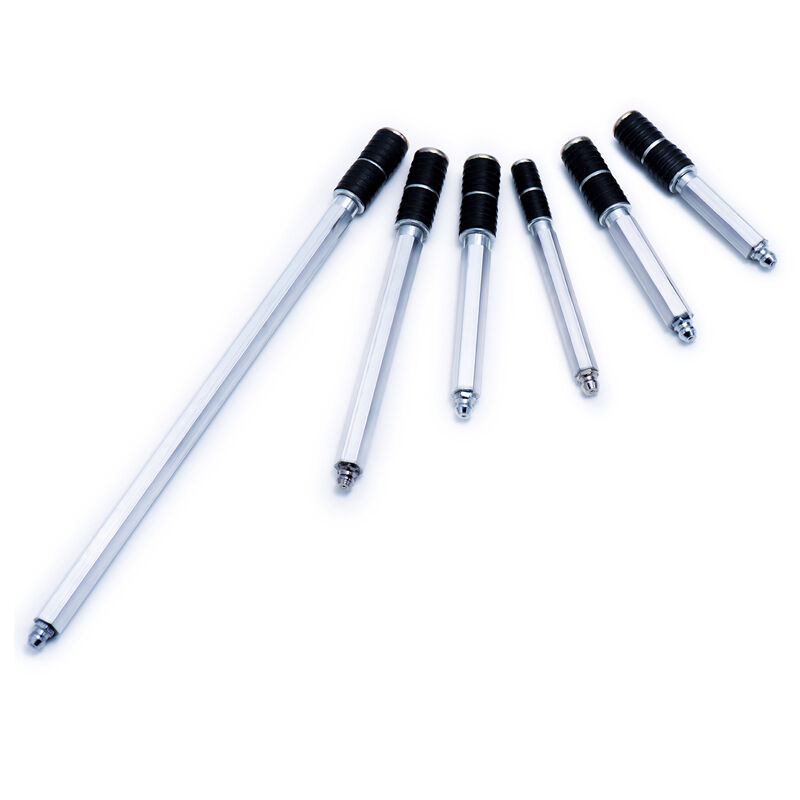
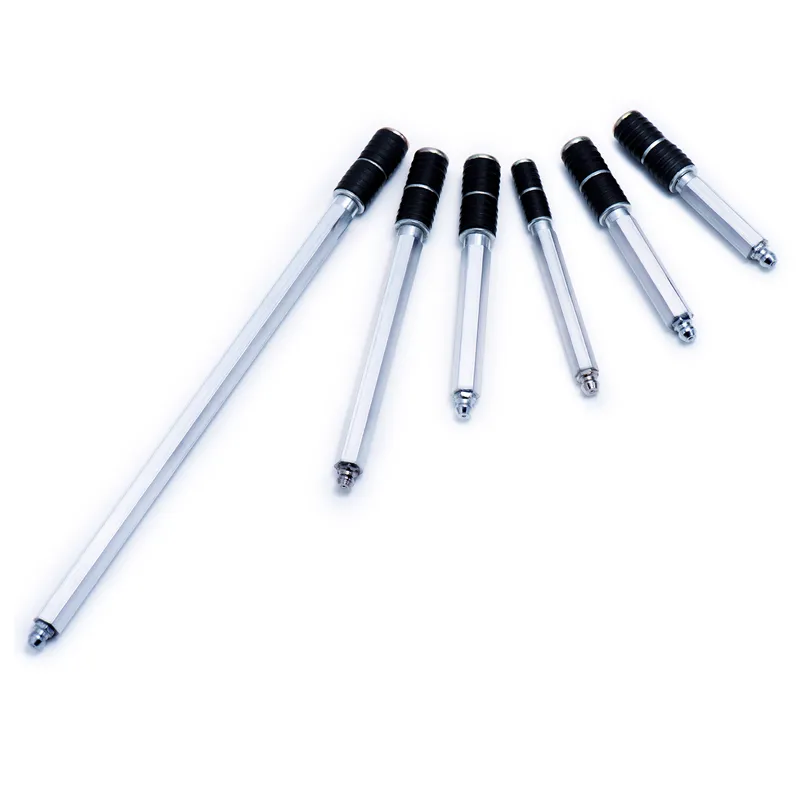
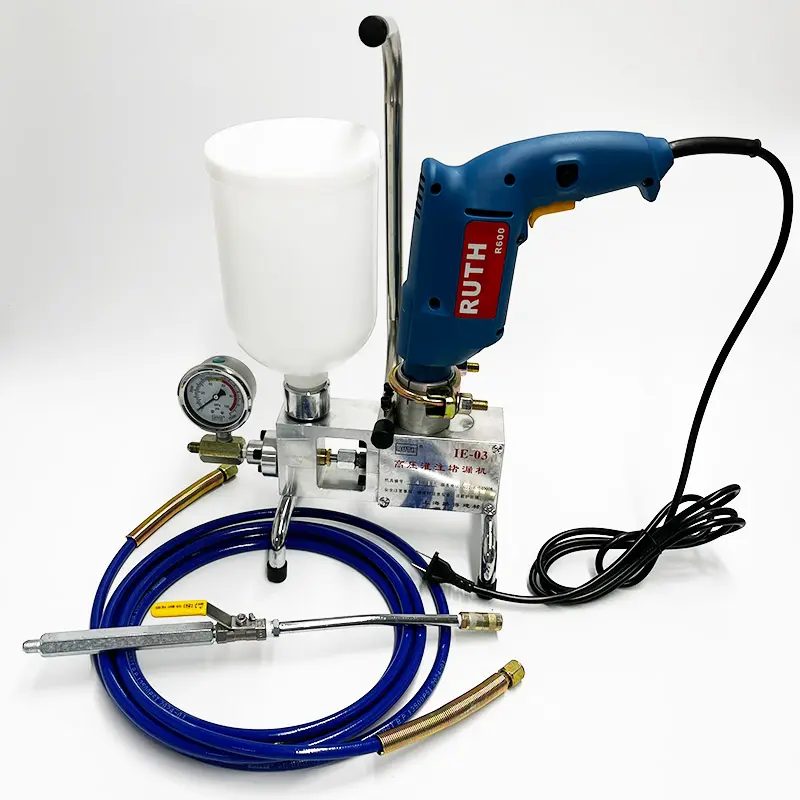
Polyurethane void filling represents a revolutionary solution for addressing underground voids, settlement issues, and structural stability challenges across various industries. This advanced injection technology utilizes specialized polyurethane resins that expand and harden to fill empty spaces beneath concrete slabs, foundations, and other critical infrastructure. The polyurethane void filling process involves injecting liquid polymer through strategically placed ports, where it chemically reacts to form a rigid foam that completely fills cavities and provides exceptional load-bearing support. The main functions of this innovative technique include stabilizing settled concrete structures, preventing further subsidence, and restoring original load capacity to compromised surfaces. Technological features of polyurethane void filling encompass precise injection control systems, real-time monitoring capabilities, and customizable foam density options to match specific project requirements. The polyurethane materials used demonstrate superior adhesion properties, ensuring strong bonding with existing concrete and soil substrates. Applications span numerous sectors including residential foundations, commercial flooring, airport runways, highway pavements, warehouse slabs, and industrial facilities. The process proves particularly valuable for addressing problems caused by soil erosion, inadequate compaction, water infiltration, and natural settlement processes. Modern polyurethane void filling equipment features computerized injection systems that regulate pressure, flow rates, and chemical mixing ratios with remarkable precision. The technology accommodates various void sizes, from small localized cavities to extensive underground spaces requiring significant material volumes. Environmental considerations include the use of low-emission formulations and minimal disruption to surrounding areas during application. Quality control measures ensure consistent results through systematic testing protocols and adherence to industry standards for structural integrity and performance longevity.


Popular Products

The advantages of polyurethane void filling extend far beyond traditional repair methods, offering property owners and facility managers unprecedented solutions for foundation and structural issues. This innovative technology delivers rapid installation times, typically completing projects within hours rather than days required by conventional approaches. Unlike concrete replacement or extensive excavation work, polyurethane void filling minimizes disruption to ongoing operations, allowing businesses to maintain normal activities during repair processes. The lightweight nature of expanded polyurethane reduces additional stress on existing structures while providing exceptional compressive strength that often exceeds original design specifications. Cost-effectiveness stands as a primary benefit, with polyurethane void filling typically requiring 50-70 percent less investment compared to complete slab replacement or traditional underpinning methods. The precision application process eliminates waste and ensures materials reach intended locations without contaminating surrounding areas. Durability characteristics of polyurethane materials include resistance to moisture, chemicals, temperature fluctuations, and biological degradation, ensuring long-term performance under challenging conditions. The versatility of polyurethane void filling accommodates various project scales, from small residential repairs to large-scale industrial applications covering thousands of square feet. Installation flexibility allows work to proceed in confined spaces where heavy machinery cannot operate, expanding repair possibilities in previously inaccessible locations. The permanent nature of polyurethane void filling solutions eliminates recurring maintenance costs associated with temporary fixes or inadequate repair methods. Environmental benefits include reduced material consumption, elimination of demolition debris, and preservation of existing structures that might otherwise require replacement. Quality assurance features built into modern polyurethane void filling systems provide real-time feedback on injection parameters, ensuring optimal results for every application. The non-invasive nature of this technology preserves landscaping, decorative finishes, and architectural features that traditional repair methods would compromise or destroy.

Tips And Tricks

What Are the Key Advantages of Polyurea Grout in Infrastructure Repair?

10

Feb

What Are the Key Advantages of Polyurea Grout in Infrastructure Repair?

Infrastructure repair and maintenance represent critical challenges in modern construction and civil engineering. Among the numerous materials available for structural restoration, polyurea grout has emerged as a revolutionary solution that addresses...
View More
What Are the Injection Requirements for Hydrophobic Polyurethane Materials?

20

Feb

What Are the Injection Requirements for Hydrophobic Polyurethane Materials?

Understanding the injection requirements for hydrophobic polyurethane materials is crucial for successful waterproofing and structural repair applications. These specialized materials offer exceptional resistance to water penetration while maintainin...
View More
What Are Typical Applications of Hydrophobic Polyurethane in Infrastructure?

10

Mar

What Are Typical Applications of Hydrophobic Polyurethane in Infrastructure?

Infrastructure systems worldwide face constant challenges from water infiltration, soil movement, and environmental deterioration. Traditional waterproofing methods often fall short when dealing with complex underground conditions and dynamic structu...
View More
How Do Contractors Choose Hydrophilic Polyurethane for Wet Conditions?

25

Mar

How Do Contractors Choose Hydrophilic Polyurethane for Wet Conditions?

Waterproofing in wet conditions presents unique challenges that demand specialized solutions. When contractors face persistent moisture issues, concrete joints, and foundation leaks, selecting the right sealant becomes critical for project success. H...
View More

Get a Free Quote

Email
Name
Company Name
Message
0/1000

polyurethane void filling

Rapid Structural Stabilization Technology

Rapid Structural Stabilization Technology

The rapid structural stabilization capability of polyurethane void filling represents a game-changing advancement in foundation repair and concrete lifting applications. This cutting-edge technology transforms liquid polymer into solid structural support within minutes of injection, providing immediate load-bearing capacity that rivals or exceeds original construction specifications. The chemical reaction process generates controlled expansion that precisely fills voids while exerting calculated lifting forces to restore proper elevation and alignment. Unlike conventional methods requiring days or weeks for curing, polyurethane void filling achieves full strength within 30-60 minutes, allowing immediate return to service for critical infrastructure. The injection process utilizes specialized equipment that monitors pressure, flow rates, and expansion characteristics in real-time, ensuring optimal results for each unique application. Professional technicians can adjust formulations to accommodate varying soil conditions, void sizes, and load requirements, creating customized solutions for challenging repair scenarios. The structural integrity provided by polyurethane void filling often surpasses original construction quality, with compressive strengths reaching 8,000 PSI or higher depending on specific formulations. This remarkable strength-to-weight ratio enables effective load distribution across compromised areas without adding excessive burden to existing foundations. The precision control inherent in modern polyurethane void filling systems prevents over-lifting or under-filling conditions that could compromise structural integrity. Quality documentation procedures track injection volumes, pressures, and expansion rates to verify compliance with engineering specifications and building codes. The reliability of this stabilization technology has earned acceptance from structural engineers, building officials, and insurance companies as a permanent repair solution equivalent to new construction standards.
Cost-Effective Alternative to Traditional Methods

Cost-Effective Alternative to Traditional Methods

The cost-effectiveness of polyurethane void filling emerges as a compelling advantage when compared to traditional concrete replacement, excavation, and structural repair methodologies. Financial benefits begin with significantly reduced labor requirements, as polyurethane void filling typically requires 60-80 percent fewer work hours than conventional approaches. The minimal equipment footprint eliminates expenses associated with heavy machinery rental, site preparation, and extensive crew coordination. Material costs prove substantially lower due to the efficient application process that delivers precise quantities directly to target locations without waste or overuse. Project timelines compress dramatically, with most polyurethane void filling applications completing within single work days compared to weeks required for traditional methods. This time efficiency translates to reduced labor costs, shorter equipment rental periods, and minimal business disruption for commercial properties. The non-destructive nature of polyurethane void filling preserves existing investments in flooring, fixtures, landscaping, and architectural features that demolition methods would require replacing. Transportation and disposal costs associated with concrete removal disappear entirely, as polyurethane void filling requires no excavation or debris handling. Long-term value emerges through the permanent nature of properly applied polyurethane solutions, eliminating recurring repair expenses that plague temporary fixes. Insurance companies often recognize polyurethane void filling as equivalent to new construction for coverage purposes, maintaining or improving property values. The ability to address multiple problem areas during single mobilizations maximizes efficiency and minimizes project overhead costs. Warranty coverage typically extends 5-10 years, providing additional financial protection and peace of mind for property owners. Return on investment calculations consistently favor polyurethane void filling when accounting for reduced downtime, preserved assets, and eliminated future maintenance requirements.
Environmentally Sustainable Repair Solution

Environmentally Sustainable Repair Solution

The environmental sustainability of polyurethane void filling positions this technology as a responsible choice for conscientious property owners and organizations committed to reducing their ecological footprint. This innovative repair method eliminates the environmental impact associated with concrete production, which accounts for approximately 8 percent of global carbon emissions through cement manufacturing processes. By preserving existing concrete structures rather than replacing them, polyurethane void filling prevents thousands of pounds of demolition debris from entering landfills while avoiding the energy consumption required for new concrete production. Modern polyurethane formulations utilize eco-friendly components that meet stringent environmental regulations and emit minimal volatile organic compounds during application. The precision injection process prevents material waste and environmental contamination, as technicians can control exactly where and how much polyurethane enters the treatment area. Water conservation benefits emerge from eliminating concrete mixing requirements and reducing cleanup needs typically associated with traditional repair methods. The durability of polyurethane void filling solutions extends structure lifecycles, delaying replacement needs and reducing long-term resource consumption. Site preservation advantages include maintaining existing vegetation, preventing soil disturbance, and avoiding landscape restoration requirements. The lightweight nature of expanded polyurethane reduces transportation fuel consumption compared to heavy concrete materials, lowering overall project carbon footprints. Quality polyurethane formulations demonstrate resistance to chemical degradation, preventing leaching concerns that affect groundwater quality. The reversibility of polyurethane void filling allows future modifications without permanent environmental impact, should property use change or additional repairs become necessary. Recycling compatibility enables responsible disposal when eventual replacement becomes necessary decades in the future. Professional application standards ensure compliance with environmental protection regulations while achieving optimal repair results that benefit both property owners and surrounding ecosystems.

Get a Free Quote

Email
Name
Company Name
Message
0/1000
Newsletter
Please Leave A Message With Us