מילוי פוליאוריתן (PU) בקצף
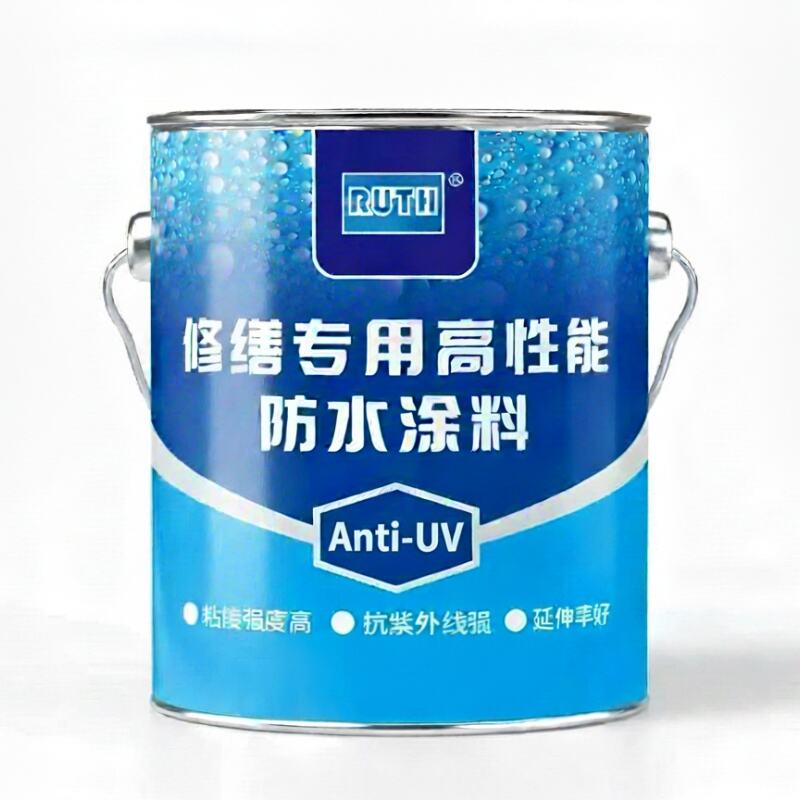
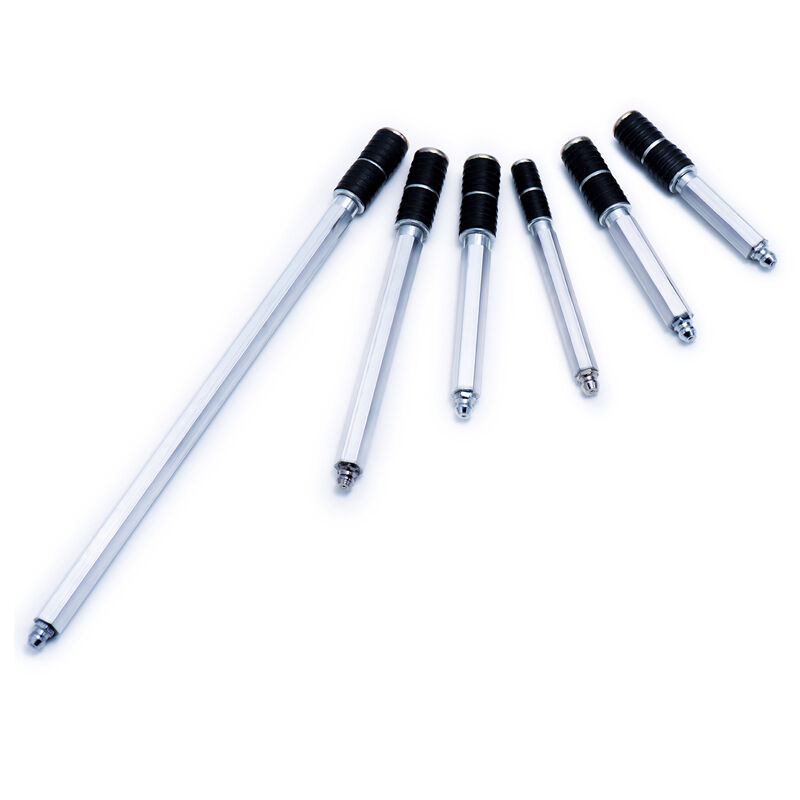
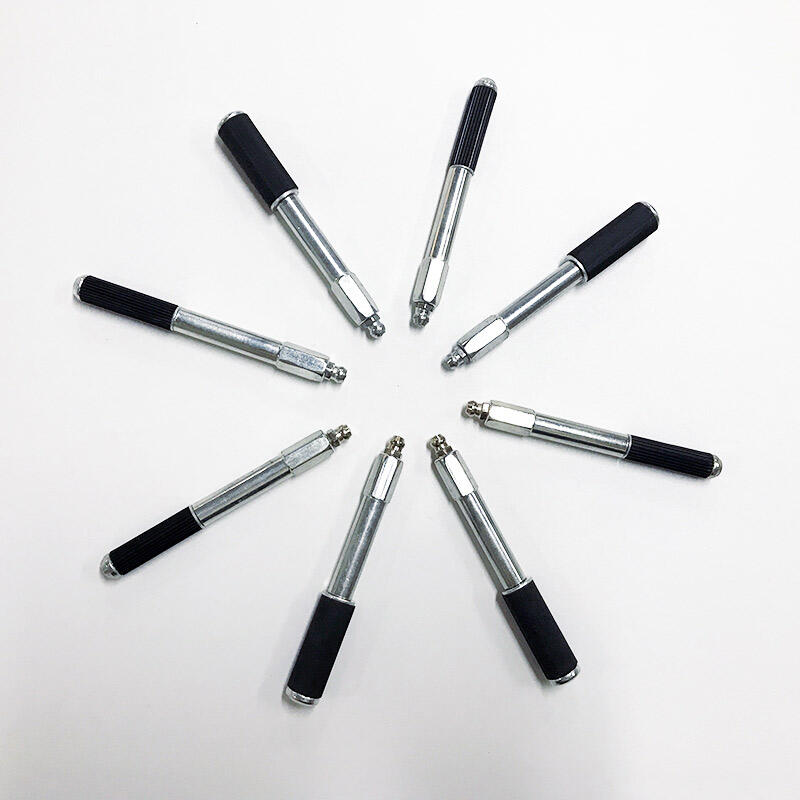
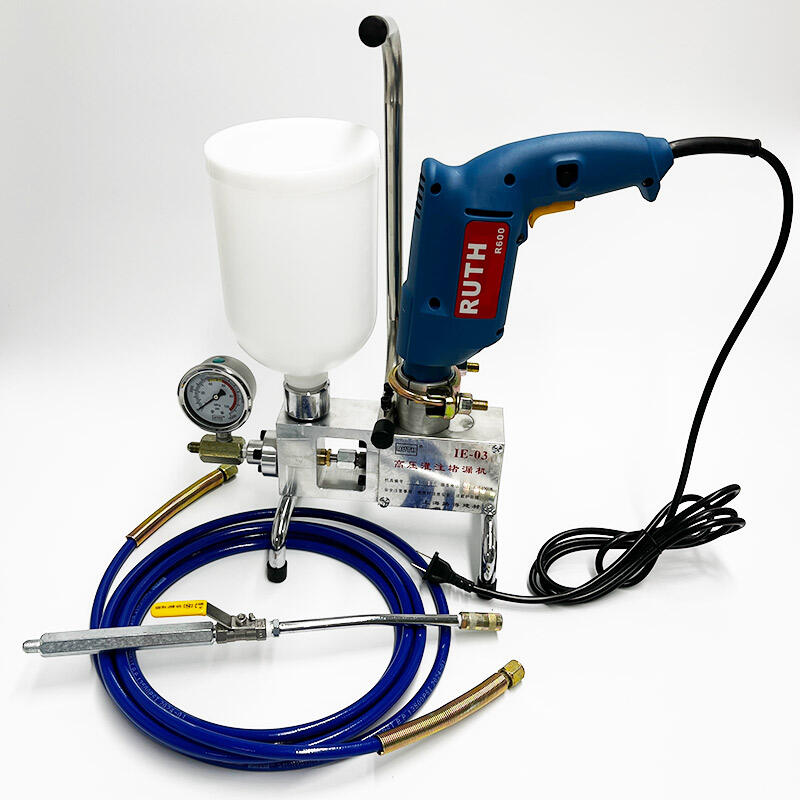
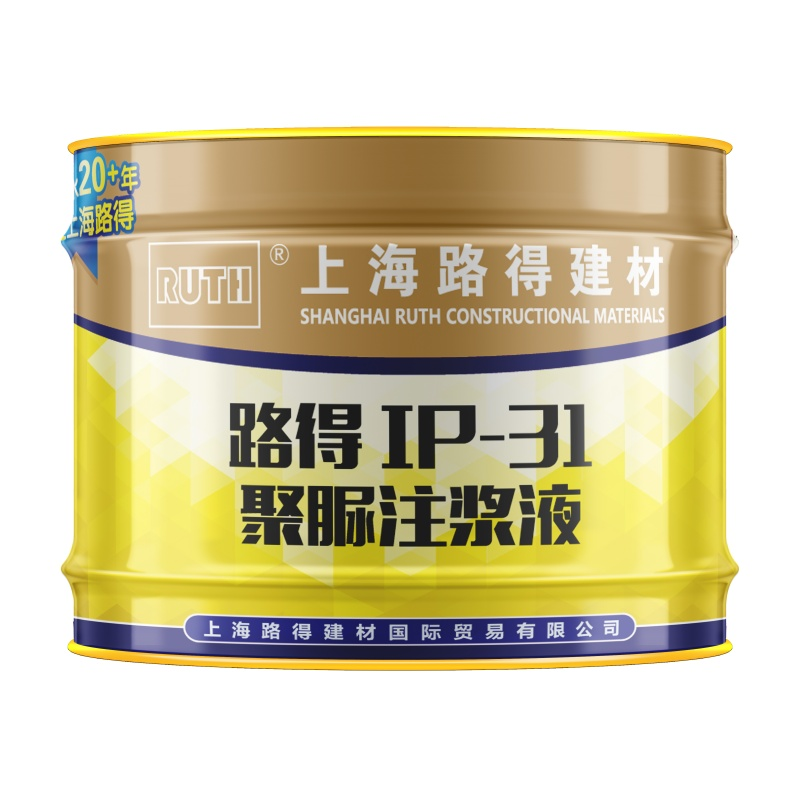
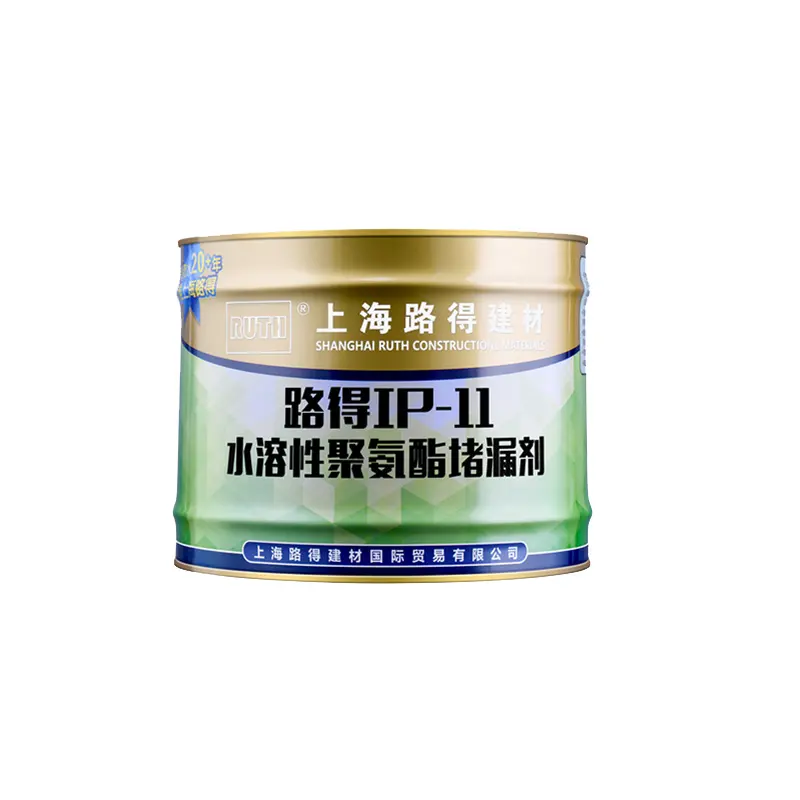
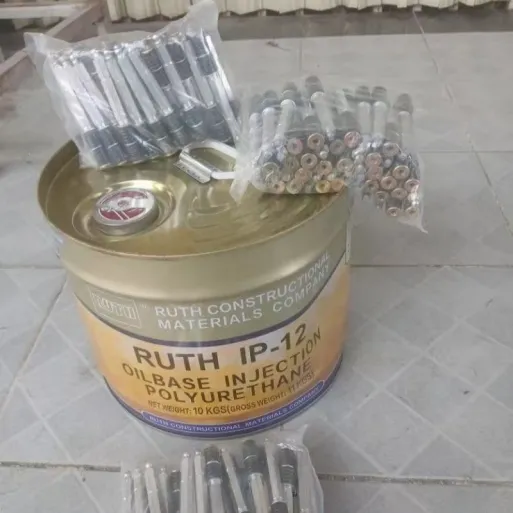
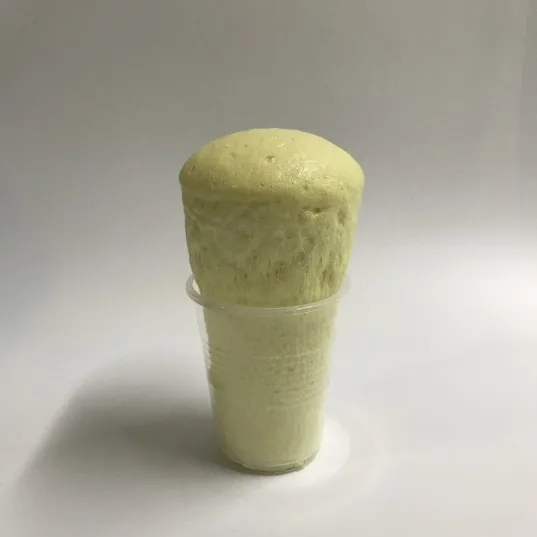
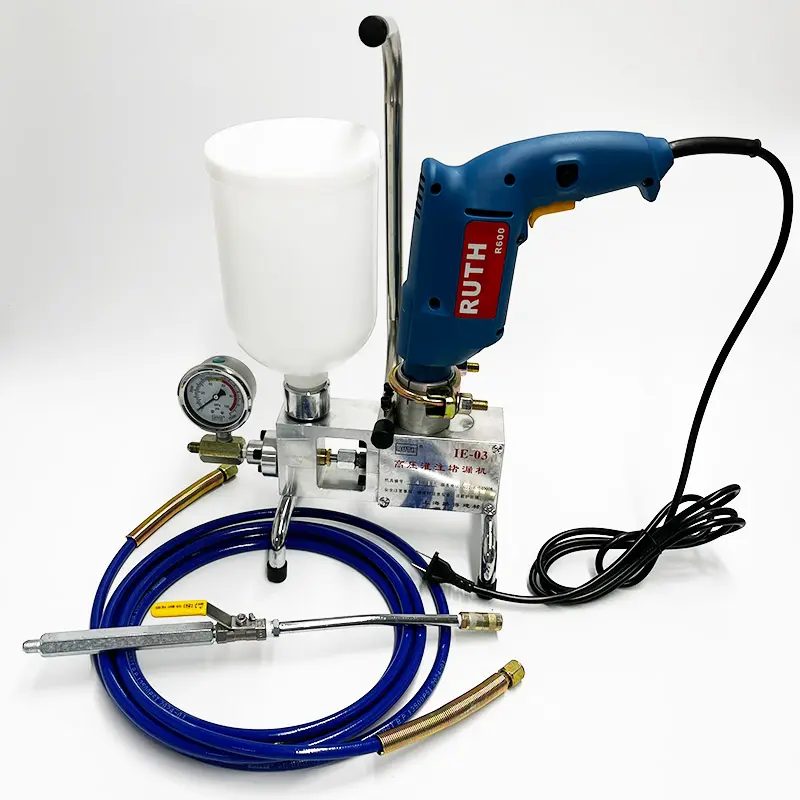
דיג קצף PU מייצג פתרון מהפכני ביישומי בנייה ותיקון מודרניים, ומציע גמישות יוצאת דופן להתמודדות עם אתגרים מבניים שונים. מערכת הזרקה מבוססת פוליאוריטן זו מספקת יכולות מקיפות של איטום, איטום וייצוב מבני ששינו את האופן שבו אנשי מקצוע ניגשים לפרויקטים של בנייה תת קרקעית, תיקון מרתפים ותחזוקת תשתיות. הטכנולוגיה משתמשת בשרפי פוליאוריטן מיוחדים המתרחבים במגע עם מים, ויוצרים איטום עמיד וגמיש שמתאים את עצמו לתנועות מבניות דינמיות. הפונקציות העיקריות של דיג קצף PU כוללות בקרת חדירת מים, מילוי חללים, ייצוב קרקע וחיזוק מבני. מערכות אלו מצטיינות בסביבות בהן שיטות דיג בטון מסורתיות מוכיחות את עצמן כלא מספקות, במיוחד במצבים של דליפות מים פעילות, תנאי קרקע לא יציבים או אזורים הדורשים התערבות מיידית. תכונות טכנולוגיות כוללות קצב התפשטות מבוקר, רמות צמיגות מתכווננות וזמני ריפוי הניתנים להתאמה אישית המאפשרים לטכנאים להתאים יישומים לדרישות הפרויקט הספציפיות. ההרכב הכימי מאפשר הידבקות מצוינת למצעים שונים, כולל בטון, בנייה, פלדה ומשטחי אבן טבעית. מערכות דיג קצף PU מודרניות משלבות טכנולוגיות זרז מתקדמות המבטיחות ביצועים עקביים בתנאי טמפרטורה ולחות משתנים. היישומים כוללים איטום מרתפים למגורים, תיקון יסודות מסחריים, בניית מנהרות, פעולות כרייה ופרויקטים של תשתית עירונית. הרבגוניות משתרעת על יישומים מיוחדים כגון דייסת וילונות למבני סכרים, פעולות בסיס ואיטום דליפות חירום במתקנים קריטיים. קבלנים מקצועיים מסתמכים על דייסת קצף PU לפרויקטים הדורשים פריסה מהירה, הפרעה מינימלית ואמינות ביצועים לטווח ארוך. הטכנולוגיה מוכיחה ערך רב במיוחד ביישומי שיפוץ בהם מגבלות גישה או אילוצים תפעוליים הופכים את שיטות התיקון הקונבנציונליות ללא מעשיות. שיקולים סביבתיים הניעו את פיתוחן של פורמולציות בעלות פליטות נמוכות אשר שומרות על ביצועים תוך הפחתת ההשפעה האקולוגית.

 EN
EN