Premium Urethane Based Grout Solutions - Superior Durability & Chemical Resistance for Professional Applications

Get a Free Quote

Email
Name
Company Name
Message
0/1000

urethane based grout

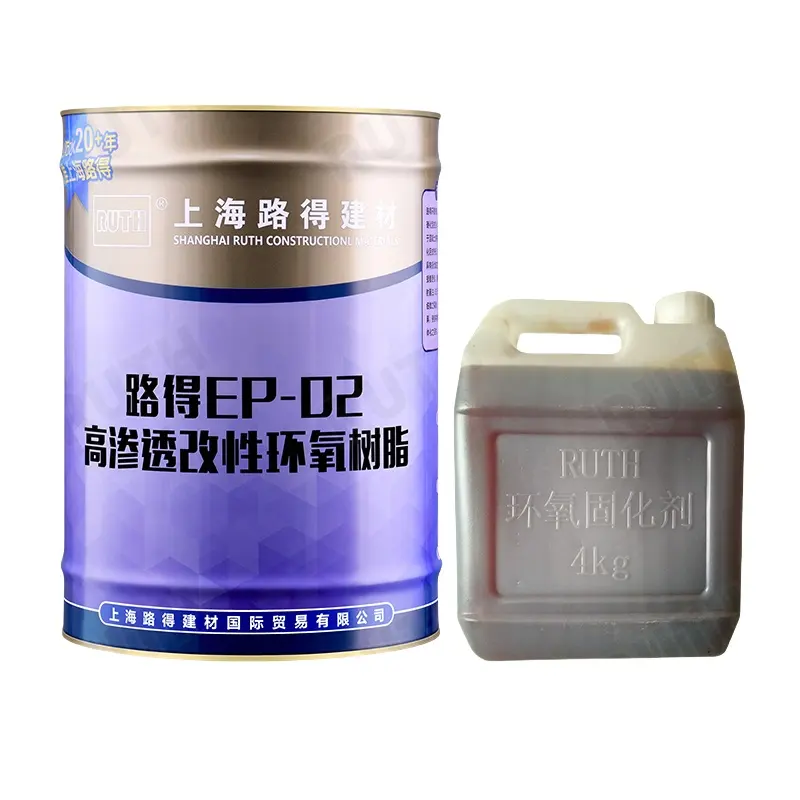
Urethane based grout represents a revolutionary advancement in tile installation and maintenance solutions, offering superior performance characteristics that surpass traditional cement-based alternatives. This innovative grouting material combines polyurethane chemistry with advanced polymer technology to create a versatile, durable sealing system for various tiling applications. The primary function of urethane based grout involves filling joints between tiles while providing exceptional adhesion, flexibility, and resistance to environmental factors. Unlike conventional grout materials, this polyurethane formulation maintains its structural integrity under extreme conditions, making it ideal for high-traffic areas, moisture-prone environments, and temperature-fluctuating spaces. The technological features of urethane based grout include superior elasticity, which allows the material to expand and contract without cracking or deteriorating. This flexibility prevents common issues such as joint separation, water infiltration, and tile displacement that frequently occur with rigid grouting systems. The chemical composition provides excellent resistance to stains, chemicals, and biological growth, ensuring long-lasting aesthetic appeal and hygiene standards. Applications for urethane based grout span across residential, commercial, and industrial sectors. In residential settings, homeowners utilize this material for bathroom renovations, kitchen backsplashes, and outdoor patio installations where moisture exposure is constant. Commercial applications include restaurant kitchens, hospital facilities, swimming pool areas, and retail spaces requiring frequent cleaning and maintenance. Industrial environments benefit from urethane based grout in manufacturing facilities, laboratories, and food processing plants where chemical resistance and durability are critical requirements. The installation process involves standard grouting techniques, though the material's working time and curing characteristics differ from traditional options. Professional contractors appreciate the extended working time, which allows for larger area coverage and improved finish quality. The self-leveling properties ensure consistent joint filling, while the non-shrinking formula maintains uniform appearance throughout the curing process.

New Product Releases

Urethane based grout delivers exceptional durability that significantly outperforms traditional cement-based alternatives, providing property owners with long-term cost savings and reduced maintenance requirements. This superior longevity stems from the material's inherent flexibility, which prevents cracking and deterioration commonly associated with rigid grout systems. When buildings settle or experience thermal expansion, urethane based grout adapts to these movements without compromising structural integrity or aesthetic appearance. The moisture resistance properties offer outstanding protection against water damage, mold growth, and mildew formation. Traditional grout materials absorb water, leading to discoloration, structural weakening, and health hazards from biological contamination. Urethane based grout creates an impermeable barrier that prevents moisture penetration, maintaining pristine conditions in bathrooms, kitchens, and other wet areas. Property owners experience reduced cleaning efforts and elimination of costly mold remediation projects. Stain resistance capabilities ensure maintained appearance over extended periods, even in high-traffic or food service environments. Coffee spills, wine stains, grease marks, and other common contaminants cannot penetrate the non-porous surface of urethane based grout. This characteristic proves invaluable in commercial kitchens, restaurants, and residential areas where spills occur frequently. The easy cleaning process requires only standard household cleaners, eliminating the need for harsh chemicals or specialized maintenance products. Chemical resistance properties make urethane based grout suitable for industrial applications where exposure to acids, bases, and solvents occurs regularly. Manufacturing facilities, laboratories, and medical environments benefit from this protection, as the grout maintains performance standards despite contact with aggressive substances. Installation efficiency improves with urethane based grout due to faster curing times and extended working periods. Contractors complete projects more quickly while achieving superior results, reducing labor costs and project timelines. The material's consistency eliminates mixing variations that can affect performance, ensuring reliable outcomes across different installation conditions. Temperature stability allows urethane based grout to function effectively in extreme environments, from freezer rooms to heated manufacturing spaces. This versatility expands application possibilities and provides reliable performance regardless of environmental conditions. Cost-effectiveness becomes apparent through reduced replacement frequency, lower maintenance requirements, and elimination of repair costs associated with failed traditional grout systems.

Practical Tips

What Are the Key Advantages of Polyurea Grout in Infrastructure Repair?

10

Feb

What Are the Key Advantages of Polyurea Grout in Infrastructure Repair?

Infrastructure repair and maintenance represent critical challenges in modern construction and civil engineering. Among the numerous materials available for structural restoration, polyurea grout has emerged as a revolutionary solution that addresses...
View More
Why Is Hydrophobic Polyurethane Suitable for Permanent Waterproofing?

16

Mar

Why Is Hydrophobic Polyurethane Suitable for Permanent Waterproofing?

In the construction and infrastructure industry, achieving long-lasting waterproofing solutions remains a critical challenge for engineers and contractors worldwide. Traditional waterproofing methods often fall short when exposed to harsh environment...
View More
How Does Hydrophobic Polyurethane Perform Compared to Hydrophilic Systems?

20

Mar

How Does Hydrophobic Polyurethane Perform Compared to Hydrophilic Systems?

Understanding the performance differences between hydrophobic polyurethane and hydrophilic systems is crucial for engineers, contractors, and facility managers making informed decisions about waterproofing and sealing solutions. While both systems of...
View More
How Do Contractors Choose Hydrophilic Polyurethane for Wet Conditions?

25

Mar

How Do Contractors Choose Hydrophilic Polyurethane for Wet Conditions?

Waterproofing in wet conditions presents unique challenges that demand specialized solutions. When contractors face persistent moisture issues, concrete joints, and foundation leaks, selecting the right sealant becomes critical for project success. H...
View More

Get a Free Quote

Email
Name
Company Name
Message
0/1000

urethane based grout

Exceptional Flexibility and Movement Accommodation

Exceptional Flexibility and Movement Accommodation

The remarkable flexibility of urethane based grout sets it apart from conventional grouting materials, providing unmatched performance in dynamic environments where structural movement is inevitable. This advanced flexibility results from the polyurethane polymer chains that form the backbone of the material, creating a three-dimensional network capable of stretching and compressing without losing adhesive properties or structural integrity. Buildings naturally experience thermal expansion and contraction cycles, foundation settling, and seismic movements that place stress on tile installations. Traditional cement-based grout, being rigid by nature, cannot accommodate these movements and typically develops cracks that compromise both appearance and functionality. Urethane based grout eliminates these concerns through its ability to flex with building movements while maintaining continuous protection of the substrate. The elasticity coefficient of urethane based grout exceeds 200 percent elongation, meaning the material can stretch to twice its original length before failure occurs. This exceptional characteristic proves invaluable in applications such as exterior facades, areas with underfloor heating systems, and structures built on expansive soils where movement is pronounced. The flexibility also extends to thermal cycling resistance, where repeated heating and cooling cycles that would cause traditional grout to fail have minimal impact on urethane based systems. In practical applications, this flexibility translates to longer-lasting installations with reduced maintenance requirements and elimination of repair costs. Swimming pool areas, outdoor patios, and commercial kitchen floors benefit tremendously from this movement accommodation, as these environments experience significant temperature variations and moisture-related dimensional changes. The material's ability to maintain watertight seals during movement prevents water infiltration that could damage substrates or create health hazards through mold growth. Professional installers appreciate the forgiving nature of urethane based grout during application, as minor imperfections in substrate preparation or installation technique are accommodated by the material's adaptive properties. This flexibility reduces callback incidents and warranty claims, improving contractor reputation and profitability while ensuring customer satisfaction with long-term performance results.
Superior Chemical and Stain Resistance Performance

Superior Chemical and Stain Resistance Performance

Urethane based grout exhibits outstanding chemical resistance that makes it the preferred choice for demanding environments where exposure to aggressive substances is routine. The polyurethane chemistry creates a dense, non-porous matrix that prevents penetration of acids, alkalis, organic solvents, and various industrial chemicals that would rapidly degrade traditional cement-based grout materials. This resistance stems from the cross-linked polymer structure that forms during curing, creating molecular barriers that effectively repel contaminating substances while maintaining structural integrity over extended exposure periods. Laboratory testing demonstrates that urethane based grout withstands continuous exposure to pH levels ranging from 2.0 to 12.0 without significant degradation, making it suitable for applications in chemical processing facilities, medical laboratories, and food production environments where sanitizing chemicals are used regularly. The stain resistance properties provide exceptional value in commercial and residential settings where appearance maintenance is critical. Unlike porous cement-based alternatives that absorb spills and develop permanent discoloration, urethane based grout maintains its original color and texture even after years of service in high-traffic areas. Coffee shops, restaurants, and food courts benefit from this stain resistance as frequent spills of coffee, wine, oils, and acidic substances cannot penetrate the surface to cause lasting damage. Cleaning protocols become simplified with urethane based grout, as most contaminants can be removed using standard cleaning products and techniques. The non-porous surface prevents bacterial growth and eliminates the need for harsh chemical cleaners that could damage surrounding tile materials or create health hazards for building occupants. This characteristic proves especially valuable in healthcare facilities, where infection control protocols demand surfaces that can be thoroughly sanitized without harboring pathogens. Industrial applications showcase the chemical resistance advantages most dramatically, where manufacturing processes involve exposure to cutting fluids, metal treatment chemicals, and processing solvents. Urethane based grout maintains performance standards in these harsh environments while protecting the underlying substrate from chemical damage that could compromise structural integrity. The long-term cost benefits include elimination of frequent grout replacement, reduced cleaning labor requirements, and prevention of substrate damage that would necessitate complete floor renovation projects.
Enhanced Durability and Longevity Benefits

Enhanced Durability and Longevity Benefits

The exceptional durability of urethane based grout provides property owners with significant long-term value through extended service life and reduced maintenance requirements compared to traditional grouting materials. This superior durability results from the inherent properties of polyurethane chemistry combined with advanced formulation techniques that optimize performance characteristics for demanding applications. Unlike cement-based grout that relies on rigid crystalline structures susceptible to mechanical damage and environmental degradation, urethane based grout maintains its protective properties through decades of service under normal conditions. The material's resistance to wear and abrasion makes it ideal for high-traffic commercial environments such as shopping centers, airports, and institutional facilities where foot traffic would quickly deteriorate conventional grout systems. Mechanical testing reveals that urethane based grout exhibits wear resistance values three to five times higher than premium cement-based alternatives, translating to dramatically extended replacement intervals and reduced lifecycle costs. The durability extends beyond mechanical properties to include resistance to environmental factors that typically cause grout failure. Freeze-thaw cycling, which destroys traditional grout through internal ice crystal formation, has minimal impact on urethane based systems due to their flexibility and water resistance properties. This characteristic makes the material particularly valuable in climates with significant temperature variations or in applications such as outdoor installations and unheated structures. UV resistance prevents color fading and material degradation in applications with direct sunlight exposure, maintaining aesthetic appeal throughout the service life. The chemical stability of urethane based grout ensures consistent performance over time, as the polymer matrix does not undergo significant changes due to aging, humidity variations, or exposure to common building materials. This stability eliminates the gradual weakening and eventual failure patterns common with cement-based systems that react with environmental moisture and carbon dioxide over time. Installation longevity reduces the total cost of ownership through elimination of periodic replacement projects, reduced maintenance labor, and prevention of water damage to substrates and adjacent building components. Property managers report maintenance cost reductions of 60-80 percent when switching from traditional grout to urethane based systems, primarily due to extended service intervals and simplified cleaning requirements. The reliability of urethane based grout also provides peace of mind for property owners, eliminating concerns about sudden failures that could disrupt business operations or create safety hazards in critical applications.

Get a Free Quote

Email
Name
Company Name
Message
0/1000
Newsletter
Please Leave A Message With Us