מילוי פוליאוריתן לעומת מילוי אפוקסי
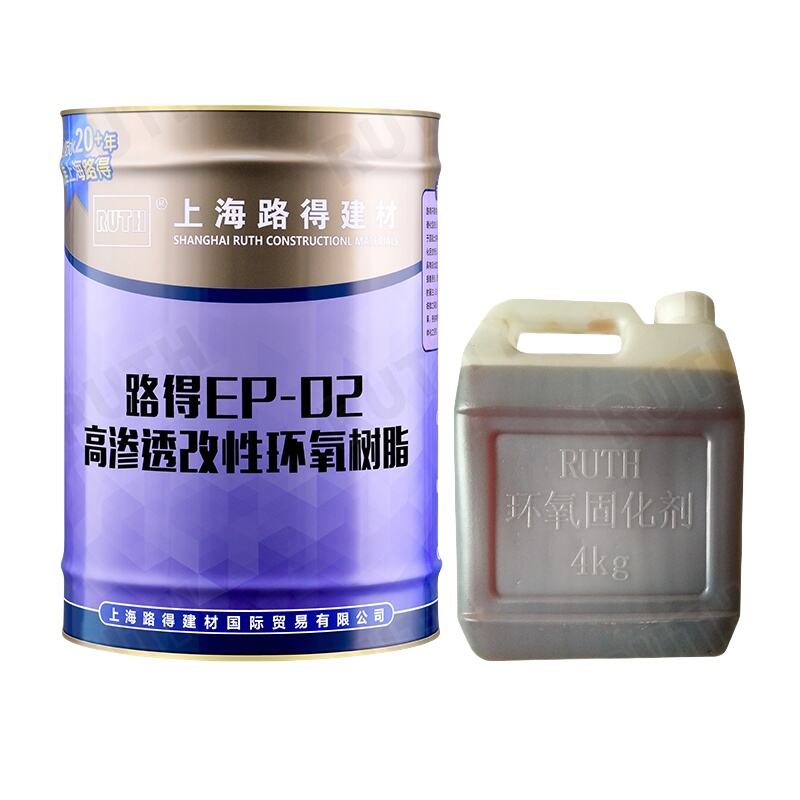
בעת בחירת רובה מתאימה לפרויקט הריצוף שלכם, הבנת ההבדלים בין רובה פוליאוריטן לבין רובה אפוקסי הופכת קריטית להשגת תוצאות אופטימליות. שני חומרי רובה מתקדמים אלה מייצגים שיפורים משמעותיים על פני אפשרויות מסורתיות מבוססות צמנט, כל אחד מהם מציע יתרונות ברורים עבור יישומים ספציפיים. רובה פוליאוריטן בולטת כפתרון גמיש וחד-רכיבי המספק הידבקות מצוינת והתאמה לתנועה. חומר חדשני זה מורכב מפולימרים פוליאוריטן המתקשים באמצעות תגובת לחות, ויוצרים קשר עמיד אך גמיש. הטכנולוגיה שמאחורי רובה פוליאוריטן מאפשרת לה להתרחב ולהתכווץ עם תנועת המצע, מה שהופך אותה לאידיאלית עבור אזורים הנתונים למחזורי תרמית או שקיעה מבנית. תפקידיה העיקריים כוללים איטום, איטום חיבורים ומתן גמישות ארוכת טווח בהתקנות אריחים. רובה אפוקסי, לעומת זאת, מייצגת מערכת דו-רכיבית המשלבת שרפי אפוקסי עם חומרי התקשות. תגובה כימית זו יוצרת משטח קשה במיוחד ולא נקבובי, העמיד בפני כתמים, כימיקלים וחדירת לחות. התכונות הטכנולוגיות של רובה אפוקסי כוללות חוזק דחיסה מעולה, עמידות כימית מעולה וכמעט אפס נקבוביות לאחר הייבוש. תפקידיה העיקריים כוללים מילוי חיבורים כבדים, יישומים עמידים בפני כימיקלים והתקנות באזורים בעלי תנועה רבה. השוואה בין רובה פוליאוריטן לבין רובה אפוקסי חושפת נישות יישום שונות. רובה פוליאוריטן מצטיינת בחדרי אמבטיה למגורים, חיפויי קיר למטבח, בריכות שחייה והתקנות חיצוניות שבהן גמישות היא בעלת חשיבות עליונה. יכולתה להתאים לתנועה מונעת סדקים ושומרת על אטימות למים לאורך זמן. רובה אפוקסי שולטת במטבחים מסחריים, בתי חולים, מעבדות ומתקנים תעשייתיים שבהם עמידות כימית וניקוי קל הם חיוניים. הבחירה בין רובה פוליאוריטן לבין רובה אפוקסי תלויה בסופו של דבר בדרישות הפרויקט הספציפיות, תנאי הסביבה, חומרי המצע וקריטריוני הביצועים הצפויים. הבנת ההבדלים הבסיסיים הללו מבטיחה בחירת חומרים נכונה להתקנות מוצלחות לטווח ארוך.

 EN
EN