การปรับระดับคอนกรีตด้วยการฉีดโฟม
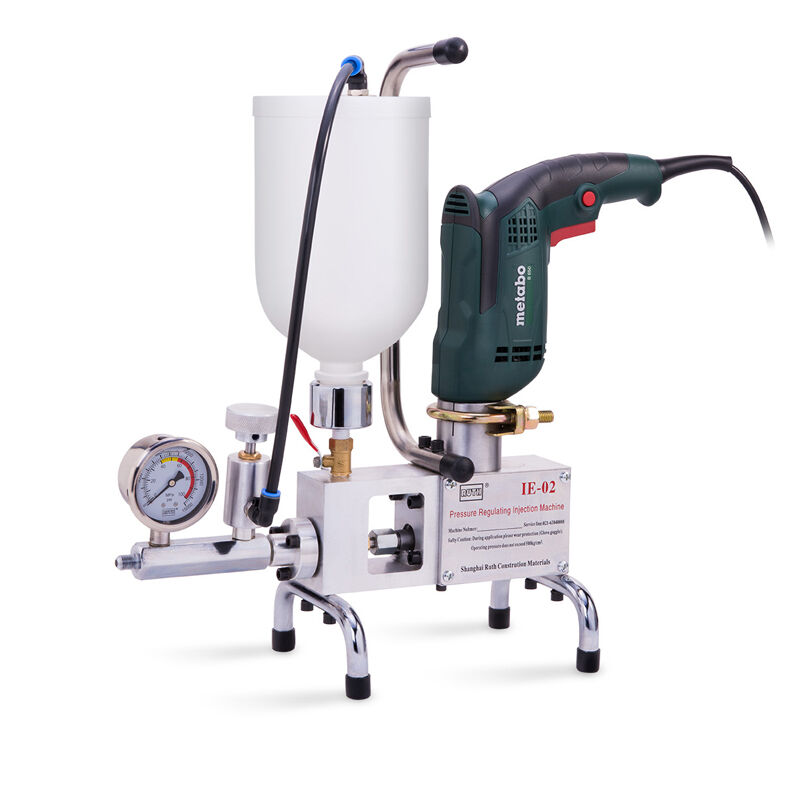
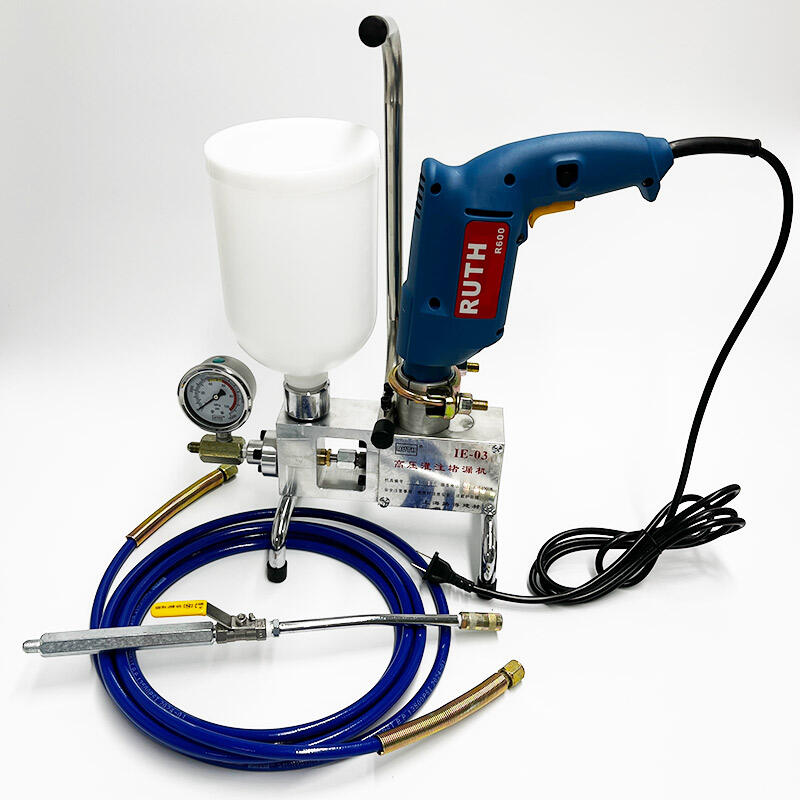
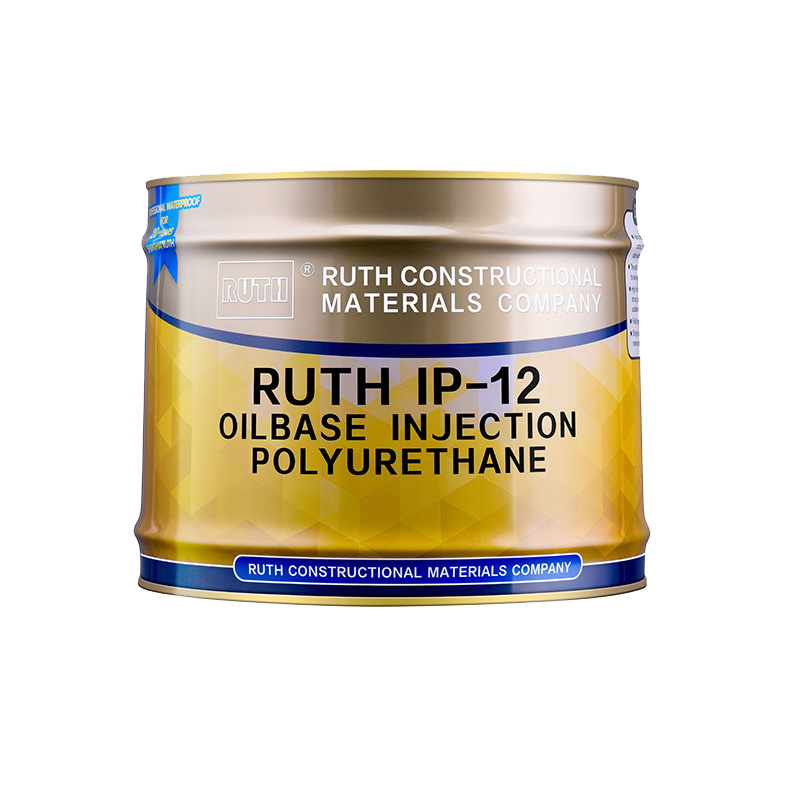
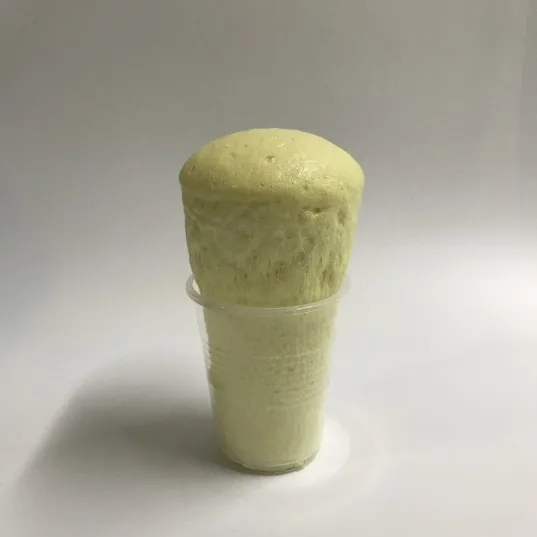
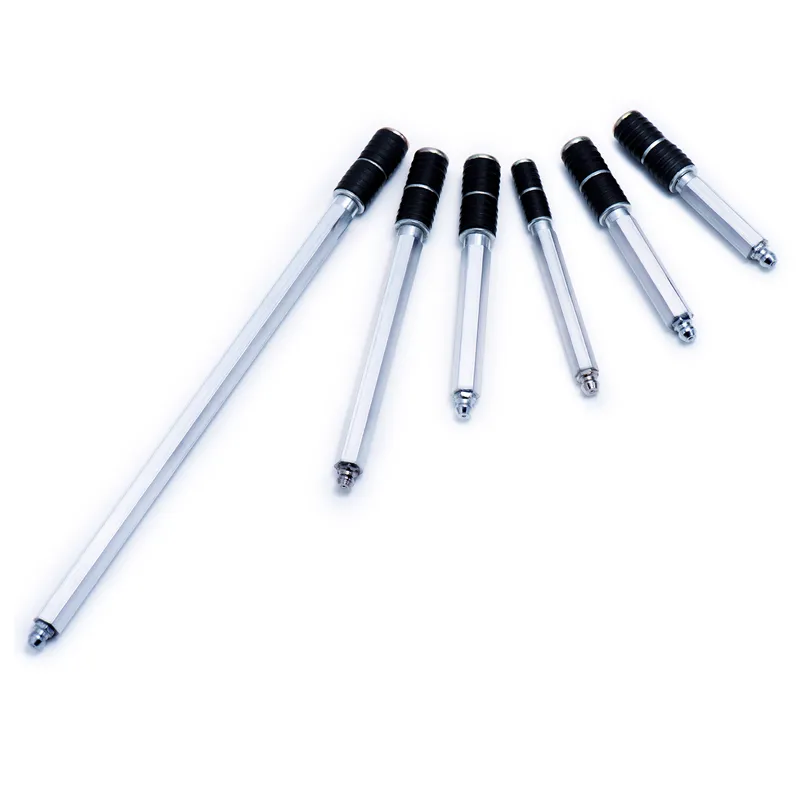
การปรับระดับคอนกรีตด้วยการฉีดโฟมเป็นวิธีการปฏิวัติวงการในการแก้ไขพื้นผิวคอนกรีตที่ไม่เรียบ โดยให้ทางเลือกที่มีประสิทธิภาพและคุ้มค่าสำหรับเจ้าของอสังหาริมทรัพย์ในการซ่อมแซมฐานรากและฟื้นฟูพื้นผิว นวัตกรรมนี้ใช้โฟมโพลียูรีเทนพิเศษที่ขยายตัวใต้แผ่นคอนกรีต เพื่อยกและคงตำแหน่งของแผ่นคอนกรีตให้กลับสู่ระดับเดิม กระบวนการนี้ประกอบด้วยการเจาะรูขนาดเล็กผ่านพื้นผิวคอนกรีตบริเวณที่ได้รับผลกระทบ จากนั้นจึงฉีดโฟมความหนาแน่นสูงเข้าไป ซึ่งจะแข็งตัวอย่างรวดเร็วและสร้างโครงสร้างรองรับถาวรใต้พื้นผิวคอนกรีต หน้าที่หลักของการปรับระดับคอนกรีตด้วยการฉีดโฟม ได้แก่ การแก้ไขพื้นทางขับรถที่ยุบตัว พื้นทางเดิน พื้นลานอเนกประสงค์ และแผ่นฐานรากที่ยุบตัว รวมทั้งป้องกันปัญหาการยุบตัวเพิ่มเติมในอนาคต คุณลักษณะเชิงเทคโนโลยีของวิธีนี้มุ่งเน้นไปที่ระบบฉีดที่แม่นยำ ซึ่งสามารถควบคุมแรงดันและปริมาตรของโฟมได้อย่างแม่นยำ โฟมโพลียูรีเทนที่ใช้ในการปรับระดับคอนกรีตด้วยการฉีดโฟมมีคุณสมบัติพิเศษ เช่น น้ำหนักเบา ความแข็งแรงสูงมาก และทนต่อความชื้นและภาวะอุณหภูมิเปลี่ยนแปลง ต่างจากวิธีแบบดั้งเดิมที่ต้องขุดลอกอย่างกว้างขวางและเทคอนกรีตใหม่ วิธีฉีดโฟมนี้สามารถแทรกซึมลึกลงไปในช่องว่างและรอยแยกใต้พื้นผิวคอนกรีตได้ จนเติมเต็มพื้นที่ที่มักจะยังคงเป็นปัญหาอยู่ตามปกติ โฟมจะขยายตัวประมาณสามสิบเท่าของปริมาตรในสถานะของเหลว จึงสร้างแรงยกที่มีน้ำหนักมากในขณะที่ยังคงรักษาความสมบูรณ์ของโครงสร้างไว้ แอปพลิเคชันของการปรับระดับคอนกรีตด้วยการฉีดโฟมครอบคลุมทั้งภาคที่อยู่อาศัย ภาคพาณิชย์ และภาคอุตสาหกรรม เจ้าของบ้านมักใช้เทคโนโลยีนี้ในการซ่อมแซมบันไดคอนกรีตที่ยุบตัว พื้นโรงจอดรถที่ไม่เรียบ และพื้นลานอเนกประสงค์ที่เอียง อาคารเชิงพาณิชย์ได้รับประโยชน์จากการฉีดโฟมเมื่อต้องจัดการกับพื้นโรงงานเก็บสินค้า ท่าขนถ่ายสินค้า และพื้นที่จอดรถที่ประสบปัญหายุบตัว ส่วนโรงงานอุตสาหกรรมใช้การปรับระดับคอนกรีตด้วยการฉีดโฟมสำหรับฐานรองรับเครื่องจักรหนักและระบบพื้นที่ต้องการมาตรฐานความสูงที่แม่นยำ ความหลากหลายของเทคโนโลยีนี้ทำให้สามารถใช้งานได้ทั้งกับพื้นผิวคอนกรีตภายในและภายนอกอาคาร โดยไม่ขึ้นกับสภาพดินหรือปัจจัยสิ่งแวดล้อมที่เป็นสาเหตุต้นตอของปัญหายุบตัว

 EN
EN