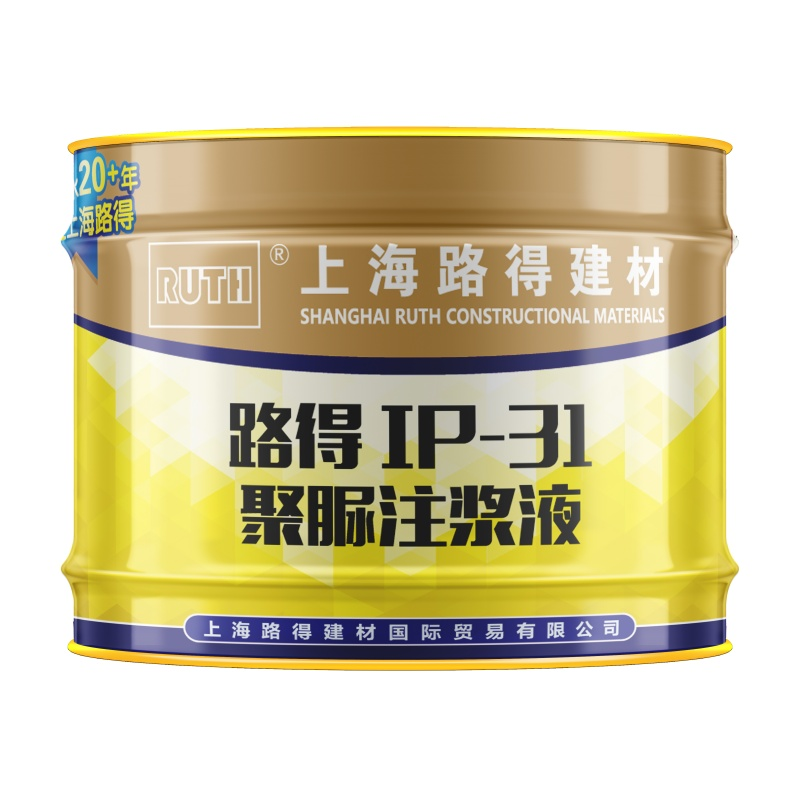
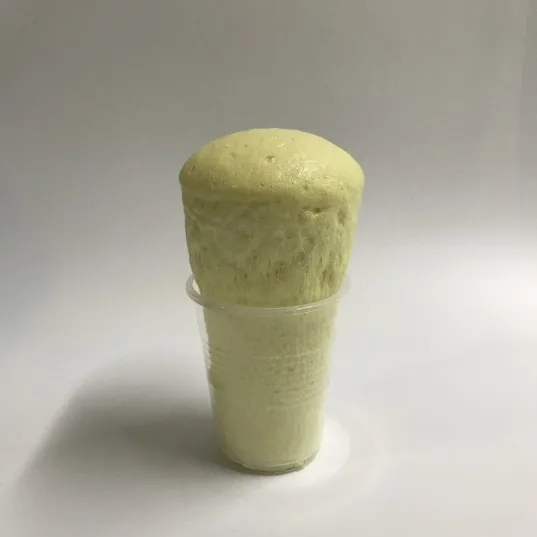
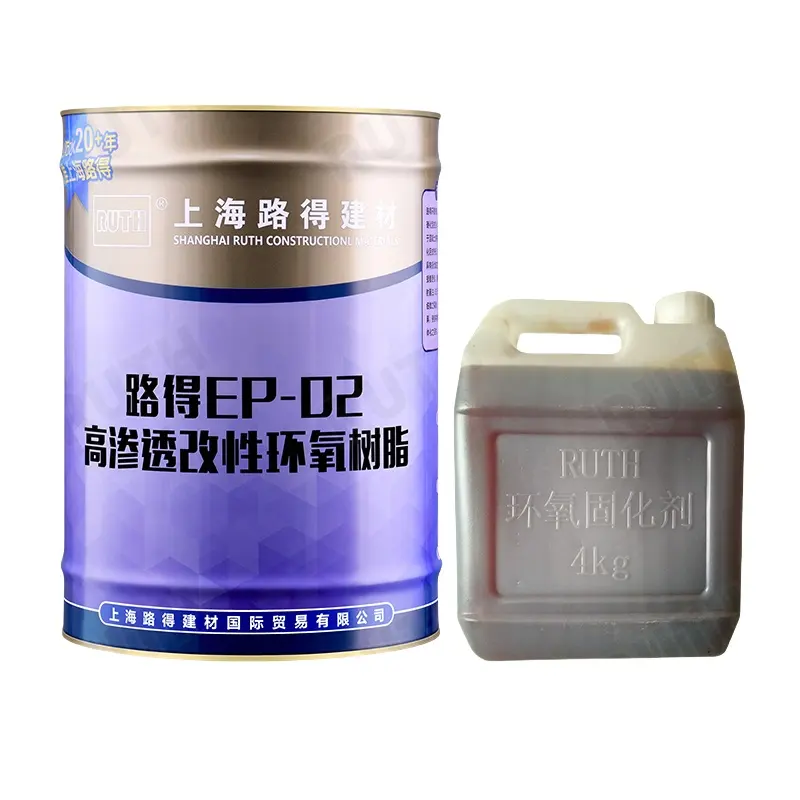
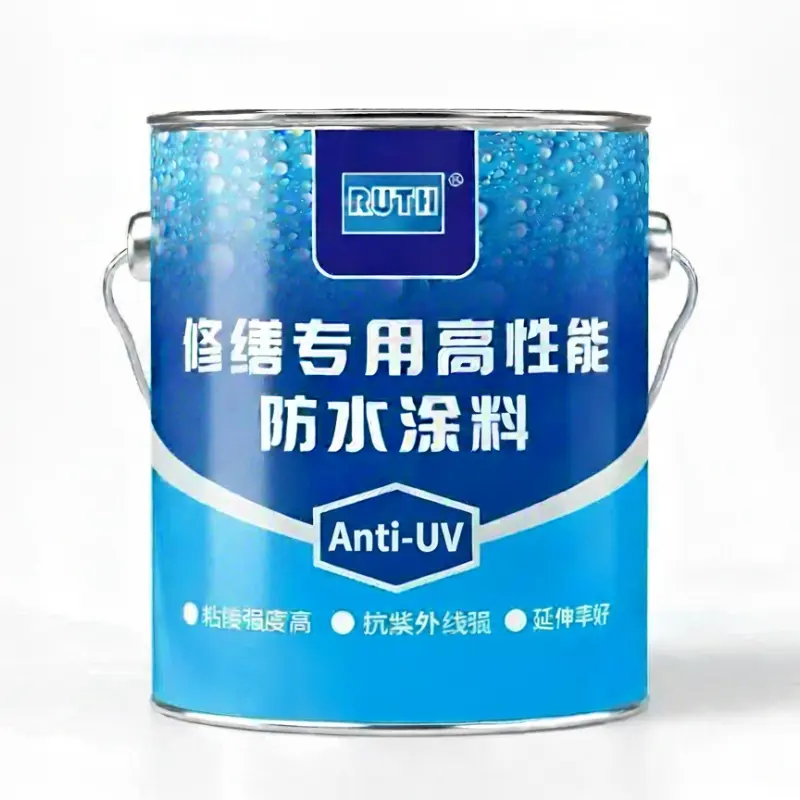
Professional Polyurethane Grout for Construction Mortar Joint Injection - Advanced Waterproofing Solutions

Get a Free Quote

Email
Name
Company Name
Message
0/1000

polyurethane grout for construction mortar joint injection

Polyurethane grout for construction mortar joint injection represents a cutting-edge solution designed to address critical structural integrity challenges in modern construction projects. This specialized material serves as an advanced chemical injection system that effectively seals, strengthens, and waterproofs mortar joints in masonry structures, concrete walls, and various building applications. The primary function of polyurethane grout for construction mortar joint injection involves creating a permanent barrier against water infiltration while simultaneously enhancing the mechanical properties of existing mortar joints. Unlike traditional repair methods, this innovative grout penetrates deeply into cracks, voids, and deteriorated areas, forming a flexible yet durable bond that adapts to structural movements without compromising its sealing capabilities. The technological features of polyurethane grout for construction mortar joint injection include exceptional adhesion properties, rapid curing characteristics, and superior chemical resistance. The material exhibits remarkable versatility, allowing for injection under various pressure conditions while maintaining consistent flow properties throughout the application process. Its low viscosity enables thorough penetration into hairline cracks and microscopic voids, ensuring comprehensive coverage even in hard-to-reach areas. The grout's chemical composition provides excellent compatibility with different substrate materials, including concrete, brick, stone, and various mortar types. Construction applications for polyurethane grout for construction mortar joint injection span across residential, commercial, and industrial projects. Common uses include foundation waterproofing, basement wall repairs, tunnel construction, bridge maintenance, and historic building restoration. The material proves particularly effective in situations where traditional repointing methods are impractical or insufficient. Its ability to cure underwater makes it ideal for below-grade applications and structures exposed to constant moisture. The injection process requires minimal disruption to existing structures, making it an optimal choice for occupied buildings and sensitive environments where extensive demolition is not feasible.

New Product Recommendations

The advantages of polyurethane grout for construction mortar joint injection deliver substantial practical benefits that directly impact project success and long-term structural performance. This advanced material offers superior waterproofing capabilities that surpass traditional mortar repair methods by creating a continuous, impermeable barrier throughout the entire joint system. The flexible nature of cured polyurethane grout for construction mortar joint injection accommodates natural building movements, thermal expansion, and settling without cracking or losing adhesion, ensuring lasting protection against water infiltration. Property owners benefit from reduced maintenance costs since the durable seal prevents recurring moisture problems that typically require repeated repairs with conventional materials. The injection process provides remarkable efficiency compared to traditional repointing techniques, allowing contractors to complete projects faster while minimizing labor costs and site disruption. Workers can inject polyurethane grout for construction mortar joint injection without removing existing mortar, eliminating the need for extensive preparation work and reducing project timelines significantly. The material's ability to cure in wet conditions means work can continue regardless of weather conditions or existing moisture levels, preventing costly project delays. Building owners appreciate the energy efficiency improvements that result from proper sealing, as reduced air infiltration leads to lower heating and cooling costs over the structure's lifetime. The chemical resistance properties of polyurethane grout for construction mortar joint injection protect against environmental pollutants, freeze-thaw cycles, and chemical exposure that commonly cause traditional mortar deterioration. This resistance translates into extended service life and reduced replacement frequency, providing excellent return on investment for property owners. The material's compatibility with various substrates means contractors can use it across different project types without worrying about adhesion failures or compatibility issues. Safety benefits include reduced exposure to dust and debris compared to mechanical removal methods, creating healthier working conditions for construction crews. The permanent nature of repairs using polyurethane grout for construction mortar joint injection eliminates the cyclical maintenance requirements associated with conventional mortar joints, providing building owners with peace of mind and predictable maintenance budgets. Environmental benefits include reduced waste generation since existing mortar remains in place, supporting sustainable construction practices while delivering superior performance results.

Practical Tips

What Are the Key Advantages of Polyurea Grout in Infrastructure Repair?

10

Feb

What Are the Key Advantages of Polyurea Grout in Infrastructure Repair?

Infrastructure repair and maintenance represent critical challenges in modern construction and civil engineering. Among the numerous materials available for structural restoration, polyurea grout has emerged as a revolutionary solution that addresses...
View More
What Are the Injection Requirements for Hydrophobic Polyurethane Materials?

20

Feb

What Are the Injection Requirements for Hydrophobic Polyurethane Materials?

Understanding the injection requirements for hydrophobic polyurethane materials is crucial for successful waterproofing and structural repair applications. These specialized materials offer exceptional resistance to water penetration while maintainin...
View More
How Does Hydrophobic Polyurethane Perform Compared to Hydrophilic Systems?

20

Mar

How Does Hydrophobic Polyurethane Perform Compared to Hydrophilic Systems?

Understanding the performance differences between hydrophobic polyurethane and hydrophilic systems is crucial for engineers, contractors, and facility managers making informed decisions about waterproofing and sealing solutions. While both systems of...
View More
How Do Contractors Choose Hydrophilic Polyurethane for Wet Conditions?

25

Mar

How Do Contractors Choose Hydrophilic Polyurethane for Wet Conditions?

Waterproofing in wet conditions presents unique challenges that demand specialized solutions. When contractors face persistent moisture issues, concrete joints, and foundation leaks, selecting the right sealant becomes critical for project success. H...
View More

Get a Free Quote

Email
Name
Company Name
Message
0/1000

polyurethane grout for construction mortar joint injection

Revolutionary Waterproofing Technology

Revolutionary Waterproofing Technology

The waterproofing technology incorporated in polyurethane grout for construction mortar joint injection represents a revolutionary advancement in construction materials science that fundamentally transforms how professionals approach structural sealing challenges. This sophisticated chemical formulation creates an impermeable barrier system that provides complete protection against water infiltration, even under extreme hydrostatic pressure conditions that would compromise traditional sealing methods. The molecular structure of polyurethane grout for construction mortar joint injection enables it to form chemical bonds with substrate materials at the microscopic level, creating a monolithic seal that becomes an integral part of the existing structure rather than simply coating the surface. This deep penetration capability ensures that the waterproofing protection extends throughout the entire depth of mortar joints, eliminating potential failure points that commonly occur with surface-applied sealants. The technology demonstrates exceptional performance in challenging environments where conventional waterproofing solutions fail, including below-grade applications, marine structures, and buildings exposed to aggressive weather conditions. Property owners benefit from this advanced waterproofing technology through dramatically reduced water damage risks, including prevention of mold growth, structural deterioration, and interior moisture problems that can compromise building integrity and occupant health. The long-term effectiveness of polyurethane grout for construction mortar joint injection waterproofing technology means building owners can expect decades of reliable protection without the recurring maintenance costs associated with traditional sealing methods. Construction professionals value this technology because it provides predictable results across various project conditions, allowing for confident project planning and reliable performance guarantees to clients. The waterproofing system created by polyurethane grout for construction mortar joint injection adapts to structural movements and temperature fluctuations without compromising its sealing integrity, ensuring consistent protection throughout the building's service life. This technological advancement has proven particularly valuable in historic building preservation projects where maintaining original architectural elements while providing modern waterproofing performance requires innovative solutions that respect structural integrity while delivering contemporary protection standards.
Exceptional Structural Strengthening Properties

Exceptional Structural Strengthening Properties

The structural strengthening properties of polyurethane grout for construction mortar joint injection deliver transformative improvements to building stability and load-bearing capacity that extend far beyond simple crack repair or cosmetic enhancement. This advanced material penetrates deeply into deteriorated mortar joints and creates a reinforcing matrix that actually increases the overall structural integrity of masonry walls and concrete assemblies. The chemical composition of polyurethane grout for construction mortar joint injection forms strong adhesive bonds with surrounding materials while providing enhanced tensile and flexural strength characteristics that help distribute structural loads more effectively across the entire wall system. Engineering studies demonstrate that structures treated with polyurethane grout for construction mortar joint injection exhibit improved resistance to seismic forces, wind loads, and other dynamic stresses that can cause traditional mortar joints to fail under extreme conditions. The strengthening effect occurs because the injected material creates a continuous load path through previously weakened or disconnected masonry units, effectively restoring the monolithic behavior that characterizes properly constructed masonry assemblies. Construction professionals recognize that these strengthening properties make polyurethane grout for construction mortar joint injection particularly valuable for rehabilitation projects where building codes require enhanced structural performance without complete reconstruction. The material's ability to strengthen existing structures while preserving original architectural character makes it indispensable for historic preservation projects where maintaining authentic appearance while meeting modern safety standards presents significant challenges. Property owners benefit from the structural strengthening properties through increased building value, improved safety margins, and extended service life of their structures without the massive costs associated with complete reconstruction or extensive structural modifications. The strengthening effects of polyurethane grout for construction mortar joint injection remain stable over time, providing long-term structural improvements that continue to benefit building performance throughout its operational life. This structural enhancement capability proves especially critical in older buildings where original mortar has deteriorated due to age, environmental exposure, or inadequate initial construction practices, allowing for cost-effective restoration that meets contemporary structural requirements while preserving valuable architectural heritage.
Rapid Installation with Minimal Disruption

Rapid Installation with Minimal Disruption

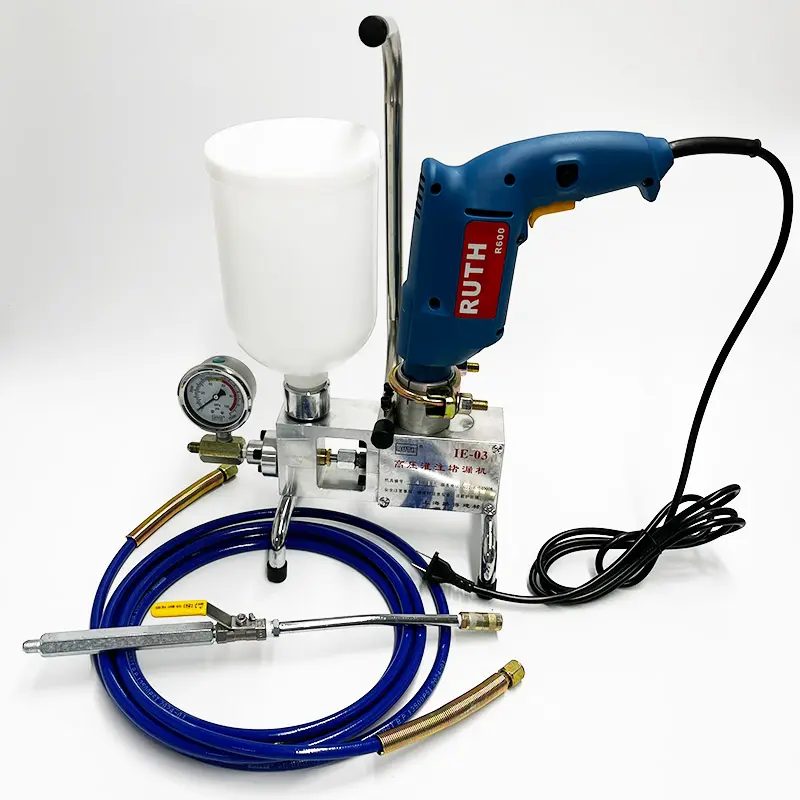
The rapid installation process associated with polyurethane grout for construction mortar joint injection revolutionizes construction project management by delivering professional-grade results while minimizing site disruption and accelerating project completion timelines significantly. This advanced injection methodology eliminates the time-consuming demolition and reconstruction phases typically required for traditional mortar joint repairs, allowing contractors to complete sealing and strengthening work in fractions of the time needed for conventional approaches. The streamlined application process for polyurethane grout for construction mortar joint injection requires only strategic drilling of small injection ports followed by pressurized material delivery, meaning workers can treat extensive wall systems without the dust, noise, and debris associated with mechanical mortar removal techniques. Project managers appreciate how this rapid installation capability enables work to proceed in occupied buildings with minimal impact on daily operations, making it possible to complete essential structural repairs without relocating tenants or interrupting business activities. The efficiency gains from using polyurethane grout for construction mortar joint injection translate directly into cost savings through reduced labor hours, shortened project schedules, and eliminated material handling requirements for debris removal and new mortar installation. Construction crews benefit from simplified logistics since the injection process requires fewer specialized tools and materials compared to traditional repointing operations, while the rapid curing characteristics of polyurethane grout for construction mortar joint injection mean subsequent construction activities can proceed without extended waiting periods for material strength development. Building owners experience minimal inconvenience during repair work since the injection process generates virtually no dust or debris, eliminating the need for extensive protection measures or temporary relocation of sensitive equipment and furnishings. The speed advantage of polyurethane grout for construction mortar joint injection becomes particularly valuable in emergency repair situations where rapid response times are critical for preventing further structural damage or maintaining building occupancy. Weather conditions have minimal impact on installation schedules since the material can be applied in various temperature and humidity conditions, preventing weather-related delays that commonly affect traditional mortar work. This rapid installation capability, combined with the permanent nature of repairs achieved with polyurethane grout for construction mortar joint injection, provides building owners with immediate problem resolution and long-term peace of mind without the extended construction disruption typically associated with comprehensive structural repairs.

Get a Free Quote

Email
Name
Company Name
Message
0/1000
Newsletter
Please Leave A Message With Us