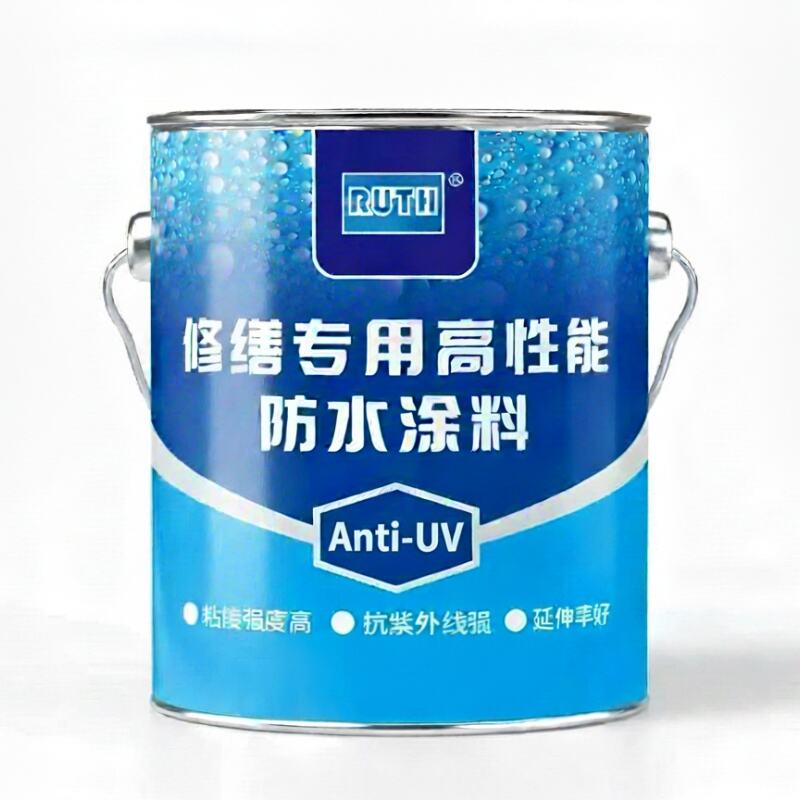
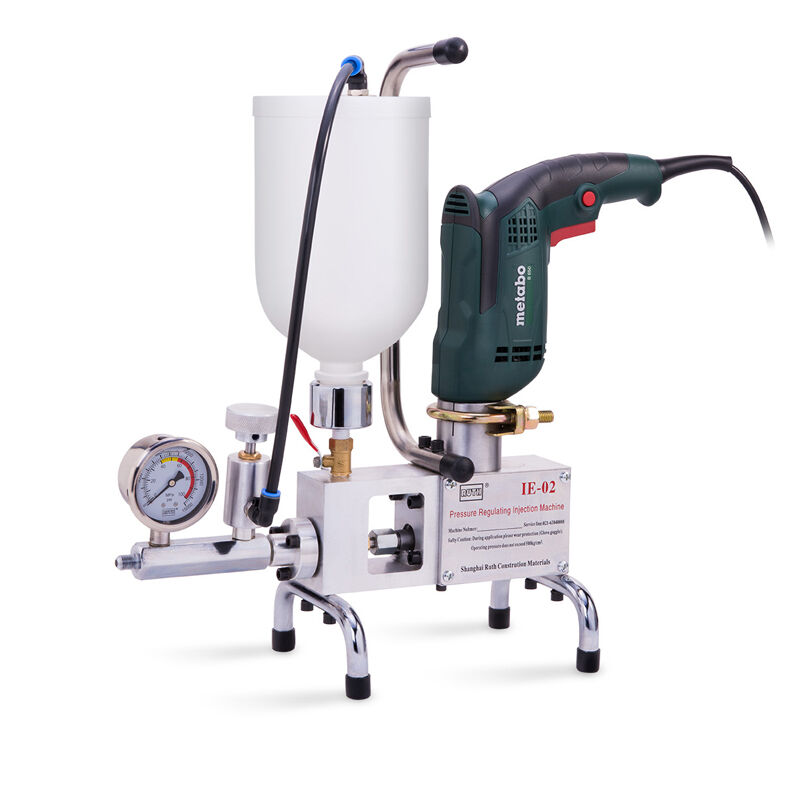
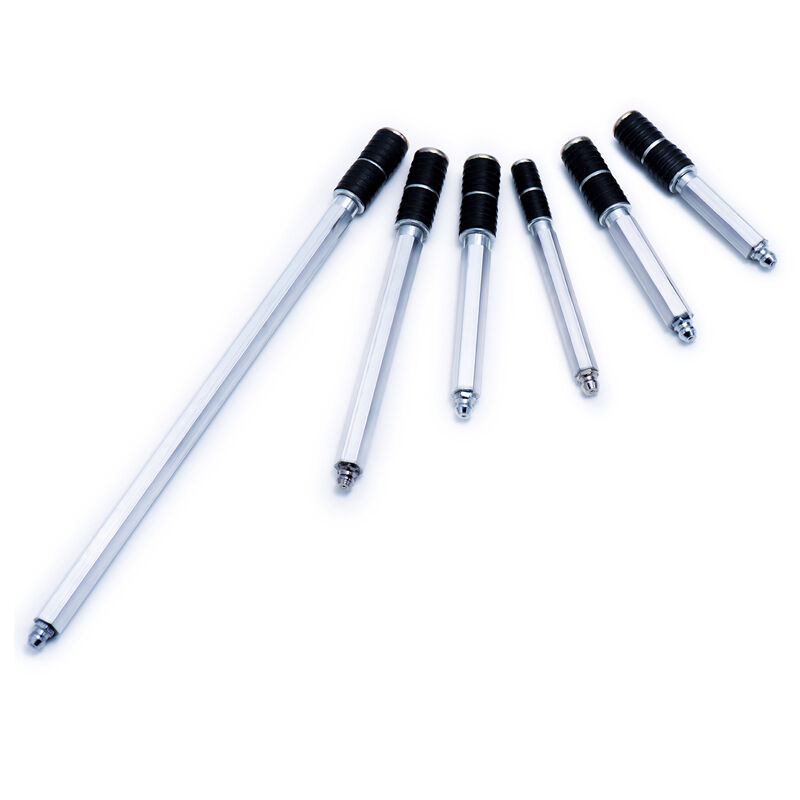
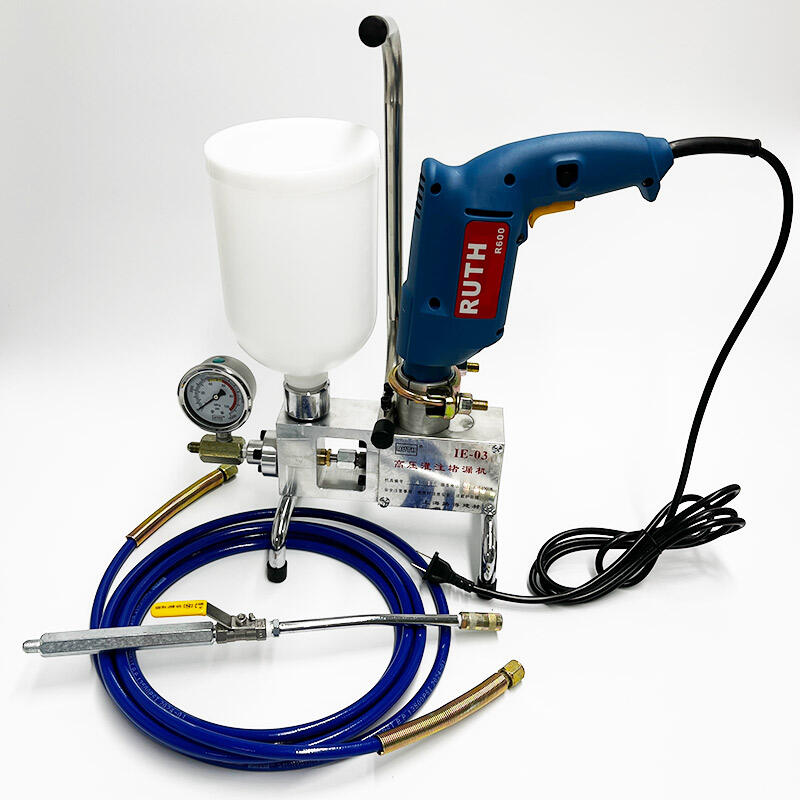
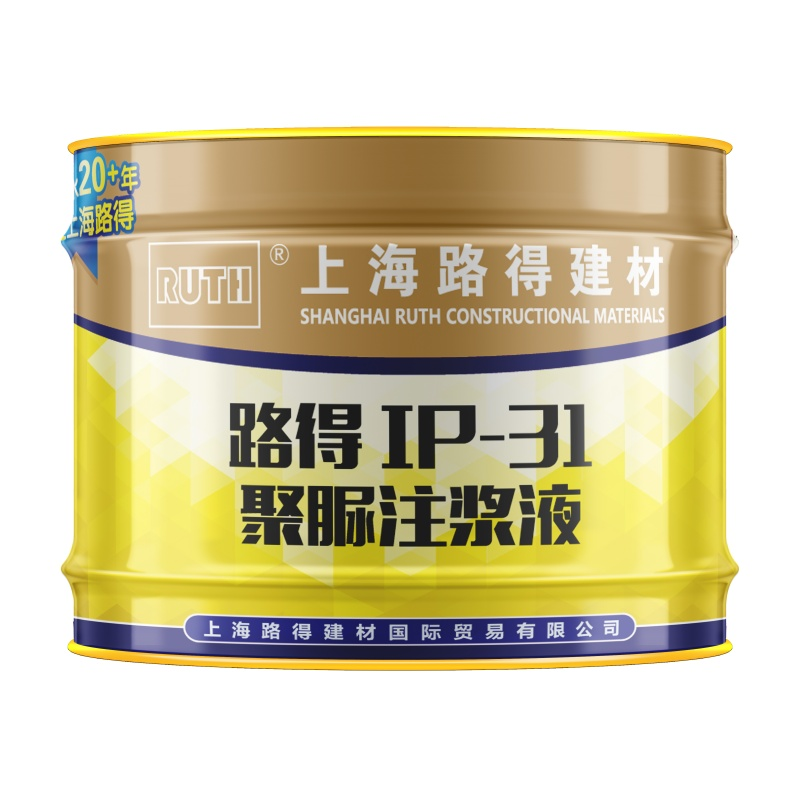
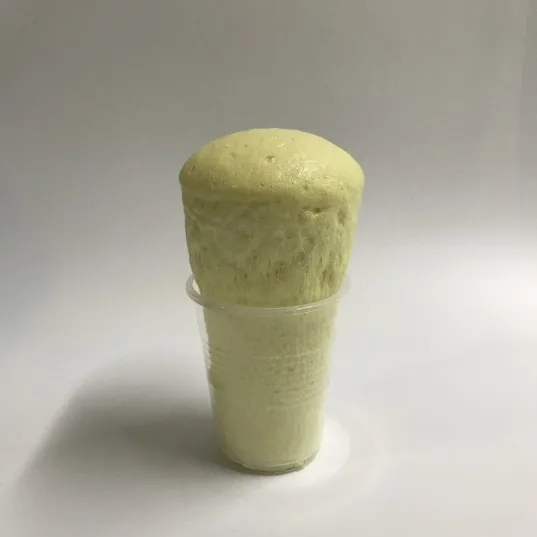
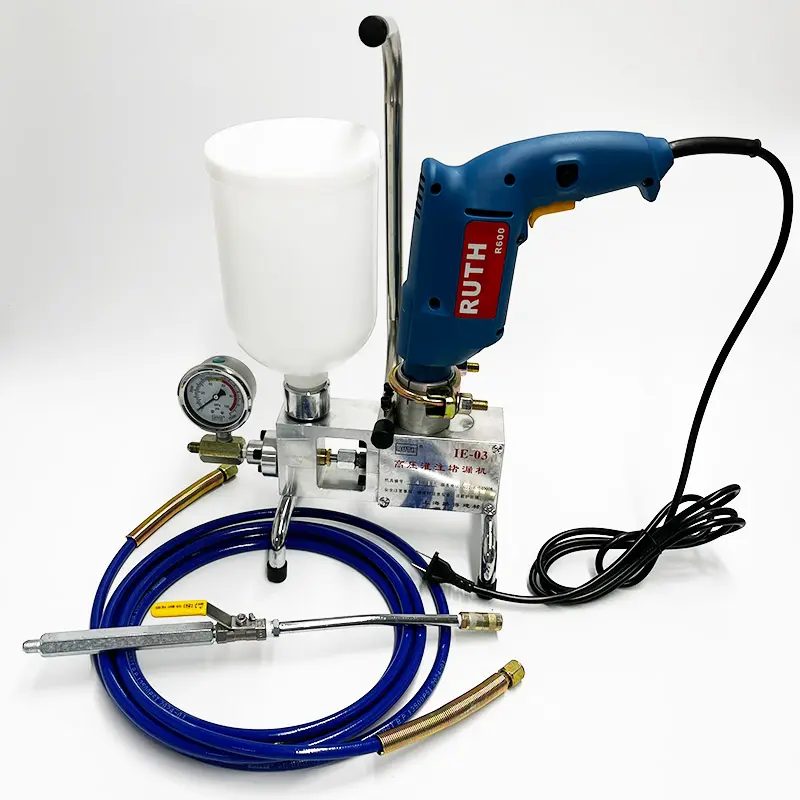
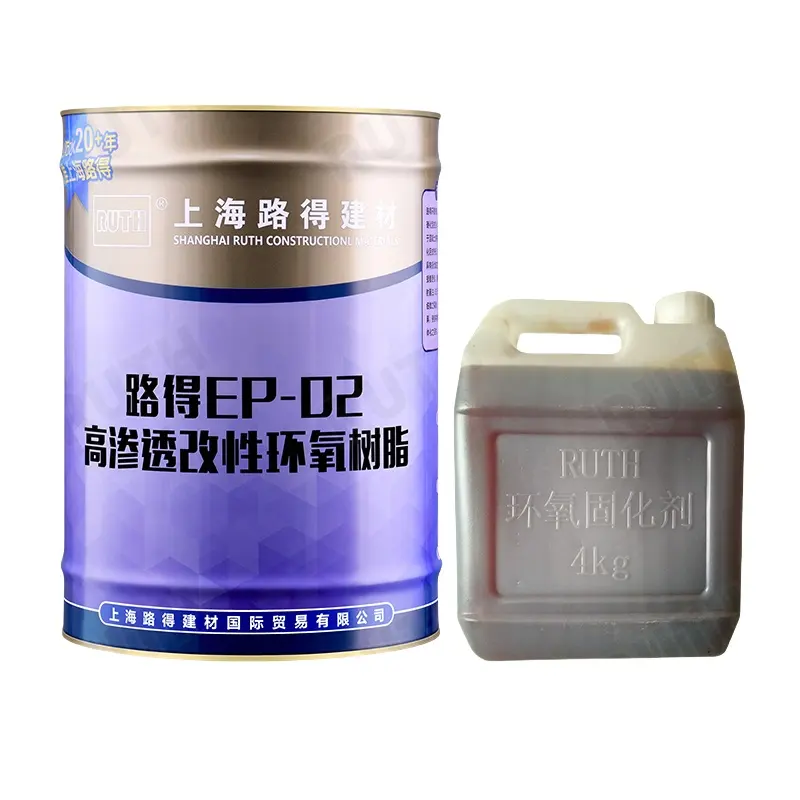
polyurethane grout for construction mortar joint injection
Polyurethane grout for construction mortar joint injection represents a cutting-edge solution designed to address critical structural integrity challenges in modern construction projects. This specialized material serves as an advanced chemical injection system that effectively seals, strengthens, and waterproofs mortar joints in masonry structures, concrete walls, and various building applications. The primary function of polyurethane grout for construction mortar joint injection involves creating a permanent barrier against water infiltration while simultaneously enhancing the mechanical properties of existing mortar joints. Unlike traditional repair methods, this innovative grout penetrates deeply into cracks, voids, and deteriorated areas, forming a flexible yet durable bond that adapts to structural movements without compromising its sealing capabilities. The technological features of polyurethane grout for construction mortar joint injection include exceptional adhesion properties, rapid curing characteristics, and superior chemical resistance. The material exhibits remarkable versatility, allowing for injection under various pressure conditions while maintaining consistent flow properties throughout the application process. Its low viscosity enables thorough penetration into hairline cracks and microscopic voids, ensuring comprehensive coverage even in hard-to-reach areas. The grout's chemical composition provides excellent compatibility with different substrate materials, including concrete, brick, stone, and various mortar types. Construction applications for polyurethane grout for construction mortar joint injection span across residential, commercial, and industrial projects. Common uses include foundation waterproofing, basement wall repairs, tunnel construction, bridge maintenance, and historic building restoration. The material proves particularly effective in situations where traditional repointing methods are impractical or insufficient. Its ability to cure underwater makes it ideal for below-grade applications and structures exposed to constant moisture. The injection process requires minimal disruption to existing structures, making it an optimal choice for occupied buildings and sensitive environments where extensive demolition is not feasible.

 EN
EN