Professional Soil Injection Grouting Services - Advanced Ground Stabilization Solutions

Get a Free Quote

Email
Name
Company Name
Message
0/1000

soil injection grouting

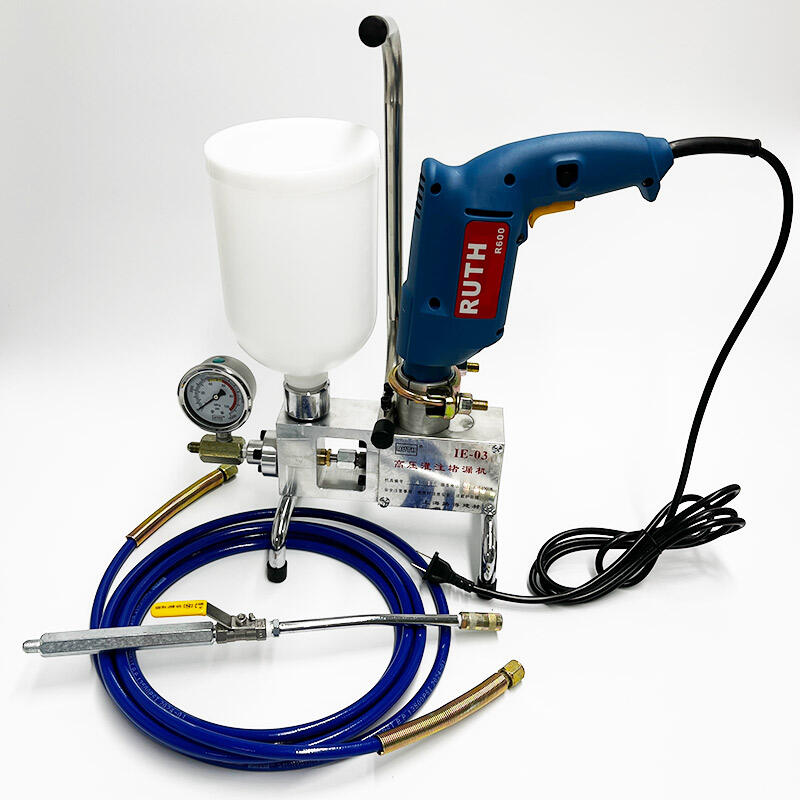
Soil injection grouting represents a specialized ground improvement technique that enhances soil properties through the pressurized injection of grout materials into subsurface formations. This proven methodology serves multiple critical functions in construction and geotechnical engineering projects. The primary purpose involves stabilizing weak or unstable soil conditions, controlling groundwater infiltration, and creating impermeable barriers beneath structures. The soil injection grouting process utilizes various grout mixtures, including cement-based solutions, chemical compounds, and specialized polymers, depending on specific project requirements and soil characteristics. Technological features of this system include precision injection equipment capable of controlling pressure, flow rates, and grout composition in real-time. Advanced monitoring systems track penetration depths and spread patterns, ensuring optimal coverage and effectiveness. The injection process typically employs multiple injection points arranged in systematic grids or patterns to achieve comprehensive soil treatment. Modern soil injection grouting techniques incorporate sophisticated drilling equipment that can access difficult terrain and confined spaces with minimal disruption to existing structures. Applications span numerous industries and project types, from foundation reinforcement in commercial buildings to tunnel stabilization in transportation infrastructure. Mining operations frequently utilize soil injection grouting for shaft sealing and ground consolidation around extraction sites. Environmental remediation projects employ this technology to create containment barriers preventing contamination spread. Marine construction projects benefit from underwater soil injection grouting applications for pier foundation stabilization and seawall reinforcement. The versatility of soil injection grouting extends to emergency repair situations where rapid ground stabilization prevents further structural damage. Construction projects in areas with challenging soil conditions, such as loose sands, soft clays, or fractured rock formations, regularly implement this technology to ensure long-term structural integrity and safety compliance.

New Products

The implementation of soil injection grouting delivers substantial benefits that directly address common construction and engineering challenges while providing long-term value for project stakeholders. Cost-effectiveness stands as a primary advantage, as this method eliminates the need for expensive excavation and soil replacement procedures. Projects save significant money by treating existing soil conditions in place rather than importing massive quantities of new materials. The process reduces labor requirements compared to traditional ground improvement methods, lowering overall project expenses while maintaining superior quality results. Time efficiency represents another crucial benefit, with soil injection grouting operations completing ground stabilization tasks much faster than conventional approaches. Construction schedules remain on track because crews can begin foundation work immediately after grout curing, eliminating extended waiting periods associated with other soil treatment methods. The minimally invasive nature of soil injection grouting protects surrounding structures and landscapes from damage that typically occurs during major excavation projects. Property owners appreciate this gentle approach that preserves existing features while achieving necessary ground improvements. Environmental benefits emerge from reduced material transportation requirements, lower carbon emissions from construction equipment, and minimal surface disruption that protects local ecosystems. The precision control capabilities of modern soil injection grouting systems ensure optimal material usage without waste, contributing to sustainable construction practices. Versatility in application allows contractors to address diverse soil conditions and project requirements using the same fundamental technology with appropriate grout formulations. The permanent nature of properly executed soil injection grouting provides decades of reliable performance without requiring frequent maintenance or replacement. Quality control measures built into the process include real-time monitoring and testing protocols that verify treatment effectiveness before project completion. This comprehensive approach reduces risks associated with ground failure and provides project owners with confidence in long-term structural stability. The adaptability of soil injection grouting systems accommodates changes in project scope or unexpected soil conditions without significant delays or cost overruns, making it an ideal solution for complex construction environments.

Latest News

How Does Polyurethane Injection Adapt to Different Leak Conditions?

02

Feb

How Does Polyurethane Injection Adapt to Different Leak Conditions?

Water intrusion and structural leaks present persistent challenges across construction, infrastructure, and industrial sectors. Traditional repair methods often fall short when addressing complex leak scenarios, particularly in challenging environmen...
View More
What Are the Key Advantages of Polyurea Grout in Infrastructure Repair?

10

Feb

What Are the Key Advantages of Polyurea Grout in Infrastructure Repair?

Infrastructure repair and maintenance represent critical challenges in modern construction and civil engineering. Among the numerous materials available for structural restoration, polyurea grout has emerged as a revolutionary solution that addresses...
View More
How Do Large Projects Benefit from Hydrophobic Polyurethane Grouting?

16

Feb

How Do Large Projects Benefit from Hydrophobic Polyurethane Grouting?

Large-scale construction and infrastructure projects face numerous challenges when it comes to water infiltration and structural integrity. From underground tunnels and basements to industrial facilities and marine structures, preventing water damage...
View More
How Does Hydrophobic Polyurethane Perform Compared to Hydrophilic Systems?

20

Mar

How Does Hydrophobic Polyurethane Perform Compared to Hydrophilic Systems?

Understanding the performance differences between hydrophobic polyurethane and hydrophilic systems is crucial for engineers, contractors, and facility managers making informed decisions about waterproofing and sealing solutions. While both systems of...
View More

Get a Free Quote

Email
Name
Company Name
Message
0/1000

soil injection grouting

Advanced Precision Control Technology

Advanced Precision Control Technology

Modern soil injection grouting systems incorporate cutting-edge precision control technology that revolutionizes ground treatment accuracy and effectiveness. This sophisticated technological framework enables operators to monitor and adjust critical parameters including injection pressure, flow rate, grout viscosity, and penetration depth in real-time throughout the treatment process. The advanced control systems utilize digital sensors and automated feedback mechanisms that continuously analyze soil conditions and grout behavior, automatically optimizing injection parameters to achieve maximum effectiveness. Computer-controlled pumping systems maintain consistent pressure levels while accommodating varying soil densities and permeability characteristics encountered during injection operations. The precision control technology includes GPS-guided positioning systems that ensure accurate placement of injection points according to engineered specifications, eliminating guesswork and human error from the process. Data logging capabilities capture comprehensive treatment records including injection volumes, pressures, and timing sequences, providing valuable documentation for quality assurance and future reference. The sophisticated monitoring equipment detects changes in soil response during injection, alerting operators to potential issues before they compromise treatment effectiveness. This proactive approach prevents over-injection that could damage surrounding structures while ensuring complete coverage of targeted soil zones. Remote monitoring capabilities allow project supervisors to oversee multiple injection operations simultaneously from centralized control stations, improving efficiency and coordination across large construction sites. The precision control technology integrates seamlessly with existing construction management systems, providing real-time progress updates and performance metrics to stakeholders. Quality verification protocols built into the control systems include automated testing sequences that confirm grout penetration and soil improvement before crews move to subsequent injection locations. This systematic approach eliminates gaps in treatment coverage that could compromise overall project performance and provides clients with verifiable proof of successful soil improvement throughout the treated area.
Exceptional Versatility Across Soil Types

Exceptional Versatility Across Soil Types

The exceptional versatility of soil injection grouting technology enables effective treatment across virtually all soil types and geological conditions, making it the preferred solution for diverse construction challenges. This adaptability stems from the ability to customize grout formulations and injection techniques to match specific soil characteristics and project requirements. Clay soils with low permeability benefit from specialized high-pressure injection techniques using ultra-fine cement grouts that penetrate microscopic fissures and create comprehensive stabilization networks. Sandy soils require different approaches utilizing polymer-based grouts that bind loose particles while maintaining natural drainage characteristics essential for long-term stability. Rocky formations with extensive fracture networks receive targeted chemical grout injections that seal voids and create monolithic structures capable of supporting heavy loads. The versatility extends to contaminated soils where specialized grout formulations neutralize harmful substances while simultaneously improving mechanical properties. Organic soils and peat formations, traditionally challenging for conventional stabilization methods, respond effectively to bio-compatible grout mixtures that work with natural decomposition processes rather than against them. Underwater applications demonstrate remarkable versatility through specialized equipment and grout formulations designed to cure effectively in saturated conditions without compromising bond strength or durability. The technology accommodates extreme temperature conditions from arctic construction sites to desert environments through temperature-specific grout additives and curing agents. Mixed soil conditions containing layers of different materials benefit from variable injection strategies that address each stratum appropriately within a single treatment program. The versatility of soil injection grouting includes compatibility with existing structures, allowing ground improvement around active foundations without disrupting building operations or compromising structural integrity. Emergency applications showcase ultimate versatility through rapid deployment capabilities and fast-curing grout formulations that stabilize dangerous ground conditions within hours of identification. This comprehensive adaptability reduces project risks by ensuring effective solutions regardless of unexpected soil conditions encountered during construction, providing clients with confidence that their ground improvement needs will be met efficiently and reliably.
Long-Term Durability and Performance Reliability

Long-Term Durability and Performance Reliability

The long-term durability and performance reliability of soil injection grouting systems provide exceptional value through decades of consistent ground stabilization without degradation or failure. This outstanding longevity stems from carefully engineered grout formulations that create permanent chemical and mechanical bonds with surrounding soil particles, forming integrated composite materials stronger than original soil conditions. Laboratory testing and field monitoring of soil injection grouting installations dating back over fifty years demonstrate consistent performance characteristics that maintain or improve over time as curing processes continue. The durability advantage becomes particularly evident in challenging environmental conditions where temperature fluctuations, moisture variations, and chemical exposure could compromise lesser ground improvement methods. Properly executed soil injection grouting withstands freeze-thaw cycles that destroy conventional soil stabilization approaches, maintaining structural integrity through extreme weather conditions. The chemical resistance of modern grout formulations protects against groundwater contamination and industrial pollutants that could weaken other stabilization materials over extended periods. Long-term monitoring data reveals that soil injection grouting actually increases in strength during initial years following installation as complete hydration and curing processes continue developing stronger molecular bonds. The reliability factor extends to seismic performance where flexible grout matrices accommodate ground movement without cracking or separation, maintaining protective barriers and structural support during earthquake events. Maintenance requirements remain minimal throughout the service life of soil injection grouting installations, eliminating ongoing costs associated with repairs or replacement that burden alternative ground improvement methods. Performance reliability includes consistent load-bearing capacity that supports structure foundations and heavy equipment operations without settlement or deformation issues commonly experienced with untreated soils. The proven track record of soil injection grouting in critical infrastructure projects including highways, airports, and industrial facilities demonstrates reliability under demanding operational conditions. Quality control measures implemented during installation ensure proper curing and complete soil penetration that contribute to exceptional long-term performance characteristics. This combination of durability and reliability provides project owners with confidence in their investment while reducing lifecycle costs through elimination of future ground treatment requirements, making soil injection grouting the smart choice for sustainable construction practices.

Get a Free Quote

Email
Name
Company Name
Message
0/1000
Newsletter
Please Leave A Message With Us