soil injection grouting
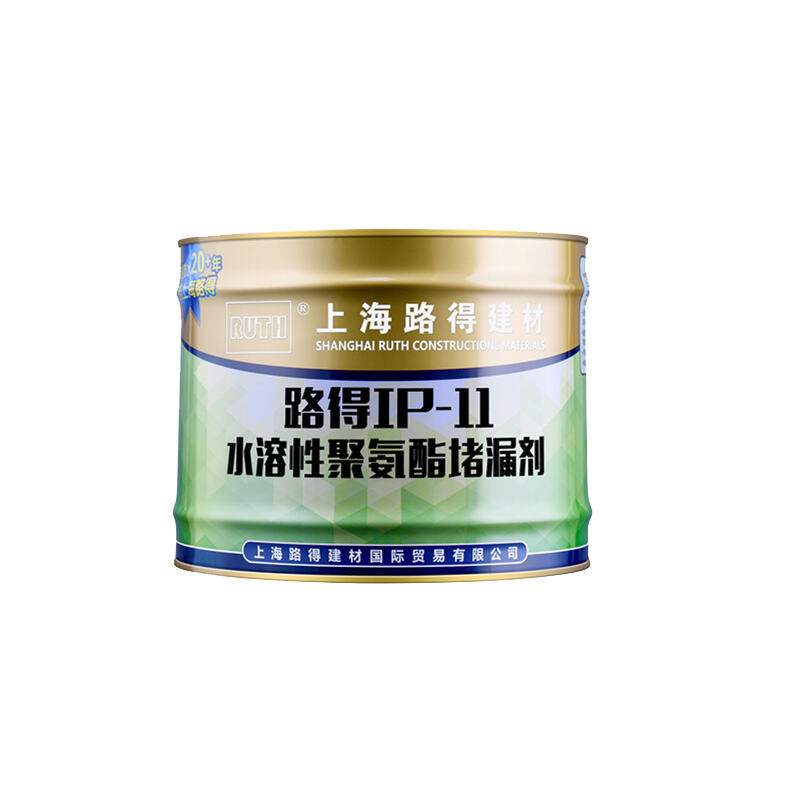
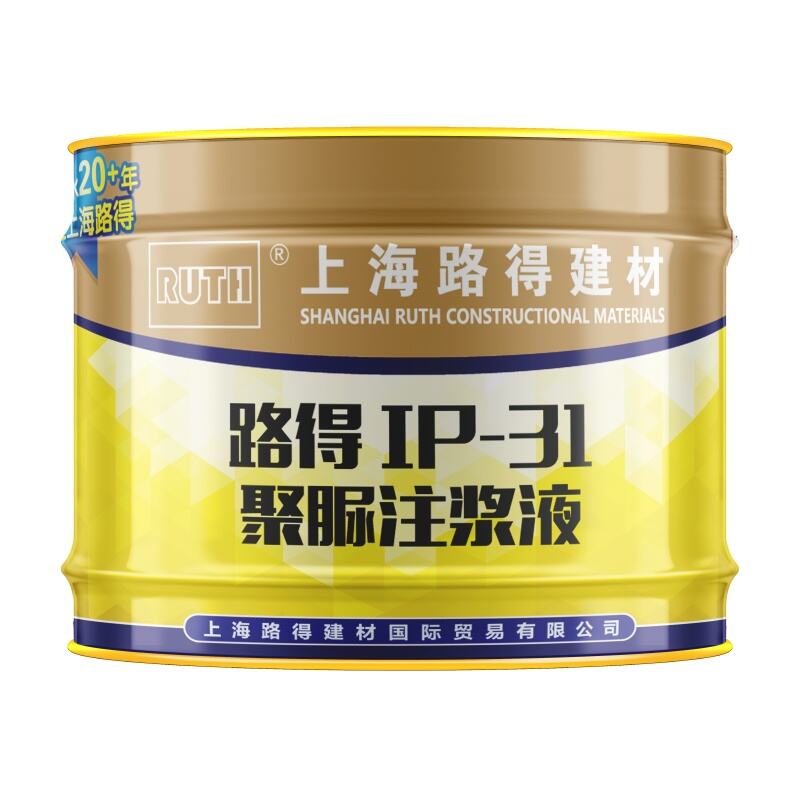
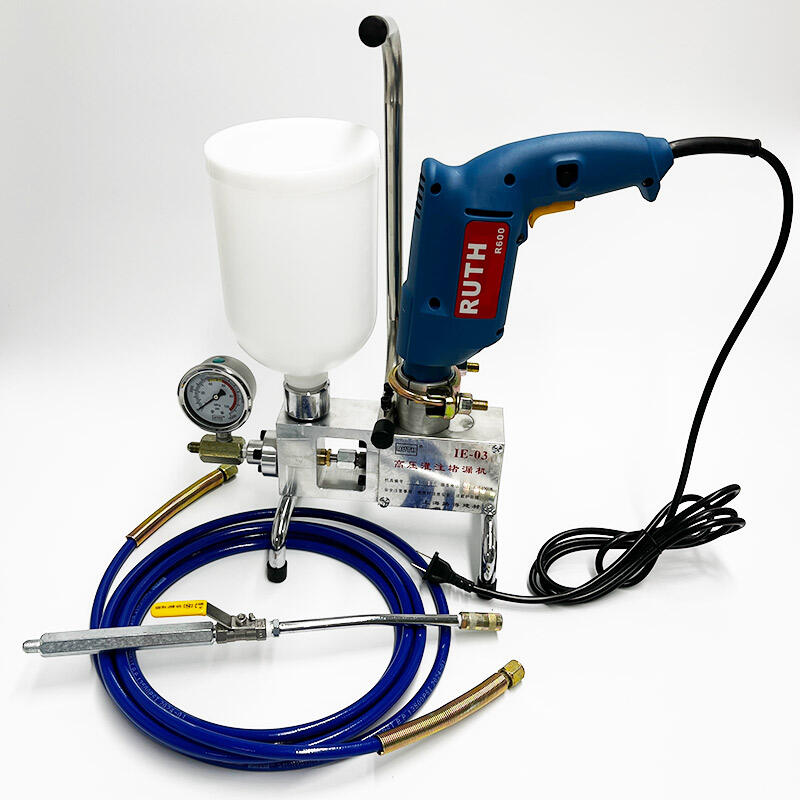
Soil injection grouting represents a specialized ground improvement technique that enhances soil properties through the pressurized injection of grout materials into subsurface formations. This proven methodology serves multiple critical functions in construction and geotechnical engineering projects. The primary purpose involves stabilizing weak or unstable soil conditions, controlling groundwater infiltration, and creating impermeable barriers beneath structures. The soil injection grouting process utilizes various grout mixtures, including cement-based solutions, chemical compounds, and specialized polymers, depending on specific project requirements and soil characteristics. Technological features of this system include precision injection equipment capable of controlling pressure, flow rates, and grout composition in real-time. Advanced monitoring systems track penetration depths and spread patterns, ensuring optimal coverage and effectiveness. The injection process typically employs multiple injection points arranged in systematic grids or patterns to achieve comprehensive soil treatment. Modern soil injection grouting techniques incorporate sophisticated drilling equipment that can access difficult terrain and confined spaces with minimal disruption to existing structures. Applications span numerous industries and project types, from foundation reinforcement in commercial buildings to tunnel stabilization in transportation infrastructure. Mining operations frequently utilize soil injection grouting for shaft sealing and ground consolidation around extraction sites. Environmental remediation projects employ this technology to create containment barriers preventing contamination spread. Marine construction projects benefit from underwater soil injection grouting applications for pier foundation stabilization and seawall reinforcement. The versatility of soil injection grouting extends to emergency repair situations where rapid ground stabilization prevents further structural damage. Construction projects in areas with challenging soil conditions, such as loose sands, soft clays, or fractured rock formations, regularly implement this technology to ensure long-term structural integrity and safety compliance.

 EN
EN