
 EN
EN



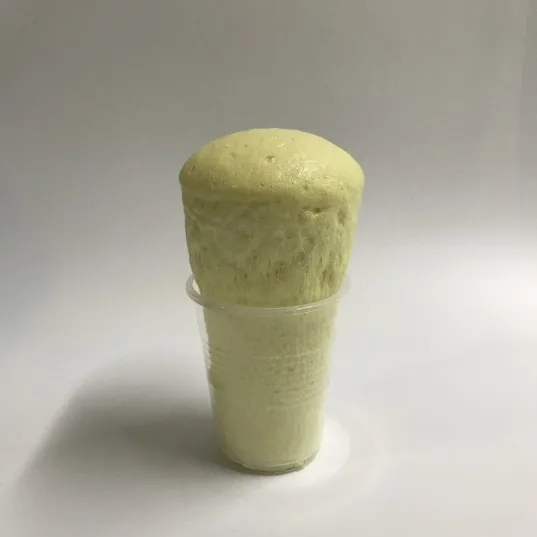
Waterproofing in wet conditions presents unique challenges that demand specialized solutions. When contractors face persistent moisture issues, concrete joints, and foundation leaks, selecting the right sealant becomes critical for project success. Hydrophilic polyurethane has emerged as a preferred solution for these demanding applications, offering superior performance where traditional sealants fail. Understanding the selection criteria and application techniques helps contractors make informed decisions that ensure long-lasting waterproofing results.
Understanding Hydrophilic Polyurethane Properties
Chemical Composition and Water Interaction
The fundamental characteristic of hydrophilic polyurethane lies in its molecular structure, which attracts and interacts with water molecules. Unlike hydrophobic materials that repel moisture, hydrophilic polyurethane forms chemical bonds with water during the curing process. This unique property allows the material to expand when exposed to water, creating an increasingly tight seal against moisture penetration. The polymer chains within hydrophilic polyurethane contain polar groups that facilitate hydrogen bonding with water molecules, resulting in controlled swelling that enhances sealing performance.
The water absorption capacity of hydrophilic polyurethane typically ranges from 200% to 400% of its original volume, depending on the specific formulation. This expansion characteristic proves especially valuable in applications where slight movement or settling might compromise traditional sealants. Professional contractors recognize that this water-reactive behavior creates a self-healing effect, automatically compensating for minor cracks or gaps that develop over time.
Performance Characteristics in Wet Environments
Hydrophilic polyurethane demonstrates exceptional adhesion properties on wet substrates, eliminating the need for complete surface drying before application. This advantage significantly reduces project delays and allows contractors to work in challenging weather conditions. The material maintains flexibility throughout its service life, accommodating structural movement without compromising the waterproof barrier. Temperature fluctuations, which often cause other sealants to become brittle or lose adhesion, have minimal impact on properly installed hydrophilic polyurethane systems.
Chemical resistance represents another critical performance aspect, particularly in industrial and infrastructure applications. Hydrophilic polyurethane resists degradation from common environmental contaminants, including chlorides, sulfates, and mild acids commonly found in groundwater. This resistance ensures long-term performance even when exposed to aggressive chemical environments that would quickly deteriorate other sealing materials.
Application Scenarios and Selection Criteria
Basement and Foundation Waterproofing
Foundation waterproofing represents one of the most demanding applications for hydrophilic polyurethane, where hydrostatic pressure and continuous moisture exposure challenge traditional sealing methods. Contractors evaluating hydrophilic polyurethane for foundation work must consider soil conditions, groundwater levels, and structural design factors. The material excels in applications where water pressure varies seasonally, as its expansion properties adapt to changing moisture conditions automatically.
Installation success in foundation applications depends heavily on proper surface preparation and joint design. Experienced contractors ensure that concrete surfaces are mechanically cleaned to remove loose particles and contaminants that might interfere with adhesion. The joint configuration must accommodate the expected expansion of hydrophilic polyurethane while providing adequate space for movement during the structure's service life.
Tunnel and Underground Construction
Underground construction projects present unique challenges where hydrophilic polyurethane proves invaluable for controlling water infiltration. Tunnel boring operations often encounter unexpected water sources that require immediate sealing solutions capable of working under pressure. The material's ability to cure underwater makes it particularly suitable for emergency repairs and temporary sealing while permanent waterproofing systems are installed.
Contractors working on tunnel projects must evaluate the long-term performance requirements when selecting hydrophilic polyurethane formulations. Some applications require materials certified for potable water contact, while others prioritize maximum expansion ratios for challenging geological conditions. The selection process involves analyzing hydrogeological reports, understanding local regulatory requirements, and coordinating with structural engineers to ensure compatibility with overall design specifications.
Technical Selection Parameters
Expansion Ratio and Volume Considerations
The expansion ratio of hydrophilic polyurethane directly impacts its sealing effectiveness and determines appropriate application methods. Contractors must balance maximum expansion potential against practical installation constraints, considering factors such as joint dimensions and surrounding structural elements. Standard formulations typically expand between 200% and 300%, while specialized high-expansion variants can reach 400% or more under optimal conditions.
Volume calculations become critical during material selection, as insufficient expansion capacity may result in inadequate sealing, while excessive expansion can create structural stress. Professional contractors develop installation specifications that account for expected moisture levels, temperature variations, and long-term settlement patterns. These calculations ensure that the selected hydrophilic polyurethane formulation provides adequate sealing capacity throughout the structure's design life.
Curing Time and Environmental Factors
Curing characteristics of hydrophilic polyurethane vary significantly based on temperature, humidity, and water availability. Contractors must understand these relationships to develop realistic project schedules and ensure proper installation conditions. Initial gel time typically ranges from 30 seconds to several minutes, depending on formulation and environmental conditions, while full cure may require 24 to 72 hours for optimal performance.
Temperature sensitivity affects both working time and final properties, requiring contractors to adjust application techniques for seasonal variations. Cold weather installations may require heated storage and modified mixing procedures, while hot weather conditions demand faster application techniques to prevent premature gelation. Successful contractors maintain detailed installation records that correlate environmental conditions with performance outcomes, enabling continuous improvement in application methods.
Installation Best Practices
Surface Preparation Requirements
Proper surface preparation forms the foundation for successful hydrophilic polyurethane installation, regardless of application type or environmental conditions. Contractors must remove all loose materials, oil, grease, and chemical contaminants that could interfere with adhesion. Mechanical preparation methods, including sandblasting or grinding, create the textured surface profile necessary for optimal bonding with concrete substrates.
Joint geometry plays a crucial role in installation success, with proper depth-to-width ratios ensuring adequate material volume for expansion while preventing overstress during curing. Industry standards recommend minimum depths of 25mm for most applications, with proportional adjustments based on expected hydrostatic pressure and structural movement. Contractors experienced with hydrophilic polyurethane installation develop standardized joint preparation procedures that ensure consistent results across varied project conditions.
Mixing and Application Techniques
The mixing process for hydrophilic polyurethane requires precision timing and proper equipment to achieve uniform consistency and optimal performance. Most formulations utilize two-component systems that must be thoroughly combined within specified time limits to prevent premature gelation. Professional-grade mixing equipment ensures complete component integration while minimizing air entrainment that could compromise final properties.
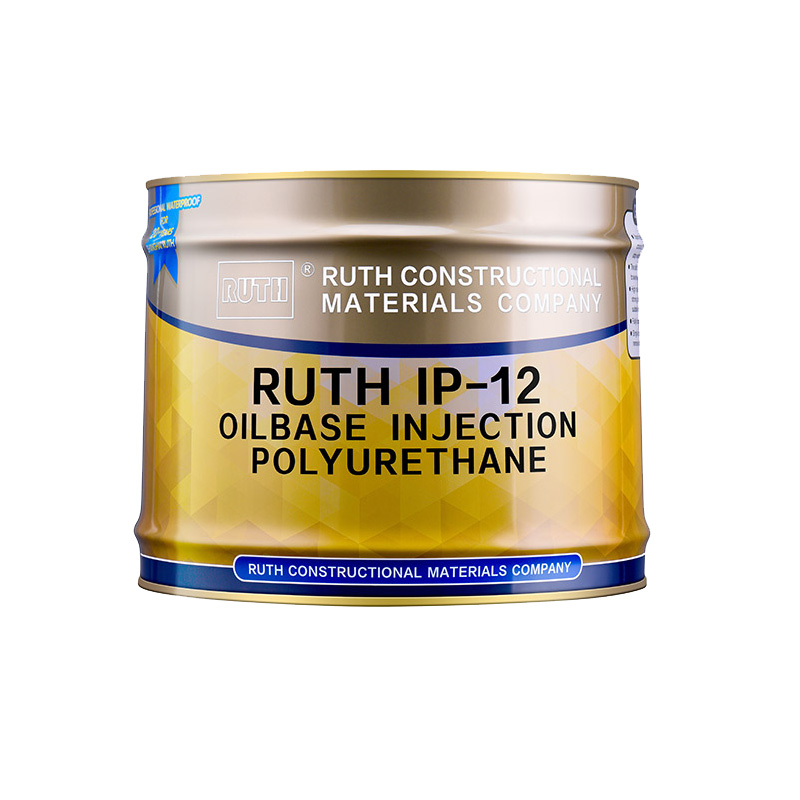
Application techniques vary depending on joint configuration and accessibility, with contractors choosing between injection methods, trowel application, or specialized placement equipment. Injection applications require careful pressure control to prevent material waste while ensuring complete joint filling. Trowel applications demand smooth, continuous placement techniques that eliminate voids and ensure proper adhesion to joint surfaces. Experienced contractors maintain application logs that document mixing ratios, environmental conditions, and performance observations for quality control purposes.
Quality Control and Performance Monitoring
Installation Verification Methods
Quality control for hydrophilic polyurethane installations requires systematic verification procedures that ensure proper material placement and curing. Visual inspection protocols examine joint filling completeness, surface adhesion quality, and absence of voids or discontinuities. Contractors develop standardized checklists that address critical installation parameters specific to hydrophilic polyurethane applications.
Non-destructive testing methods provide additional verification capabilities, particularly for critical applications where performance cannot be compromised. Water testing procedures, conducted after full cure, validate sealing effectiveness under controlled pressure conditions. These tests help identify installation defects before final project completion, allowing corrective action when access permits easy remediation.
Long-term Performance Assessment
Long-term performance monitoring of hydrophilic polyurethane installations provides valuable feedback for future project planning and material selection. Contractors establish inspection schedules that correlate with warranty periods and maintenance requirements, documenting any changes in sealing performance or material condition. These records prove invaluable for developing performance databases that improve future installations.
Performance assessment criteria include visual condition evaluation, water infiltration measurements, and structural movement monitoring. Successful contractors maintain detailed performance histories that demonstrate the reliability of hydrophilic polyurethane systems under various operating conditions. This documentation supports warranty claims, validates installation procedures, and provides evidence for specifying similar materials on future projects.
FAQ
What makes hydrophilic polyurethane different from standard sealants?
Hydrophilic polyurethane differs fundamentally from standard sealants through its water-attracting properties and expansion characteristics. While traditional sealants repel moisture and can fail when exposed to wet conditions, hydrophilic polyurethane actually bonds with water molecules and expands to create tighter seals. This unique behavior makes it ideal for applications where moisture exposure is constant or intermittent, providing self-healing properties that automatically compensate for minor structural movement or settling.
Can hydrophilic polyurethane be applied in freezing temperatures?
Hydrophilic polyurethane application in freezing temperatures requires special considerations and modified procedures. Most standard formulations should not be applied when temperatures drop below 40°F (4°C), as cold conditions significantly slow curing reactions and may prevent proper expansion. However, specialized cold-weather formulations are available that maintain workability and curing capability at lower temperatures. Contractors working in cold climates often use heated storage, substrate warming, and accelerated curing agents to ensure successful installation during winter conditions.
How long does hydrophilic polyurethane maintain its sealing properties?
The service life of hydrophilic polyurethane depends on installation quality, environmental conditions, and specific formulation characteristics. Under normal conditions, properly installed hydrophilic polyurethane systems typically maintain effective sealing properties for 15 to 25 years or longer. The material's self-healing properties and chemical stability contribute to extended service life, particularly when protected from extreme chemical exposure or mechanical damage. Regular inspection and maintenance help identify any performance changes early, allowing proactive intervention to extend system life.
What safety precautions are necessary when working with hydrophilic polyurethane?
Working with hydrophilic polyurethane requires standard chemical safety practices including proper ventilation, protective equipment, and skin contact prevention. Contractors should wear chemical-resistant gloves, safety glasses, and appropriate respiratory protection when working in confined spaces or areas with limited ventilation. The reactive nature of the material requires careful handling to prevent premature curing, and cleanup procedures should use appropriate solvents before the material cures. Material safety data sheets provide specific guidance for each formulation, and contractors should establish site-specific safety protocols based on application conditions and local regulations.