
 EN
EN



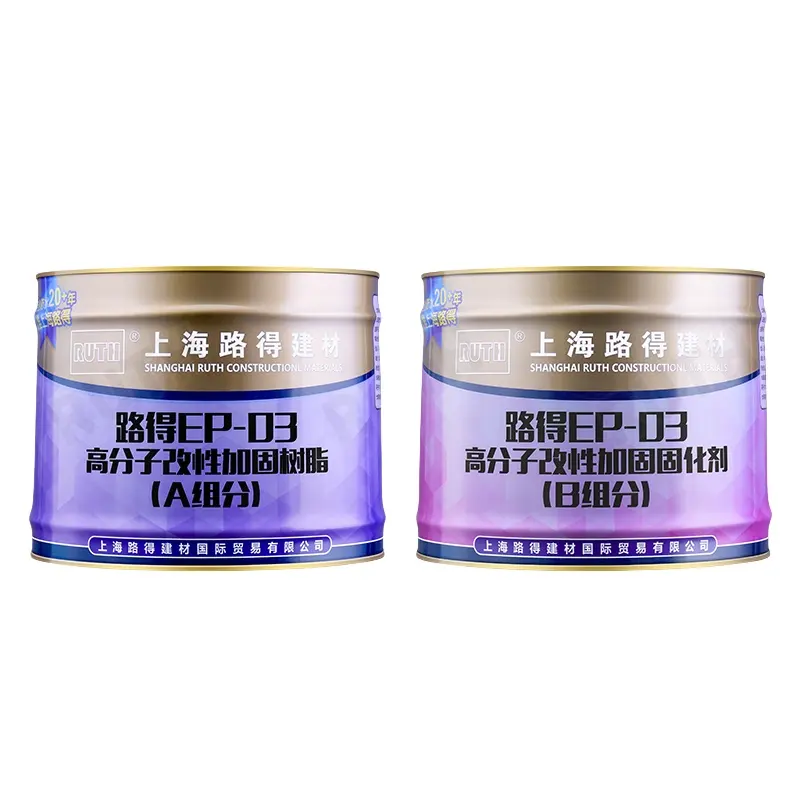
Active water leakage presents one of the most challenging sealing scenarios in construction and infrastructure maintenance, requiring materials that can effectively bond and cure even in the presence of continuous water flow. Hydrophilic polyurethane has emerged as the preferred solution for these demanding applications due to its unique chemical properties that allow it to absorb water during the curing process rather than being inhibited by moisture.
The fundamental reason why hydrophilic polyurethane excels in active water leakage sealing lies in its molecular structure and reaction mechanism. Unlike traditional sealants that require dry conditions for proper adhesion and curing, hydrophilic polyurethane actually utilizes moisture as part of its chemical reaction process, expanding and forming a flexible, watertight seal that can accommodate structural movement while maintaining its integrity under hydrostatic pressure.
Chemical Properties That Enable Water-Active Sealing
Moisture-Activated Curing Mechanism
The primary advantage of hydrophilic polyurethane in active water leakage applications stems from its moisture-activated curing mechanism. When exposed to water, the material undergoes a controlled expansion process that fills voids and creates intimate contact with substrate surfaces. This expansion occurs because hydrophilic polyurethane contains isocyanate groups that react with water molecules, producing carbon dioxide gas and urea linkages that contribute to the material's final strength and flexibility.
The expansion ratio typically ranges from 10 to 20 times the original volume, allowing hydrophilic polyurethane to penetrate deep into cracks and fissures where traditional sealants cannot reach. This volumetric expansion creates a mechanical seal that works in conjunction with the chemical bond to the substrate, providing redundant sealing mechanisms that ensure long-term performance even under varying water pressure conditions.
Hydrophilic Polymer Chain Structure
The molecular structure of hydrophilic polyurethane includes polar functional groups that have strong affinity for water molecules. These groups allow the cured material to absorb and release moisture in response to environmental changes while maintaining its structural integrity. This characteristic is crucial for active water leakage sealing because it enables the material to adapt to varying moisture conditions without losing its sealing properties.
The polymer chains in hydrophilic polyurethane are designed with both hard and soft segments, providing a balance between strength and flexibility. The hard segments contribute to the material's tensile strength and durability, while the soft segments allow for elastic deformation under stress. This combination ensures that the seal remains effective even when subjected to thermal cycling, structural settlement, or dynamic loading conditions that are common in active water leakage scenarios.
Performance Advantages in Active Water Environments
Superior Adhesion to Wet Surfaces
One of the most significant advantages of hydrophilic polyurethane for active water leakage sealing is its ability to achieve strong adhesion to wet concrete, masonry, and metal surfaces. Traditional sealants typically require clean, dry surfaces for optimal bonding, which is impossible to achieve in active leak situations. Hydrophilic polyurethane's water-compatible chemistry allows it to displace water at the substrate interface and form strong covalent bonds with hydroxyl groups present on concrete and masonry surfaces.
The adhesion mechanism involves both mechanical interlocking and chemical bonding. As the hydrophilic polyurethane expands, it penetrates into the surface porosity of the substrate, creating mechanical anchors. Simultaneously, the isocyanate groups react with moisture on the surface to form urethane and urea linkages that chemically bond the sealant to the substrate. This dual bonding mechanism ensures that the seal remains intact even under high water pressure and dynamic loading conditions.
Resistance to Hydrostatic Pressure
Active water leakage often involves significant hydrostatic pressure that can compromise the effectiveness of conventional sealing methods. Hydrophilic polyurethane demonstrates exceptional resistance to hydrostatic pressure due to its cohesive strength and ability to maintain flexibility under stress. The cured material can withstand water pressures exceeding 2.0 MPa while maintaining its sealing properties, making it suitable for below-grade applications, tunnel sealing, and underwater repair scenarios.
The pressure resistance of hydrophilic polyurethane is enhanced by its ability to redistribute stress across the sealed area. When subjected to hydrostatic pressure, the flexible nature of the cured material allows it to deform elastically without cracking or debonding from the substrate. This characteristic is particularly important in applications where water pressure fluctuates, such as tidal zones or areas subject to seasonal groundwater variations.
Structural Movement Accommodation and Durability
Dynamic Crack Sealing Capabilities
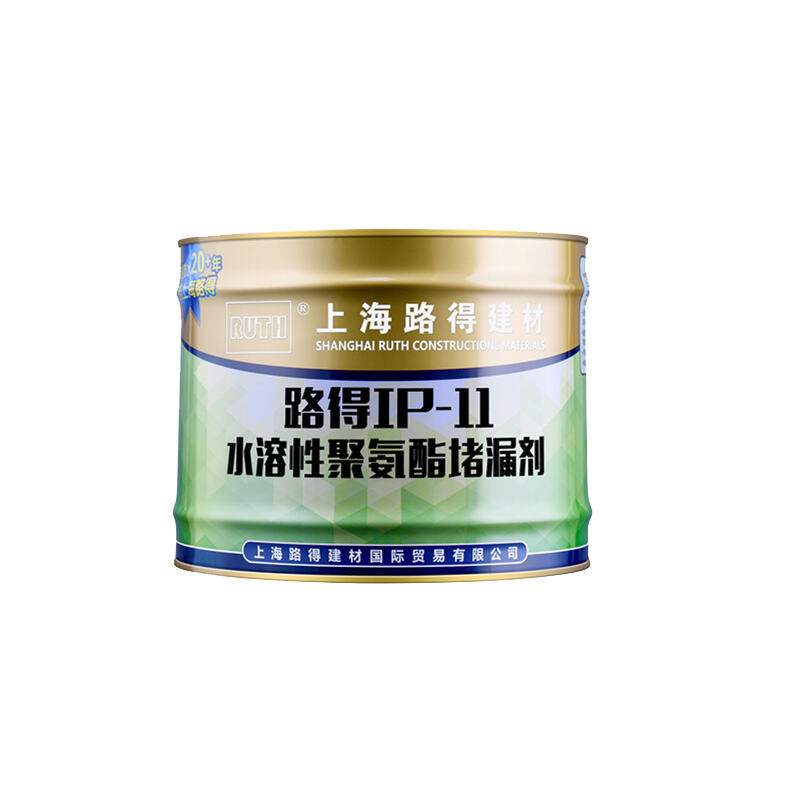
Active water leakage frequently occurs through structural cracks that continue to move due to thermal expansion, settlement, or seismic activity. Hydrophilic polyurethane addresses this challenge through its exceptional elongation properties, which can exceed 400% without failure. This high elongation capability allows the material to accommodate crack movement while maintaining a watertight seal, preventing the recurrence of leakage that often plagues rigid sealing methods.
The dynamic sealing performance of hydrophilic polyurethane is further enhanced by its ability to maintain elasticity over a wide temperature range. Unlike some sealants that become brittle in cold conditions or too soft in high temperatures, hydrophilic polyurethane maintains consistent performance characteristics across the temperature ranges typically encountered in building and infrastructure applications. This temperature stability ensures reliable sealing performance throughout seasonal variations and in diverse geographic locations.
Long-Term Chemical Stability
The durability of hydrophilic polyurethane in active water leakage applications is supported by its excellent chemical resistance and stability. The cured material resists degradation from alkaline conditions commonly found in concrete structures, as well as mild acidic conditions that may be present in groundwater. This chemical stability ensures that the sealing performance does not deteriorate over time due to environmental exposure.
UV resistance is another important durability factor for hydrophilic polyurethane applications that may be exposed to sunlight. While the material is primarily used in subsurface applications where UV exposure is minimal, formulations are available with enhanced UV stability for above-ground sealing applications. The molecular structure of hydrophilic polyurethane can be modified with UV stabilizers and antioxidants to prevent photochemical degradation and maintain sealing performance in exposed applications.
Application Versatility and Installation Benefits
Injection and Coating Application Methods
The versatility of hydrophilic polyurethane extends to its application methods, which can be adapted to various active water leakage scenarios. For crack injection applications, the material's low initial viscosity allows it to penetrate narrow cracks and voids before expansion occurs. This characteristic is particularly valuable for sealing hairline cracks where other injection materials may not achieve adequate penetration.
For surface coating applications, hydrophilic polyurethane can be applied as a liquid membrane that cures to form a continuous, flexible waterproof barrier. The coating application is particularly effective for sealing complex geometries, construction joints, and areas with multiple potential leak paths. The material's ability to cure underwater makes it suitable for emergency repairs where immediate water stoppage is required without the need for extensive dewatering operations.
Temperature and Environmental Tolerance
Installation flexibility is enhanced by the material's tolerance to varying environmental conditions during application. Hydrophilic polyurethane can be successfully installed in temperatures ranging from near freezing to elevated summer conditions, expanding the weather window for emergency repairs and routine maintenance activities. This temperature tolerance is particularly important for active water leakage scenarios where immediate intervention is required regardless of weather conditions.
The material's compatibility with wet conditions eliminates the need for extensive surface preparation typically required for other sealing methods. While optimal performance is achieved with basic surface cleaning to remove loose debris and contaminants, the hydrophilic polyurethane can bond effectively to damp surfaces that would prevent the use of other sealing technologies. This capability significantly reduces project complexity and installation time in active water leakage situations.
FAQ
How does hydrophilic polyurethane differ from standard polyurethane sealants in water-active conditions?
Hydrophilic polyurethane is specifically formulated to react with water as part of its curing process, while standard polyurethane sealants are typically moisture-sensitive and require dry conditions for proper curing. The hydrophilic version expands when exposed to water, creating a positive seal that becomes stronger in wet conditions, whereas standard polyurethane may experience reduced adhesion and curing problems in the presence of active water.
Can hydrophilic polyurethane seal cracks that are actively flowing with water during installation?
Yes, hydrophilic polyurethane is specifically designed to seal actively flowing water leaks. The material's expansion properties allow it to displace flowing water and create a seal even under pressure. However, extremely high flow rates may require flow reduction techniques or staged injection procedures to ensure proper material placement and curing before full expansion occurs.
What is the expected service life of hydrophilic polyurethane seals in active water leakage applications?
Under normal conditions, hydrophilic polyurethane seals can provide effective water leakage protection for 15 to 25 years or more, depending on the specific environmental conditions and structural movement patterns. The material's chemical stability and flexibility contribute to long-term performance, though periodic inspection is recommended to monitor seal condition and performance, particularly in high-movement joints or areas subject to extreme environmental conditions.
Are there limitations to using hydrophilic polyurethane for active water leakage sealing?
While hydrophilic polyurethane is highly effective for most active water leakage applications, it has limitations in environments with extreme chemical exposure, such as strong acids or organic solvents. Additionally, the material's expansion properties require adequate space for expansion, which may not be available in very tight crack configurations. Temperature extremes beyond the material's design range can also affect performance, requiring specialized formulations for extreme climate conditions.
Table of Contents
- Chemical Properties That Enable Water-Active Sealing
- Performance Advantages in Active Water Environments
- Structural Movement Accommodation and Durability
- Application Versatility and Installation Benefits
-
FAQ
- How does hydrophilic polyurethane differ from standard polyurethane sealants in water-active conditions?
- Can hydrophilic polyurethane seal cracks that are actively flowing with water during installation?
- What is the expected service life of hydrophilic polyurethane seals in active water leakage applications?
- Are there limitations to using hydrophilic polyurethane for active water leakage sealing?