
 EN
EN



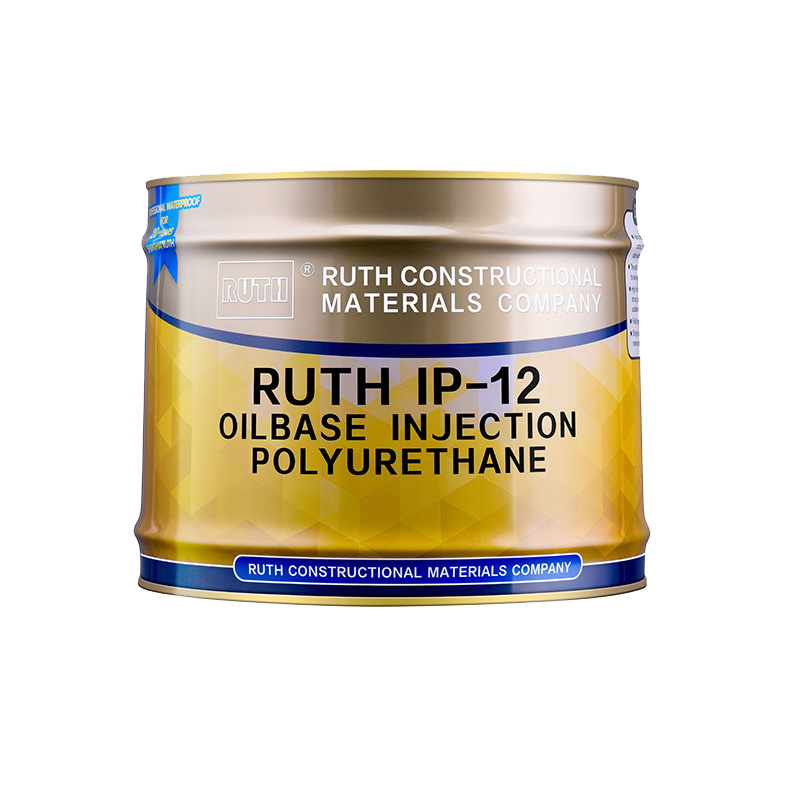
Construction and industrial applications face constant challenges from water infiltration, making waterproofing solutions critical for structural integrity and longevity. Hydrophobic polyurethane has emerged as a revolutionary material that transforms how professionals approach water prevention in concrete structures, foundations, and underground applications. This advanced grouting material creates an impermeable barrier that effectively blocks water penetration through its unique chemical composition and molecular structure.
The science behind hydrophobic polyurethane lies in its molecular engineering, where polymer chains are specifically designed to repel water molecules while maintaining structural flexibility. When properly applied, this material undergoes a curing process that creates a continuous, seamless membrane resistant to hydrostatic pressure and environmental stresses. Understanding the mechanisms that make hydrophobic polyurethane so effective requires examining its chemical properties, application methods, and long-term performance characteristics in various industrial settings.
Chemical Composition and Molecular Structure
Polymer Chain Architecture
The effectiveness of hydrophobic polyurethane stems from its carefully engineered polymer chain structure, which incorporates specific hydrophobic groups that naturally repel water molecules. These polymer chains contain urethane linkages that provide exceptional flexibility and durability while maintaining their water-repelling properties throughout the material's lifespan. The molecular architecture includes side chains with low surface energy characteristics, creating an inherent resistance to water adhesion and penetration.
During the manufacturing process, hydrophobic polyurethane is formulated with specific monomers and cross-linking agents that enhance its water-repelling capabilities. The polymer backbone maintains structural integrity under various temperature and pressure conditions, ensuring consistent performance across different environmental challenges. This molecular design allows the material to form strong bonds with concrete and masonry surfaces while simultaneously preventing water molecules from passing through the cured membrane.
Cross-Linking Mechanisms
The curing process of hydrophobic polyurethane involves complex cross-linking reactions that create a three-dimensional network resistant to water penetration. These cross-links form through chemical reactions between polyol and isocyanate components, resulting in a robust polymer matrix that maintains its hydrophobic properties over extended periods. The cross-linking density can be controlled during formulation to optimize both flexibility and water resistance for specific applications.
Advanced formulations incorporate catalysts that promote uniform cross-linking throughout the material, ensuring consistent water barrier performance across the entire treated area. The resulting polymer network exhibits exceptional resistance to hydrolysis, preventing degradation when exposed to moisture over time. This cross-linked structure also provides resistance to chemical attack from common groundwater contaminants, making hydrophobic polyurethane suitable for challenging industrial environments.
Water Repulsion Mechanisms
Surface Energy Properties
The water-repelling ability of hydrophobic polyurethane relies on its low surface energy characteristics, which create an energetically unfavorable environment for water adhesion. When water molecules encounter the cured polyurethane surface, they form droplets rather than spreading or penetrating the material. This phenomenon occurs because the cohesive forces within water molecules are stronger than the adhesive forces between water and the hydrophobic polyurethane surface.
Surface energy measurements of cured hydrophobic polyurethane typically range between 20-30 mN/m, significantly lower than water's surface tension of 72.8 mN/m at room temperature. This substantial difference ensures that water cannot wet the polyurethane surface effectively, leading to excellent water beading and runoff characteristics. The low surface energy is maintained throughout the material's service life due to the stable chemical structure of the polymer chains.
Molecular Barrier Formation
After curing, hydrophobic polyurethane forms a continuous molecular barrier that prevents water molecules from penetrating through the material matrix. The polymer chains create tortuous pathways that effectively block water transport through the membrane, even under significant hydrostatic pressure. This barrier function operates at the molecular level, where the spacing between polymer chains is smaller than the effective diameter of water molecules.
The barrier effectiveness is enhanced by the material's ability to maintain structural integrity under mechanical stress and thermal cycling. Unlike rigid waterproofing materials that may crack under movement, hydrophobic polyurethane retains its flexibility while providing continuous water protection. This flexibility allows the material to accommodate substrate movement without compromising its water barrier properties.
Curing Process and Performance Development
Chemical Reaction Phases
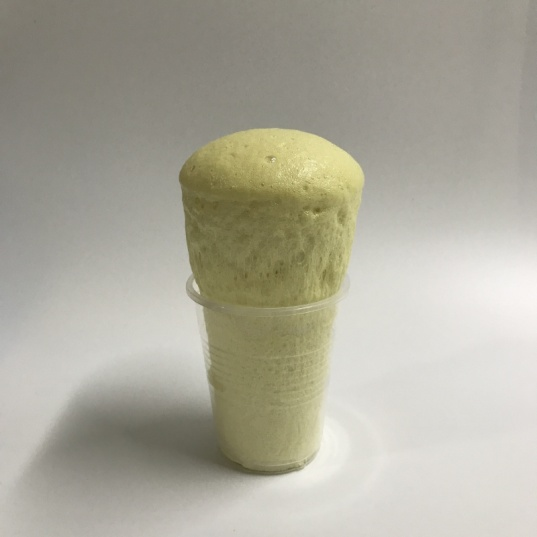
The curing process of hydrophobic polyurethane involves multiple reaction phases that progressively develop the material's water-repelling properties. Initial curing occurs through moisture-catalyzed reactions between isocyanate groups and available water or hydroxyl groups in the substrate. This reaction generates carbon dioxide gas, which can contribute to expansion and void filling in injection applications, while simultaneously forming urethane and urea linkages that provide structural strength.
Secondary curing reactions continue for several days after initial application, during which cross-link density increases and hydrophobic properties fully develop. Temperature and humidity conditions significantly influence the curing rate, with optimal conditions typically occurring at temperatures between 15-25°C and relative humidity levels of 50-80%. Understanding these curing phases is essential for proper application timing and performance optimization in field conditions.
Property Evolution During Curing
As hydrophobic polyurethane cures, its water resistance properties evolve from initial gel formation to full barrier development. Early in the curing process, the material begins to exhibit water repulsion characteristics, but maximum performance is achieved only after complete cross-linking occurs. Mechanical properties such as tensile strength, elongation, and adhesion also develop progressively during the curing period.
Testing protocols for evaluating curing progress include monitoring water absorption rates, contact angle measurements, and mechanical property development over time. Fully cured hydrophobic polyurethane typically exhibits water absorption rates of less than 0.1% by volume, demonstrating its exceptional water barrier capabilities. These properties remain stable throughout the material's service life when properly applied and cured under appropriate conditions.
Application Methods and Performance Factors
Injection Grouting Techniques
Injection grouting represents one of the most effective application methods for hydrophobic polyurethane in waterproofing applications. This technique involves injecting the uncured material directly into cracks, voids, or porous substrates where water infiltration occurs. The low viscosity of uncured hydrophobic polyurethane allows it to penetrate fine cracks and capillary spaces that would be inaccessible to other waterproofing materials.
Successful injection grouting requires careful consideration of injection pressure, material viscosity, and substrate conditions. Pressure levels must be sufficient to achieve complete penetration while avoiding damage to the substrate structure. The expansive nature of some hydrophobic polyurethane formulations during curing can provide additional benefits by ensuring complete void filling and creating positive pressure against potential water infiltration paths.
Surface Application Considerations
Surface application of hydrophobic polyurethane requires proper substrate preparation to ensure optimal adhesion and performance. Clean, dry surfaces provide the best bonding conditions, though some formulations can be applied to damp substrates. Surface preparation typically includes removal of loose materials, debris, and contamination that could interfere with adhesion or curing reactions.
Environmental conditions during application significantly influence the final performance of hydrophobic polyurethane systems. Temperature extremes can affect curing rates and final properties, while excessive moisture may interfere with proper cross-linking reactions. Quality control measures during application include monitoring ambient conditions, material temperature, and application thickness to ensure consistent water barrier performance.
Performance Advantages and Limitations
Long-Term Durability Characteristics
The long-term performance of hydrophobic polyurethane in waterproofing applications depends on several factors including material formulation, application quality, and environmental exposure conditions. Properly applied hydrophobic polyurethane systems typically provide decades of reliable water protection with minimal maintenance requirements. The chemical stability of the polymer backbone ensures resistance to degradation from UV exposure, oxidation, and hydrolysis under normal service conditions.
Accelerated aging tests demonstrate that hydrophobic polyurethane maintains its water barrier properties even after extended exposure to challenging environmental conditions. Temperature cycling, freeze-thaw exposure, and chemical contact tests confirm the material's ability to provide consistent water protection throughout its design service life. Regular inspection and maintenance protocols can extend service life and ensure continued performance in critical applications.
Limitations and Design Considerations
Despite its excellent water barrier properties, hydrophobic polyurethane has certain limitations that must be considered during design and application. High-temperature exposure can affect polymer properties and potentially compromise water resistance performance. Chemical compatibility must be evaluated when the material will be exposed to specific industrial chemicals or aggressive groundwater conditions.
Cost considerations may limit the use of hydrophobic polyurethane in large-area applications where alternative waterproofing methods might be more economical. The specialized application equipment and trained personnel required for injection grouting can also increase project costs compared to conventional waterproofing approaches. However, the superior performance and longevity of hydrophobic polyurethane often justify the initial investment through reduced maintenance and repair costs over the system's service life.
Industrial Applications and Case Studies
Underground Construction Projects
Underground construction projects represent ideal applications for hydrophobic polyurethane waterproofing due to the challenging conditions and critical importance of water exclusion. Tunnel construction, basement waterproofing, and foundation repair projects frequently utilize hydrophobic polyurethane to address active water leaks and prevent future infiltration. The material's ability to cure in the presence of moisture makes it particularly suitable for applications where complete drying is not feasible.
Successful underground applications require careful evaluation of hydrostatic pressure conditions and selection of appropriate hydrophobic polyurethane formulations. High-pressure applications may require specialized formulations with enhanced mechanical properties and faster curing characteristics. The flexibility of cured hydrophobic polyurethane allows it to accommodate ground movement and structural settling without compromising water barrier integrity.
Marine and Coastal Infrastructure
Marine and coastal infrastructure faces unique challenges from saltwater exposure, tidal cycles, and harsh environmental conditions that make hydrophobic polyurethane an attractive waterproofing solution. Pier structures, seawalls, and marine foundations benefit from the material's resistance to saltwater corrosion and its ability to maintain flexibility under dynamic loading conditions.
The chemical resistance of hydrophobic polyurethane to chloride ions and other marine contaminants ensures long-term performance in these challenging environments. Special attention to surface preparation and application timing is required in marine applications due to tidal influences and the corrosive nature of the environment. Proper selection of primer systems and surface treatments can enhance adhesion and extend service life in marine applications.
Quality Control and Testing Methods
Performance Verification Protocols
Quality control testing for hydrophobic polyurethane applications involves multiple test methods to verify water barrier performance and material properties. Water permeability testing using standardized pressure methods confirms the effectiveness of the applied waterproofing system. Contact angle measurements evaluate the hydrophobic characteristics of the cured surface, while adhesion testing ensures proper bonding to the substrate.
Field testing protocols include visual inspection for complete coverage, void detection using non-destructive methods, and water penetration testing using controlled pressure applications. These tests help identify potential defects or areas requiring additional treatment before the waterproofing system is put into service. Documentation of test results provides valuable information for warranty validation and long-term performance monitoring.
Material Specification Standards
Industry standards for hydrophobic polyurethane materials provide guidelines for material properties, application methods, and performance requirements. These standards ensure consistency in material quality and help specifiers select appropriate products for specific applications. Compliance with relevant standards such as ASTM, BS, and DIN specifications provides confidence in material performance and helps establish warranty terms.
Certification programs for hydrophobic polyurethane products involve rigorous testing to verify compliance with specified performance criteria. These programs typically include testing for water permeability, chemical resistance, mechanical properties, and long-term durability under various exposure conditions. Third-party testing and certification provide independent verification of product performance claims and help ensure reliable field performance.
FAQ
How long does hydrophobic polyurethane take to cure completely?
The complete curing time for hydrophobic polyurethane typically ranges from 24 to 72 hours, depending on environmental conditions such as temperature, humidity, and material thickness. Initial set occurs within the first few hours, allowing the material to begin providing water resistance. However, full cross-linking and maximum water barrier properties develop over several days as secondary curing reactions continue.
Can hydrophobic polyurethane be applied in wet conditions?
Many hydrophobic polyurethane formulations are specifically designed to cure in the presence of moisture, making them suitable for application on damp surfaces or in actively leaking conditions. The moisture actually catalyzes the curing reaction in some formulations. However, excessive water can interfere with proper adhesion and curing, so surface preparation and application techniques must be adjusted for wet conditions.
What is the expected service life of hydrophobic polyurethane waterproofing?
Properly applied hydrophobic polyurethane waterproofing systems typically provide 20-30 years or more of reliable service life under normal conditions. The actual service life depends on factors such as environmental exposure, substrate movement, chemical exposure, and application quality. Regular inspection and maintenance can help identify potential issues early and extend the system's effective service life.
How does temperature affect hydrophobic polyurethane performance?
Temperature affects both the application and long-term performance of hydrophobic polyurethane systems. During application, temperature influences curing rate and material flow characteristics. In service, extreme temperatures can affect the flexibility and water barrier properties of the cured material. Most formulations are designed to perform effectively in temperature ranges from -40°C to +80°C, though specific temperature limits vary by product formulation.