
 EN
EN



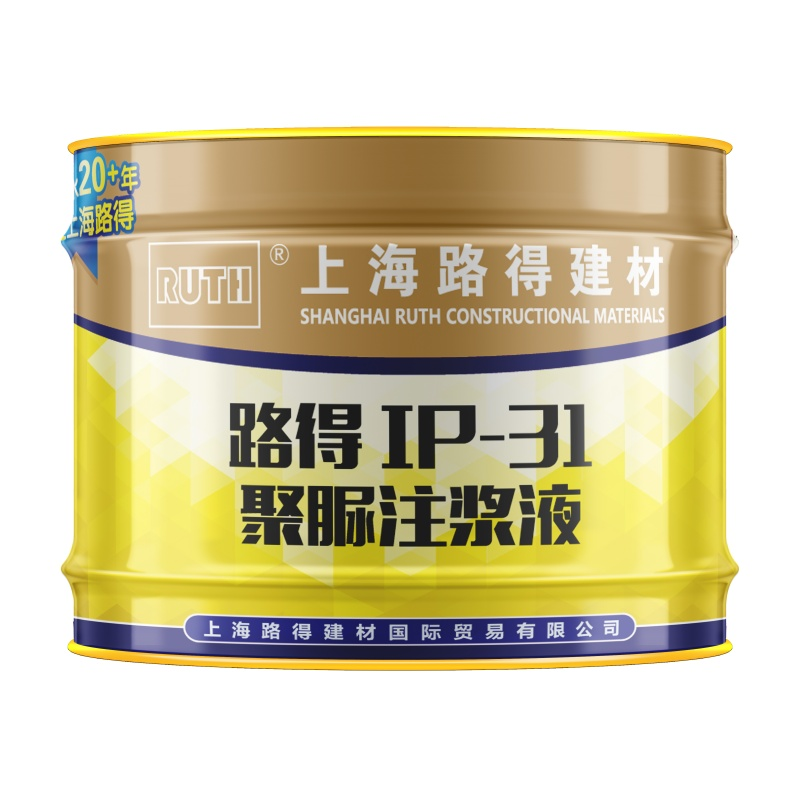
Infrastructure repair and maintenance represent critical challenges in modern construction and civil engineering. Among the numerous materials available for structural restoration, polyurea grout has emerged as a revolutionary solution that addresses many traditional limitations. This advanced chemical grouting technology combines exceptional durability, rapid curing properties, and superior performance characteristics that make it particularly valuable for demanding infrastructure applications. The versatility of polyurea grout extends across various sectors, from tunnel waterproofing to foundation stabilization, offering engineers and contractors a reliable solution for complex repair scenarios.
Understanding Polyurea Grout Composition and Properties
Chemical Foundation and Structure
The fundamental chemistry behind polyurea grout involves the reaction between isocyanate compounds and amine-terminated compounds, creating a highly cross-linked polymer network. This unique molecular structure provides exceptional mechanical properties and chemical resistance that surpass traditional grouting materials. The rapid gelation and curing process of polyurea grout occurs through an addition reaction that generates minimal heat, preventing thermal stress in sensitive applications. Understanding these chemical principles helps engineers select appropriate polyurea grout formulations for specific infrastructure challenges.
The molecular architecture of polyurea grout contributes to its outstanding flexibility and elongation properties, allowing it to accommodate structural movements without cracking or failure. These characteristics prove particularly valuable in dynamic environments where traditional rigid grouts would fail. The polymer chains in polyurea grout maintain their integrity under repeated stress cycles, ensuring long-term performance in critical infrastructure applications. Advanced formulations can be customized to achieve specific viscosity, cure time, and final property requirements.
Physical and Mechanical Characteristics
The physical properties of polyurea grout demonstrate remarkable versatility across different application requirements. Viscosity ranges can be precisely controlled to ensure proper penetration into fine cracks and voids while maintaining sufficient stability to prevent excessive flow. The rapid cure time, typically ranging from seconds to minutes, enables immediate load-bearing capacity and allows for expedited project completion. These characteristics make polyurea grout particularly suitable for emergency repair situations where downtime must be minimized.
Mechanical testing reveals that polyurea grout exhibits superior tensile strength, compressive strength, and impact resistance compared to conventional repair materials. The material demonstrates excellent adhesion to various substrates, including concrete, steel, and masonry, creating reliable bonds that withstand environmental stresses. Temperature stability ensures that polyurea grout maintains its performance characteristics across a wide range of operating conditions, from arctic environments to tropical climates. These mechanical properties translate directly into enhanced infrastructure longevity and reduced maintenance requirements.
Waterproofing and Sealing Applications
Underground Infrastructure Protection
Underground infrastructure faces constant exposure to groundwater infiltration, soil chemicals, and hydrostatic pressure that can compromise structural integrity over time. Polyurea grout provides comprehensive protection through its exceptional waterproofing capabilities and resistance to chemical attack. The material's ability to cure underwater makes it particularly valuable for active leak repair in tunnels, basements, and underground utility systems. Its rapid cure time allows for immediate sealing of water infiltration points without the need for extensive dewatering operations.
The hydrophobic nature of cured polyurea grout creates an effective barrier against moisture penetration while allowing the material to bond effectively to damp substrates. This unique characteristic enables repairs in challenging conditions where traditional materials would fail to achieve proper adhesion. Polyurea grout systems can be designed to accommodate ongoing structural movements while maintaining their waterproof integrity, making them ideal for dynamic underground environments. The long-term stability of these systems reduces the need for repeated maintenance interventions.
Joint and Crack Sealing Solutions
Structural joints and cracks represent critical vulnerability points in infrastructure systems, requiring reliable sealing solutions that can accommodate movement while preventing water infiltration. Polyurea grout excels in these applications due to its exceptional elongation properties and adhesive strength. The material can bridge gaps and cracks while maintaining flexibility under thermal cycling and structural loading. This performance characteristic prevents the formation of secondary cracks that commonly occur with rigid sealing materials.
Installation techniques for joint sealing with polyurea grout have been refined to ensure optimal penetration and coverage. The low viscosity of uncured material allows complete filling of irregular crack patterns and joint geometries. Surface preparation requirements are minimal compared to other sealing systems, enabling rapid deployment in emergency situations. The chemical resistance of polyurea grout ensures long-term performance in environments exposed to de-icing salts, automotive fluids, and other aggressive substances commonly encountered in infrastructure applications.
Structural Strengthening and Repair Benefits
Load Transfer and Structural Integration
The exceptional bonding characteristics of polyurea grout enable effective load transfer between repair materials and existing structures, creating composite systems with enhanced overall performance. The material's high modulus of elasticity allows it to share structural loads while accommodating differential movements between dissimilar materials. This capability proves particularly valuable in strengthening applications where polyurea grout serves as a connecting medium between steel reinforcement and concrete substrates. The chemical adhesion mechanisms ensure reliable long-term performance under cyclic loading conditions.
Structural integration achieved through polyurea grout applications extends beyond simple void filling to include active load-bearing functions. The material can be formulated to match specific strength requirements while maintaining its characteristic flexibility and durability. Installation techniques have been developed to ensure complete penetration of structural voids and gaps, eliminating potential failure points. Quality control procedures verify proper curing and bonding to ensure that structural performance meets design specifications throughout the service life.
Retrofit and Rehabilitation Applications
Infrastructure retrofit projects benefit significantly from the versatility and performance characteristics of polyurea grout systems. The material's compatibility with existing construction materials simplifies integration into complex rehabilitation schemes. Retrofit applications often involve challenging access conditions and tight project schedules where the rapid cure time of polyurea grout provides distinct advantages. The material's resistance to shrinkage prevents the formation of gaps that could compromise the effectiveness of retrofit interventions.
Rehabilitation strategies incorporating polyurea grout can address multiple infrastructure deficiencies simultaneously, including structural strengthening, waterproofing, and corrosion protection. The material's excellent adhesion to corroded steel surfaces enables effective encapsulation of existing reinforcement while preventing further deterioration. Long-term performance data demonstrates that properly installed polyurea grout systems maintain their properties throughout extended service periods, reducing life-cycle costs compared to alternative repair methods. The environmental stability of these systems ensures consistent performance under varying exposure conditions.
Installation Advantages and Process Efficiency
Rapid Deployment and Curing
The installation advantages of polyurea grout begin with its remarkably fast cure time, which enables immediate return to service in many applications. This characteristic proves invaluable in infrastructure repair scenarios where extended downtime results in significant economic impacts. The material's ability to achieve full strength within minutes of application allows for accelerated project schedules without compromising quality. Equipment requirements for polyurea grout installation are relatively simple, reducing mobilization costs and logistical complexity.
Temperature independence during installation provides flexibility in project scheduling and reduces weather-related delays. Polyurea grout can be successfully installed in sub-freezing conditions where other materials would fail to cure properly. The material's tolerance for substrate moisture eliminates the need for extensive drying operations that typically delay conventional repair projects. These installation advantages translate into reduced overall project costs and improved construction efficiency, making polyurea grout an attractive option for infrastructure owners and contractors.
Quality Control and Verification
Quality assurance procedures for polyurea grout installations have been established to ensure consistent performance across various project conditions. The rapid cure time requires precise mixing and application techniques, but these procedures can be easily mastered through proper training and equipment selection. Visual inspection methods provide immediate feedback on installation quality, allowing for real-time corrections if necessary. Laboratory testing protocols verify that installed materials meet specified performance criteria.
Non-destructive testing methods can evaluate the integrity of polyurea grout installations without damaging the repair system. These techniques include ultrasonic testing, ground-penetrating radar, and thermal imaging to detect voids or bonding deficiencies. Documentation procedures ensure traceability and provide valuable data for future maintenance planning. The reliability of these quality control measures contributes to the overall confidence in polyurea grout systems for critical infrastructure applications.
Environmental Resistance and Durability
Chemical and Biological Resistance
The exceptional chemical resistance of polyurea grout makes it particularly suitable for infrastructure exposed to aggressive environmental conditions. The polymer structure resists attack from acids, alkalis, salts, and organic solvents commonly encountered in industrial and transportation environments. This resistance extends to biological attack, preventing degradation from bacteria, fungi, and other microorganisms that can compromise other repair materials. Long-term exposure studies demonstrate maintained performance characteristics even under severe chemical exposure conditions.
Resistance to freeze-thaw cycling represents another critical advantage of polyurea grout in infrastructure applications. The material's flexibility prevents damage from expansion forces that typically cause failure in rigid repair materials. UV stability ensures that exposed installations maintain their properties without degradation from solar radiation. These environmental resistance characteristics contribute to extended service life and reduced maintenance requirements, providing significant value in life-cycle cost analyses.
Thermal Stability and Performance
Thermal performance characteristics of polyurea grout enable successful application across diverse climatic conditions and temperature ranges. The material maintains its flexibility and strength properties from arctic conditions to high-temperature industrial environments. Thermal expansion coefficients are compatible with common construction materials, preventing stress concentrations that could lead to bond failure. Heat resistance allows polyurea grout to perform reliably in applications subject to elevated temperatures from industrial processes or solar heating.
Thermal cycling resistance ensures that polyurea grout installations maintain their integrity through repeated heating and cooling cycles. This characteristic proves particularly important in infrastructure applications where temperature variations occur regularly. The material's low thermal conductivity can provide insulation benefits in certain applications while maintaining structural performance. These thermal properties contribute to the overall reliability and longevity of infrastructure repair systems utilizing polyurea grout technology.
Cost-Effectiveness and Economic Benefits
Initial Investment and Installation Costs
While the initial material cost of polyurea grout may exceed that of conventional repair materials, the overall project economics often favor its selection due to reduced installation time and labor requirements. The rapid cure time eliminates the need for extended traffic control or facility shutdowns, reducing indirect costs significantly. Equipment requirements are typically less complex than those needed for alternative repair systems, minimizing mobilization expenses. These factors combine to create favorable total project costs despite higher material unit prices.
Installation efficiency gains from polyurea grout applications translate into reduced labor costs and shortened project schedules. The material's ability to cure in adverse conditions eliminates weather delays that add costs to conventional repair projects. Single-application installations reduce the complexity and cost of multi-stage repair processes. These economic advantages become more pronounced in large-scale infrastructure projects where schedule compression provides significant value.
Life-Cycle Cost Analysis
Long-term economic benefits of polyurea grout become apparent through life-cycle cost analysis that considers maintenance requirements, service life, and performance reliability. The exceptional durability of properly installed polyurea grout systems reduces the frequency of repair interventions compared to conventional materials. Maintenance cost savings accumulate over the service life of infrastructure systems, often exceeding the initial cost premium. These economic benefits are particularly significant in applications where access for maintenance is difficult or expensive.
Risk reduction achieved through reliable polyurea grout performance translates into quantifiable economic benefits for infrastructure owners. The material's proven track record reduces the likelihood of premature failure and associated emergency repair costs. Insurance and liability considerations may favor the selection of proven high-performance materials over conventional alternatives. Economic modeling demonstrates that the superior performance characteristics of polyurea grout justify its selection in many infrastructure applications based purely on financial considerations.
FAQ
How long does polyurea grout take to cure completely
Polyurea grout typically achieves initial set within seconds to minutes after mixing, with full cure occurring within 1-4 hours depending on temperature and formulation. The rapid cure time allows for immediate loading in most applications, though full strength development may continue for up to 24 hours. Temperature affects cure rate, with higher temperatures accelerating the process and lower temperatures extending cure times slightly. This rapid curing characteristic enables quick return to service and reduces project downtime significantly compared to conventional grouting materials.
Can polyurea grout be used in underwater applications
Yes, polyurea grout can cure effectively underwater and bonds well to wet substrates, making it ideal for active leak repair and underwater structural work. The hydrophobic nature of the material allows it to displace water and achieve strong adhesion even in fully submerged conditions. Special formulations are available for extreme underwater applications, including those subject to high hydrostatic pressure. This capability makes polyurea grout particularly valuable for marine structures, underwater tunnels, and emergency leak repairs where dewatering is impractical.
What temperature range is suitable for polyurea grout installation
Polyurea grout can be successfully installed in temperatures ranging from -10°F to 120°F (-23°C to 49°C), though optimal performance occurs between 40°F and 90°F (4°C to 32°C). Special cold-weather formulations extend the lower temperature range for winter installations. High-temperature applications may require modified formulations to maintain workability and achieve proper cure. The material's temperature tolerance during installation provides significant scheduling flexibility compared to other repair materials that require specific temperature conditions.
How does polyurea grout compare to traditional cement-based grouts
Polyurea grout offers superior flexibility, faster cure time, better chemical resistance, and stronger adhesion compared to traditional cement-based grouts. While cement grouts are rigid and prone to cracking, polyurea grout maintains flexibility throughout its service life, accommodating structural movements without failure. The waterproofing capabilities of polyurea grout far exceed those of conventional grouts, and its resistance to freeze-thaw damage makes it ideal for harsh environmental conditions. Although initial costs are higher, the superior performance and longevity of polyurea grout often provide better long-term value for critical infrastructure applications.