
 EN
EN



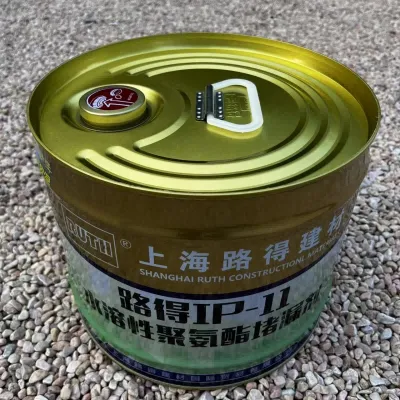
Infrastructure systems worldwide face constant challenges from water infiltration, soil movement, and environmental deterioration. Traditional waterproofing methods often fall short when dealing with complex underground conditions and dynamic structural movements. Hydrophobic polyurethane has emerged as a revolutionary solution for these demanding applications, offering superior water resistance, flexibility, and long-term performance in critical infrastructure projects.
The unique chemical composition of hydrophobic polyurethane makes it particularly effective in infrastructure applications where conventional sealing materials fail. This advanced polymer technology provides exceptional bonding strength to various substrates while maintaining elasticity under extreme conditions. Engineering professionals increasingly rely on hydrophobic polyurethane for projects requiring reliable, long-term waterproofing solutions that can withstand environmental stresses and structural movements.
Underground Transportation Systems
Tunnel Waterproofing and Sealing
Metro tunnels, subway systems, and underground railways present unique challenges for waterproofing due to their exposure to groundwater pressure and soil movements. Hydrophobic polyurethane injection systems effectively seal tunnel joints, construction seams, and concrete cracks that develop over time. The material's ability to expand upon contact with water makes it particularly valuable in tunnel applications where precise void filling is critical.
Transportation authorities worldwide have adopted hydrophobic polyurethane grouting for rehabilitating aging tunnel infrastructure. The material penetrates deep into concrete matrices, creating permanent barriers against water ingress while accommodating thermal expansion and contraction cycles. This flexibility prevents crack propagation and maintains structural integrity in high-traffic underground environments.
Large-scale tunnel projects benefit from hydrophobic polyurethane's rapid curing properties, which minimize disruption to transportation schedules. The material forms durable seals that resist chemical exposure from de-icing salts, vehicle emissions, and industrial pollutants commonly found in urban tunnel environments.
Underground Parking Structures
Multi-level underground parking facilities require comprehensive waterproofing systems to protect against groundwater intrusion and surface water runoff. Hydrophobic polyurethane applications in these structures focus on joint sealing, crack repair, and membrane installation around elevator pits and utility penetrations.
The durability of hydrophobic polyurethane makes it ideal for parking structures subjected to vehicle loads, temperature fluctuations, and chemical exposure from automotive fluids. Installation teams can apply the material efficiently around complex geometric features and mechanical systems without compromising waterproofing performance.
Preventive maintenance programs increasingly incorporate hydrophobic polyurethane treatments to extend the service life of underground parking infrastructure. The material's resistance to petroleum products and cleaning chemicals ensures long-term effectiveness in these demanding environments.
Foundation and Basement Protection
Commercial Foundation Systems
Large commercial buildings require robust foundation waterproofing to protect structural elements and interior spaces from moisture damage. Hydrophobic polyurethane systems provide comprehensive protection for foundation walls, footings, and below-grade structural components. The material's penetration capabilities allow it to seal micro-cracks and porous concrete surfaces that conventional coatings cannot reach.
High-rise construction projects utilize hydrophobic polyurethane injection systems to address foundation settlement issues and prevent water ingress through construction joints. The material's excellent adhesion properties ensure reliable bonding to concrete, masonry, and steel substrates commonly found in commercial foundation systems.
Building owners appreciate the long-term cost benefits of hydrophobic polyurethane foundation protection, as it reduces maintenance requirements and prevents costly water damage to mechanical systems and stored materials in basement areas.
Industrial Basement Applications
Manufacturing facilities and industrial complexes often feature extensive basement areas housing critical equipment, utility systems, and storage facilities. Hydrophobic polyurethane waterproofing protects these valuable assets from groundwater infiltration and maintains optimal environmental conditions for sensitive operations.
Chemical resistance properties of hydrophobic polyurethane make it particularly suitable for industrial basements where exposure to process chemicals, cleaning agents, and industrial fluids is common. The material maintains its waterproofing effectiveness even when subjected to aggressive chemical environments over extended periods.
Emergency response considerations in industrial facilities benefit from hydrophobic polyurethane's fire resistance and low toxicity characteristics. These safety features ensure that waterproofing systems do not compromise building safety protocols or evacuation procedures during emergency situations.
Water Treatment and Storage Facilities
Water Storage Tank Protection
Municipal water storage systems and industrial process tanks require specialized waterproofing solutions that can withstand continuous water contact and pressure variations. Hydrophobic polyurethane coatings and injection systems protect concrete storage structures from internal pressure damage and external groundwater infiltration.
The chemical inertness of hydrophobic polyurethane makes it suitable for potable water applications where material safety and regulatory compliance are paramount. Water treatment facilities rely on these systems to maintain structural integrity while preventing contamination from external sources.
Maintenance efficiency in water storage facilities improves significantly with hydrophobic polyurethane installations, as the material's durability reduces the frequency of repair interventions and minimizes service disruptions to water supply systems.
Wastewater Treatment Infrastructure
Sewage treatment plants and wastewater processing facilities present extreme challenges for waterproofing materials due to exposure to corrosive chemicals, biological agents, and varying pH conditions. Hydrophobic polyurethane systems demonstrate exceptional resistance to these harsh environments while maintaining waterproofing performance over decades of service.
Clarifier tanks, digesters, and treatment basins benefit from hydrophobic polyurethane's ability to seal complex joint configurations and accommodate structural movements caused by thermal cycling and settlement. The material's flexibility prevents crack development that could compromise treatment process efficiency.
Environmental compliance in wastewater treatment facilities relies on effective containment systems that prevent groundwater contamination. Hydrophobic polyurethane provides the reliability and longevity required for critical environmental protection applications in these sensitive facilities.
Bridge and Highway Infrastructure
Bridge Deck and Expansion Joint Sealing
Highway bridges experience continuous dynamic loading, temperature variations, and exposure to de-icing chemicals that challenge conventional sealing materials. Hydrophobic polyurethane systems excel in these applications by providing flexible, durable seals that accommodate structural movements while preventing water and chemical ingress.
Expansion joints in bridge structures require sealing materials that can handle extreme elongation and compression cycles without losing adhesion or waterproofing properties. Hydrophobic polyurethane formulations specifically designed for transportation infrastructure provide the necessary performance characteristics for these demanding applications.
Bridge rehabilitation projects increasingly specify hydrophobic polyurethane systems for their proven track record in extending structure service life and reducing long-term maintenance costs. The material's resistance to freeze-thaw cycles and chemical de-icing agents makes it particularly valuable in regions with harsh winter conditions.
Highway Retaining Wall Systems
Retaining walls along highways must withstand significant hydrostatic pressure from groundwater and surface runoff while maintaining structural stability under traffic-induced vibrations. Hydrophobic polyurethane injection systems effectively seal construction joints and repair cracks in concrete retaining structures.
The versatility of hydrophobic polyurethane allows highway engineers to address various retaining wall waterproofing challenges, from simple crack sealing to comprehensive joint rehabilitation. Material compatibility with existing concrete infrastructure ensures reliable long-term performance without compromising structural integrity.
Cost-effective maintenance strategies for highway retaining walls benefit from hydrophobic polyurethane's ease of application and minimal equipment requirements. Road crews can perform waterproofing repairs efficiently with minimal traffic disruption during routine maintenance operations.
Marine and Coastal Infrastructure
Port and Harbor Facilities
Marine environments present unique challenges for infrastructure waterproofing due to saltwater exposure, tidal variations, and dynamic loading from vessels and cargo operations. Hydrophobic polyurethane systems demonstrate excellent performance in these aggressive environments, protecting concrete piers, bulkheads, and storage facilities from saltwater intrusion and chloride attack.
The exceptional bond strength of hydrophobic polyurethane to wet substrates makes it particularly valuable for marine applications where traditional waterproofing methods may fail due to moisture presence. Port authorities rely on these systems for both new construction and rehabilitation of aging marine infrastructure.
Specialized formulations of hydrophobic polyurethane resist marine boring organisms and provide long-term protection against biological degradation common in marine environments. This biological resistance ensures consistent waterproofing performance throughout the service life of marine structures.
Coastal Protection Structures
Seawalls, breakwaters, and coastal revetments require waterproofing systems that can withstand constant wave action, saltwater immersion, and extreme weather conditions. Hydrophobic polyurethane applications in these structures focus on preventing water penetration that could lead to freeze-thaw damage and structural deterioration.
The flexibility of hydrophobic polyurethane allows it to accommodate the dynamic stresses imposed by wave action and thermal cycling in coastal environments. This adaptability prevents crack formation and maintains watertight integrity under challenging conditions that would compromise rigid waterproofing materials.
Environmental sustainability considerations in coastal protection benefit from hydrophobic polyurethane's low environmental impact and long service life, which reduces the need for frequent maintenance interventions in sensitive marine ecosystems.
Specialized Infrastructure Applications
Underground Utility Systems
Complex underground utility networks including electrical conduits, telecommunications infrastructure, and pipeline systems require comprehensive waterproofing to maintain service reliability and prevent costly outages. Hydrophobic polyurethane systems protect utility vaults, manholes, and cable chambers from water infiltration that could damage sensitive equipment and disrupt service delivery.
The electrical insulation properties of hydrophobic polyurethane make it particularly suitable for electrical utility applications where water ingress could create safety hazards and equipment failures. Utility companies specify these systems for critical infrastructure protection where service reliability is paramount.
Rapid repair capabilities of hydrophobic polyurethane systems enable utility crews to address emergency waterproofing needs quickly, minimizing service disruptions and reducing customer impact during infrastructure maintenance and repair operations.
Hospital and Healthcare Facilities
Healthcare infrastructure requires specialized waterproofing solutions that meet stringent hygiene standards while providing reliable moisture protection. Hydrophobic polyurethane applications in hospitals focus on basement areas, mechanical rooms, and pharmaceutical storage facilities where water damage could compromise critical operations and patient safety.
The antimicrobial properties of certain hydrophobic polyurethane formulations provide additional benefits in healthcare environments by preventing mold growth and maintaining indoor air quality standards required for patient care areas.
Emergency preparedness in healthcare facilities benefits from hydrophobic polyurethane's reliability during natural disasters and extreme weather events, ensuring that critical basement systems remain operational when community medical services are most needed.
FAQ
How long does hydrophobic polyurethane last in infrastructure applications
Hydrophobic polyurethane systems typically provide 20-30 years of effective waterproofing performance in infrastructure applications when properly installed and maintained. The actual service life depends on environmental conditions, substrate quality, and application method, with some installations demonstrating excellent performance for over 40 years in protected environments.
Can hydrophobic polyurethane be applied in wet conditions
Yes, hydrophobic polyurethane is specifically designed to cure and bond effectively in the presence of moisture, making it ideal for infrastructure repairs where completely dry conditions are difficult to achieve. The material actually utilizes moisture during the curing process to achieve optimal properties and penetration into substrate surfaces.
What temperature ranges can hydrophobic polyurethane withstand
Most hydrophobic polyurethane formulations maintain their waterproofing properties in temperature ranges from -40°F to 200°F (-40°C to 93°C), making them suitable for most infrastructure applications in various climatic conditions. Specialized formulations are available for extreme temperature environments requiring enhanced thermal stability.
Is hydrophobic polyurethane environmentally safe for infrastructure use
Modern hydrophobic polyurethane formulations are designed to meet environmental safety standards and typically contain low levels of volatile organic compounds. Once cured, the material is chemically inert and does not leach harmful substances into groundwater or soil, making it suitable for use in sensitive environmental areas and potable water applications.