
 EN
EN


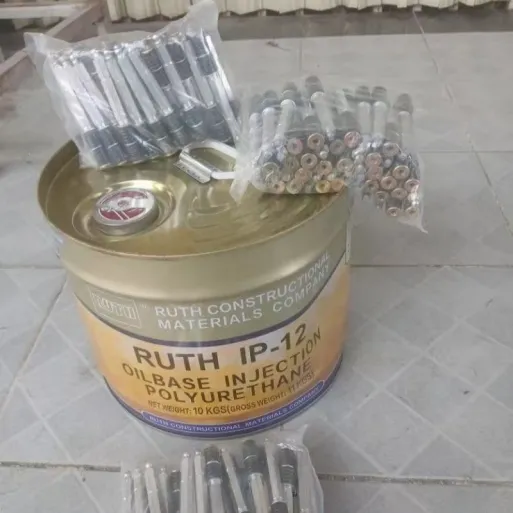
In the construction and infrastructure industry, achieving long-lasting waterproofing solutions remains a critical challenge for engineers and contractors worldwide. Traditional waterproofing methods often fall short when exposed to harsh environmental conditions, leading to costly repairs and structural damage. Hydrophobic polyurethane has emerged as a revolutionary material that addresses these concerns by providing superior water resistance and durability. This advanced polymer technology offers unique properties that make it an ideal choice for permanent waterproofing applications across various industries.
Understanding the Science Behind Hydrophobic Properties
Molecular Structure and Water Repulsion
The effectiveness of hydrophobic polyurethane stems from its unique molecular structure that naturally repels water molecules. This polymer contains specific chemical groups that create a low surface energy interface, preventing water from adhering to or penetrating through the material. The hydrophobic nature is achieved through careful selection of raw materials and precise polymerization processes that align molecular chains in optimal configurations. This molecular arrangement creates microscopic barriers that actively resist moisture infiltration while maintaining structural integrity under various environmental conditions.
Unlike conventional waterproofing materials that merely form surface barriers, hydrophobic polyurethane integrates water-repelling properties throughout its entire matrix. This comprehensive approach ensures consistent performance even when the surface layer experiences wear or minor damage. The polymer's ability to maintain its hydrophobic characteristics over extended periods makes it particularly valuable for applications requiring long-term reliability without frequent maintenance interventions.
Chemical Stability and Longevity
The chemical stability of hydrophobic polyurethane contributes significantly to its suitability for permanent waterproofing solutions. This material demonstrates exceptional resistance to UV radiation, temperature fluctuations, and chemical exposure that typically degrade conventional waterproofing systems. The polymer chains maintain their structural integrity through cross-linking mechanisms that strengthen over time, creating increasingly durable barriers against water penetration.
Research indicates that properly applied hydrophobic polyurethane systems can maintain their waterproofing effectiveness for decades without significant performance degradation. This longevity is attributed to the material's ability to resist hydrolysis, oxidation, and other chemical processes that commonly affect traditional waterproofing materials. The stable molecular structure ensures consistent performance across wide temperature ranges, making it suitable for diverse climatic conditions and geographical locations.
Superior Performance Characteristics
Flexibility and Movement Accommodation
One of the most significant advantages of hydrophobic polyurethane is its exceptional flexibility, which allows it to accommodate structural movements without compromising waterproofing integrity. Buildings and infrastructure naturally expand and contract due to temperature variations, settling, and seismic activity. Traditional rigid waterproofing materials often crack or separate under these conditions, creating pathways for water infiltration.
Hydrophobic polyurethane maintains its elastic properties across a wide range of temperatures and mechanical stresses. This flexibility enables the material to stretch and compress with substrate movements while maintaining continuous waterproof barriers. The polymer's ability to return to its original shape after deformation ensures long-term performance reliability in dynamic structural environments where traditional materials would fail.
Adhesion and Substrate Compatibility
The versatility of hydrophobic polyurethane extends to its excellent adhesion properties with various substrate materials commonly used in construction. Whether applied to concrete, metal, wood, or synthetic materials, this polymer forms strong chemical and mechanical bonds that resist delamination over time. The material's ability to wet and penetrate substrate surfaces creates intimate contact that enhances overall system performance.
Surface preparation requirements for hydrophobic polyurethane application are typically less stringent than those required for other waterproofing systems. The material can bond effectively to slightly damp surfaces and demonstrates tolerance to minor surface imperfections that might compromise other waterproofing technologies. This compatibility reduces application complexity and associated costs while ensuring reliable performance across diverse project conditions.
Application Methods and Versatility
Installation Techniques and Equipment
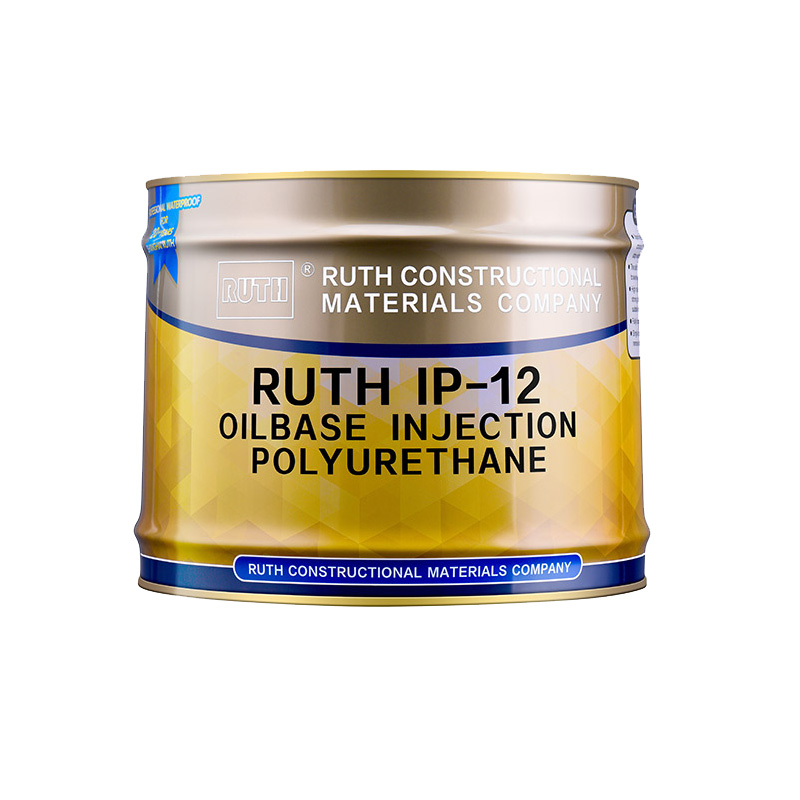
The application of hydrophobic polyurethane can be accomplished through various methods depending on project requirements and accessibility constraints. Spray application techniques allow for efficient coverage of large areas and complex geometries, while injection methods enable precise delivery into cracks, joints, and confined spaces. Brush and roller applications provide excellent control for detailed work and touch-up procedures.
Modern hydrophobic polyurethane formulations are designed for ease of handling and application under various environmental conditions. The material's relatively fast curing times reduce project duration while allowing sufficient working time for proper installation. Equipment requirements are generally standard within the industry, making adoption accessible to contractors without significant capital investment in specialized tools.
Versatile Project Applications
The adaptability of hydrophobic polyurethane makes it suitable for numerous waterproofing applications across residential, commercial, and industrial projects. Foundation waterproofing represents one of the most common applications, where the material's ability to resist hydrostatic pressure and maintain flexibility under soil movement conditions provides exceptional value. Roof waterproofing applications benefit from the polymer's UV resistance and ability to accommodate thermal cycling.
Infrastructure projects such as tunnels, bridges, and parking structures utilize hydrophobic polyurethane for its durability and resistance to de-icing chemicals and environmental pollutants. The material's effectiveness in below-grade applications makes it particularly valuable for basement waterproofing, elevator pits, and underground utility installations. Its compatibility with various substrate materials enables use in renovation projects where multiple surface types must be waterproofed simultaneously.
Environmental Considerations and Sustainability
Low Environmental Impact
Modern hydrophobic polyurethane formulations increasingly incorporate environmentally conscious design principles that minimize ecological impact while maintaining superior performance characteristics. Manufacturers have developed low-VOC formulations that reduce air quality concerns during application and curing processes. These environmentally friendly versions maintain the same waterproofing effectiveness while supporting green building certification requirements.
The longevity of hydrophobic polyurethane systems contributes to sustainability by reducing the frequency of waterproofing system replacement and associated material consumption. Extended service life translates to reduced waste generation and lower long-term environmental impact compared to systems requiring regular maintenance or replacement. This durability aspect aligns with sustainable construction practices that prioritize long-term performance over initial cost considerations.
Energy Efficiency Benefits
Effective waterproofing using hydrophobic polyurethane contributes to building energy efficiency by preventing moisture infiltration that can compromise insulation performance and create indoor air quality issues. Dry building envelopes maintain their thermal properties more effectively, reducing heating and cooling loads throughout the structure's service life. This energy conservation benefit extends the environmental advantages beyond the waterproofing system itself.
The material's ability to prevent mold and mildew growth by eliminating moisture sources contributes to healthier indoor environments while reducing the need for chemical treatments and extensive remediation procedures. This preventive approach supports sustainable building operation by minimizing ongoing maintenance requirements and associated environmental impacts.
Cost-Effectiveness and Economic Benefits
Initial Investment Considerations
While hydrophobic polyurethane may require higher initial investment compared to conventional waterproofing materials, the long-term economic benefits significantly offset these upfront costs. The material's durability reduces lifecycle maintenance expenses and eliminates frequent reapplication requirements that characterize traditional waterproofing systems. This cost structure makes hydrophobic polyurethane particularly attractive for projects where long-term performance is prioritized.
Installation efficiency contributes to cost-effectiveness through reduced labor requirements and shorter project timelines. The material's ease of application and fast curing properties minimize disruption to building occupants and reduce overall project costs. These efficiency gains become particularly significant in commercial and industrial applications where downtime represents substantial economic impact.
Long-term Value Proposition
The extended service life of hydrophobic polyurethane systems creates substantial long-term value for property owners and facility managers. Reduced maintenance requirements free up resources for other building improvements while minimizing disruption to normal operations. The reliability of these systems reduces risk exposure related to water damage and associated liability concerns.
Insurance and warranty considerations often favor buildings with proven waterproofing systems like hydrophobic polyurethane. The material's track record of performance can influence insurance premiums and may extend warranty coverage periods. These financial benefits contribute to the overall economic attractiveness of selecting advanced waterproofing technologies for critical applications.
Quality Control and Performance Standards
Testing and Certification Requirements
The reliability of hydrophobic polyurethane systems depends on adherence to established testing protocols and certification standards that validate performance characteristics. Industry standards specify test methods for evaluating water resistance, flexibility, adhesion strength, and durability under accelerated aging conditions. These standardized testing procedures ensure consistent quality and performance across different manufacturers and product formulations.
Third-party certification programs provide independent verification of product performance claims and manufacturing quality systems. These certifications offer specifiers and contractors confidence in product reliability while supporting warranty and insurance requirements. Regular testing and certification updates ensure that hydrophobic polyurethane products continue to meet evolving industry standards and performance expectations.
Installation Quality Assurance
Successful hydrophobic polyurethane waterproofing systems require proper installation procedures and quality control measures throughout the application process. Surface preparation, environmental conditions, and application techniques must be carefully controlled to achieve optimal performance. Quality assurance programs typically include material inspection, application monitoring, and post-installation testing to verify system integrity.
Documentation and inspection protocols establish accountability and provide reference information for future maintenance planning. These quality control measures ensure that the superior properties of hydrophobic polyurethane are fully realized in field applications and that performance expectations are met throughout the system's service life.
FAQ
How long does hydrophobic polyurethane waterproofing typically last?
Properly applied hydrophobic polyurethane waterproofing systems can maintain their effectiveness for 20-30 years or more, depending on environmental conditions and application quality. The material's chemical stability and resistance to UV radiation, temperature cycling, and moisture exposure contribute to this exceptional longevity. Regular inspections and minor maintenance can further extend service life, making it one of the most durable waterproofing solutions available.
Can hydrophobic polyurethane be applied in cold weather conditions?
Most hydrophobic polyurethane formulations can be applied in temperatures as low as 40°F (4°C), though optimal performance is achieved within manufacturer-specified temperature ranges. Cold weather applications may require longer curing times and special handling procedures to ensure proper polymerization. Some specialized formulations are designed specifically for low-temperature applications, extending the working season for waterproofing projects.
Is hydrophobic polyurethane suitable for potable water applications?
Specific formulations of hydrophobic polyurethane are certified for contact with potable water systems, meeting NSF and other relevant standards for drinking water safety. These specialized products undergo rigorous testing to ensure they do not leach harmful substances into water supplies. Standard construction-grade formulations should not be used in potable water applications without proper certification and approval.
What surface preparation is required before applying hydrophobic polyurethane?
Surface preparation requirements for hydrophobic polyurethane are generally less stringent than those for many other waterproofing systems. Surfaces should be clean, structurally sound, and free from loose debris, oil, or other contaminants that might interfere with adhesion. Minor surface moisture is typically tolerable, though standing water should be removed. Specific preparation requirements may vary by manufacturer and application conditions.