
 EN
EN



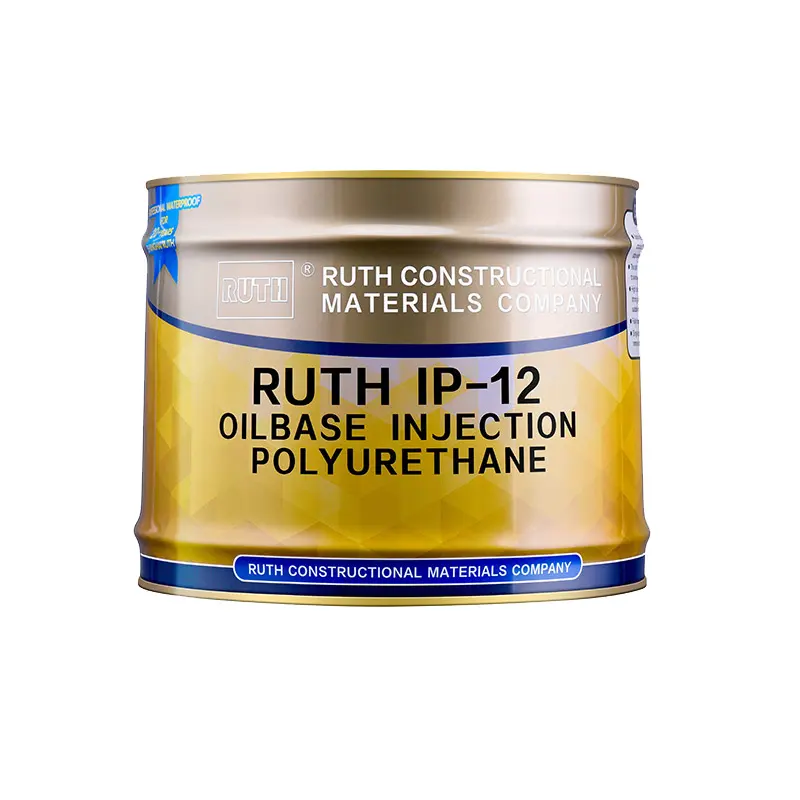
Modern construction and infrastructure projects face increasingly complex water management challenges that demand innovative material solutions. From underground tunnels prone to water infiltration to concrete structures experiencing persistent leakage, engineers continuously seek reliable methods to address moisture-related problems that threaten structural integrity and operational efficiency. These challenges have driven the development of advanced sealing technologies, with hydrophilic polyurethane emerging as a transformative solution for numerous engineering applications.
Hydrophilic polyurethane represents a specialized class of polymer materials engineered to interact favorably with water while maintaining exceptional mechanical properties and adhesion characteristics. Unlike conventional waterproofing materials that repel moisture, hydrophilic polyurethane actually absorbs water molecules and expands in a controlled manner, creating an effective seal that becomes stronger when exposed to moisture. This unique water-reactive behavior enables engineers to solve previously intractable sealing challenges across diverse construction scenarios.
Foundation and Below-Grade Waterproofing Solutions
Basement Wall Water Infiltration Management
Basement water infiltration remains one of the most persistent challenges in residential and commercial construction, particularly in areas with high groundwater levels or clay-rich soils. Traditional waterproofing membranes often fail due to settling, thermal cycling, or mechanical damage during backfilling operations. Hydrophilic polyurethane addresses these limitations by creating a flexible, self-healing barrier that adapts to structural movement while maintaining watertight integrity.
The material's expansion properties prove particularly valuable in basement applications where minor cracks or joint separations can develop over time. When moisture enters these openings, the hydrophilic polyurethane swells to fill the void completely, preventing further water penetration. This self-sealing characteristic eliminates the need for costly excavation and reapplication procedures that traditional materials often require.
Engineering teams frequently specify hydrophilic polyurethane for basement wall applications because it maintains adhesion to both concrete and masonry substrates under wet conditions. The material bonds chemically with these surfaces, creating a monolithic seal that resists delamination even when subjected to hydrostatic pressure or freeze-thaw cycles common in below-grade environments.
Foundation Joint and Crack Sealing
Foundation joints and construction cold joints represent critical vulnerability points where water infiltration can compromise structural integrity and interior conditions. These interfaces experience differential movement, thermal expansion, and settling stresses that challenge conventional sealing approaches. Hydrophilic polyurethane excels in these applications by maintaining flexibility while providing permanent water resistance.
The material's ability to expand when exposed to moisture creates a positive seal within foundation joints that actually improves over time as the polymer encounters groundwater or precipitation. This expansion characteristic allows the sealant to accommodate ongoing structural movement without losing contact with joint surfaces, maintaining continuous protection throughout the building's service life.
Professional installers appreciate that hydrophilic polyurethane can be applied to damp or slightly wet surfaces, eliminating delays associated with complete moisture removal required by many alternative sealing systems. This installation flexibility proves particularly valuable in foundation work where complete drying may be impractical or impossible to achieve.
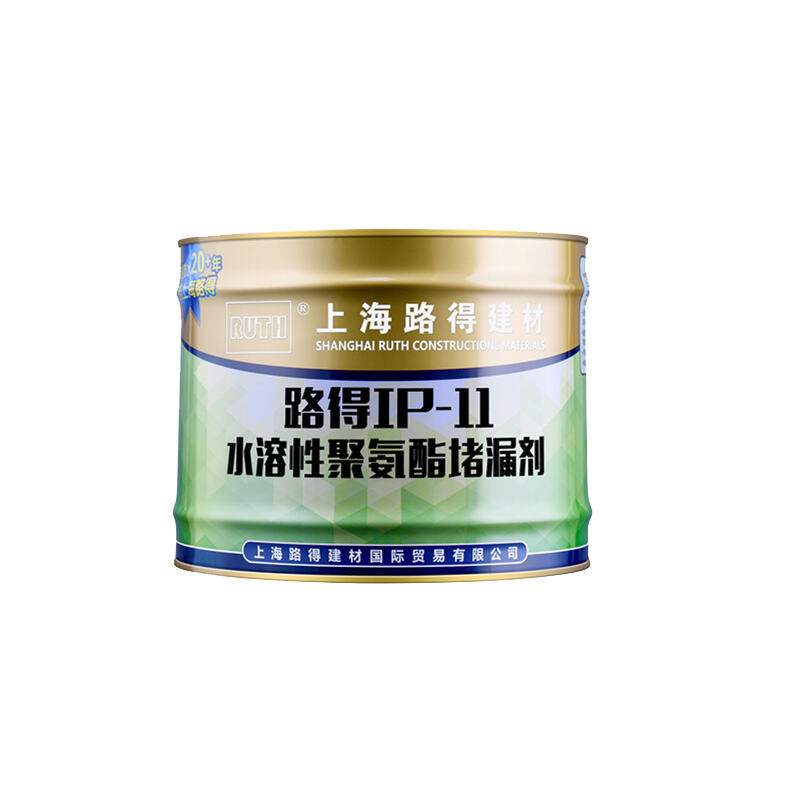
Tunnel and Underground Infrastructure Protection
Tunnel Liner Waterproofing Systems
Underground transportation and utility tunnels face severe water infiltration challenges due to hydrostatic pressure, groundwater flow, and the difficulty of accessing problem areas after construction completion. Traditional tunnel waterproofing systems often rely on sheet membranes that can be damaged during concrete placement or develop leaks at seam locations. Hydrophilic polyurethane provides a more robust solution by forming a continuous, seamless barrier that bonds permanently to tunnel liner surfaces.
The material's expansion properties prove especially valuable in tunnel applications where minor surface irregularities or construction imperfections can create potential leak paths. As groundwater contacts the hydrophilic polyurethane, the controlled swelling action fills these microscopic voids, creating a watertight seal that maintains integrity under high hydrostatic pressure conditions.
Tunnel engineers value hydrophilic polyurethane for its ability to bridge hairline cracks that may develop in concrete liners due to settling, thermal stress, or seismic activity. The flexible polymer matrix accommodates these minor movements while maintaining continuous water resistance, preventing the progressive deterioration that often occurs when moisture penetrates concrete structures.
Utility Penetration Sealing
Utility penetrations through tunnel walls and underground structures create complex sealing challenges where pipes, cables, and conduits pass through concrete or masonry barriers. These penetrations experience differential thermal expansion, vibration, and settlement that can open gaps between the penetrating element and surrounding structure. Traditional rigid sealants often crack or debond under these dynamic conditions, leading to water infiltration and costly remediation efforts.
Hydrophilic polyurethane addresses utility penetration sealing challenges through its combination of flexibility, adhesion, and water-activated expansion. The material forms permanent bonds with both metallic and non-metallic utility components while maintaining flexibility to accommodate ongoing movement. When moisture enters the penetration area, the polymer's controlled expansion creates additional sealing force that enhances protection over time.
Installation teams find that hydrophilic polyurethane simplifies complex penetration sealing projects by eliminating the need for multiple specialized products. The single-component system adheres to dissimilar materials including steel, PVC, concrete, and various cable jacketing materials, reducing inventory requirements and installation complexity.
Concrete Structure Leak Remediation
Active Leak Injection Repair
Active water leaks through concrete walls, floors, and joints present immediate challenges that require rapid, effective solutions to prevent property damage and operational disruption. Traditional leak repair methods often require complete moisture elimination before application, making them impractical for emergency situations or continuous leak scenarios. Hydrophilic polyurethane injection systems provide immediate leak stopping capability even under flowing water conditions.
The material's rapid reaction with water enables injection crews to stop active leaks within minutes of application, providing immediate protection while the polymer continues to cure and strengthen over time. This fast-acting characteristic proves invaluable in basement repairs, parking garage maintenance, and industrial facility leak remediation where downtime costs can be substantial.
Engineering teams specify hydrophilic polyurethane for active leak repair because the cured polymer remains permanently flexible, preventing the brittle failure modes common with rigid injection materials. The system accommodates ongoing structural movement, thermal cycling, and minor settling without cracking or debonding, providing long-term leak protection that extends structure service life.
Construction Joint Restoration
Construction joints in concrete structures develop leakage problems over time due to sealant aging, structural movement, and exposure to environmental conditions. These joints require restoration solutions that restore watertight integrity while accommodating ongoing movement and providing long-term durability. Hydrophilic polyurethane offers superior performance compared to traditional joint sealants through its unique combination of adhesion, flexibility, and water resistance properties.
The material's ability to bond strongly to aged concrete surfaces eliminates the extensive surface preparation typically required for joint restoration projects. This characteristic reduces project costs and completion time while ensuring reliable adhesion to substrates that may have been contaminated by previous sealant materials or environmental exposure.
Maintenance engineers appreciate that hydrophilic polyurethane joint restoration provides self-healing capabilities that extend service intervals between repairs. Minor cracks or adhesion losses that develop over time are automatically sealed when the polymer encounters moisture, maintaining joint integrity without immediate intervention requirements.
Industrial and Marine Environment Applications
Chemical Processing Facility Containment
Chemical processing facilities require specialized sealing solutions that maintain integrity when exposed to aggressive chemicals, temperature extremes, and high-pressure cleaning operations. Secondary containment systems, tank foundations, and process equipment installations demand materials that provide reliable protection while withstanding harsh industrial conditions. Hydrophilic polyurethane formulations designed for chemical resistance offer superior performance in these demanding applications.
The polymer's resistance to many industrial chemicals, combined with its flexibility and adhesion properties, makes it suitable for sealing applications where traditional materials fail due to chemical attack or mechanical stress. Tank pad sealing, pipe penetration waterproofing, and containment wall protection benefit from the material's ability to maintain integrity under continuous chemical exposure.
Facility engineers value hydrophilic polyurethane for its compatibility with concrete cleaning and decontamination procedures commonly required in chemical processing environments. The cured polymer withstands high-pressure washing, steam cleaning, and chemical rinse operations without degradation, maintaining protective properties throughout facility service life.
Marine Structure Water Exclusion
Marine structures including piers, seawalls, and harbor facilities face unique water infiltration challenges due to tidal action, wave impact, and saltwater exposure. These conditions create severe testing environments for waterproofing materials that must resist both mechanical damage and chemical degradation. Hydrophilic polyurethane designed for marine applications provides exceptional durability under these aggressive conditions.
The material's flexibility enables it to accommodate the structural movement common in marine environments due to wave loading, thermal cycling, and foundation settlement. This movement accommodation prevents the crack development that leads to water infiltration and subsequent structural deterioration in marine concrete structures.
Marine construction teams appreciate that hydrophilic polyurethane can be installed during brief low-tide windows without requiring completely dry conditions. This installation flexibility reduces project complexity and weather dependency while ensuring reliable water exclusion performance in challenging tidal environments.
FAQ
How does hydrophilic polyurethane differ from traditional waterproofing materials?
Hydrophilic polyurethane fundamentally differs from traditional waterproofing materials because it absorbs and reacts with water rather than simply repelling it. When exposed to moisture, the material undergoes controlled expansion that creates stronger sealing action, while traditional materials may degrade or lose effectiveness when wet. This water-reactive property enables hydrophilic polyurethane to self-heal minor cracks and provide improving protection over time, unlike conventional sealants that deteriorate with age and water exposure.
Can hydrophilic polyurethane be applied in wet conditions?
Yes, hydrophilic polyurethane can be successfully applied to damp or slightly wet surfaces, which represents a significant advantage over many traditional sealing systems that require completely dry conditions. The material actually utilizes moisture to enhance its curing process and final performance characteristics. However, standing water should be removed before application to ensure proper adhesion and controlled expansion. This wet-condition tolerance makes hydrophilic polyurethane particularly valuable for emergency repairs and below-grade applications where achieving completely dry conditions may be impractical.
What is the expected service life of hydrophilic polyurethane sealing systems?
Hydrophilic polyurethane sealing systems typically provide service life exceeding twenty years when properly installed and specified for appropriate applications. The material's flexibility and self-healing properties contribute to exceptional longevity compared to rigid sealing materials that may crack or debond over time. Service life depends on factors including installation quality, substrate condition, environmental exposure, and structural movement, but the polymer's ability to accommodate minor movements and automatically seal small cracks generally extends protection well beyond conventional sealing alternatives.
Is hydrophilic polyurethane suitable for potable water applications?
Specific hydrophilic polyurethane formulations are available that meet potable water contact requirements and relevant health standards for drinking water system applications. These specialized formulations undergo testing to ensure they do not leach harmful substances when in contact with drinking water. However, standard hydrophilic polyurethane products may not be suitable for potable water contact, so engineers must specify NSF-approved or similarly certified formulations when sealing drinking water storage tanks, distribution systems, or treatment facilities.