
 EN
EN



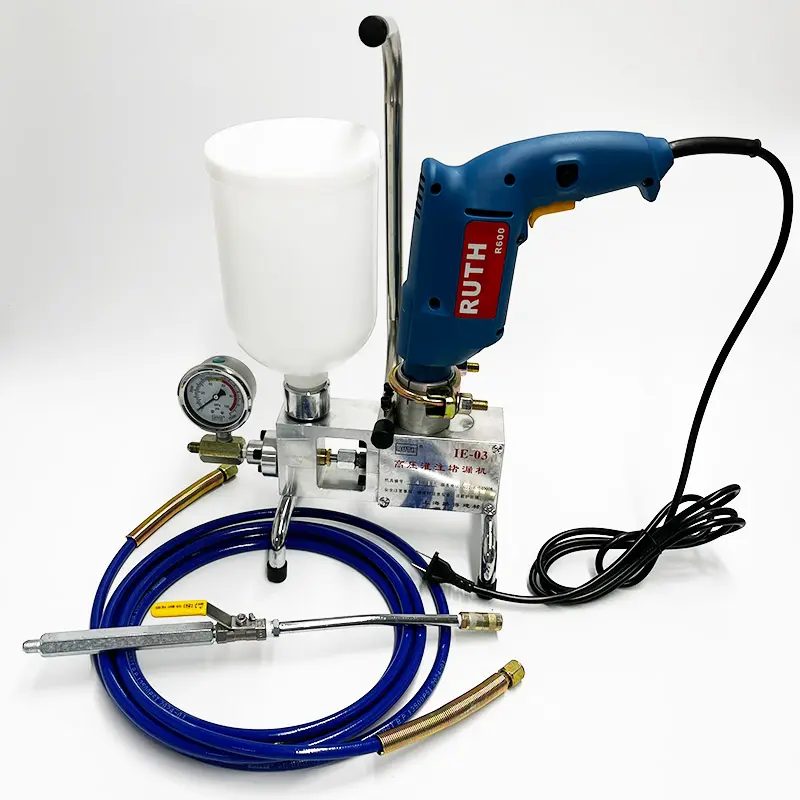
Polyurethane grout has emerged as a leading solution for high-pressure injection applications across various industrial sectors, from underground construction to waterproofing projects. The unique chemical composition and mechanical properties of polyurethane grout enable it to withstand extreme pressure conditions while maintaining structural integrity and sealing performance. Understanding what makes this material exceptionally suitable for high-pressure environments requires examining its molecular structure, curing characteristics, and performance under demanding operational conditions.
The suitability of polyurethane grout for high-pressure injection systems stems from its exceptional ability to cure under pressure while forming strong chemical bonds with surrounding substrates. Unlike traditional grouting materials that may fail under extreme pressure conditions, polyurethane grout maintains its flowability during injection and develops superior mechanical strength upon curing. This combination of workability and performance makes it an ideal choice for critical applications where pressure resistance and long-term durability are paramount concerns for project success.
Chemical Structure and Pressure Resistance Properties
Polymer Chain Formation Under High Pressure
The fundamental reason polyurethane grout excels in high-pressure applications lies in its unique polymer chain formation process. When exposed to high-pressure conditions during injection, the polyurethane molecules form cross-linked networks that actually benefit from the pressure environment. The pressure helps compress the molecular chains, creating denser polymer structures that exhibit enhanced mechanical properties compared to atmospheric pressure curing conditions.
This pressure-enhanced curing process results in polyurethane grout developing superior compressive strength, often exceeding 5000 psi when properly formulated. The cross-linking density increases under pressure, creating a more robust three-dimensional network structure that can withstand subsequent high-pressure exposures without degradation. This characteristic makes polyurethane grout particularly valuable in applications where the material must maintain its integrity under continuous pressure cycling.
The molecular weight distribution of cured polyurethane grout also contributes to its pressure resistance capabilities. High-pressure curing conditions promote uniform molecular weight distribution, resulting in more consistent material properties throughout the injection zone. This uniformity is critical for maintaining seal integrity in high-pressure systems where localized weak points could lead to system failure.
Chemical Bonding Mechanisms
Polyurethane grout forms strong chemical bonds through urethane linkages that develop enhanced strength characteristics under high-pressure conditions. The pressure environment accelerates the reaction between isocyanate groups and hydroxyl-containing compounds, creating more complete cross-linking and reducing the presence of unreacted components that could compromise long-term performance.
The chemical bonding process in polyurethane grout is particularly effective because it occurs at the molecular level, creating permanent connections that do not rely solely on mechanical interlocking. This chemical bonding provides superior adhesion to various substrates, including concrete, steel, and rock formations, which is essential for maintaining seal integrity in high-pressure injection applications.
Additionally, the urethane linkages formed during high-pressure curing exhibit excellent resistance to hydrolysis and chemical attack, ensuring long-term performance even in aggressive environmental conditions. This chemical stability is crucial for applications where the polyurethane grout must maintain its properties over extended periods under continuous high-pressure exposure.
Rheological Behavior and Injectability Characteristics
Flow Properties Under High Pressure
The rheological behavior of polyurethane grout under high-pressure conditions is fundamentally different from conventional grouting materials. Polyurethane grout exhibits shear-thinning properties, meaning its viscosity decreases under the high shear conditions present in high-pressure injection systems. This characteristic enables the material to flow more easily through small openings and tight spaces while maintaining adequate viscosity for controlled placement.
The thixotropic nature of polyurethane grout also contributes to its effectiveness in high-pressure applications. When subjected to the mechanical energy of high-pressure pumping, the material becomes more fluid, allowing for better penetration into fine cracks and voids. Once the shearing action stops, the viscosity recovers, helping to prevent unwanted migration of the material from the intended injection zone.
Temperature effects on rheology become particularly important in high-pressure polyurethane grout applications. The adiabatic heating that occurs during high-pressure injection can significantly affect the material's flow properties and working time. Well-formulated polyurethane grout systems account for these temperature effects, maintaining consistent flow characteristics even under varying thermal conditions encountered during high-pressure injection operations.
Working Time and Pot Life Management
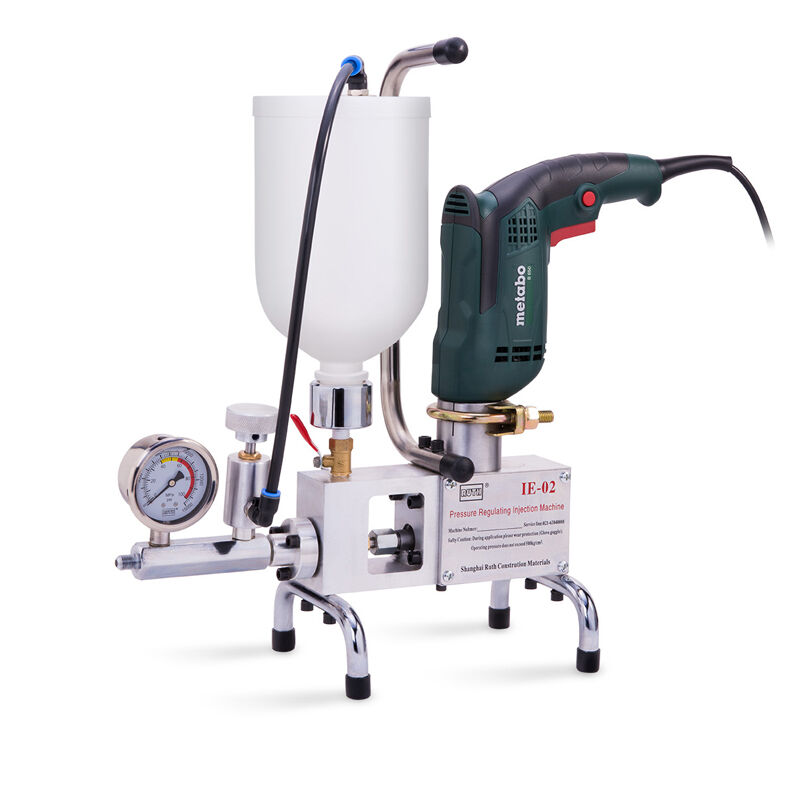
Managing the working time of polyurethane grout in high-pressure systems requires careful consideration of pressure effects on cure kinetics. High-pressure conditions generally accelerate the curing reaction, reducing the effective working time compared to atmospheric pressure applications. This acceleration must be balanced against the need for sufficient time to complete the injection process before the material begins to gel.
Advanced polyurethane grout formulations incorporate pressure-responsive catalysts and inhibitors that provide predictable working time characteristics under high-pressure conditions. These formulations allow operators to maintain control over the injection process while ensuring complete filling of the target zone before curing begins. The ability to predict and control working time is essential for successful high-pressure injection operations.
The pot life of polyurethane grout in high-pressure systems is also influenced by the mechanical mixing that occurs during pumping and injection. The intense mixing action in high-pressure pumping equipment can accelerate the onset of gelation, requiring careful coordination between mixing, pumping, and injection operations to ensure optimal results.
Mechanical Performance and Durability Factors
Compressive and Tensile Strength Development
The mechanical performance of polyurethane grout in high-pressure applications is characterized by exceptional compressive strength development that surpasses most alternative grouting materials. When cured under high-pressure conditions, polyurethane grout typically achieves compressive strengths ranging from 3000 to 8000 psi, depending on the specific formulation and curing conditions. This high compressive strength is essential for withstanding the operational pressures encountered in high-pressure injection systems.
The tensile strength characteristics of polyurethane grout also contribute significantly to its suitability for high-pressure applications. Unlike brittle materials that fail suddenly under tension, polyurethane grout exhibits ductile behavior that allows it to accommodate stress concentrations and minor movements without catastrophic failure. This flexibility is particularly valuable in applications where thermal cycling or ground movement could induce tensile stresses in the grouted zone.
The modulus of elasticity of cured polyurethane grout can be tailored through formulation adjustments to match the mechanical properties of surrounding materials. This compatibility helps reduce stress concentrations at interfaces and improves the overall performance of the high-pressure injection system. The ability to engineer specific mechanical properties makes polyurethane grout suitable for a wide range of high-pressure applications with varying performance requirements.
Fatigue Resistance and Long-Term Performance
Fatigue resistance is a critical performance characteristic for polyurethane grout in high-pressure systems that experience cyclic loading conditions. The polymer structure of polyurethane grout provides excellent fatigue resistance due to its ability to dissipate energy through molecular chain movement rather than accumulating damage in the form of microcracks. This energy dissipation mechanism helps prevent fatigue failure even under millions of pressure cycles.
Long-term performance studies of polyurethane grout in high-pressure applications demonstrate excellent retention of mechanical properties over extended periods. The cross-linked polymer structure resists degradation from repeated pressure cycling, maintaining seal integrity and structural performance for decades under proper operating conditions. This durability is essential for applications where replacement or repair would be extremely costly or technically challenging.
The creep resistance of polyurethane grout under sustained high-pressure loading is another important factor contributing to its long-term performance. Unlike materials that may gradually deform under constant stress, properly formulated polyurethane grout maintains its dimensional stability even under continuous high-pressure exposure. This characteristic ensures that seals and structural elements maintain their effectiveness throughout the design life of the system.
Application-Specific Advantages in High-Pressure Systems
Sealing and Waterproofing Performance
The sealing performance of polyurethane grout in high-pressure applications is enhanced by its ability to form continuous, monolithic barriers that conform to irregular surfaces and penetrate fine discontinuities. The high-pressure injection process drives the material into micro-cracks and voids that would be inaccessible to other grouting methods, creating comprehensive sealing that addresses both major and minor leakage paths.
Waterproofing applications particularly benefit from the hydrophobic or hydrophilic properties that can be engineered into polyurethane grout formulations. Hydrophilic polyurethane grout can react with water during the injection process, expanding to fill voids and create positive sealing pressure against surrounding surfaces. This reactive sealing capability is especially valuable in high-pressure groundwater control applications where active water flow must be stopped during the injection process.
The chemical resistance of cured polyurethane grout ensures that sealing performance is maintained even when exposed to aggressive chemicals that might be present in high-pressure systems. This chemical stability is particularly important in industrial applications where process fluids, cleaning chemicals, or environmental contaminants could potentially degrade other types of grouting materials over time.
Structural Strengthening Applications
Structural strengthening applications represent another area where polyurethane grout excels in high-pressure systems. The material's ability to penetrate fine cracks and bond chemically with concrete, masonry, and rock allows it to restore or enhance the load-carrying capacity of deteriorated structures. High-pressure injection ensures complete filling of structural discontinuities, creating composite action between the original material and the polyurethane grout.
The load transfer capabilities of polyurethane grout are enhanced by its high modulus of elasticity and excellent bond strength with common construction materials. When injected at high pressure, the material creates intimate contact with substrate surfaces, developing bond strengths that often exceed the tensile strength of the substrate material itself. This strong bonding is essential for effective load transfer in structural strengthening applications.
Post-injection monitoring of structural strengthening projects using polyurethane grout demonstrates significant improvements in structural stiffness and load-carrying capacity. The high-pressure injection process ensures complete filling of voids and cracks, eliminating stress concentrations that could lead to progressive structural deterioration. This comprehensive strengthening effect makes polyurethane grout particularly valuable for extending the service life of critical infrastructure components.
FAQ
What pressure levels can polyurethane grout withstand during injection?
Polyurethane grout can typically be injected at pressures ranging from 100 to 3000 psi, depending on the specific formulation and application requirements. High-performance formulations designed for extreme conditions can withstand injection pressures up to 5000 psi while maintaining proper flow characteristics and cure properties. The material's ability to cure under these high-pressure conditions actually enhances its final mechanical properties compared to atmospheric pressure curing.
How does high-pressure injection affect the curing time of polyurethane grout?
High-pressure conditions generally accelerate the curing process of polyurethane grout due to increased molecular interaction and heat generation from compression. Typical curing times under high pressure range from 15 minutes to 2 hours, compared to 30 minutes to 4 hours under atmospheric conditions. The exact curing time depends on temperature, pressure level, catalysts used, and the specific chemical formulation of the polyurethane grout system.
Can polyurethane grout maintain its properties under continuous high-pressure exposure?
Yes, properly formulated polyurethane grout is designed to maintain its mechanical and sealing properties under continuous high-pressure exposure for decades. The cross-linked polymer structure provides excellent resistance to pressure-induced creep and fatigue, while the chemical bonds remain stable under sustained loading. Long-term performance data shows minimal property degradation even after millions of pressure cycles in properly designed systems.
What makes polyurethane grout more suitable than other materials for high-pressure injection?
Polyurethane grout offers several advantages over alternative materials including superior flow characteristics under high pressure, chemical bonding capability with substrates, pressure-enhanced curing that improves final properties, excellent fatigue resistance, and the ability to be formulated for specific performance requirements. Unlike cement-based or epoxy materials, polyurethane grout maintains its flexibility while providing high strength, making it ideal for applications requiring both sealing and structural performance under demanding pressure conditions.
Table of Contents
- Chemical Structure and Pressure Resistance Properties
- Rheological Behavior and Injectability Characteristics
- Mechanical Performance and Durability Factors
- Application-Specific Advantages in High-Pressure Systems
-
FAQ
- What pressure levels can polyurethane grout withstand during injection?
- How does high-pressure injection affect the curing time of polyurethane grout?
- Can polyurethane grout maintain its properties under continuous high-pressure exposure?
- What makes polyurethane grout more suitable than other materials for high-pressure injection?