
 EN
EN



Choosing the right repair material is one of the most consequential decisions in any structural maintenance project. When concrete or masonry develops cracks, contractors and facility managers often face a direct choice between epoxy crack filler and traditional cement-based patching compounds. While both materials address visible damage, they perform very differently under real-world conditions. Understanding exactly when epoxy crack filler is the preferred solution can mean the difference between a repair that lasts decades and one that fails within months.
Cement-based repair mortars have served the construction industry for generations, and they remain useful in many surface-level applications. However, epoxy crack filler offers a fundamentally different performance profile — one that is specifically suited to structural cracks, chemically aggressive environments, and areas subjected to continuous load or vibration. This article examines the precise conditions under which epoxy crack filler is the superior and often necessary choice.
Structural Integrity and Load-Bearing Conditions
Why Structural Cracks Demand Epoxy Crack Filler
When a crack appears in a load-bearing slab, beam, column, or foundation wall, the repair material must do more than simply fill the void. It must restore the structural continuity of the element. Epoxy crack filler bonds to concrete at tensile strengths that frequently exceed the strength of the surrounding substrate itself. Cement-based compounds, by contrast, form a mechanical bond that is significantly weaker and far more susceptible to re-cracking under stress. For structural repairs, epoxy crack filler is not merely preferred — it is often the only responsible option.
In industrial floors, bridge decks, parking structures, and precast concrete panels, dynamic loads and vibration cycles are constant. Epoxy crack filler resists these repeated stress cycles without losing adhesion or developing secondary micro-cracks. Cement-based patches tend to debond progressively in high-cycle load environments, making epoxy crack filler the technically correct choice whenever structural performance is at stake.
Narrow and Deep Crack Penetration
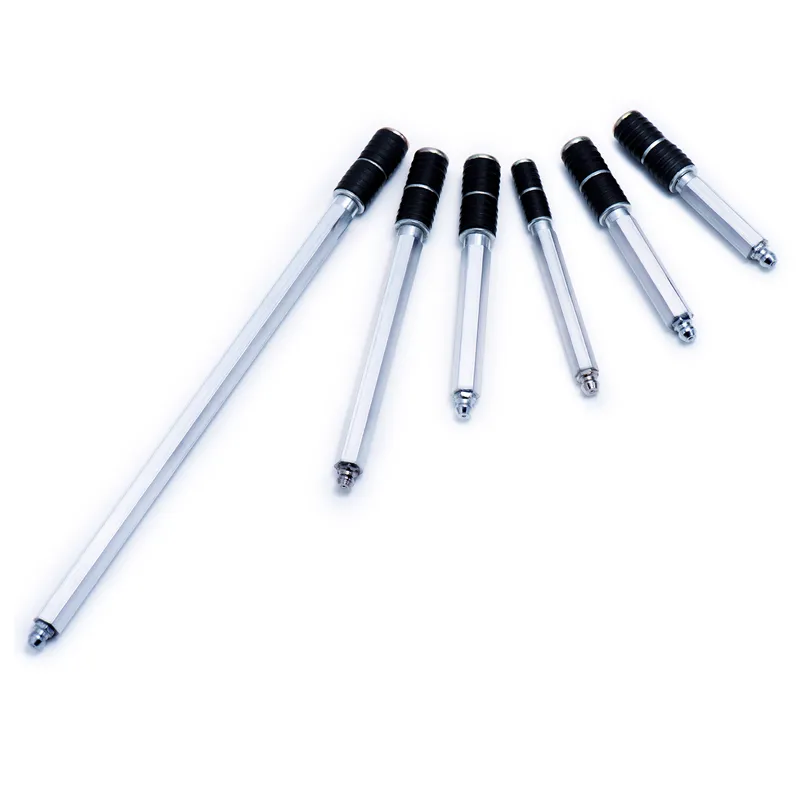
Many structural cracks are narrow — sometimes under 0.2 mm in width — and extend deep into the concrete mass. Epoxy crack filler formulated for low-viscosity injection can penetrate these hairline cracks fully, filling the entire crack plane rather than just the surface. Cement-based grouts and mortars lack the flowability to enter such fine cracks, leaving voids that allow moisture ingress and continued deterioration. Epoxy crack filler used in pressure injection systems delivers complete crack filling even in the most confined geometry.
Chemical Resistance and Environmental Exposure
When Chemical Exposure Makes Epoxy Crack Filler Essential
In environments where concrete is exposed to oils, fuels, acids, alkalis, or industrial solvents, epoxy crack filler provides a chemically inert seal that cement-based materials simply cannot match. Portland cement is inherently alkaline and susceptible to acid attack, salt intrusion, and sulfate degradation. Epoxy crack filler, once fully cured, forms a cross-linked polymer matrix that resists a wide range of aggressive chemicals without breaking down. This makes epoxy crack filler the standard choice in wastewater treatment plants, food processing facilities, chemical storage areas, and marine structures.
Chloride-induced corrosion is a major cause of concrete deterioration in coastal and de-iced road environments. Epoxy crack filler seals cracks against chloride ion penetration, protecting embedded reinforcement steel from corrosion. Cement-based patching leaves micro-porosity that allows chloride migration to continue, meaning the root cause of cracking is never properly addressed. Epoxy crack filler eliminates that pathway entirely, providing long-term protection that goes beyond surface aesthetics.
Moisture and Water Pressure Scenarios
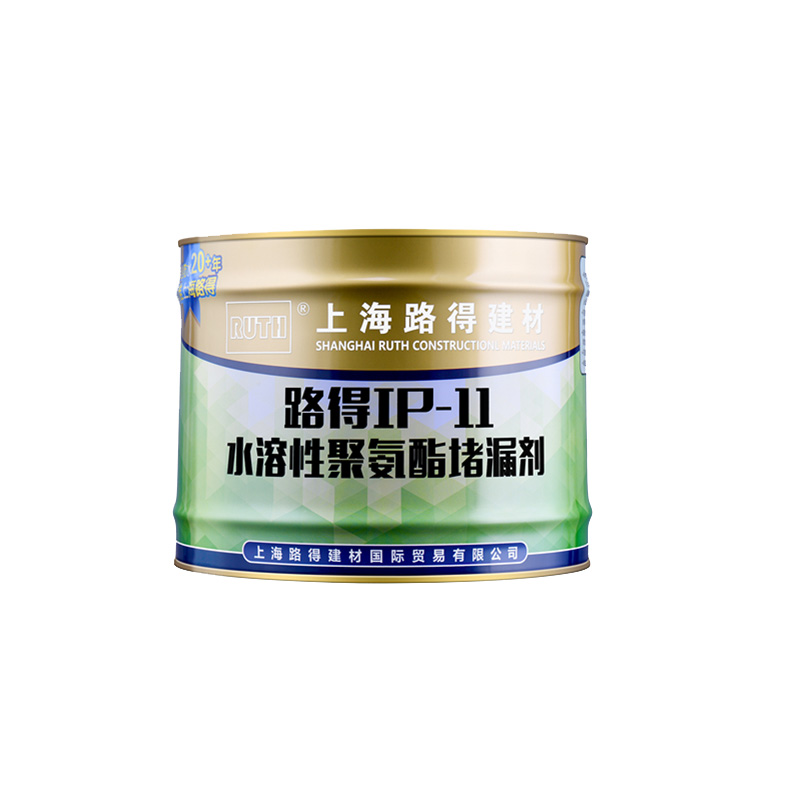
Epoxy crack filler is frequently used in below-grade structures, tunnels, water-retaining structures, and wet basements where moisture is a persistent challenge. Certain epoxy crack filler formulations are specifically engineered to cure effectively even in damp or wet crack conditions, something that cement-based materials cannot achieve reliably. When water pressure is actively pushing through a crack, a high-viscosity or gel-type epoxy crack filler can be applied to control and seal the infiltration. In these scenarios, cement patches wash out quickly, while epoxy crack filler maintains its seal under hydrostatic pressure.
Timing, Curing, and Project Requirements
When Project Timelines Favor Epoxy Crack Filler
Epoxy crack filler typically achieves handling strength within hours and full mechanical strength within 24 to 72 hours depending on the formulation and ambient temperature. This rapid return-to-service capability is critical in operational facilities where extended downtime is not acceptable. Cement-based repair mortars require moisture curing for days and often need protective coverings, adding complexity to the repair process. When minimizing disruption to facility operations is a priority, epoxy crack filler consistently offers the faster and more reliable timeline.
Epoxy crack filler also maintains dimensional stability during curing. Unlike cement-based compounds, which are prone to shrinkage as they dry, epoxy crack filler cures with minimal volumetric change. This means the repaired crack remains fully sealed without secondary cracking at the patch edges — a common failure mode with cementitious mortars. Wherever long-term dimensional stability is required, epoxy crack filler is the technically preferred solution.
Surface Preparation and Application Conditions
Epoxy crack filler performs best when applied to structurally sound, clean concrete surfaces. Before using epoxy crack filler, the crack should be free of dust, oil, and loose particles. In cold-weather conditions, low-temperature epoxy crack filler formulations are available that cure reliably even at near-freezing temperatures, whereas cement-based materials lose strength rapidly when applied below 5°C. Selecting the right epoxy crack filler grade for the specific ambient condition ensures that the repair achieves its intended performance from day one.
FAQ
Can epoxy crack filler be used on cracks in vertical or overhead surfaces?
Yes. Thixotropic or gel-formulated epoxy crack filler is specifically designed for non-sag application on vertical walls, columns, and overhead concrete surfaces. These grades of epoxy crack filler hold position during application and curing without slumping, making them suitable for vertical and overhead repair work.
Is epoxy crack filler suitable for cracks that are still actively moving?
Standard rigid epoxy crack filler is best suited for dormant or stable cracks where movement has stopped. For cracks that are still subject to thermal cycling or minor structural movement, a flexible epoxy crack filler or polyurethane-based product may be more appropriate to prevent re-cracking after repair.
How does epoxy crack filler compare to cement repair in terms of long-term cost?
While epoxy crack filler has a higher initial material cost than cement-based compounds, its superior bond strength, chemical resistance, and durability typically result in lower total lifecycle costs. Cement-based repairs in structural or chemically aggressive environments often require rework within a few years, whereas a properly applied epoxy crack filler repair can remain intact for a decade or more without retreatment.