
 EN
EN



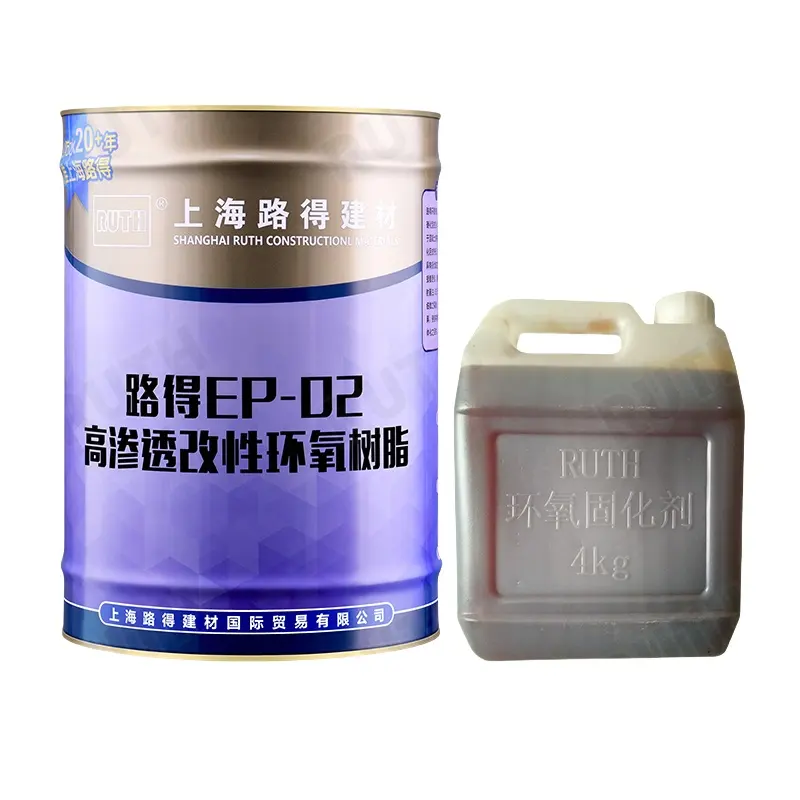
In structural and civil engineering, selecting the right epoxy crack filler is not simply a matter of convenience — it is a critical decision that affects the long-term integrity of concrete structures, bridges, industrial floors, and load-bearing elements. Engineers and procurement professionals must evaluate multiple technical parameters before specifying any epoxy crack filler for a given application. Understanding these criteria helps prevent premature failure, costly rework, and structural liability.
This article breaks down the key performance criteria that define a high-quality epoxy crack filler in engineering contexts. Whether you are working on infrastructure rehabilitation, industrial facility maintenance, or new construction defect correction, these evaluation benchmarks will guide you toward the most appropriate epoxy crack filler for your project requirements.
Mechanical Performance Standards
Bond Strength and Tensile Capacity
The most fundamental criterion for any epoxy crack filler is its bond strength to the substrate. In engineering applications, the epoxy crack filler must achieve adhesion values that meet or exceed the tensile strength of the surrounding concrete. A high-performance epoxy crack filler typically delivers bond strengths above 10 MPa, ensuring the repaired zone does not become the weakest point in the structure. Engineers should request certified test data for bond strength when evaluating any epoxy crack filler product.
Tensile and compressive strength are equally important. A quality epoxy crack filler should demonstrate compressive strength values exceeding 70 MPa after full cure. This level of mechanical performance ensures the epoxy crack filler can carry structural loads across the repaired crack without deformation or creep under sustained pressure.
Flexural Strength and Elongation
Not all cracks occur in static, rigid conditions. Where dynamic loading, thermal cycling, or minor structural movement is anticipated, the epoxy crack filler must offer adequate flexural strength and controlled elongation at break. A rigid but brittle epoxy crack filler may re-crack under movement, while a product with balanced flexibility maintains its seal under stress. Engineers should review the stress-strain curve for any epoxy crack filler intended for structures subject to vibration or live loads.
Flow, Penetration, and Cure Properties
Viscosity and Crack Penetration Depth
The ability of an epoxy crack filler to fully penetrate hairline or medium-width cracks is directly controlled by its viscosity. Low-viscosity formulations, typically below 500 mPa·s, allow the epoxy crack filler to travel deep into fine cracks under gravity or injection pressure. If the epoxy crack filler cannot reach the full depth of the crack, voids remain that can trap moisture and lead to further deterioration. Viscosity data should always be assessed at the expected ambient temperature, since epoxy crack filler viscosity rises significantly in cold conditions.
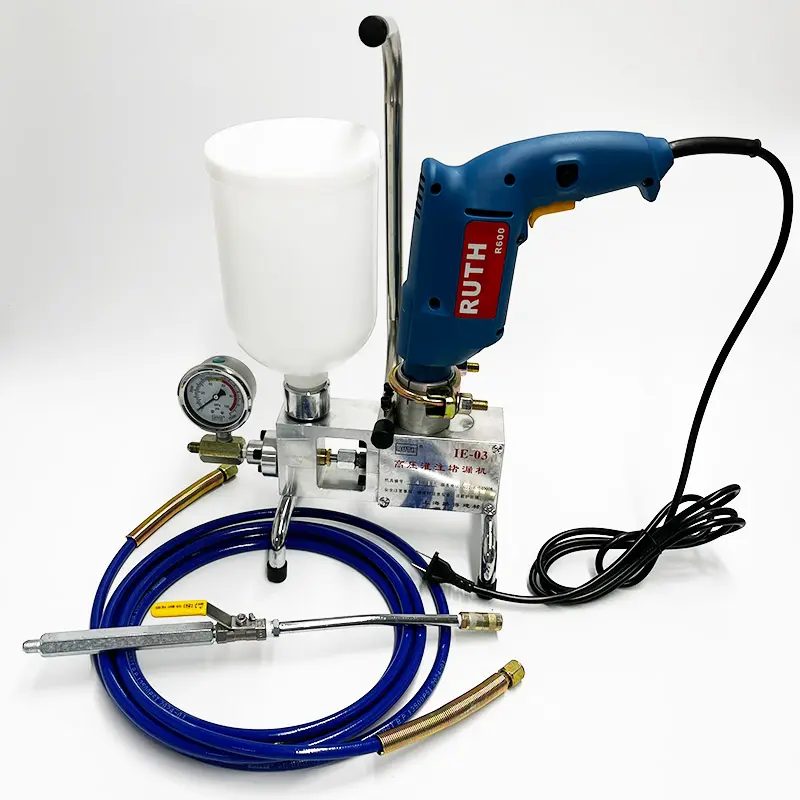
In pressure injection applications, the epoxy crack filler must maintain consistent flow without premature gelling inside the injection port or hose. Pot life directly governs how much working time the applicator has before the epoxy crack filler begins to harden. A well-specified epoxy crack filler will offer a pot life of 20–60 minutes at standard temperature, giving crews sufficient time for thorough injection without waste.
Cure Time and Strength Development Rate
Engineering schedules often demand early return to service. The cure profile of an epoxy crack filler must therefore balance rapid initial strength gain with full long-term curing. A reliable epoxy crack filler should reach handling strength within 4–8 hours and achieve full mechanical properties within 7 days at 23°C. The epoxy crack filler cure rate is temperature-sensitive, so engineers working in cold climates should verify that the selected epoxy crack filler has been tested at reduced temperatures to confirm acceptable strength development.
Chemical Resistance and Durability
Resistance to Moisture, Chemicals, and Aggressive Environments
In industrial and infrastructure environments, an epoxy crack filler faces exposure to moisture, oils, acids, alkalis, and solvents. A high-grade epoxy crack filler must demonstrate resistance to water ingress, as moisture inside a repaired crack accelerates freeze-thaw damage and reinforcement corrosion. The epoxy crack filler should show no significant strength reduction after prolonged water immersion testing. For chemical plants or wastewater facilities, the epoxy crack filler must additionally resist specific aggressive agents relevant to the process environment.
Thermal stability is another durability parameter that distinguishes a robust epoxy crack filler from a basic product. The glass transition temperature (Tg) of the cured epoxy crack filler indicates the maximum service temperature before mechanical degradation occurs. For most structural applications, an epoxy crack filler with a Tg above 50°C is preferred. In high-temperature industrial settings, the Tg requirement for the epoxy crack filler may be considerably higher, and the product data sheet must confirm this value explicitly.
Long-Term Fatigue and Shrinkage Behavior
Shrinkage during cure is a critical but often overlooked criterion for any epoxy crack filler. Excessive volumetric shrinkage causes internal stress at the interface between the epoxy crack filler and the substrate, which can initiate debonding. A well-formulated epoxy crack filler should exhibit near-zero shrinkage on cure. Engineers should request shrinkage data as part of the product qualification process. Long-term fatigue resistance also matters — a epoxy crack filler used in cyclic load environments must maintain its bond and cohesion across thousands of load cycles without progressive microcracking.
FAQ
What viscosity should an epoxy crack filler have for hairline crack injection?
For hairline crack injection, an epoxy crack filler with a viscosity below 300 mPa·s at application temperature is generally recommended. This ensures the epoxy crack filler can penetrate cracks as narrow as 0.1 mm under low injection pressure. Always verify the viscosity of the epoxy crack filler at the actual site temperature, not only at standard laboratory conditions.
How do I verify the bond strength of an epoxy crack filler before specifying it?
Request independent test certificates showing pull-off adhesion results on concrete substrates. A qualified epoxy crack filler should show bond strength values clearly above the tensile strength of the base concrete, typically exceeding 2.5 MPa in pull-off tests. For critical structural repairs, on-site pull-off testing after a trial application of the epoxy crack filler provides the most reliable confirmation.
Can an epoxy crack filler be used in wet or damp crack conditions?
Some epoxy crack filler formulations are specifically engineered for damp or wet substrates. However, not all standard epoxy crack filler products perform well in wet conditions. Always check the product data sheet to confirm whether the epoxy crack filler is rated for damp surface application, as using an unsuitable product in wet cracks can lead to adhesion failure and ineffective repair.