
 EN
EN



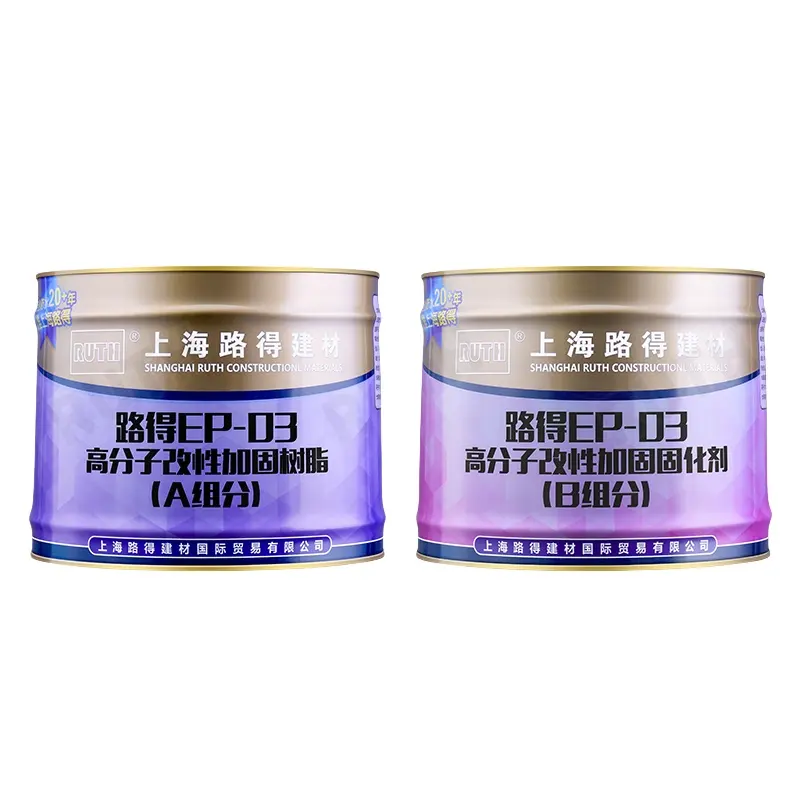
Imíonn líonadh crachta epócsa ról criticiúil i bhunú córas uisce-dhíobháilte do struchtúir chónaithe a bhíonn ag fáil úsáide as uisce, ionsaí ceimiceach, agus deacraíocht timpeallachta. In áit sealantí sealadacha nó códáin uachtair a mheallann an t-ábhar amháin, imíonn líonadh crachta epócsa go domhan isteach sa chóras crachta chónaithe, ag cruthú díolú tarraingthe maraon leis an mbunstruchtúr, agus ag athbhunú an intinne struchtúrtha ag an am céanna ag stopadh sligheanna an uisce. Tá an mecanaíochta faoi leith a dhéanann é seo éifeachtach ar feadh na mblianta i dtreo na struchtúire móleacúlaí, na ceimice an chur i mbun, agus na treithe adhesiúla a thiontúonn an córas chónaithe atá míshásta ina bharrair aonuile, gan uisce a ligean tríd, a bheidh in ann brath brú hidristeas agus cíclanna timpeallachta thar dhéagáin seirbhíse.
Tá sé de dhíth ar an mheas a chur ar an bpointe a bhaineann eolaíocht na mbearra, modhanna curtha i bhfeidhm, agus fachtóirí feidhme timpeallachta chun tuiscint a fháil ar conas a thacaíonn líonadh críche epócsí le haghaidh uisce-ghanmharcais fhadtéarmach, rud a aithníonn é ó mhatéirialaí réamhchomhshaoilte. Nuair a fhoirmítear agus a chuirtear isteach é go ceart, cruthaíonn líonadh críche epócsí líonadh polaiméir trí shuíomh laistigh de chrícheanna coinbhéime a ghníomhaíonn ní amháin mar phlúrach in aghaidh an uisce ach freisin mar thacaíocht do shonraí lagaithe, cosc ar leathnú na gcricheanna, agus fiú an t-ádh a thagann le deacraíocht cheimiceach a mheallfaidh an t-uisci-ghanmharcais. Míníonn an cur chuige cuimsitheach seo ar chóiriú críche an fáth go dtugann innealtóirí agus bainistírí áiseanna an t-ainm ‘ lánúchán craiceann eipóicí ’ go minic agus níos minic ar líonadh críche epócsí do fheidhmeanna uisce-ghanmharcais atá lárnach don mhisean i dtionsclaíocht, saol indiústrúil, agus foirgnimh trádála, áit a bhfuil an fheidhm fhadtéarmach ríthábhachtach.
Bunús Ceimiceach Feidhme Uisce-ghanmharcais
Struchtúr Mhóilíneach agus Cruthú Polaiméir
Tá an cumas uisce-dhíghlúiteachta a bhaineann le lánúint críche epócsí éirithe ó cheimic na polaméar teirmshocraithe, a dhéanann nascadh trasna neamh-athraitheach le linn an chur i mbun a thagann le haghaidh líonra tiubh, neamh-thréigthe. Nuair a mheascann comhpháirteanna réisín epócsí agus an t-aeráid, tosaíonn siad freagarthacht theasach a chruthaíonn naisc covailinte idir sraitheanna an pholaméir, rud a thagann le haghaidh líonra trí shuíomh le fáil spás beag do threabhadh uisce isteach. Tá an t-architeacht mhóilíneach seo difriúil go bunúsach ó shiolláiní meicniúla a dtagann ar adhésion fisiciúil amháin, mar a nascann lánúint críche epócsí go ceimiceach le fo-thacar coinníollach ar leibhéal móilíneach agus ag an am céanna ag lánú micr-spásanna laistigh den chrioch.
Taispeánann an struchtúr polamairíochta a bhfuil nascanna idirghníomhacha air ag cur in aghaidh an t-uisce go han-mhéad, le foirmleáin ar chuid uisce a bheith ag cruthú craobhchraiceann a bhfuil rátaí iompraíochta uisce faoi bhréag an chéad chéad céad mar ghiuirléid fiú tar éis imshuí fada. Tagann an carachtar hidrofóibeach seo ó na frithchuid mhóilíneacha aromatacha agus alifatacha laistigh den eipócsí a bhfuil sé cruáite, a dhoirteann móilínca uisce agus a chaomhnaíonn stádhaíocht thar a bheith i dtíortha fuar. In aghaidh na mbreiseáin réadmhíreacha a bhíonn leathbhealach leathtáin, cruthaíonn an cromadh craobhchraiceann eipócsí cruáite go hiomlán barra leanúnach a chuireann bac ar iompraíocht uisce capailléireach trí an líonra craobhchraiceann a bhfuil tréith air.
Ceangal Adhesiúil agus Integritéas Idirdhúchas
Tá an t-ullmhú fadtéarmach chun uisce a shealbhú ag brath go mór ar chaomhnú neart na ndaoine idir an líonadh críche epócsa agus an chóntúir chónaithe, mar gur féidir le haon dhlíthiú bealaí uisce a thabhairt isteach a mheallann an t-iompraíocht iomlán. Bhaintear adhesión shárchaighdeáin as réisíní epócsa trí iolrach meicníochtaí lena n-áirítear an t-imealladh meicniúil le struchtúir pora an chóntúir, an ceangal ceimiceach le hiatraim hidrocsaile agus le fásanna silicite, agus na cumhachtaí van der Waals a oibríonn ar scála móilíneach. Cinntíonn an straitéis adhesión iolrach seo go mbíonn an líonadh críche epócsa ceangailte go maith le fo-thaobh an chóntúir fiú faoi chiorcail teochta, gluaiseacht struchtúrtha, agus eispózúchán do cheimicigh ionfhabhtacha a mheallfaidís córas ceangail níos lú láidir.
Tugann an t-ísealghluaisiúcht a bhaineann le foirmleanna líonadh críche epócsí éadrom an cumas do chur isteach go domhain i lorgáin críche, ag cinntiú go líonfar gach géoméatriú casta i gceart, lena n-áirítear crícheanna rannchuinge, brisneacha fíne, agus córais foláin ceangailte. Nuair a thagann an epócsí i dteagmháil le haghaidheanna coinnemh le linn an chur isteach, scriosann sé an t-uisce agus an aer atá dúnta ann agus baineann sé le haghaidheanna an fho-thaobha go dtí go mbíonn an cheangal is fearr ar fáil, rud a mhéadaíonn an limistéar ina ndéantar ceangal. Cruthaíonn an t-iontráil thar a bheith iomlán barrair uisce a shroicheann an iomlán de thríochad na críche seachas an scannán amháin a dhúnadh, ag soláthar cosaint i ndépthacht in aghaidh iontráil uisce fiú má theip ar leathanaigh an uisce.
Díth Cheimiceach agus Fionnghlas Comhshaoil
Coimeádann líonadh críche epócsa an fheidhmíocht uisce-dhíghlanaithe thar thréimhse seirbhíse fada mar a mhatraigh polaiméar dúnta a sheasann i gcoinne deargadh ó chiseanna a fhaightear go coitianta i dtimpeallachtaí tionsclaíocha agus infrastruchtúr. Soláthraíonn na nascanna eatarthu arómatacha agus an struchtúr trasnach tuiscint inbhéanach i gcoinne aigéid, bainne, soláthairí agus salann a mbeadh in ann iarann a chorroideáil nó ábhair chéimeantacha a mhothú. Cuirtear leis an staid cheimiceach seo an forbairt ar bhóthar nua le haghaidh iontrála uisce a bheadh ann má dheimhníodh míreanna an t-athchóirithe faoi thionchar substaintí géar atá i ndúl an uisce fochruthach, na leachtanna próiseas, nó an t-iarann ón aer.
Tugann cícláil teochta agus coinníollacha an-ghéar agus an-taobh thoir a chur i mbaol go mór ar chórais uisce-dhíobháilte, ach leanann foirmleáin ardfheidhmeacha de líonóir críche epócsíde a choinníonn saibhreas agus adhéid le haghaidh raonta teochta atá coitianta i ngnáchraintí is mó. Tugann an líonra polamair le leathnú teochta agus le laghadú teochta gan críche nó gan dí-chumascadh, ag cosaint intinne uisce-dhíobháilte tríd na hathruithe sésúracha teochta. Ina theannta sin, cuireann na gnéithe íseal idirghabhála uisce den líonóir críche epócsíde bac ar chruthú oighir istigh le linn na dtuaslagán, ag cur in éag an fhorcéanna leathnaithe a chúisíonn dechríochadh i mbearraí atá lán le huisce agus atá eksposáilte do chícláil an-ghéar agus an-taobh thoir.
Modh Feidhmiúcháin agus Integriú an Chórais
Ullmhú Críche agus Coingeáil an Aghaidh
Tosaíonn an bhaint as feidhm fadtéarmach le haghaidh cosáin uisce le líonadh craiceann epócsa le ullmhú iomlán na gcraiceann, a bhaineann aon chontamainn, aon mhaitéiril shiúrtha, agus aon uisce a mheasfaí go dtí an gceangal agus an t-ullmhú. Ceadaíonn uirlisí concreite glana, tirim an iontráil is mó agus an ceangal, agus tá an contamainniú ó olaí, ó thirim, nó ó lathair a chruthaíonn ciorcail idirchumais lag a bhfuil an-tromchúis orthu a theacht ar aghaidh roimh am. Sainíonn protacail úsáide proifisiúnta modhanna glanaithe meicniúla, próisisí scriosadh le solvant, agus triailí um uisce chun a chinntiú go mbíonn na coinníollacha fo-thaobh in aice le riachtanais an mhonaróra sula dtosaíonn an líonadh craiceann epócsa.
Tá leithead agus geoméatriú na gcrackanna i bhfeidhm mhór ar straitéis an úsáide agus ar rogha na mbearraí, mar go bhfuil gá le foirmleáidí an-íseal-viscosacht do chrackanna cosúil le sruthán a bhíonn níos lú ná ceathrú milliméadar i leithead, agus d’fhéadfadh crackanna struchtúrtha le leithead níos leithne buntáiste a bhaint as líonadh crackanna eipócsíde le viscosacht airde a sheasann i gcoinne sreabhtais roimh chríochnú. Meastar na gcrackanna ag na hinnealtóirí trí inspéacht amharcach, rianú crackanna, agus uaireanta samplaíochta core chun speisíficáití an t-athchóirithe oiriúnacha a chinneadh. Cinntíonn an chuid diagnóstiúil seo go mbeidh na foirmleáidí líonadh crackanna eipócsíde roghnaithe in aice leis na coinníollacha sonracha ar crackanna, ag méadú doimhne an isteach agus éifeacht an uisce-dhíghabhála don gach scénario athchóirithe uathúil.
Teicnící Ionsú agus Cinntiú Cáil
Cinntíonn modh ionsú ceart líonadh iomlán na gcrackanna le líonadh crackanna eipócsíde, ag cur deireadh le foláin a mhothódh an t-íogair uisce-dhíghabhála. Tugann teicnící ionsú faoi bhrú íseal de ghnáth an toradh is fearr do fheidhmeanna a dtugtar orthu trí thiomáint, ag ligean do lánúchán craiceann eipóicí chun líonadh na ngríosóg gan fracshnáithiú hidrálach an choncréit timpeallach a d’fhéadfadh slí nua a chruthú don uisce a isteach. Soláthraíonn portáin ionchur le fáil ag idirbharranna straitéiseach i réimse na ngríosóg pointí rochtana le haghaidh líonadh córasach, agus tarlaíonn an ionchur ón mbun go dtí an t-ardán is airde chun ascair a dhíbirt agus chun líonadh iomlán na ngríosóg a chinntiú.
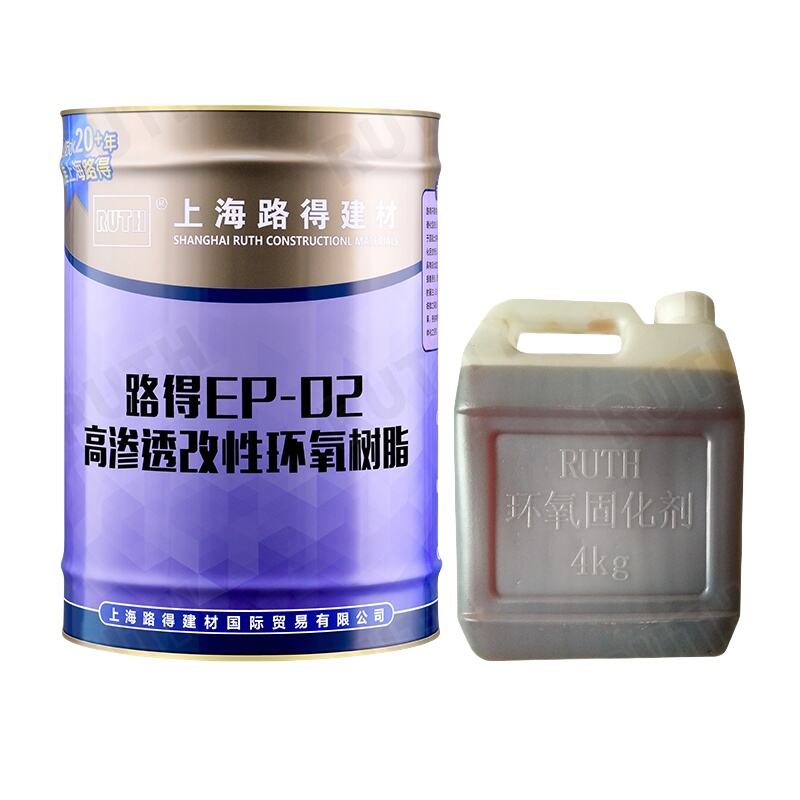
Tá aitheantas ar cháilíocht le linn úsáide an tionscnamh lena n-áirítear an brú a chuirtear isteach, an t-amharc ar phatrúin srutha an fheabhsaitheoir crachta epócsí, agus an dearbhú go bhfuil an cracht lán-lán leis an mbreosla trí amharc ar thagairt an réisín ag portáin in aice leis nó ag uirlisí an chraicinn. Tugann na taifid ar pharaméadar an tionscnamh, ar eolas faoi bhosca an mhaireanta, agus ar na coinníollacha timpeallachta le linn an tionscnamh seans do rianú le haghaidh meascán fadtéarmach ar an bperformans. D’fhéadfadh inspéacht i ndiaidh an tionscnamh a bheith ina amharc amháin ar an gcoirpthe a cuireadh ar ais, ar thástáil adhéise trí dhóigh 'pull-off', agus uaireanta coraíocht tríd na háiteanna a tratáladh chun dearbhú go bhfuil an cracht lán-chuimsitheach agus go bhfuil an fheabhsaitheoir crachta epócsí ceangailte go maith le fo-thaobh an choncréit.
Comhoibriú an Chórais le Tomaíocht Uisce-Chomhlána
Cé go n-aireann líonadh críche epócsa ar shíorshábháilteacht na gcríche agus ar an uisce-ghabháil áitúil, is minic a chomhtháthaithear teicnící éagsúla i straitéisí slándála iomlána in aghaidh an uisce chun aghaidh a ghlacadh le meicníochtaí éagsúla isteachú uisce. Oibríonn cuirteanna uisce-ghabháil a fheidhmiúnnar ar an dromchla, córas díolaithe, agus códáin chosanta i gcomhpháirt le hathruithe críche le haghaidh uisce a chur isteach chun barrairí athuairi a chruthú in aghaidh isteachú an uisce. Déanann innealtóirí dearadh ar na córais comhtháthaithe seo ag aithint go mbaineann líonadh críche epócsa le míbhuanaisí críche ar leith, agus go mbaineann tomhaltas comhleithneacha le dromchlaí concreite atá slán agus le bainistiú gluaiseachta uisce mhóra timpeall ar struchtúir.
Tá gá le cur isteach go cúramach ar chomhoiriúnacht líonadh críche epócsíde le hábhair uisce-dhíghlúite eile le linn dearadh an chórais, mar dh’fhéadfadh roinnt cóiréis agus cóiréis chumraí ná a bheith ag adhéireadh go maith le haghaidh epócsíde a d’fheicthear nó d’fhéadfadh siad a bheith ina n-áirí i dtreo cheimiceach a mhaolóidh an fheidhmíocht fhadtéarmach. Soláthraíonn monaraithe treoracha ar chóiréis chomhoiriúnacha is féidir a chur thar líonadh críche epócsíde a d’fheicthear, ag cinnti comhtháthú gan aon phroblem ar shásamh críche le straitéisí uisce-dhíghlúite níos leithne. Is é an cur chuige seo bunaithe ar chórais a mhéadaíonn luach líonadh críche epócsíde trí shásamh críche a chur isteach sa rialú iomlán fuarais a bhaineann le gach cosán is féidir le huisce teacht isteach ann.
Mecanachais Feidhmíochta faoi Choinníollacha Seirbhíse
Inseoltaíocht hidrisceolaíochta
Tá an cumas le haghaidh líonadh críche epócsa chun a bheith ina shealbh ar bhrú hidrostáta a aithníonn é ó shiolláin uirthi a d’fhéadfadh a bheith oiriúnach faoi choinníollacha tirim ach a theip ar iad nuair a fhaightear uisce faoi bhrú orthu. Nuair a dhéantar foirmleáid epócsa struchtúrtha a chur i mbun laistigh de chriochanna i gconcréad, fásann an trealamh cruachta a thagann chun cinn agus is mó a luach ná an t-ábhar timpeallach, ag cruthú réigiún ceartaithe níos láidre ná an t-ábhar bunaidh atá in ann na healaíona hidrailice a sheachaint a bhíodh ag iarraidh criochanna a leathnú nó uisce a bhualadh tríd an gceartú. Tá an t-ádh seo ríthábhachtach i dtionscnaimh thíos-líne, i struchtúir chun uisce a choinneáil, agus i timpeallach mara, áit a mbíonn an t-uisce ag cur brú leis an gcóras caillteachta uisce go leanúnach nó go tréimhsiúil.
Uaireanta, tá prótacail tástála le haghaidh líonadh críche epócsa á n-úsáid, lena n-áirítear an t-evaluáil bhrú hidrostátaigh, áit a mbíonn samplaí concreite atá ar aisghníomhaíodh faoi bhrú uisce ón taobh amháin agus á dtuarastal ar éadromadh ar an taobh eile. Tá foirmliúcháin ar scoth in ann brú a sheasamh atá níos airde ná na coinníollacha tipiciúla uisce fána agus na coinníollacha úsáide gan iontráil uisce, ag léiriú éifeachtacht an bharrair pholaiméir a d’fhorbairt. Soláthraíonn an gné seo a bhfuil a bheanann leis an bpríomhghné seo cinnti do ingineoirí nuair a shonraíonn siad líonadh críche epócsa do ghlachanna iarrthar, lena n-áirítear ballaí bunaithe, struchtúir do stáisiúnú gluaisteán, áiseanna córais uisce agus tuinnealaí, áit a bhfuil an brú hidrostátaigh mar dhíshreangadh leanúnach ar chórais a chosnaíonn an t-uisce.
Achoimre ar Ghluaiseacht na gCríoch
Tá athruithe i bhfadhbhanna coirpthe ag teacht ar struchtúir chónaithe mar gheall ar chuairt theirmiceach, athruithe i mbaint le haeráid, agus lódáil struchtúrtha a thagann le gluaiseacht na mbriseann, rud a d’fhéadfadh an t-ábhar uisce-dhíobháilte daingean a mhothú. Tá foirmleanna líonadh briseann epócsíde a dheanann le haghaidh uisce-dhíobháilte fadtéarmach deartha le húsáid na n-athchuingeoirí a sholáthraíonn saibhreas rialaithe, ag ligean don pholamair a d’fhoirmíodh dul le gluaiseachta beaga na mbriseann gan bhrisne nó gan dícheangal ó iarrthairí chónaithe. Tá an saibhreas seo ríthábhachtach i struchtúir dhinimiciúla mar shampla droichid, ardánanna páirceála, agus urláranna tionsclaíocha ina bhfuil cícleanna lódála atá ag athrá go leanúnach nó grádientí teasa a chruthaíonn gluaiseacht leanúnach ag suíomhanna na mbriseann.
Is é an t-ionsaí idir láidreacht agus saincheadú i bhfoirmleáin líonadh crachta epócsíde an ghné thábhachtach is mó a bheith faoi thuairim ag an ndearadh, mar fhágann rígidas mór an t-éadan a bhriseadh go haoibhneach faoi ghluaiseacht, agus má tá an láidreacht ró-mhaith, ní féidir leis an mbuntáiste de chuid tacaíochta struchtúrtha a bheith i gceart. Bhaintear an buntáiste is fearr as foirmleáin chunaithe trí rogha chuimhneachán a dhéanamh go cúramach ar cheimic an réisin, ar chuid na n-athraitheoirí, agus ar chuid na n-ábhar breise a úsáidtear chun na treithe meicniúla a choigeartú le haghaidh riachtanais shonracha an úsáide. Sainíonn na hinnealtóirí céimeanna saincheadú oiriúnacha bunaithe ar mhéid na gluaiseachta a bhíonn súil againn, agus tugtar céimeanna struchtúrtha do chrachtaí atá ina suan agus céimeanna leath-shaincheadú do chrachtaí atá gníomhach, rud a chaithfear a dhéanamh chun an t-ullmhú don uisce a chaomhnú fiú nuair a bhíonn gluaiseacht ann fós.
Cosc ar Ionradh Bitheolaíoch agus Ceimiceach
Méadaíonn an t-ádh fadtéarmach le haghaidh uisce a shealbhú ar an gcothromas in aghaidh fás bith-eolaíoch agus ionsaí ceimiceach a d’fhéadfadh na hábhair atá úsáidte chun an t-ádh a athchóiriú a mheath nó slí nua le haghaidh uisce a chruthú trí na codanna a bhfuil an t-ádh orthu. Taispeánann líonadh craiceann epócsíde cothromas ina dhiaidh sin in aghaidh fás fungasach, ionchur bactéirí, agus ionchur fréamh, mar gheall ar an struchtúr pholaiméirigh a chríochnaíonn é nach bhfuil aon luach bia aige do orgánaí bith-eolaíocha agus mar gheall ar an mbarrra fisiciúil a chuireann bac ar ionchur. Tugann an cothromas seo i gcoinne orgánaí bith-eolaíocha leas don úsáid i dtalamh, i scálaí caorán, agus i timpeallachtaí fuaracha, áit a bhfuil an gníomhaíocht bith-eolaíoch ag luascadh meath na n-ábhar uisce-ádh a bhfuil orgánaí ann.
Tugann leithscéal ó tháirgeanna ceimiceacha ó uisce fuaime, ó sholáthair industriaile nó ó shalann deicing an t-ádh a chur ar fhadtéarmachas córas uisce-dhíobháilte i go leor cásanna. Tugann struchtúr polamair a d’fheictear i mbreiseán crac-épócsí a d’fheictear i ndiaidh an chóirithe tuairisc ar ionsaí ós gá ó chuid mhór na n-acaidí, na n-alkalí, na solvantí agus na salann a fhaightear i dtimpeallachtaí seirbhíse coitianta, ag coimeád a bharraireachtaí agus a neart meicniúil fiú tar éis leithscéal fadtéarmach. Tugann an t-ádh seo ar ionsaí ceimiceach an cumas le poras nua nó slíthe deghradaithe a chruthú a ligfeadh don uisce dul isteach tríd na craiceáin a d’fheictear mar a bhí siad sealaithe cheana féin. De réir rogha an mhatéirial, bíonn an timpeallacht shonrach in áirithe faoi smaoineamh, agus tá foirmleacha speisialta ar fáil do thimpeallachtaí ceimiceacha an-mhórsháraithe a d’fheictear mar a bhíodh gá le hionadú níos fearr ná na grádanna caighdeánacha.
Fachtóirí Fadtéarmachais agus Mionsonraí Cothabhála
Bunús an Téarma Seirbhíse agus Mechanachtaí an Dheghradaithe
Taispeánann líonad críche epócsa a úsáidtear go ceart tréimhse tionscnaimh a thagann i ndéagáin in áit bhlianta, le sonraí feidhmeachta ar an suíomh a thaispeánann go bhfuil sé ag cur leis an uisce i gcásanna ó 15 go 30 bliain nó níos mó tar éis a insteála faoi choinníollacha oiriúnacha. Tagann an fadtéarmacht seo ó staid inbhéartaithe na n-epócsa polamairí a gcuireann bac ar mhechanach deighilte timpeallachta a thagann i gceist le hábhair eile athchóirithe. In aghaidh píosaí ceamara a ghabhann carbonat agus a chaillíonn a neart, nó sealantanna elastamairi a tharlaíonn crua agus a bhrisíonn le haois, coimeádann líonad críche epócsa a struchtúr móilíniúil agus a hairíonna fisiciúla ar feadh tréimhsí tionscnaimh fada nuair a chailltear é ó choinníollacha an-éagsúla.
Ionraic na heilectríneachta (UV) atá mar phríomh-mhechanach deacairiú do dhromchlaí eipócsí a bhíonn le feiceáil, mar a bhriseann fuinneamh UV na nascanna polamara, agus mar sin a fhágann sé an dromchla ag cruaigh, ag athrú datha, agus ag cailliúint na gceaptha meicniúla i ndeireadh na lae. Áfach, tá ionraic UV inbhéanach ar líonadh craiceann eipócsí a shuiteáilte laistigh de chraiceanna coincrete, agus mar sin a mhaolú ar an mbealach seo de deacairiú i dtorthaí tipiciúla. D’fhéadfadh réiteach eipócsí a bhíonn le feiceáil ar an dromchla i dtorthaí cothrom nó thar cinn a bheith leasaithe as clúdach barrachta inbhéanach ionraic UV a fheabhsaíonn an t-am seirbhis trí ghlasán an pholaiméir ó radaíocht na gréine, agus ag coimeád an bharra uisce-fhíorach atá le fáil ón líonadh craiceann eipócsí a chuirtear isteach.
Monatóireacht agus Dearbhaíocht Feidhme
Tá aitheantas fadtéarmach ar leithniú uisce ag teastáil ó inspéicteanna tréimhseacha agus rianú feidhmíochta chun an éifeachtúlacht leanúnach a dhearbhú ar líonóirí cracanna epócsí, agus chun aon fadhbanna nua a bhaineann le iontráil uisce a aithint agus a chóireáil. Scrúdaíonn protacail inspéicteanna radharcacha na háiteanna a rinneadh an t-athchóiriú chun comharthaí ar dhícheangal, cracanna nua a chruthaítear, nó liathú le huisce a léiríonn go bhfuil an leithniú uisce briste. Is féidir le hairm dhalta uisce, lena n-áirítear míreanna caitheachta agus teirmigrafáil infhearghorm, cumasc fholáirí uisce a aithint nach bhfuil in amharc i gcoitianta, rud a ligean do thionchar réamhghníomhach roimh éirí na fadhbanna beaga nádúrtha i ndamáiste mór le huisce.
Tugann doiciméidú na dtíortha tosaigh réiteach, na n-ábhar a úsáidtear, agus na bparaiméadar curtha i bhfeidhm sonraí bunúsacha chun trendanna feidhme fadtéarmacha a mheas agus cinntí amharcach maidir le húsáid níos déanaí a chur i mbun. Is féidir le bainistírithe áiseanna a choimeádann taifid réiteach iomlána anailís a dhéanamh ar phatrúin feidhme thar iolra réiteach, ag saineolas a fháil ar na factóirí a thagann i gceangal le saol seirbhíse agus ag leathnú na specifíochtaí chun toradh an uisce-ghabhála a ollmhéadú. Tugann an cur chuige seo bunaithe ar shonraí an t-ionscail is fearr ar úsáid líonad craiceann epócsí a chur i bhfeidhm agus a chinntiú go mbíonn cosaint in aghaidh an uisce ag obair go leanúnach thar fhad saoil an tógála.
Prótacol Réiteach do Shuiteáilí Seana nó Do Chuid a Caoineadh
Nuair a theastaíonn athsholáthar ar líonóirí crachta epócsa de bharr drochchaileadh an fho-thaobh, gluaiseachta struchtúrtha a thagann thar a bheanfheidhm, nó dechríoch mhaithiúil an ábhair go dtí seans, úsáidtear prótacail a bhfuil bunaithe agus aitheanta ann chun an t-évaluation agus an leigheas a threorú. Tugann samplaíocht chomhaidí tríd na líonóirí sean-aoiseacha eolais dhearfach faoi cháilíocht an chóirithe, an intégrúchtacht cheangail, agus an iomlánú i líonadh na gcrachtaí a thagann in iúl an rogha is fearr don leigheas. I gcásanna go leor, leanann líonóirí crachta epócsa a shuiteáiltear go ceart ag obair go hiomlán, cé go mbíonn drochchaileadh ar an ngnáthchónaithe timpeall orthu agus mar sin tá athsholáthar níos leithne riachtanach ná líonadh crachtaí amháin.
Tá sé de dhíth ar an mheas a dhéanamh go cúramach ar choinníoll an ábhair reatha agus ar choimeádacht le haghaidh réisíní nua le haghaidh ionchur nuair a thagann an riachtanas le crackanna a rinneadh réiteach orthu cheana le líonadh crackanna epócsaíde. D’fhéadfadh réitigh stairiúla a bhfuil an ceangal páirteach nó nach bhfuil iomlán curtha i mbun a bheith ag teastáil ó bhaint amach trí ródú nó tréadáil sula gcuirtear an t-ábhar nua ar ais, agus d’fhéadfadh réitigh go léir a fheidhmíonn ach le ceangal páirteach áitúil a ghlacadh le hionchur breise ag suíomhanna sonracha. Soláthraíonn monaróirí an ábhair treoir teicniúil ar phróisisí ath-ionchur agus ar fhoirmleáidí comhoiriúnacha a chinntíonn ceangal éifeachtach idir an líonadh crackanna epócsaíde sean agus nua, ag coimeád an t-ullmhú don uisce mar a bheadh ann trí chuile chuairt athsholáthraithe.
Critéir Rochtana agus Forbairt na mBainc Speisialta
Meaithe Airí an Ábhair le Riachtanais an Úsáide
Tá an t-ullmhú le haghaidh uisce a bheith i bhfeidhm ar fhad éigin le linn líonadh críche epócsíde ag brath ar roghnú foirmleanna a bhfuil a dtreithbhreiseanna fisiciúla comhoiriúnach le riachtanais shonracha na huaschainte, lena n-áirítear leithead na críche, stádas an fhorbairt, an timpeallacht a bheidh ann, agus na riachtanais struchtúrtha. Is féidir le foirmleanna íseal-viscosacht an t-ionsú is fearr a dhéanamh i gcrícheanna an-tanaí agus i ndearbhraicí casta ach d’fhéadfadh sé go mbeadh athruithe ar am an ghéil de dhíth chun caochán a sheachaint ó chrícheanna leithea nó ó chrícheanna thar an gceann sula mbíonn an t-ullmhú cruáite go hiomlán. tÁIRGE cuireann foirmleanna airde-viscosacht cumas níos fearr le líonadh bearnaí agus laghdú ar chaochán ach d’fhéadfadh go mbeadh siad in ann ná an t-ionsú iomlán a dhéanamh i gcrícheanna an-tanaí nó i ngréiníní críche a bhfuil craobhú leathan acu.
Tá coinníollacha teochta le linn úsáide agus úsáide i bhfeidhm ina ndéanann siad tionchar mór ar rogha na mbearra, mar tá feidhmeanna éagsúla le haghaidh líonadh críche epócsíde ag brath ar theocht i dtaca le viscosacht agus le feidhmeanna curtha i gcrích. Cuireann táirgeanna don gheimhreadh i gcrích go héifeachtach ag teochtaí chomh íseal le 40°F, agus tá gá le coinníollacha teo-ghníomhacha chun curtha i gcrích iomlán a dhéanamh leis na foirmleacha caighdeánacha. Tugann raonta teochta úsáide freisin treoir ar rogha na mbearra, agus is gá le foirmleacha ina bhfuil an t-ádh fuaire le haghaidh timpeallachtaí teo-ard a chaomhnóidh a n-airíonna meicniúla agus a gcuid adheisiún ag teochtaí ard, agus baineann ceantair a bhfuil athruithe idir an tsruth agus an t-ionsú ó leithéidí saincheaptha a bhfuil sé docht le haghaidh athruithe teochta gan crícheadh.
Sonraí Feidhme agus Caighdeáin Cháilíochta
Ba cheart leis na speicifíochtaí inžinéarachta do líonadh críche epócsí a thagairt dona chaighdeáin tionsclaíochta i bhfeidhm, lena n-áirítear ASTM C881 do chórais ceangail bunaithe ar rís epócsí, a aicmíonn na hábhair de réir úsáide agus a shocrúnaíonn na riachtanais íosta feidhme do chuid na gceapach, na neart ceangail, agus an t-am atá ar fáil chun obair a dhéanamh. Cuireann scríbhneoirí na speicifíochtaí na caighdeáin bunúsacha seo i gcomhthéacs riachtanais an tionscail trí thrésholdanna feidhme a shocrú do abhacú uisce, fiúntacht cheimiceach, raon teochta úsáide, agus eile de na gceapach atá criticiúil don rath fadtéarmach ar an mbriseadh uisce i dtionscail áirithe.
Soláthraíonn cláranna tástála agus dearbhú le haghaidh an tríú páirtí vérifiú neamhspleách go mbreisíonn táirgeanna sonracha líonadh crachta epócsa ar na gceapairí a dtugtar faoi leith maidir le gnéithe feidhmiúcháin, ag tabhairt cinntí do na speicífigh maidir le calaí agus cothrom an mheáin. Tá táirgeanna dearbhaithe i gcomhar le caighdeáin aitheanta á dtástáil go tréimhsiúil chun a chinntiú go bhfuil siad fós in oiriúint le critéir na feidhmiúcháin, ag cosaint na n-ownaithe ó athruithe ina gcualaí is féidir leo toradh an uisce-dhíghabhála a mhilleadh. Deimhníonn teanga an speicificeála atá ag éilímh táirgeanna dearbhaithe agus torthaí tástála a bhfuil taifead acu go mbreisíonn na meáin a shuiteáiltear i dtacairí uisce-dhíghabhála criticiúla ar na caighdeáin calaí a bhfuil bunaithe acu, ag tacú le súil i bhfeidhmiú fadtéarmach.
Cáilíochtaí an Ghrúpaí agus Caighdeáin an Ullmhúcháin
Tá feidhmíocht líonadh craosanna epócsíde ag brath chomh fada le cáil an stáitse agus ar shonraí na hábhair, rud a dhéanann cailífiú an ghníomhaire tionsclaíochta príomhphointe speisialta do thionscadail a éilíonn áiríocht fadtréimhseach in aghaidh na uisce. Tuigheann gníomhaithe tionsclaíochta taithíthe tábhacht ullmú ceart an dromchla, próisis mheascála cearta, teicnící insint oiriúnacha, agus modhanna dearbhaithe cáil a aithníonn réiteach rathúil ó theip luath. Cabhraíonn riachtanais na speisialtóireachta maidir le tástáil an ghníomhaire, doiciméadú tionscadal tagartha, agus prótacail áiríochta cáil le cinntiú go bhfuil an obair stáitse comhoiriúnach leis na cumais an ábhair.
Tugann cláir oiliúna a thairgeann déantóirí ábhar agus cumainn an tionsaide eolais teicniúla do ghaolaithe faoi cheimice na líonóirí craiceann epócsaí, ar maidir le bearta is fearr maidir le húsáid agus iad a úsáid chun fadhbanna a réiteach, rud a chóireann toradh an stáitse. Tugann sainitheoirí leas as éilimh páirt ghlacadh na n-ghaolaithe i gcuid de na cláir oiliúna seo, mar gur féidir le hinstalaithe oiliúnaithe cinntí níos fearr a dhéanamh faoi láimhseáil an ábhair, faoi chomhshó úsáide do chúinsí réigiúnacha agus faoi réiteach fadhbanna, rud a fheabhsaíonn an bhrí ar chóras uisce-díobháilteachta go dtí an méid is mó. Cruthaíonn an comhcheangal idir ábhair ardfheidhmíochta agus instealladh scileáilte an bunús le haghaidh rath fadtéarmach ar chóras uisce-díobháilteachta le teicneolaíocht líonóirí craiceann epócsaí.
Ceisteanna Coitianta
Cén leithead craiceann is féidir le líonóirí craiceann epócsaí sealadh go héifeachtach do chuspóirí uisce-díobháilteachta?
Líonadh críche epócsa sealánaíonn críche go héifeachtach, ó chraobhghuaiseanna an-ghanbh agus mar sin féin mar 0.002 orlach go dtí chraobhghuaiseanna struchtúrtha a thagann le leathorlach nó níos leithne, ach tá rogha an ábhair ag athrú de réir geoiméadracht na gcraobhghuaiseanna. Iarratais an-íseal iolraitheachta iontrálann críche gan chúpla gan a bheith in amhras ar an tsúil, agus líonta i bhfoirm pástáin líonann luacsanna leathan gan díolú ró-mhór. Tá an eochair le hionadú uisce i rogha grádú iolraitheachta a chuireann le leithead na gcraobhghuaiseanna sonracha, a chinntíonn líonadh iomlán tríd doimhneacht na gcraobhghuaiseanna seachas sealáil ar an uachtar amháin. Le haghaidh críche an-leithne nó sreangáin a thagann thar thuilleadh gluaiseachta struchtúrtha epócsa daingne, soláthraíonn formlachanna leath-shleamhnaigh ionadú uisce agus gluaisteán leanúnach a mbeadh in ann gradáin chaighdeánacha a bhriseadh.
Cé fhad a ghlacann líonadh críche epócsa le hardú sula dtugann sé cosaint iomlán in aghaidh uisce?
Forbraiceáil thosaigh an t-uisce a fhorbairte laistigh de uaireanta mar a athraíonn líonadh craiceann epócsí le haghaidh gclúdaigh ó staid sholadach go dtí staid ghéile, ach tá cur slán iomlán na n-airíonna meicniúla agus na n-airíonna in aghaidh cheimiceáin riachtanach chun an cur slán iomlán a bhaint amach, rud a bhaintear de ghnáth laistigh de seacht lá ag teochtaí gnáth. Tarlaíonn an chuid is mó de na foirmleacha an cruaíocht le haghaidh siúl éadrom laistigh de 24 uair agus is féidir leo tacú le lucht saothair struchtúrtha laistigh de trí lá, ach leanann an pholamairiú iomlán ar feadh seachtaine nó níos faide ag brath ar an teocht agus ar cheimiceáil an ábhair. Maidir le cur slán criticiúil in aghaidh uisce ina bhféadfadh an t-uisce a bheith ann láithreach, soláthraíonn foirmleacha le cur slán tapa cosaint luathaithe, ach is minic a thugann na táirgí caighdeánacha feidhmíocht fhadtéarmach is fearr. Soláthraíonn na monaróirí cainníochtaí sonracha cur slán bunaithe ar an teocht agus ar chineál an fhoirmle, ag treorú pleanálaí an tionscail maidir le haimsir a shocrú do ghníomhartha an athsholáthraithe tar éis na n-úsáidí do líonadh na gcraiceann.
An féidir le líonadh craiceann epócsa a chaomhnú an t-íogairt uisce i struchtúir a bhfuil suim nó gluaiseacht leanúnach acu?
Líonadh crachta epócsa coimeádann an t-ullmhú don uisce i struchtúir le gluaiseacht bheag leanúnach nuair a shonraítear foirmleanna le lán-fhleiscileacht, ach d’fhéadfadh crachtaí gníomhacha suntasacha ar aghaidh an fheidhmíocht a thabhairt don ábhar agus cur i mbun cur chuige eile. Tugann epócsa struchtúrtha doilge leathnaíochta is fearr a gcumas i gcrachtaí atá ina suan, áit a bhfuil an gluaiseacht deireadh leis, ag soláthar an t-áisiú is mó le haghaidh láimhseála agus ullmhú don uisce. Maidir le crachtaí a léiríonn gluaiseacht leanúnach ó chur isteach, ó chuaird teochta nó ó dhiallú struchtúrtha, cuirtear modhnóirí elastamairc i bhfoirmleanna epócsa shléibhí chun sábháilteacht a chinntiú go dtógann siad go rialta gan briseadh, agus mar sin bíonn ullmhú don uisce cosainte fiú le crachtaí a oscailtear agus a dúntar. Áfach, d’fhéadfadh struchtúir a bhfuil cur isteach leanúnach nó gluaiseacht mhór leanúnach acu cur i mbun sealantanna shléibhí, jointanna leathnaithe nó athruithe struchtúrtha in ionad líonadh crachta amháin, mar ní féidir le haon ábhar gluaiseacht neamhthreorach a aithris go deo agus ullmhú don uisce a chaomhnú.
An gceadaítear an líonadh craicinn epócsa athfheidhmiú nó cúraim chun a bheith in ann a bheith i bhfeidhm ar fhadhbanna uisce ar fad?
Roinn leachtáin epócsa a shuiteáil go ceart ní ghiarrann de ghnáth a athshuiteáil nó a choimeáil i rith saoil sheirbhíse iolchéad bliana nuair a chaomhnaítear é ó mhechanach an deireadh, cé go bhfuil inspéicteanna uaireanta ag fáil amach an bhfuil an t-athrú ag leanúint agus ag aithint aon fhadhbanna nua atá ag teastáil aird. Tá an polamair a d’fhoirmíodh ina staid cheimiceach staible agus ina staid fisiciúil gan aon athrú go dtí briseadh, faoi choinníollacha seirbhíse gnáth, ar aghaidh le sealantí an dromchla a ghiarrann athshuiteáil uaireanta nó coimeáil chéimeantach a bhrisíonn ó thionchar na haitheantais. Tá an riachtanas le coimeáil bunaithe go príomha ar mhoillithe an fho-thaobh, ar ghluaiseachtaí struchtúrtha a thagann thar fheidhm an ábhair, nó ar mhí-úsáid ó ghníomhartha tógála seachas ar bhriseadh an epócsa féin. Ba cheart go mbeadh inspéicteanna uatha uatha i gceantar iad a ndearcadh ar chraiceáin a d’fheictheas roimhe sin le comharthaí an dáileadh, cruthú craiceán nua in aice leis na coimeáil, nó liathú uisce a léiríonn go bhféadfadh an t-ullmhú don uisce a bheith ag briseadh, rud a chuireann ar chumas an t-athchóiriú réamhghníomhach sula dtéann fhadhbanna beaga i dtreo fhadhbanna móra iontráil uisce a thagann i gcoinne intégrúcháin an chláir thógála.
Clár na gCeannach
- Bunús Ceimiceach Feidhme Uisce-ghanmharcais
- Modh Feidhmiúcháin agus Integriú an Chórais
- Mecanachais Feidhmíochta faoi Choinníollacha Seirbhíse
- Fachtóirí Fadtéarmachais agus Mionsonraí Cothabhála
- Critéir Rochtana agus Forbairt na mBainc Speisialta
-
Ceisteanna Coitianta
- Cén leithead craiceann is féidir le líonóirí craiceann epócsaí sealadh go héifeachtach do chuspóirí uisce-díobháilteachta?
- Cé fhad a ghlacann líonadh críche epócsa le hardú sula dtugann sé cosaint iomlán in aghaidh uisce?
- An féidir le líonadh craiceann epócsa a chaomhnú an t-íogairt uisce i struchtúir a bhfuil suim nó gluaiseacht leanúnach acu?
- An gceadaítear an líonadh craicinn epócsa athfheidhmiú nó cúraim chun a bheith in ann a bheith i bhfeidhm ar fhadhbanna uisce ar fad?