EN
EN




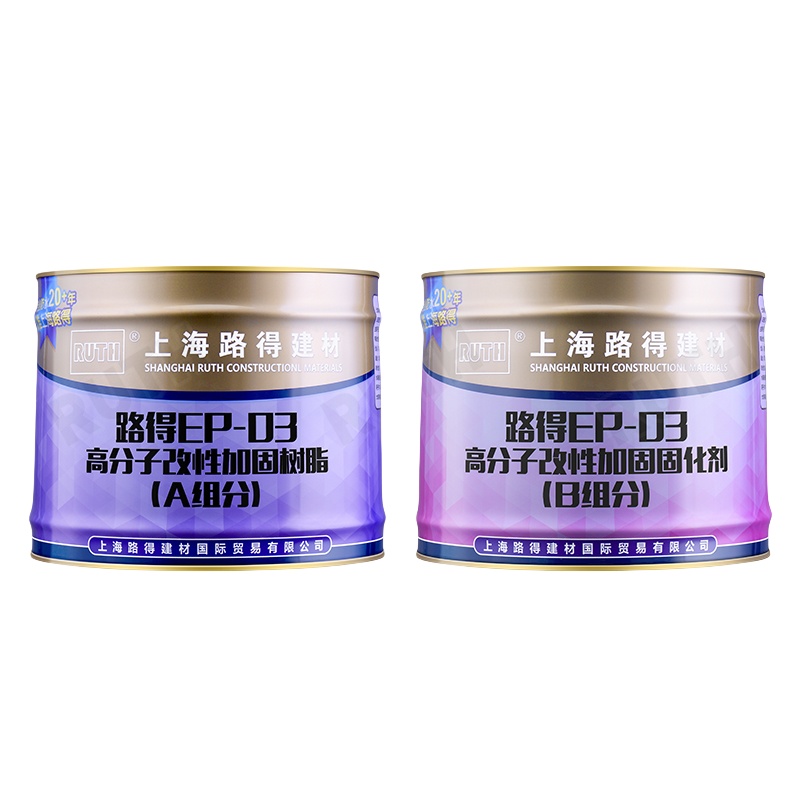
RUTH Structural Epoxy Resin Grouting (Crack Injection Resin)
|
Place of Origin: |
SHANGHAI, CHINA |
|
Brand Name: |
RUTH |
|
Model Number: |
EP-03 |
|
Certification: |
CE/ISO |
|
Minimum Order quantity |
100 KGS |
|
Package Details |
10kgs/drum+10kgs/drum or Customized |
|
Delivery Time |
7 to 15 days |
|
Payment Term |
T/T, L/C, paypal, western union |
|
Annual Production |
5000 Tons |
- Overview
- Recommended Products
- Infrastructure Repair: Repairing cracks in bridges, dams, pillars, and beams (epoxy injections for structural cracks).
- Foundation Repair: Sealing stress cracks in epoxy injection foundation crack repair projects to prevent future shifting.
- Industrial Flooring: Filling delamination and static cracks in warehouse floors.
- Precast Concrete: Repairing transport damage in concrete segments.
- Earthquake Damage: Post-seismic structural retrofitting.
- Structural Restoration: Provides high tensile and compressive strength, effectively restoring the monolithic nature of the structure (epoxy injection for structural bonding).
- Ultra-Low Viscosity: Flows easily into micro-cracks under low pressure, ensuring complete penetration without surface capping failure.
- Moisture Insensitive: Excellent adhesion even on damp concrete surfaces (though not designed for flowing water).
- Zero Shrinkage: 100% solids content ensures the material does not shrink during cure, maintaining a permanent bond.
- Chemical Resistance: Resistant to oils, salts, and mild acids, protecting the rebar from corrosion.
- Manufacturer Direct: We produce high-grade epoxy grouting material in our Shanghai facility, offering significant cost savings for Specialist Subcontractors and distributors.
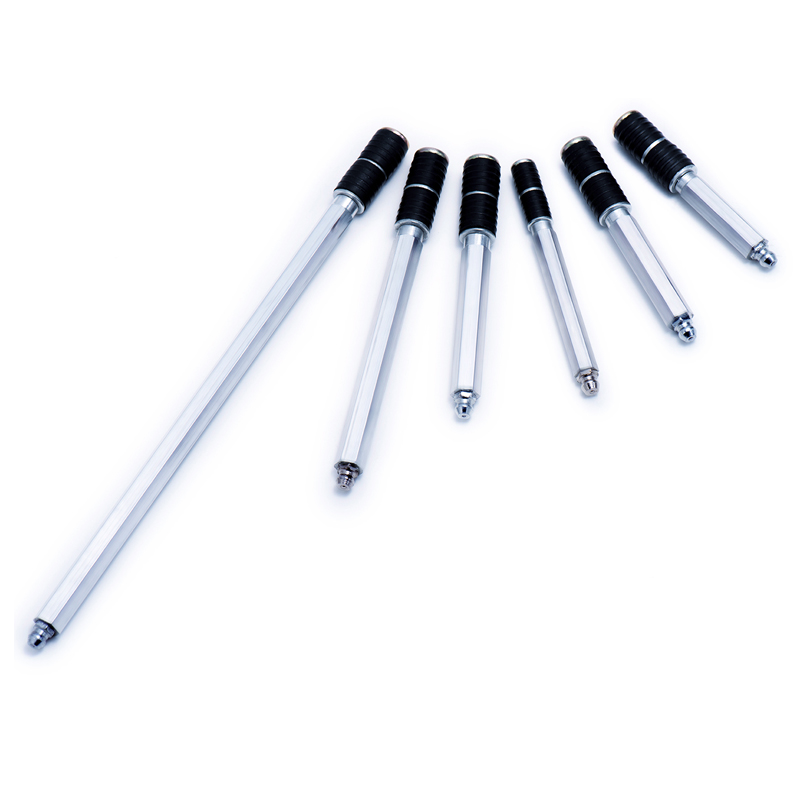
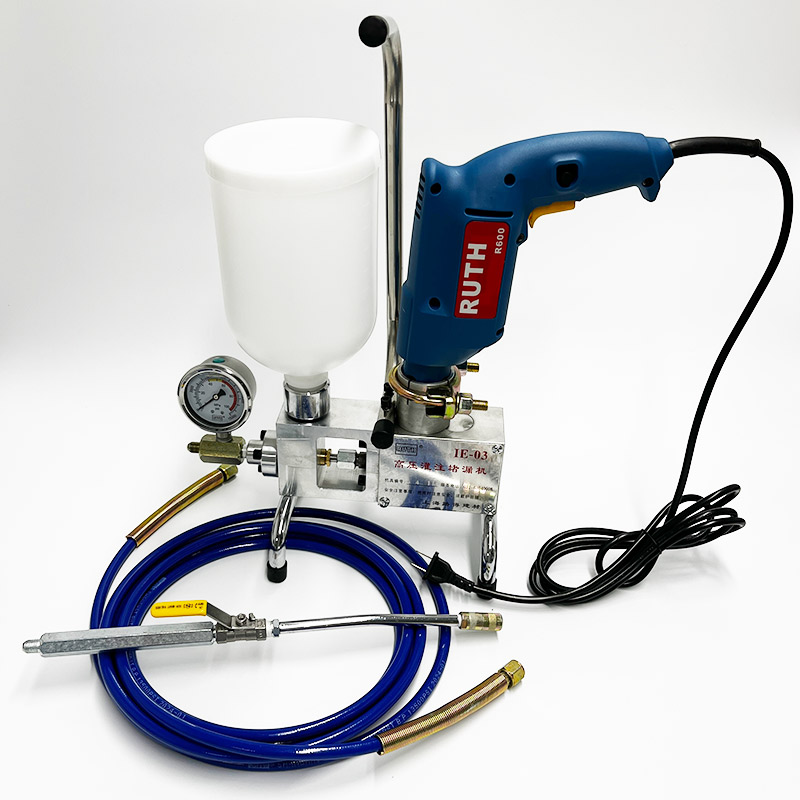
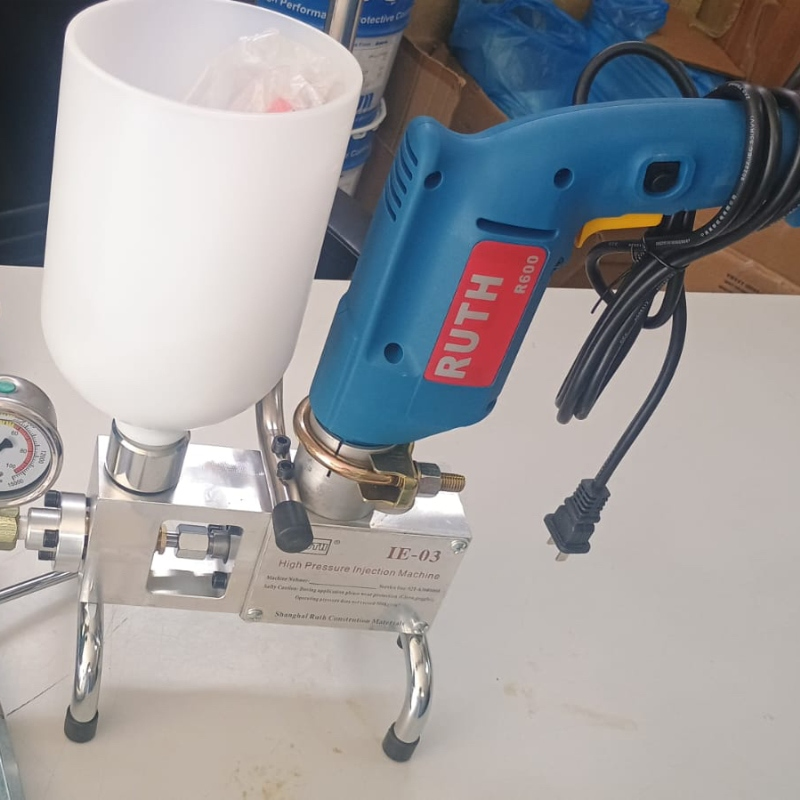
- Complete Injection System: For best results, use RUTH Epoxy Resin with our surface-mounted or drilled epoxy injection packers and low-pressure injection pumps.
- Bulk Availability: Available in various packaging options (cartridges for small jobs or drums for epoxy injection crack repair cost efficiency on large projects).
RUTH Structural Epoxy Resin Grouting (Crack Injection Resin)
Quick Detail
1. Different names:
Epoxy Resin Grouting/ Epoxy/ Epoxy Grouting Resin
2. Main uses:
RUTH Epoxy Resin is a low-viscosity structural adhesive designed for concrete crack repair. High-strength bonding for bridges, foundations, and beams. Factory direct bulk supply.
3. Extreme Performance:
Description
NO. |
TEST ITEM |
UNIT |
Standard Index |
Tested Value |
Sample Test (A: 2 KGS, B:0.4KGS) |
||||
1 |
Appearance |
A and B Components are uniform |
A and B Components are uniform |
|
2 |
Compressive Strength |
MPa |
≥70 |
≥110 |
3 |
Tensile Shear Strength |
MPa |
≥8 |
9.2 |
4 |
Tensile Strength |
MPa |
≥15 |
25 |
5.1 |
Bond Strength (dry ) |
MPa |
≥4 |
5.3 |
5.2 |
Bond Strength (wet ) |
MPa |
≥2.5 |
6.4 |
6 |
Impermeability Strength |
MPa |
≥1.2 |
1.2 |
7 |
Permeability Pressure Ratio |
% |
≥400 |
400 |
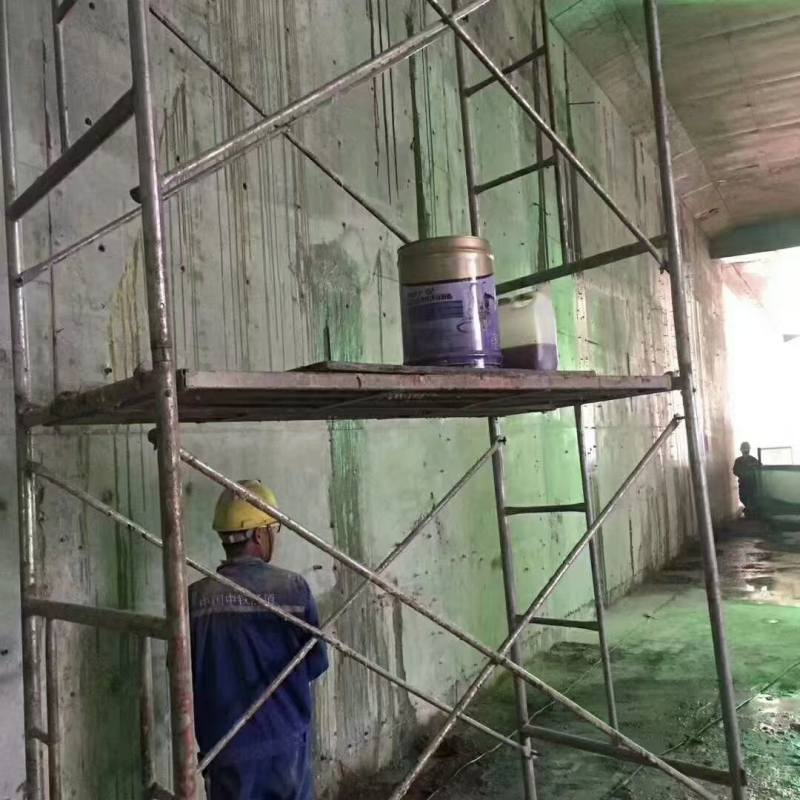
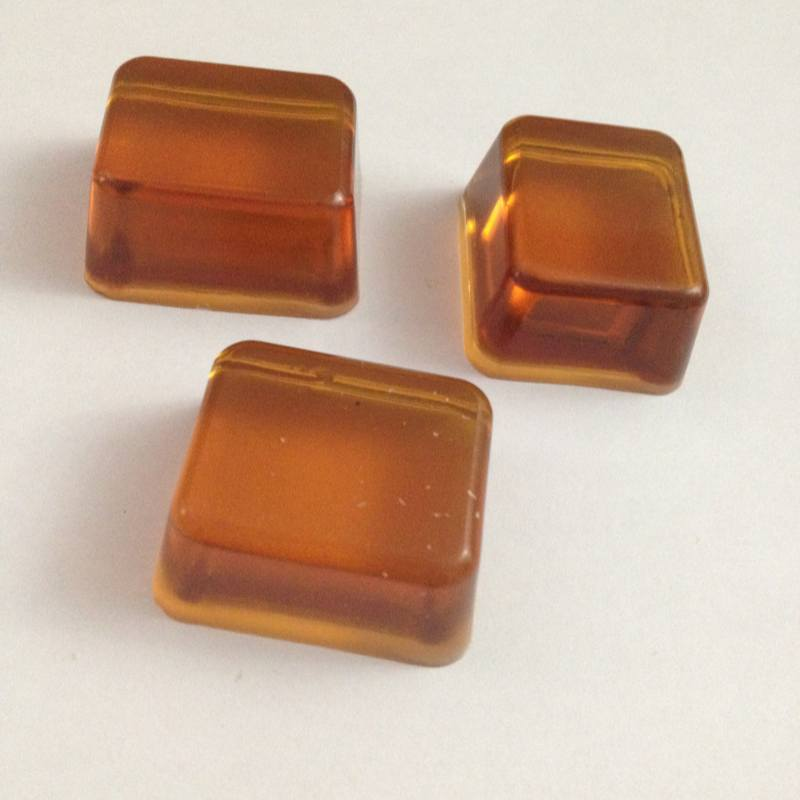
| Construction Site | The materials after curing |
 |
 |
Primary Applications
Key Features & Benefits
Why Choose RUTH Epoxy?
Comparison: Epoxy vs. Polyurethane
Q: Should I use Epoxy or Polyurethane for my crack?
A:Choose RUTH Epoxy if the crack is "Static" (not moving) and you need to restore the structural strength of the concrete (e.g., a cracked load-bearing beam or column).
Packaging & Storage
Reinforcement Construction Methods
Call to Action
Are you a distributor or contractor looking for a reliable Hydrophilic Polyurethane Grout supplier?
Get a Free Quote Now📧 Email: [email protected]
📞 Tel: +86-15221025352
🏭 Annual Production: 5000 Tons | ⏱️ Delivery: 7-15 Days