Polyurethane Grout vs Epoxy Grout: Complete Comparison Guide for Best Results

Get a Free Quote

Email
Name
Company Name
Message
0/1000

polyurethane grout vs epoxy grout

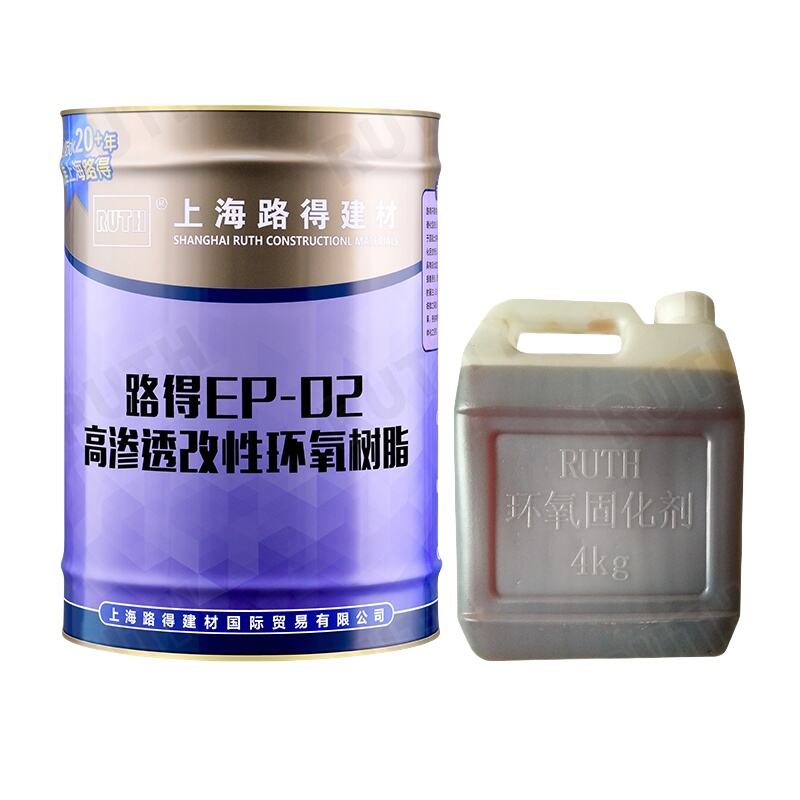
When selecting the right grout for your tiling project, understanding the differences between polyurethane grout vs epoxy grout becomes crucial for achieving optimal results. These two advanced grouting materials represent significant improvements over traditional cement-based options, each offering distinct advantages for specific applications. Polyurethane grout stands out as a flexible, single-component solution that provides excellent adhesion and movement accommodation. This innovative material consists of polyurethane polymers that cure through moisture reaction, creating a durable yet flexible bond. The technology behind polyurethane grout allows it to expand and contract with substrate movement, making it ideal for areas subject to thermal cycling or structural settling. Its main functions include waterproofing, joint sealing, and providing long-term flexibility in tile installations. Epoxy grout, conversely, represents a two-component system combining epoxy resins with hardening agents. This chemical reaction creates an extremely hard, non-porous surface that resists stains, chemicals, and moisture penetration. The technological features of epoxy grout include superior compressive strength, excellent chemical resistance, and virtually zero porosity once cured. Its primary functions encompass heavy-duty joint filling, chemical-resistant applications, and high-traffic area installations. The polyurethane grout vs epoxy grout comparison reveals distinct application niches. Polyurethane grout excels in residential bathrooms, kitchen backsplashes, swimming pools, and outdoor installations where flexibility is paramount. Its ability to accommodate movement prevents cracking and maintains watertight seals over time. Epoxy grout dominates commercial kitchens, hospitals, laboratories, and industrial facilities where chemical resistance and easy cleaning are essential. The choice between polyurethane grout vs epoxy grout ultimately depends on specific project requirements, environmental conditions, substrate materials, and expected performance criteria. Understanding these fundamental differences ensures proper material selection for successful long-term installations.


New Products

The comparison of polyurethane grout vs epoxy grout reveals numerous practical advantages that directly benefit property owners and contractors. Polyurethane grout delivers exceptional flexibility that prevents cracking in dynamic environments. This flexibility becomes especially valuable in areas experiencing temperature fluctuations, such as outdoor patios or sunrooms where thermal expansion occurs regularly. Unlike rigid alternatives, polyurethane grout maintains its integrity when substrates move, preventing water infiltration and costly repairs. The single-component nature of polyurethane grout simplifies installation procedures significantly. Contractors appreciate the ready-to-use formula that eliminates mixing errors and reduces waste. This convenience translates to faster project completion and lower labor costs for customers. Additionally, polyurethane grout offers excellent adhesion to various substrates including natural stone, ceramic, porcelain, and glass tiles without requiring primers or special preparation. Epoxy grout provides unmatched durability and stain resistance that proves invaluable in demanding environments. Its non-porous surface prevents bacteria growth and eliminates the need for regular sealing, reducing long-term maintenance requirements. Property owners benefit from easier cleaning routines as spills and stains wipe away effortlessly from epoxy-grouted surfaces. The superior chemical resistance of epoxy grout makes it ideal for commercial kitchens and healthcare facilities where harsh cleaning agents are regularly used. When evaluating polyurethane grout vs epoxy grout for cost-effectiveness, both materials offer excellent value propositions. Polyurethane grout provides long-term savings through reduced maintenance and repair needs, while epoxy grout delivers extended service life in high-traffic applications. Both options eliminate the recurring costs associated with resealing traditional cement grout. The installation versatility of these materials accommodates various joint widths and tile types, making them suitable for diverse project specifications. Professional installers find that both polyurethane grout vs epoxy grout options cure reliably under different environmental conditions, ensuring consistent results regardless of ambient temperature or humidity levels. These practical advantages make both materials superior choices for modern construction and renovation projects.

Tips And Tricks

What Are the Key Advantages of Polyurea Grout in Infrastructure Repair?

10

Feb

What Are the Key Advantages of Polyurea Grout in Infrastructure Repair?

Infrastructure repair and maintenance represent critical challenges in modern construction and civil engineering. Among the numerous materials available for structural restoration, polyurea grout has emerged as a revolutionary solution that addresses...
View More
How Does Hydrophobic Polyurethane Prevent Water Penetration After Curing?

13

Feb

How Does Hydrophobic Polyurethane Prevent Water Penetration After Curing?

Construction and industrial applications face constant challenges from water infiltration, making waterproofing solutions critical for structural integrity and longevity. Hydrophobic polyurethane has emerged as a revolutionary material that transform...
View More
Why Is Hydrophobic Polyurethane Suitable for Permanent Waterproofing?

16

Mar

Why Is Hydrophobic Polyurethane Suitable for Permanent Waterproofing?

In the construction and infrastructure industry, achieving long-lasting waterproofing solutions remains a critical challenge for engineers and contractors worldwide. Traditional waterproofing methods often fall short when exposed to harsh environment...
View More
How Does Hydrophobic Polyurethane Perform Compared to Hydrophilic Systems?

20

Mar

How Does Hydrophobic Polyurethane Perform Compared to Hydrophilic Systems?

Understanding the performance differences between hydrophobic polyurethane and hydrophilic systems is crucial for engineers, contractors, and facility managers making informed decisions about waterproofing and sealing solutions. While both systems of...
View More

Get a Free Quote

Email
Name
Company Name
Message
0/1000

polyurethane grout vs epoxy grout

Superior Flexibility and Movement Accommodation

Superior Flexibility and Movement Accommodation

The flexibility advantage of polyurethane grout represents a revolutionary advancement in grouting technology that addresses fundamental challenges in tile installations. Traditional cement-based grouts often fail when substrates experience movement due to thermal expansion, structural settling, or seismic activity. Polyurethane grout eliminates these concerns through its inherent flexibility that allows accommodation of substrate movement without compromising joint integrity. This characteristic proves especially critical in geographic regions experiencing significant temperature variations or areas prone to ground movement. The polymer structure of polyurethane grout maintains elasticity throughout its service life, continuously adapting to changing conditions while preserving watertight seals. This flexibility prevents the formation of hairline cracks that typically plague rigid grout systems, eliminating potential pathways for water infiltration and subsequent damage to underlying structures. Property owners benefit tremendously from this flexibility as it translates to reduced maintenance requirements and extended installation lifespan. The movement accommodation capabilities make polyurethane grout particularly valuable in swimming pool applications where constant thermal cycling occurs due to heating and cooling cycles. Similarly, outdoor installations benefit from the material's ability to handle freeze-thaw cycles without deterioration. The flexibility also proves advantageous in wooden substrate applications where seasonal moisture content changes cause dimensional variations. Unlike rigid alternatives that may debond or crack under these conditions, polyurethane grout maintains continuous adhesion while accommodating the movement. This superior performance characteristic significantly reduces callback issues for contractors and provides long-term peace of mind for property owners. The investment in polyurethane grout pays dividends through eliminated repair costs and maintained aesthetic appeal over extended periods.
Chemical Resistance and Easy Maintenance

Chemical Resistance and Easy Maintenance

Epoxy grout delivers unparalleled chemical resistance that transforms maintenance routines and extends installation longevity in demanding environments. The cross-linked polymer structure of cured epoxy grout creates an impermeable barrier that withstands exposure to acids, alkalis, oils, and aggressive cleaning chemicals without degradation. This resistance proves invaluable in commercial kitchens where grease, food acids, and sanitizing chemicals constantly challenge grout integrity. Healthcare facilities benefit enormously from epoxy grout's ability to withstand repeated exposure to disinfectants and sterilizing agents while maintaining structural integrity and preventing bacterial harboring. The non-porous nature of epoxy grout eliminates the microscopic spaces where bacteria, mold, and stains typically establish themselves in traditional grout systems. This characteristic creates inherently hygienic surfaces that meet stringent cleanliness standards required in food service and medical applications. Property owners appreciate the dramatic reduction in cleaning effort required to maintain pristine appearances, as spills and contaminants cannot penetrate the surface for easy removal with standard cleaning procedures. The stain resistance extends beyond liquid spills to include permanent markers, wine, coffee, and other challenging substances that permanently discolor conventional grouts. Laboratory environments particularly benefit from epoxy grout's chemical inertness that prevents reactions with experimental materials or cleaning solvents. Industrial facilities utilize this resistance for floor and wall applications exposed to process chemicals, oils, and harsh decontamination procedures. The maintenance advantages translate to significant cost savings through reduced cleaning labor, eliminated resealing requirements, and extended replacement intervals. Unlike traditional grouts requiring periodic sealing and frequent replacement, epoxy grout maintains its protective properties throughout its extended service life without additional treatments.
Installation Efficiency and Long-term Performance

Installation Efficiency and Long-term Performance

The installation characteristics of both polyurethane grout vs epoxy grout provide significant advantages that benefit contractors and property owners through improved project efficiency and enhanced long-term performance. Polyurethane grout offers single-component convenience that eliminates mixing procedures, reducing installation time and minimizing potential for application errors. This ready-to-use format allows contractors to begin application immediately without complex preparation steps or specialized mixing equipment. The extended working time of polyurethane grout accommodates larger installation areas and provides flexibility for achieving consistent finishes without rushed application. Temperature tolerance during installation makes polyurethane grout suitable for year-round construction schedules without weather-related delays. Epoxy grout, while requiring two-component mixing, provides precise control over pot life and working characteristics through proper ratio management. Professional installers appreciate the predictable curing behavior that allows accurate project scheduling and reliable completion timelines. Both materials demonstrate superior adhesion properties that eliminate bonding failures common with traditional alternatives. The enhanced adhesion prevents grout pullout and maintains joint integrity under thermal and mechanical stresses. Curing characteristics of these advanced materials provide optimal strength development under various environmental conditions, ensuring reliable performance regardless of ambient temperature or humidity levels. Long-term performance advantages include resistance to shrinkage, cracking, and discoloration that plague conventional grout systems. Property owners benefit from installations that maintain their original appearance and functionality for decades without requiring replacement or major repairs. The color stability of both polyurethane grout vs epoxy grout prevents the fading and darkening issues associated with cement-based products. Professional warranties often accompany these premium materials, providing additional confidence in their long-term performance capabilities and manufacturer support for installation success.

Get a Free Quote

Email
Name
Company Name
Message
0/1000
Newsletter
Please Leave A Message With Us