
 EN
EN


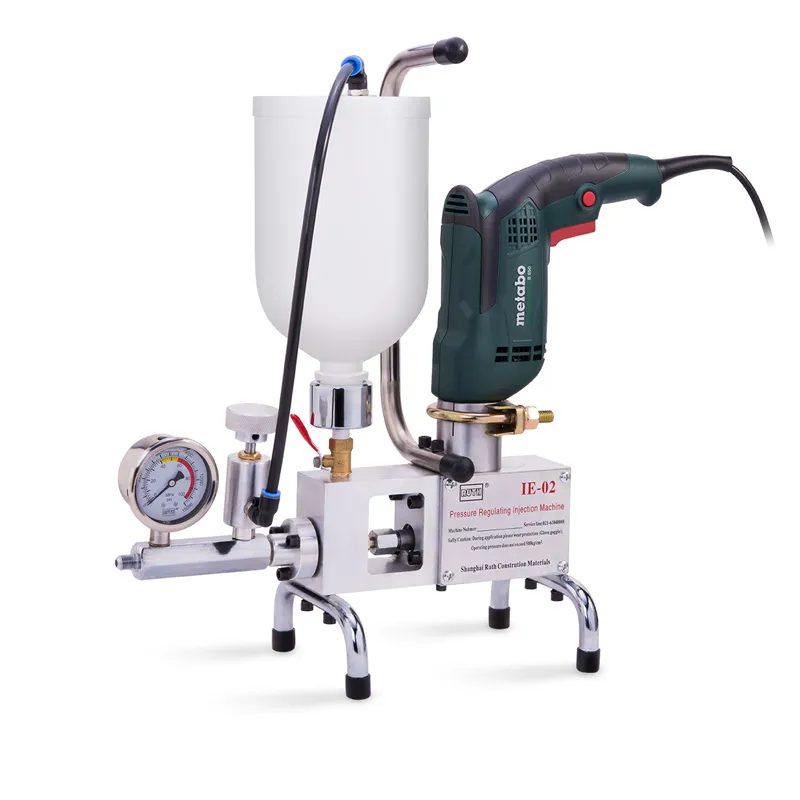
Understanding how acrylate grout penetrates fine cracks requires examining both the chemistry of the material and the physics of fluid flow through narrow spaces. Acrylate grout represents a significant advancement in concrete repair technology, particularly for infrastructure projects demanding precision and durability. The ability of acrylate grout to access micro-fractures and hairline cracks that conventional cement-based products cannot reach makes it invaluable in structural rehabilitation. This article explores the mechanisms that allow acrylate grout to achieve such impressive penetration depths and addresses practical considerations for industrial applications.
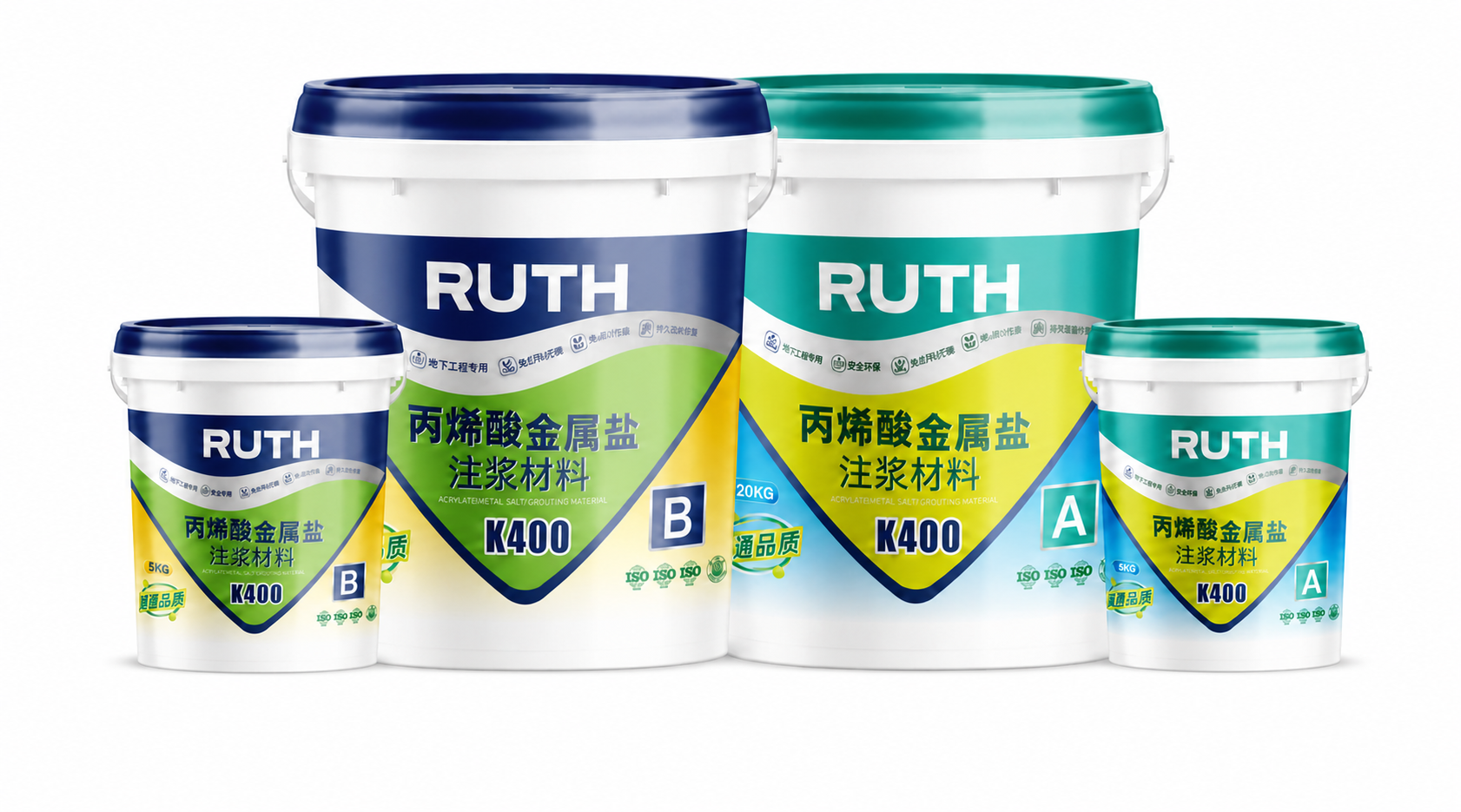
The penetration capability of acrylate grout fundamentally depends on its viscosity profile, particle size distribution, and the capillary action within fractured concrete. Unlike traditional water-based grouts, acrylate grout maintains a fluid consistency that allows molecular-level penetration into spaces measured in micrometers. Engineers and contractors increasingly specify acrylate grout for critical repairs where structural integrity and long-term stability are non-negotiable. The following sections detail the scientific and practical aspects of acrylate grout performance in real-world repair scenarios.
Viscosity and Molecular Penetration Mechanisms
Understanding Ultra-Low Viscosity Characteristics
The term 'ultra-low viscosity' describes acrylate grout formulations with viscosity values typically ranging from 1 to 5 centipoise, comparable to water at room temperature. This exceptional fluidity is the primary reason acrylate grout can penetrate cracks that are only 0.1 millimeters wide or narrower. Traditional cement grout, by contrast, requires crack widths of at least 0.3 to 0.5 millimeters to achieve meaningful penetration. The molecular structure of acrylate grout allows it to flow through interconnected pore networks and microfissures with minimal resistance, reaching areas inaccessible to larger-particle suspensions.
Capillary Action and Adhesive Properties
Acrylate grout exhibits strong capillary action within fine cracks due to its low surface tension and molecular affinity for concrete surfaces. As acrylate grout enters a crack, capillary forces actually pull the liquid deeper into the fracture, even against gravity in vertical or overhead applications. This self-propagating penetration mechanism means acrylate grout spreads laterally and vertically through the crack network with minimal pressure application. The adhesive nature of acrylate grout compounds this effect, as the material chemically bonds to concrete at the molecular level, creating permanent structural closure rather than merely filling void space.
Crack Classification and Penetration Suitability
Fine Crack Categories and Acrylate Grout Performance
Fine cracks in concrete are typically classified by width into hairline cracks (0.05 to 0.15 millimeters), narrow cracks (0.15 to 0.3 millimeters), and thin cracks (0.3 to 0.5 millimeters). Acrylate grout effectively addresses all three categories, though penetration speed and depth increase with crack width. For hairline cracks, acrylate grout achieves what many conventional products cannot, providing genuine structural repair rather than surface coating. The penetration depth of acrylate grout can reach 30 to 50 centimeters laterally from an injection point, depending on crack continuity and concrete porosity. This extensive reach means a single injection point can stabilize a large area of fractured concrete, reducing the number of treatment locations required.
Concrete Type Influence on Penetration Behavior
Different concrete compositions affect how readily acrylate grout penetrates. High-strength, dense concrete may restrict penetration compared to lower-strength concrete with higher porosity. Additionally, the presence of reinforcing steel, post-tension cables, and existing moisture can influence acrylate grout flow patterns. In freeze-thaw damaged concrete, acrylate grout often penetrates more extensively due to enlarged pore networks created by ice crystal expansion. Understanding the specific concrete condition and history allows contractors to optimize acrylate grout injection pressure and placement strategy for maximum effectiveness.
Injection Techniques and Pressure Dynamics
Pressure-Driven Penetration and System Design
The injection pressure required to introduce acrylate grout into fine cracks is considerably lower than cement-based alternatives, typically ranging from 0.5 to 3 bar for most applications. This low-pressure requirement reflects the inherent fluidity of acrylate grout and its capillary affinity for concrete. Specialized injection equipment designed for acrylate grout delivery ensures consistent pressure application and prevents over-pressurization that could damage surrounding concrete. The relationship between injection pressure and penetration distance with acrylate grout follows a non-linear curve, where modest pressure increases yield substantial penetration improvements.
Multi-Stage Injection Strategies
Professional contractors often employ multi-stage injection protocols with acrylate grout to maximize repair quality and minimize material waste. Initial low-pressure injection allows acrylate grout to reach the full extent of the crack network through capillary action. Secondary injection at slightly elevated pressure forces acrylate grout into remaining pockets and ensures complete crack saturation. This staged approach with acrylate grout is more efficient than attempting to achieve complete penetration in a single high-pressure application. The staged methodology also reduces the risk of surface ejection and allows the initial acrylate grout layers to begin curing before final pressure application, improving overall bond strength.
Chemical Composition and Curing Behavior
Polymer Chemistry Supporting Deep Penetration
Acrylate grout formulations utilize acrylic monomers that polymerize through free-radical or ionic mechanisms after injection. The polymer network formation occurs gradually, allowing acrylate grout to remain fluid during penetration while gradually transitioning to a solid state within the crack. This controlled curing process distinguishes acrylate grout from instant-set products that may block cracks before achieving full penetration. The polymer chains in acrylate grout are relatively short and flexible, which maintains penetration capability even as polymerization begins. Temperature and humidity influence cure times for acrylate grout, with warmer conditions accelerating polymerization and cooler conditions extending the penetration window.
Durability and Long-Term Performance
Once cured, acrylate grout exhibits exceptional durability in fine cracks due to its hydrophobic nature and chemical resistance. Unlike water-based cements that may re-fracture under thermal or load cycling, acrylate grout maintains flexibility and stress distribution within cracks. The bond between cured acrylate grout and concrete is primarily chemical rather than mechanical, making it resistant to shear forces and vibration. Industrial facilities and infrastructure subject to dynamic loads benefit significantly from the mechanical stability that acrylate grout provides in fine crack repair applications.
FAQ
What is the minimum crack width that acrylate grout can effectively penetrate?
Acrylate grout can penetrate cracks as narrow as 0.05 millimeters under ideal conditions, making it suitable for hairline crack repair where traditional cement products fail. The ultra-low viscosity of acrylate grout enables molecular-level penetration that reaches depths conventional materials cannot access. This exceptional capability makes acrylate grout the preferred choice for precision structural repairs in critical infrastructure applications.
How long does acrylate grout remain injectable after mixing?
The working time for acrylate grout typically ranges from 30 minutes to 2 hours depending on the specific formulation, temperature, and initiator system used. Warmer ambient temperatures accelerate polymerization and reduce the injectable window, while cooler conditions extend working time. Contractors should consult product-specific technical data to confirm working time windows for their particular acrylate grout selection and environmental conditions.
Can acrylate grout be used in wet or damp concrete cracks?
Most acrylate grout formulations are sensitive to moisture, as water interferes with polymer chain formation and reduces cure efficiency. For damp crack conditions, surface preparation including drying and moisture removal is essential before acrylate grout injection. Some specialized acrylate grout variants incorporate hydrophobic components that tolerate limited moisture, but dry crack conditions consistently deliver superior results with standard acrylate grout products.