
 EN
EN


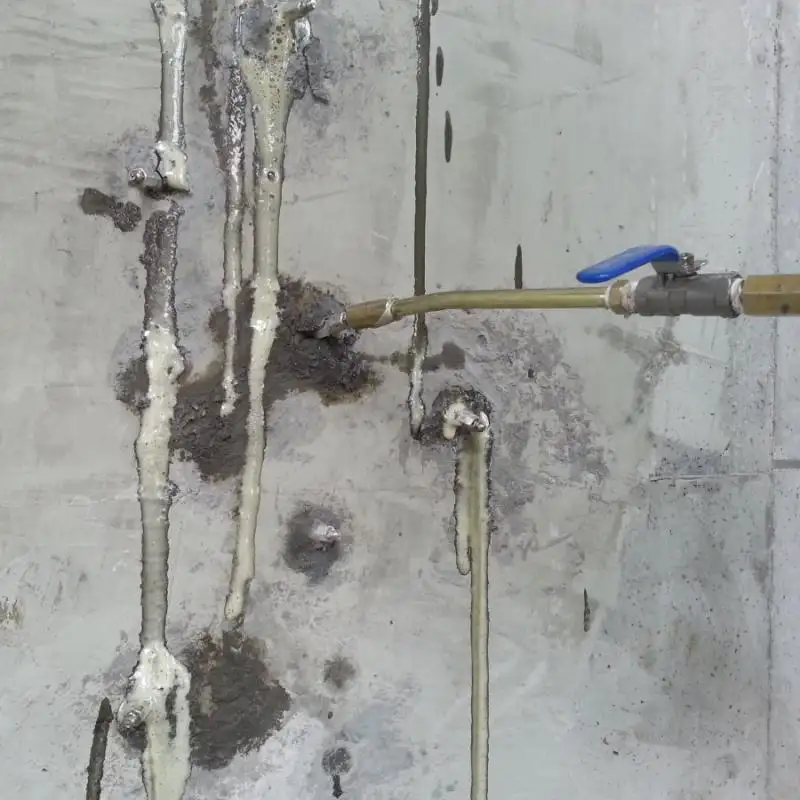
Selecting the right injection material is critical for achieving durable, effective results in construction, waterproofing, and structural repair projects. Polyurethane, epoxy, and acrylate injection materials each offer distinct properties, performance characteristics, and application advantages. Understanding the differences between these three injection materials helps contractors, engineers, and facility managers make informed decisions that align with project requirements, budget constraints, and long-term durability expectations.
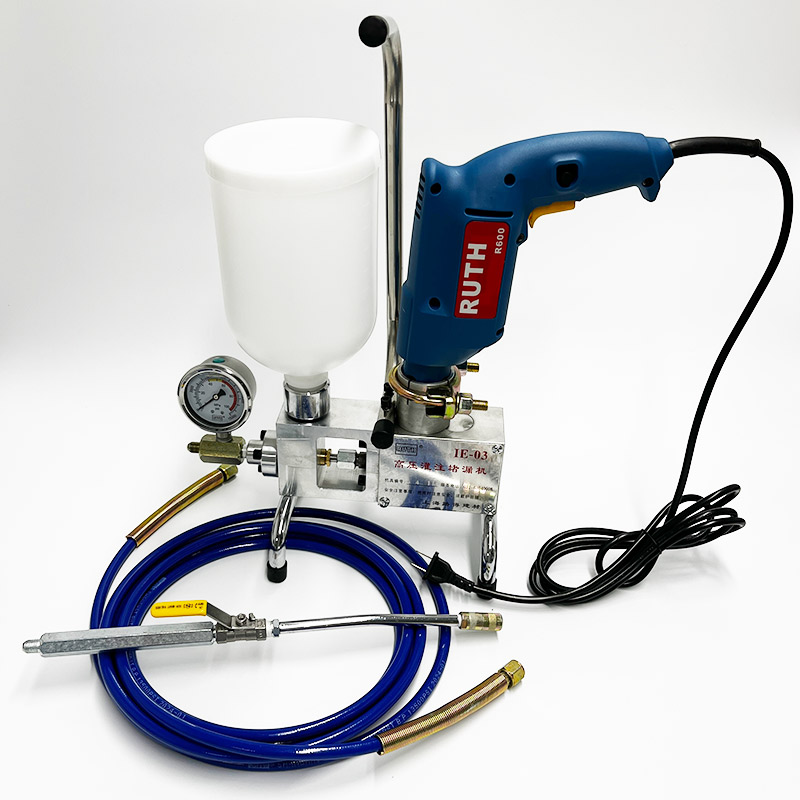
Each injection material type serves specific purposes in the construction and repair industry. Polyurethane injection offers flexibility and superior water resistance, epoxy injection provides exceptional structural strength and chemical resistance, while acrylate injection balances ease of application with reliable waterproofing capability. The choice between these three depends on factors including crack width, environmental exposure, cure time requirements, cost considerations, and the specific performance demands of your project.
Understanding Polyurethane Injection Materials
Key Properties and Performance Characteristics
Polyurethane injection is widely recognized for its exceptional flexibility and rapid expansion capabilities. This material expands significantly upon activation, allowing it to fill irregular crack geometries and reach areas that other injection materials cannot easily penetrate. Polyurethane injection is particularly effective in applications involving dynamic cracks or structural movements where rigid materials would fail under stress.
The curing speed of polyurethane injection is notably fast, often achieving initial set within minutes and full cure within hours. This rapid curing advantage reduces project timelines and minimizes work disruption. Additionally, polyurethane injection demonstrates excellent adhesion to concrete, masonry, and most building substrates, ensuring reliable long-term bond integrity even under demanding environmental conditions.
Application Scenarios and Limitations
Polyurethane injection excels in below-grade waterproofing, foundation crack repair, and tunnel sealing applications where water pressure and hydrostatic conditions demand superior performance. The material remains flexible after cure, accommodating building settlement and thermal expansion without cracking or delaminating. However, polyurethane injection can be sensitive to moisture during application, requiring careful surface preparation and controlled humidity levels to achieve optimal results.
Cost considerations typically position polyurethane injection in the mid-to-premium range. While initial material costs may be higher than some alternatives, the reduced labor time and effective performance in challenging applications often provide strong overall project value. Technicians require specific training and equipment to handle polyurethane injection systems safely and effectively.
Comparing Epoxy Injection Materials
Structural Strength and Chemical Resistance
Epoxy injection is engineered for maximum structural reinforcement and dimensional stability. Once cured, epoxy injection creates a rigid, non-flexible bond that restores structural integrity to cracked concrete and damaged masonry. This rigidity is advantageous in load-bearing applications where the repaired area must perform as part of the primary structural system rather than as a flexible seal.
The chemical resistance of epoxy injection is exceptional, withstanding exposure to oils, solvents, acids, and many industrial contaminants. This characteristic makes epoxy injection the preferred choice in chemical storage facilities, industrial plants, parking structures, and environments where aggressive substances may contact the repaired surface. Epoxy injection maintains its performance characteristics even after prolonged chemical exposure that would degrade alternative materials.
Cure Time and Application Considerations
Epoxy injection typically requires longer cure times compared to polyurethane, ranging from several hours to multiple days depending on formulation and ambient temperature. This slower cure allows for more controlled application and precise placement, though it extends project duration. Epoxy injection demands excellent surface preparation and crack cleanliness, as contamination or moisture can compromise bond quality and structural performance.
Temperature sensitivity is an important consideration with epoxy injection. Performance can be compromised in cold environments, and excessively warm conditions may accelerate cure beyond the workable window. Contractors must carefully plan epoxy injection applications around weather conditions and ensure equipment remains at appropriate temperatures throughout the curing process.
Exploring Acrylate Injection Material Advantages
Ease of Application and Environmental Compatibility
Acrylate injection represents a balance between the flexibility of polyurethane and the structural strength of epoxy. This material is water-based in many formulations, making it environmentally friendly and reducing hazardous exposure concerns for workers. Acrylate injection is easier to apply than epoxy, requiring simpler equipment and less rigorous surface preparation protocols while still delivering reliable waterproofing performance.
The user-friendly nature of acrylate injection makes it particularly suitable for contractors seeking faster application procedures without specialized training requirements. Cleanup is simpler, tools require minimal decontamination, and disposal is less complicated compared to two-component epoxy or polyurethane systems. Acrylate injection cures relatively quickly, though not as rapidly as polyurethane, allowing reasonable project pacing and controlled work sequencing.
Suitability for Specific Project Types
Acrylate injection performs exceptionally well in fine crack applications, where the material's lower viscosity allows penetration into hairline fractures that wider materials might bridge incompletely. This injection material effectively waterproofs masonry, concrete, and brick surfaces while remaining cost-effective compared to premium alternatives. Acrylate injection is suitable for above-grade applications, interior repairs, and projects where environmental impact and worker safety are primary concerns.
The material demonstrates good adhesion to most masonry substrates and maintains reasonable flexibility after cure, accommodating minor structural movements without failure. Acrylate injection is compatible with many finishing systems and does not typically interfere with subsequent painting or coating applications. Its moderate cost position makes acrylate injection attractive for budget-conscious projects requiring reliable waterproofing without premium material expenses.
FAQ
Which injection material is best for horizontal crack sealing?
For horizontal crack sealing, polyurethane injection typically provides superior results due to its expansion characteristics and excellent water resistance. However, epoxy injection may be preferred in load-bearing situations requiring maximum structural reinforcement, while acrylate injection works well for fine hairline cracks. Project-specific conditions, including crack width, structural loading, and environmental exposure, should guide your final selection.
How do polyurethane, epoxy, and acrylate injection materials differ in freeze-thaw resistance?
Polyurethane injection generally excels in freeze-thaw environments due to its flexibility, which accommodates ice expansion without cracking. Epoxy injection provides good freeze-thaw resistance through its rigid structure, though extreme thermal cycling can cause stress. Acrylate injection offers moderate freeze-thaw performance, making it suitable for temperate climates but potentially problematic in regions experiencing severe, repeated freeze-thaw cycles.
What is the cost difference between polyurethane, epoxy, and acrylate injection materials?
Acrylate injection typically represents the most economical option, followed by polyurethane injection at mid-range pricing, with epoxy injection generally commanding premium costs. However, total project cost includes equipment, labor, and application time. Polyurethane's rapid cure reduces labor expenses, while acrylate's simple application procedure lowers training and complexity costs, meaning the cheapest material may not deliver the lowest overall project expense.