
 EN


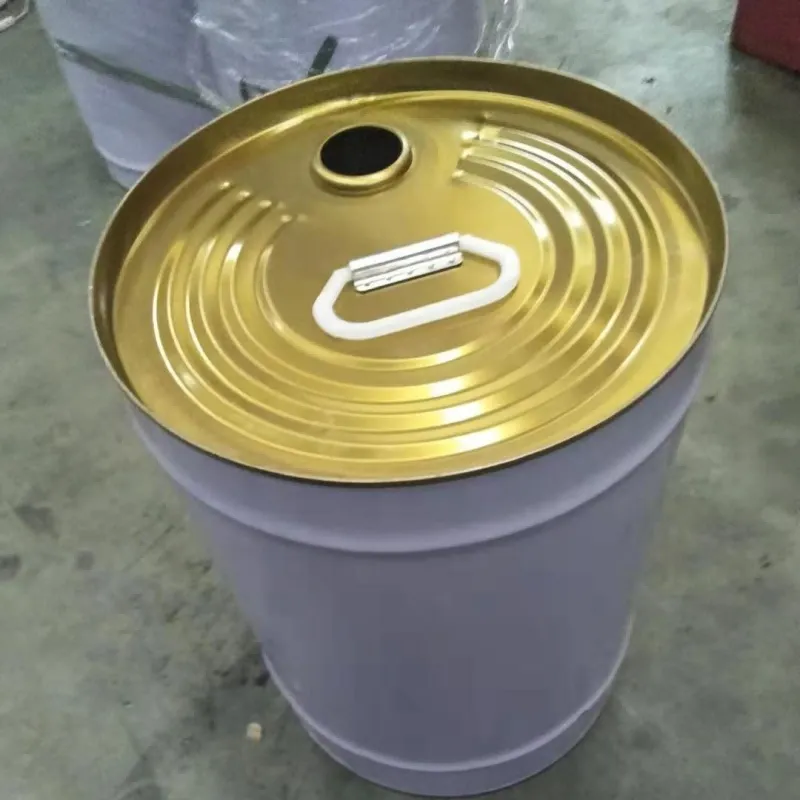
Tunnel leakage represents one of the most challenging problems in underground infrastructure maintenance, threatening both structural integrity and operational safety. Water infiltration into tunnels accelerates deterioration, corrodes reinforcement steel, and can lead to catastrophic failures if left unaddressed. Traditional repair methods often prove inadequate because they fail to penetrate deep into fractures and do not provide lasting waterproofing. This is where Polyurethane Injection Grout has emerged as a proven solution, offering advanced chemical properties that create durable, flexible seals within concrete and rock formations.

The chemistry and engineering behind polyurethane-based solutions have transformed how tunnel engineers and maintenance teams approach water penetration problems. Unlike cementitious grouts that remain rigid and prone to re-cracking, polyurethane formulations expand, cure with flexibility, and bond aggressively to substrate materials. These characteristics make polyurethane injection grout an ideal choice for complex tunnel environments where structural movement, vibration, and dynamic water pressure create ongoing challenges.
Why Polyurethane Injection Grout Works for Tunnel Leakage
Chemical Reactivity and Expansion Properties
Polyurethane injection grout operates through a chemical reaction triggered when two-part components mix at the injection point. The reaction generates carbon dioxide gas, which creates controlled expansion that forces the material deep into microfractures, voids, and capillary pathways within concrete and surrounding rock. This expansion ensures complete filling of gaps that would otherwise remain as water pathways. The resulting polyurethane polymer is hydrophobic or hydrophilic depending on formulation, meaning it either repels water or absorbs it to prevent further moisture migration.
Adhesion and Flexibility Benefits
Unlike rigid cement-based products, polyurethane injection grout maintains elasticity after curing, allowing it to move with the tunnel structure as temperature fluctuates and ground settlement occurs. This flexibility prevents the formation of new cracks at the grout-substrate interface, which commonly happens with brittle repair materials. Strong chemical adhesion to both wet and dry concrete surfaces ensures the seal remains intact even when water pressure spikes during heavy rainfall or seasonal flooding. The material cures faster than many alternatives, reducing downtime and enabling rapid return to service.
Tunnel Leakage Repair Process with Polyurethane Injection Grout
Pre-Injection Assessment and Preparation
Successful polyurethane injection grout application begins with thorough site evaluation to identify leak locations, measure water flow rates, and assess concrete condition. Engineers drill pilot holes and inject temporary packers to isolate the affected area and direct grout placement precisely where water is entering. Existing cracks and channels must be cleaned of loose material, debris, and algae to ensure direct contact between the polyurethane and the substrate. The tunnel environment must be dried as much as possible, though some polyurethane injection grout formulations are designed specifically for wet conditions, eliminating the need for extensive dewatering.
Injection Methodology and Timing
Technicians inject polyurethane injection grout using specialized pump equipment that meters and pressurizes the two-component mixture as it travels through injection lines. Starting from the lowest leak point and working upward ensures that expanding grout fills cavities from bottom to top and that water-saturated pathways are completely sealed. Injection pressure must be controlled carefully to avoid creating new fractures or compromising surrounding support elements. After injection, the polyurethane cures through chemical reaction over minutes to hours, depending on product formulation and temperature. Multiple injection points along the leak path ensure comprehensive coverage and eliminate residual seepage.
Long-Term Performance and Cost-Benefit Analysis
Durability and Maintenance Advantages
Polyurethane injection grout seals remain effective for decades when properly installed, with field performance data supporting 20+ year lifespans in typical tunnel environments. The material does not degrade in the presence of water, does not support biological growth, and resists chemical attack from common tunnel water contaminants. Unlike sealant coatings that may require renewal every 5 to 10 years, polyurethane injection grout repairs are generally permanent unless the tunnel structure sustains new damage. Maintenance teams report fewer emergency calls and reduced water damage incidents after treatment, directly improving operational reliability and reducing safety hazards.
Economic and Operational Impact
The initial cost of polyurethane injection grout treatment is typically offset by elimination of repeated repair cycles, reduced water damage claims, and improved tunnel asset life. Water infiltration left unrepaired accelerates concrete spalling, steel corrosion, and structural weakening, leading to much higher remediation costs down the line. By addressing leaks early with polyurethane injection grout, facilities avoid expensive structural reconstruction projects. Faster cure times mean tunnels return to full service quickly, minimizing revenue loss from capacity restrictions. When considering total cost of ownership over a 20-year period, polyurethane injection grout solutions frequently prove more economical than conventional alternatives.
FAQ
Can polyurethane injection grout be applied in active water flow conditions?
Yes, specialized formulations of polyurethane injection grout are specifically designed for wet and flowing water environments. Hydrophilic polyurethane products react with water as part of their curing mechanism, allowing them to polymerize and expand even in saturated conditions. Standard hydrophobic formulations require drier conditions but still outperform cement-based grouts in damp environments. Proper packer placement and temporary water diversion techniques further ensure reliable performance.
How long does polyurethane injection grout take to cure and restore tunnel operations?
Polyurethane injection grout typically cures within 30 minutes to 2 hours, depending on ambient temperature and product formulation. Most tunnels can resume normal operations within 4 to 8 hours after injection completion. In comparison, cementitious grouts often require 24 to 48 hours of cure time before load restoration, making polyurethane injection grout a faster solution for minimizing operational downtime and service disruption.
Will polyurethane injection grout work on severely deteriorated concrete with large voids?
Polyurethane injection grout is highly effective in deteriorated concrete because its expansion and low viscosity allow it to penetrate severely fractured and void-laden zones. However, very large cavities may require staged injection or combination with other products to achieve full structural support. Engineers typically assess cavity size during pre-injection evaluation and adjust injection strategy accordingly. For most tunnel applications with typical degradation patterns, polyurethane injection grout provides excellent fill and seal characteristics even in compromised concrete.