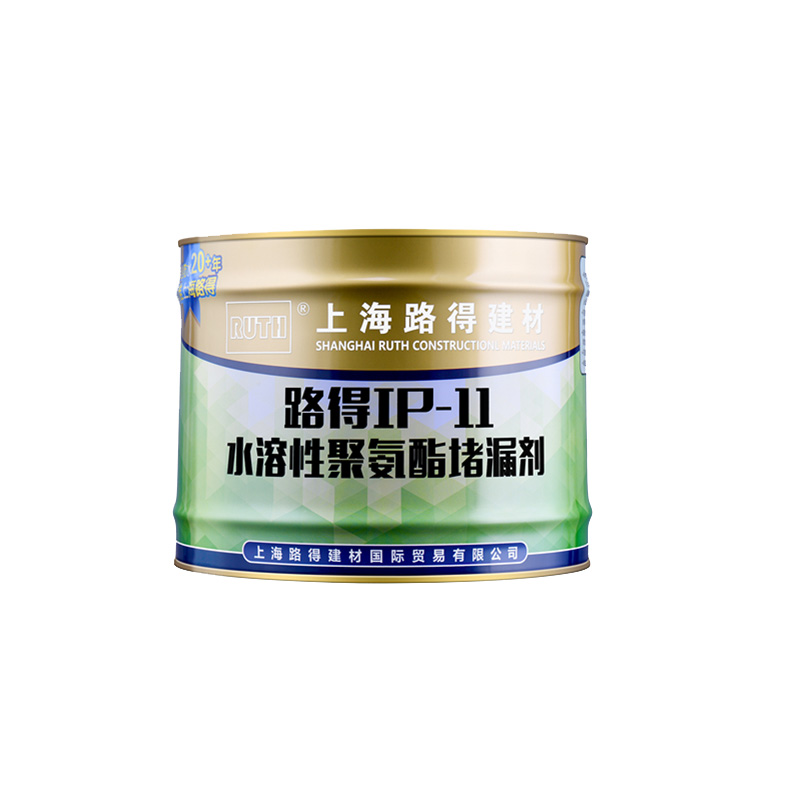
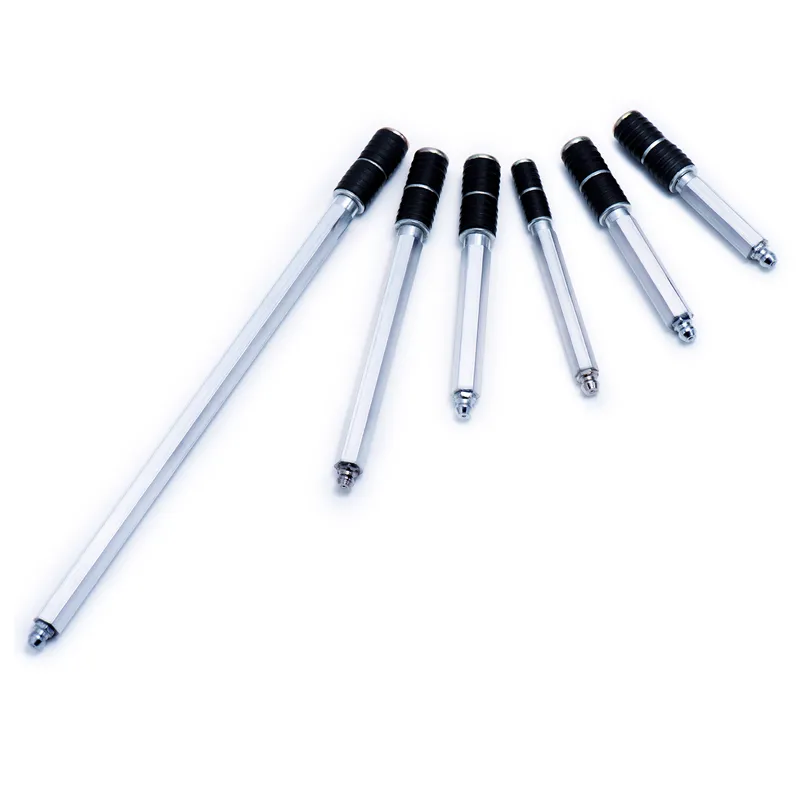
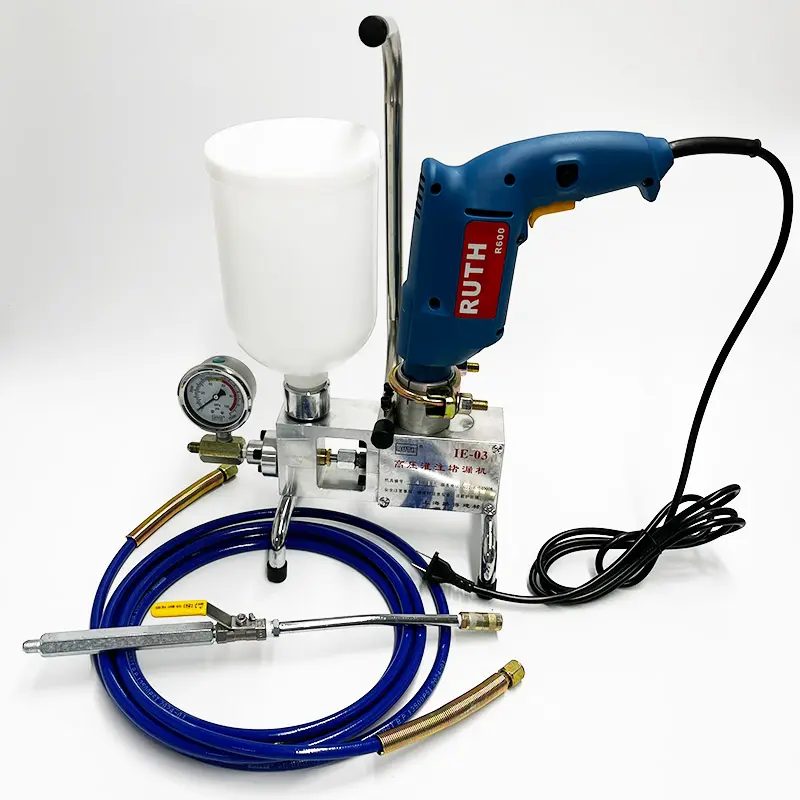
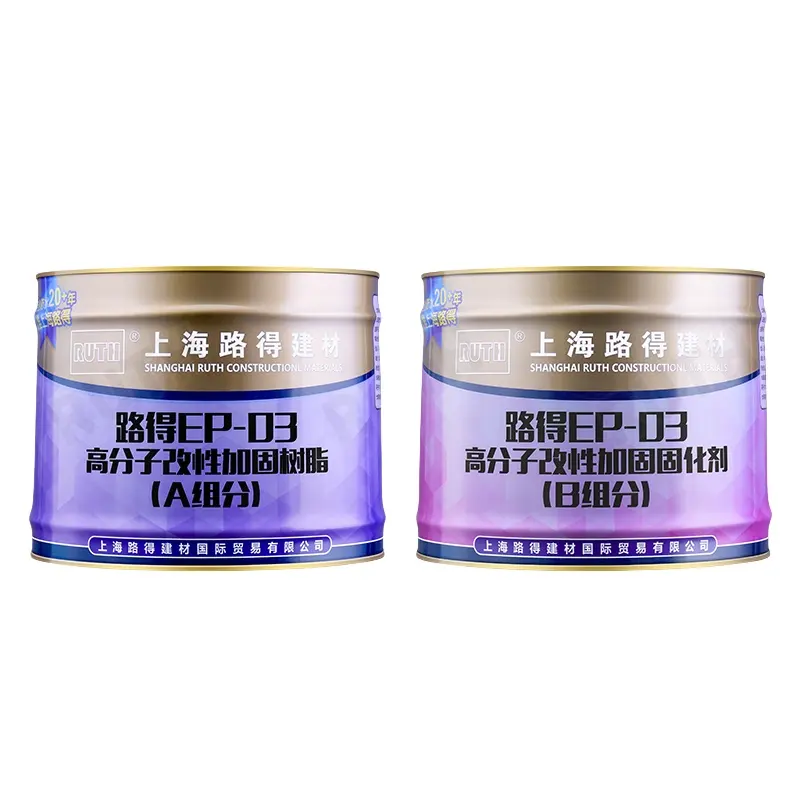
Professional Hydrophobic Polyurethane Injection Solutions - Advanced Waterproofing Technology

Get a Free Quote

Email
Name
Company Name
Message
0/1000

hydrophobic polyurethane injection

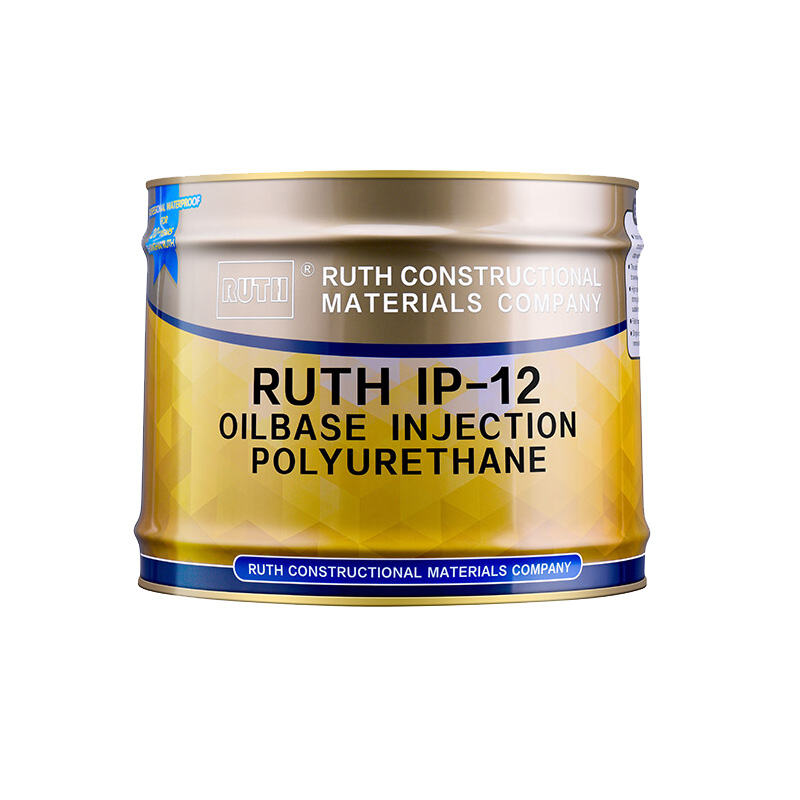
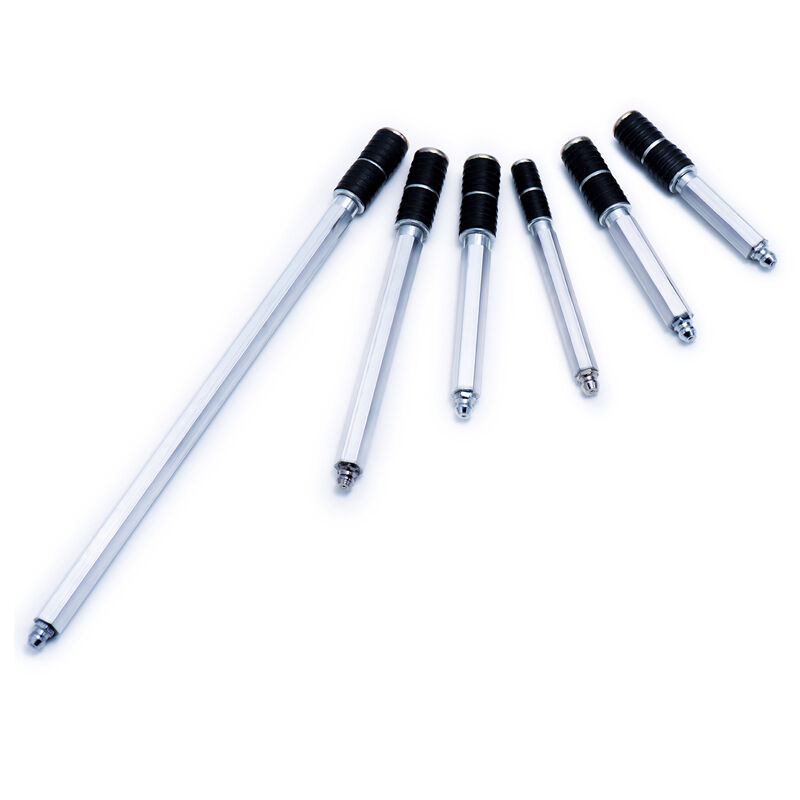
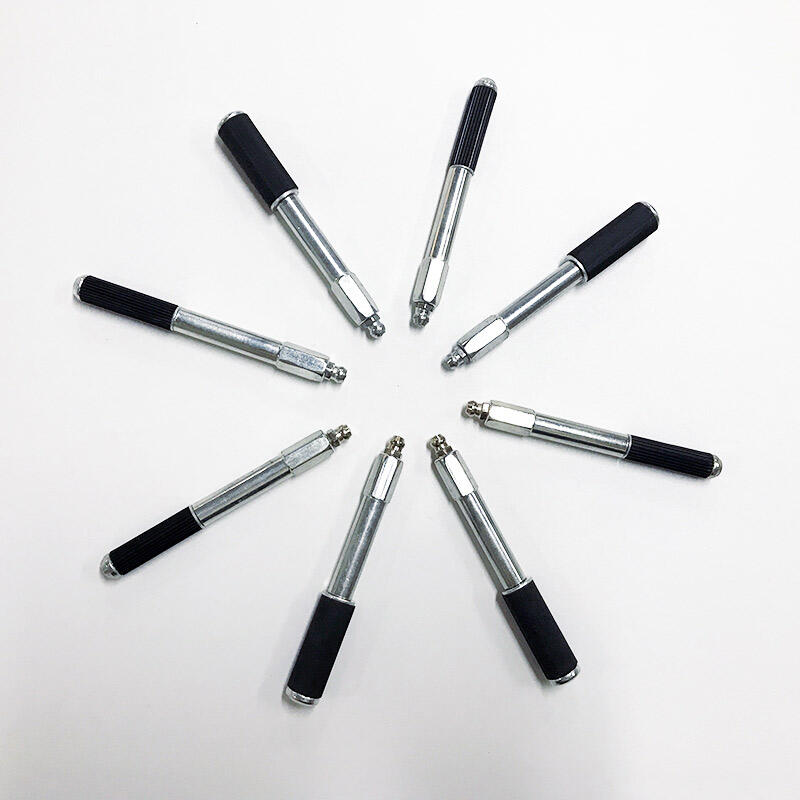
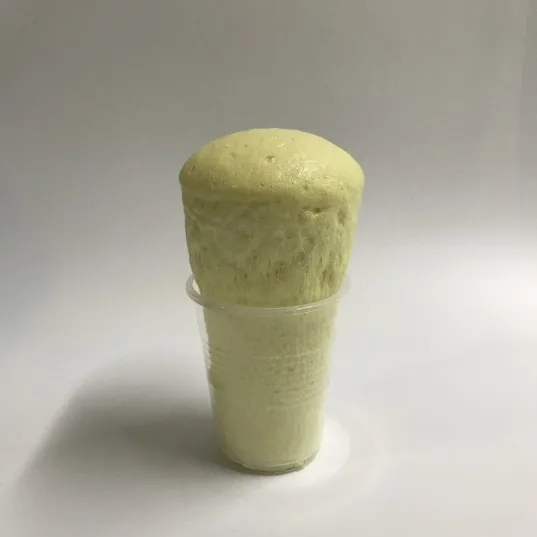
Hydrophobic polyurethane injection represents a revolutionary waterproofing solution designed to address moisture infiltration challenges in construction and infrastructure projects. This advanced chemical injection system utilizes specialized polyurethane resins that exhibit exceptional water-repelling properties, making it an ideal choice for sealing cracks, joints, and structural defects in concrete, masonry, and other building materials. The hydrophobic polyurethane injection technology works by penetrating deep into structural voids and curing to form a flexible, impermeable barrier that prevents water ingress while maintaining structural integrity. The main functions of this innovative system include crack sealing, joint waterproofing, structural reinforcement, and long-term moisture protection. The material demonstrates remarkable expansion characteristics when exposed to water, allowing it to fill irregular cavities and create comprehensive seals even in challenging conditions. Technological features of hydrophobic polyurethane injection include low viscosity formulations that ensure deep penetration, rapid curing properties for quick project completion, and excellent adhesion to various substrates including concrete, brick, stone, and metal surfaces. The system operates effectively across a wide temperature range and maintains its waterproofing properties under extreme environmental conditions. Applications span numerous sectors including basement waterproofing, tunnel construction, bridge deck protection, industrial facility maintenance, and residential foundation repair. The versatility of hydrophobic polyurethane injection makes it suitable for both preventive maintenance and emergency repair situations, providing contractors and property owners with a reliable solution for moisture-related problems that can compromise structural safety and building performance over time.


New Product Releases

The primary advantage of hydrophobic polyurethane injection lies in its superior water resistance capabilities, which far exceed traditional waterproofing methods. This technology creates permanent barriers that actively repel water rather than simply blocking its path, ensuring long-lasting protection against moisture damage. Unlike conventional sealants that may degrade over time, hydrophobic polyurethane injection maintains its effectiveness for decades, reducing maintenance costs and extending building lifespan significantly. The material's flexibility allows it to accommodate structural movement without cracking or losing adhesion, making it particularly valuable in earthquake-prone regions or buildings subject to thermal expansion and contraction cycles. Installation proves remarkably straightforward, requiring minimal surface preparation and specialized equipment, which translates to reduced labor costs and faster project completion times. The low-pressure injection process minimizes disruption to existing structures, allowing repairs to proceed without major demolition or reconstruction work. This feature becomes especially beneficial in occupied buildings where business continuity remains essential. Another significant advantage involves the material's chemical resistance properties, protecting structures from aggressive groundwater, industrial chemicals, and environmental pollutants that could otherwise cause deterioration. The hydrophobic polyurethane injection system demonstrates exceptional durability under freeze-thaw cycles, maintaining its waterproofing integrity even in harsh climatic conditions where traditional materials might fail. Cost-effectiveness emerges as a compelling benefit when considering the total lifecycle expenses, as the initial investment in hydrophobic polyurethane injection often proves more economical than repeated applications of conventional waterproofing systems. The material's ability to penetrate deep into structural substrates creates comprehensive protection that addresses root causes rather than surface symptoms, preventing costly water damage repairs and structural complications. Environmental benefits include reduced waste generation compared to replacement-based solutions, supporting sustainable construction practices while delivering superior performance outcomes that protect valuable infrastructure investments over extended periods.

Practical Tips

How Does Polyurethane Injection Adapt to Different Leak Conditions?

02

Feb

How Does Polyurethane Injection Adapt to Different Leak Conditions?

Water intrusion and structural leaks present persistent challenges across construction, infrastructure, and industrial sectors. Traditional repair methods often fall short when addressing complex leak scenarios, particularly in challenging environmen...
View More
How Do Large Projects Benefit from Hydrophobic Polyurethane Grouting?

16

Feb

How Do Large Projects Benefit from Hydrophobic Polyurethane Grouting?

Large-scale construction and infrastructure projects face numerous challenges when it comes to water infiltration and structural integrity. From underground tunnels and basements to industrial facilities and marine structures, preventing water damage...
View More
How Does Hydrophobic Polyurethane Maintain Stability in Dry Crack Sealing?

02

Mar

How Does Hydrophobic Polyurethane Maintain Stability in Dry Crack Sealing?

The construction industry has witnessed remarkable advancements in sealing technologies, with hydrophobic polyurethane emerging as a revolutionary solution for crack repair and waterproofing applications. This innovative material combines the excepti...
View More
How Do Contractors Choose Hydrophilic Polyurethane for Wet Conditions?

25

Mar

How Do Contractors Choose Hydrophilic Polyurethane for Wet Conditions?

Waterproofing in wet conditions presents unique challenges that demand specialized solutions. When contractors face persistent moisture issues, concrete joints, and foundation leaks, selecting the right sealant becomes critical for project success. H...
View More

Get a Free Quote

Email
Name
Company Name
Message
0/1000

hydrophobic polyurethane injection

Advanced Deep Penetration Technology

Advanced Deep Penetration Technology

The revolutionary deep penetration capability of hydrophobic polyurethane injection sets it apart from conventional waterproofing solutions, offering unmatched effectiveness in sealing complex structural defects. This advanced technology utilizes specially formulated low-viscosity resins that can penetrate hairline cracks as narrow as 0.1mm, reaching areas that traditional sealants cannot access. The penetration process occurs through capillary action and controlled pressure injection, ensuring complete saturation of damaged areas and creating comprehensive waterproof barriers throughout the affected structure. Unlike surface-applied waterproofing systems that may miss hidden defects, hydrophobic polyurethane injection actively seeks out moisture pathways and seals them from within, providing thorough protection against water infiltration. The deep penetration characteristics prove particularly valuable in aging infrastructure where multiple crack networks may exist beneath visible surfaces. During application, the material follows water paths through concrete and masonry, naturally identifying and sealing all potential entry points for moisture. This self-seeking behavior eliminates guesswork in repair procedures and ensures complete coverage of problem areas. The penetration depth can extend several inches into structural elements, creating integrated waterproof zones that become permanent parts of the building envelope. This technology proves especially effective in complex geometries such as pipe penetrations, construction joints, and irregular crack patterns where traditional methods struggle to achieve complete sealing. The molecular structure of hydrophobic polyurethane injection enables it to bond chemically with substrate materials, creating seamless transitions between the original structure and the waterproofing system. This integration prevents delamination issues common with surface-applied membranes and ensures long-term adhesion under varying environmental conditions. The deep penetration capability also provides redundancy in waterproofing performance, as multiple layers of protection form throughout the treated area, offering backup barriers if surface elements experience damage over time.
Exceptional Flexibility and Structural Movement Accommodation

Exceptional Flexibility and Structural Movement Accommodation

The remarkable flexibility characteristics of hydrophobic polyurethane injection provide superior performance in dynamic structural environments where conventional rigid sealants fail prematurely. This advanced material maintains its waterproofing integrity while accommodating significant structural movement, thermal expansion, seismic activity, and settlement without cracking or losing adhesion to substrate surfaces. The flexible nature stems from the polymer chain structure that allows controlled deformation under stress while returning to its original configuration when forces subside. This elastomeric behavior proves critical in modern construction where buildings experience constant micro-movements due to temperature variations, wind loads, and foundation adjustments. Unlike brittle sealants that crack under stress, hydrophobic polyurethane injection stretches and compresses with structural elements, maintaining continuous waterproof barriers throughout the building's operational life. The flexibility range typically extends beyond 300 percent elongation, providing substantial safety margins for unexpected structural movements. This characteristic proves particularly valuable in seismic zones where buildings must withstand significant lateral forces without compromising their waterproofing systems. The material's ability to bridge moving joints and active cracks ensures permanent protection even in challenging applications such as expansion joints, control joints, and areas where different materials meet. Temperature resistance complements the flexibility benefits, as hydrophobic polyurethane injection maintains its elastic properties across extreme temperature ranges from -40°F to 180°F, ensuring consistent performance in diverse climatic conditions. The flexible characteristics also contribute to installation success rates, as the material can accommodate minor surface irregularities and substrate imperfections without creating weak points or failure zones. This forgiveness during application reduces installation risks and improves overall system reliability. Long-term testing demonstrates that the flexibility properties remain stable over decades of service, providing confidence in extended warranty periods and reducing lifecycle replacement costs for building owners and facility managers.
Rapid Curing and Minimal Disruption Installation

Rapid Curing and Minimal Disruption Installation

The rapid curing properties of hydrophobic polyurethane injection deliver significant project benefits through accelerated installation schedules and minimal operational disruption to occupied buildings. This fast-acting technology typically achieves initial set within 15-30 minutes and reaches full cure strength within 2-4 hours, enabling same-day project completion for most applications. The quick curing process results from advanced catalyst systems that promote controlled polymerization reactions, transforming liquid resins into solid waterproof barriers with remarkable speed. This rapid transformation allows contractors to complete multiple injection points during single work sessions, maximizing productivity and reducing overall project duration compared to traditional waterproofing methods that may require extended curing periods. The minimal disruption installation process proves especially valuable in commercial and institutional buildings where business continuity remains essential during repair work. Unlike extensive renovation projects that may require facility shutdowns, hydrophobic polyurethane injection procedures can often proceed during normal operating hours with minimal impact on occupants and activities. The injection process requires only small access holes drilled at strategic locations, eliminating the need for major excavation or structural modifications that characterize traditional waterproofing installations. This approach preserves existing finishes and reduces restoration costs while achieving comprehensive waterproofing results. The rapid curing characteristics also provide immediate feedback on installation success, as technicians can verify seal integrity within hours of application rather than waiting days for traditional materials to cure sufficiently for testing. This immediate verification capability reduces project risks and allows for prompt remedial action if adjustments become necessary. Emergency repair situations particularly benefit from the rapid curing properties, as urgent water intrusion problems can be resolved quickly to prevent additional damage to building contents and structural elements. The fast curing process also reduces weather dependency for outdoor applications, as shorter exposure periods minimize risks from unexpected precipitation or temperature changes during installation. Quality control procedures benefit from rapid curing as well, enabling comprehensive testing and documentation within single work shifts rather than requiring extended monitoring periods that complicate project scheduling and resource allocation.

Get a Free Quote

Email
Name
Company Name
Message
0/1000
Newsletter
Please Leave A Message With Us