
 EN


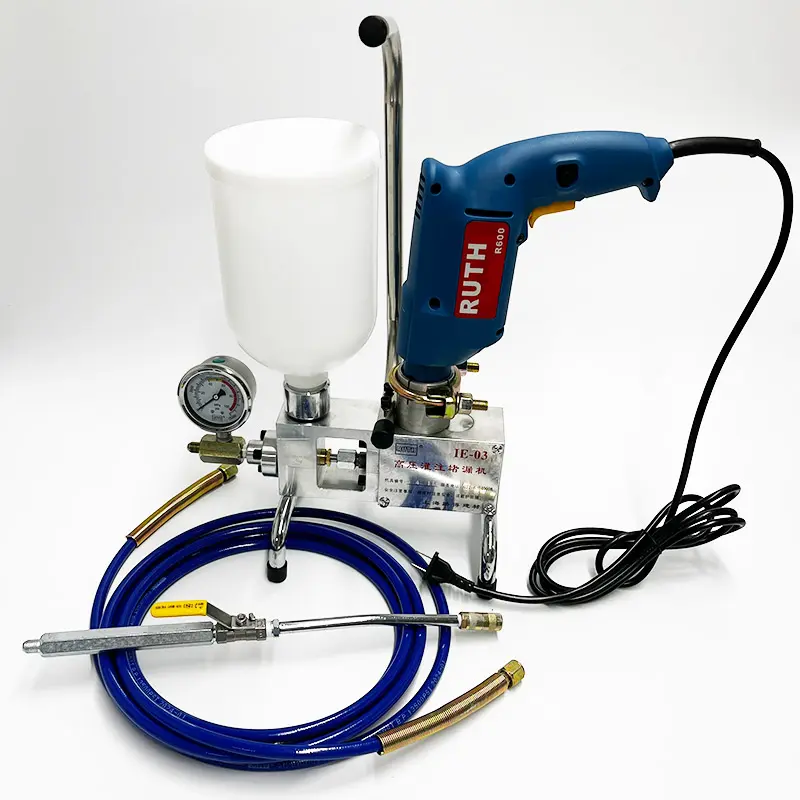
Structural cracks in concrete demand immediate attention, and choosing the right repair material is critical to long-term durability. Epoxy Injection Resin has become the industry standard for fixing these cracks because it bonds chemically to concrete, seals moisture, and restores structural integrity. Whether you are managing a commercial building, industrial facility, or infrastructure project, selecting the correct epoxy injection resin formulation directly impacts repair success and long-term performance.

The process of choosing epoxy injection resin requires understanding your specific crack characteristics, environmental conditions, and project requirements. This guide walks you through the essential factors, technical properties, and practical decision-making steps to select the best epoxy injection resin for your structural repair needs.
Understanding Crack Types and Epoxy Selection
Active Versus Dormant Cracks
Before selecting epoxy injection resin, identify whether cracks are active or dormant. Active cracks continue to move and widen due to ongoing structural stress, settlement, or thermal changes. Dormant cracks remain stable and do not expand further. Epoxy injection resin works excellently on dormant cracks because the rigid polymer creates a permanent bond. For active cracks, however, you may need flexible epoxy formulations or hybrid systems that tolerate minor movement without fracturing the repair.
Crack Width and Depth Considerations
Epoxy injection resin viscosity must match crack dimensions. Fine hairline cracks under 0.5 millimeters require low-viscosity epoxy that flows into narrow spaces without requiring pressure injection. Medium cracks between 0.5 and 3 millimeters can use standard injection-grade epoxy injection resin with moderate flow properties. Wider cracks over 3 millimeters may benefit from thickened epoxy formulations or injection packers for controlled placement. Understanding your crack size ensures the epoxy injection resin penetrates fully and achieves maximum bond strength throughout the repair zone.
Critical Performance Properties of Epoxy Injection Resin
Compressive and Tensile Strength
The compressive strength of your chosen epoxy injection resin must meet or exceed the concrete substrate strength to ensure the repair carries structural loads effectively. High-performance epoxy injection resin typically achieves 20 to 35 megapascals of compressive strength within 24 hours, making it suitable for load-bearing applications. Tensile strength is equally important because it prevents the cured resin from cracking under flexural or tensile stress. When selecting epoxy injection resin, verify that test data confirms these properties meet your structural design requirements and local building codes.
Bond Adhesion and Chemical Resistance
Superior bond adhesion is the defining advantage of epoxy injection resin compared to other repair methods. Epoxy chemically bonds to concrete at the molecular level, creating a monolithic repair that resists delamination. Beyond structural bonding, your epoxy injection resin must resist the specific chemical environment where the crack exists. Industrial facilities exposed to oils, acids, or alkalis need epoxy injection resin formulated with enhanced chemical resistance. Coastal or marine structures require epoxy injection resin that tolerates saltwater penetration and chloride ion ingress. Verify chemical compatibility before purchase to avoid premature resin degradation.
Application Environment and Cure Requirements
Temperature and Humidity Conditions
Environmental conditions during injection and curing significantly influence how epoxy injection resin performs. Most epoxy injection resin formulations require ambient temperatures between 15 and 25 degrees Celsius and relative humidity below 85 percent for optimal cure. Cold weather slows resin polymerization, extending cure times and potentially compromising mechanical properties. High humidity can cause surface bloom or interfere with resin flow into cracks. Before selecting epoxy injection resin, assess your site conditions and choose a formulation with a temperature and humidity range matching your repair schedule. Some specialized epoxy injection resin products tolerate cold or high-moisture conditions, making them ideal for emergency repairs in challenging seasons.
Cure Time and Project Timeline
Cure time directly affects project scheduling and cost. Standard epoxy injection resin typically reaches handling strength in 24 hours and full strength in 7 days. Fast-cure epoxy injection resin formulations can achieve handling strength in 4 to 6 hours, allowing faster site restoration and traffic return. Conversely, slow-cure epoxy injection resin extends working time, which is valuable for complex, large-volume injections requiring careful placement and degassing. Evaluate your project timeline and select epoxy injection resin that balances workability with production schedule demands. Rushing the cure can compromise bond quality, while unnecessarily slow formulations extend downtime and increase costs.
Testing, Quality Standards, and Supplier Evaluation
Specification Standards and Certifications
Reputable epoxy injection resin products comply with recognized standards such as ASTM D4541 for adhesion testing, ASTM D695 for compressive strength, and ASTM D638 for tensile properties. These certifications ensure the product meets uniform quality benchmarks and delivers consistent performance across batches. When selecting epoxy injection resin, request mill certificates and third-party test reports from the supplier. Products certified by recognized standards provide legal protection and build confidence in repair durability. Avoid unmarked or uncertified epoxy injection resin, as performance and quality cannot be verified.
Supplier Reliability and Technical Support
The quality and reliability of your epoxy injection resin supplier directly affects project success. Established suppliers provide detailed technical data sheets, application guides, and on-site technical support to ensure proper product selection and installation. They offer training for applicators and provide recommendations based on your specific crack patterns and environmental exposure. When evaluating epoxy injection resin suppliers, assess their technical expertise, willingness to provide samples for testing, and track record on similar projects. A responsive supplier who understands your structural challenges and guides material selection reduces risk and improves outcomes significantly.
FAQ
Can epoxy injection resin repair active cracks permanently?
Standard epoxy injection resin forms a rigid bond and works best on stable, dormant cracks. Active cracks that continue to move will eventually break the brittle epoxy resin bond, leading to repair failure. For active cracks, consider flexible polyurethane injection systems or hybrid epoxy formulations designed to tolerate minor movement. Alternatively, stabilize the crack source by addressing the underlying structural cause before injecting epoxy injection resin.
What is the typical lifespan of epoxy injection resin repairs?
When properly applied to dormant cracks in appropriate environments, epoxy injection resin repairs can last 25 to 50 years or longer. Longevity depends on crack type, concrete quality, environmental exposure, and installation technique. Repairs in sheltered interior locations tend to outlast those in aggressive outdoor or chemical environments. Regular inspection and maintenance, such as monitoring for new cracking or coating wear, extend repair life and prevent secondary damage.
How do I know if my concrete is suitable for epoxy injection resin injection?
Concrete surfaces must be clean, dry, and free of loose material, paint, or sealers that block epoxy penetration. Moisture content should be below 5 percent for most epoxy injection resin products; use a moisture meter to verify. Perform a small test injection in an inconspicuous area to confirm the surface accepts the resin and the crack pattern allows adequate flow. If concrete is heavily contaminated or excessively damp, clean and dry it thoroughly before injecting epoxy injection resin.