
 EN


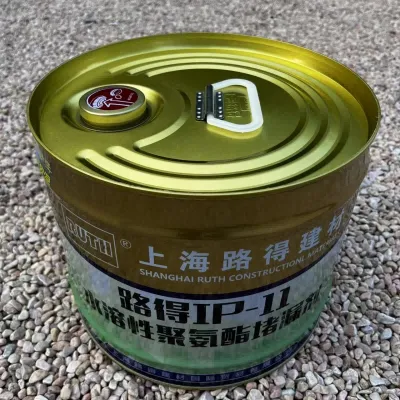
Concrete structures face constant environmental pressures that create cracks and deterioration over time. Water infiltration through these openings compromises structural integrity and accelerates damage. Polyurethane Injection Grout has become the preferred solution for sealing concrete cracks and leaking joints in industrial, commercial, and residential applications. This advanced repair material expands and fills void spaces, providing long-lasting protection against water penetration and structural failure.

The polyurethane injection grout market has expanded significantly as building owners recognize the limitations of traditional repair methods. Epoxy systems and cement-based products often fail in wet conditions or lack the flexibility needed for dynamic crack movement. Polyurethane injection grout systems overcome these challenges through superior water resistance, flexible curing, and reliable long-term performance. Understanding how this technology works, when to apply it, and what results to expect enables facility managers to make informed repair decisions that reduce future maintenance costs.
Understanding Polyurethane Injection Grout Technology
How Polyurethane Injection Grout Works
Polyurethane injection grout consists of reactive polyurethane compounds that expand and harden when injected into concrete cracks and joints. The material reacts with moisture present in the concrete, triggering a chemical expansion that forces the grout deep into fractures and voids. This hydrophilic reaction creates a seal that blocks water flow while maintaining flexibility to accommodate concrete movement. The resulting polyurethane injection grout layer bonds securely to surrounding concrete, creating a permanent waterproof barrier that withstands freeze-thaw cycles and chemical exposure.
Key Properties and Performance Characteristics
Polyurethane injection grout exhibits exceptional water resistance, remaining impermeable even under sustained hydrostatic pressure. The material cures rapidly, often achieving structural strength within hours rather than days, which minimizes downtime for repair sites. Its flexibility accommodates concrete movement without cracking or losing its seal, a critical advantage in structures subject to vibration, thermal cycling, or foundation settling. Chemical resistance makes polyurethane injection grout suitable for environments exposed to oils, salts, and industrial contaminants. The material also withstands ultraviolet exposure and temperature extremes ranging from subzero conditions to high-heat industrial settings.
Applications for Concrete Crack and Joint Sealing
Crack Repair and Structural Restoration
Active concrete cracks demand immediate attention to prevent water entry and structural deterioration. Polyurethane injection grout penetrates hairline fractures and wider cracks, sealing them from the inside out. This approach works effectively on both passive and active cracks because the material expands to fill irregular crack geometries. Parking structures, basements, and below-grade foundations benefit significantly from polyurethane injection grout technology, as these areas face constant moisture challenges. The repair extends structural life and eliminates costly recurrence of water damage and mold growth.
Leaking Joint Management
Construction joints, expansion joints, and control joints represent common water entry points in concrete structures. Polyurethane injection grout seals these interfaces, preventing water from flowing along joint planes into lower levels. Injection creates a continuous waterproof zone that bridges the joint space, accommodating seasonal movement while maintaining the seal. This application protects building interiors from water intrusion and prevents undermining of foundations and supporting elements. Bridge decks, parking garages, and commercial buildings regularly employ polyurethane injection grout for joint sealing as part of preventive maintenance programs.
Implementation Methods and Best Practices
Injection Procedures and Equipment Requirements
Successful polyurethane injection grout application requires proper equipment and technique. Low-pressure injection systems typically deliver the material at pressures between 40 and 100 psi, pushing grout into cracks without damaging surrounding concrete. Injection ports are drilled or installed along the crack line at intervals determined by crack width and depth. The polyurethane injection grout flows into open fractures, displacing water and air as pressure increases. For wider cracks and joints, equipment operators may install multiple injection points to ensure complete filling and eliminate voids. Portable injection units allow field application at repair sites, while larger operations benefit from truck-mounted systems for high-volume work.
Surface Preparation and Quality Control
Effective crack repair with polyurethane injection grout begins with thorough surface cleaning to remove debris, loose concrete, and contaminants. Concrete surfaces should be slightly damp but not saturated before injection begins. Sealing surface-level crack openings with polyurethane injection grout sealant prevents the material from extruding outward during pressurization. Quality control involves monitoring injection pressure, flow rate, and final cure time to confirm complete crack filling. Testing methods such as leak detection and ultrasonic scanning verify seal integrity. Documentation of injection procedures, material batches, and cure times supports quality assurance and facilitates future maintenance planning.
Advantages Over Traditional Repair Methods
Comparison with Epoxy and Cement-Based Systems
Epoxy-based crack sealers work well in dry environments but fail when significant moisture is present. The epoxy bonds less effectively to damp concrete, leading to premature seal failure. Cement-based grouts offer economy but lack flexibility and water resistance, crumbling under freeze-thaw stress. Polyurethane injection grout outperforms both options in wet conditions and dynamic environments because it cures through moisture-activated reactions. The flexible polymer matrix accommodates concrete movement without developing new cracks in the repair material itself. Long-term field performance demonstrates that polyurethane injection grout delivers superior durability, justifying the higher material cost through extended service life.
Cost-Benefit Analysis and Return on Investment
Initial material and labor costs for polyurethane injection grout exceed those of traditional repair methods by approximately 20 to 40 percent. However, the extended service life, reduced maintenance frequency, and prevention of secondary damage provide substantial cost savings over the building lifecycle. A single polyurethane injection grout seal typically lasts 15 to 25 years, whereas cement-based repairs require replacement every 3 to 7 years. Preventing water intrusion eliminates interior damage, mold remediation, and structural repairs that would cost tens of thousands of dollars. For facility managers responsible for long-term building performance and maintenance budgets, polyurethane injection grout represents a sound investment.
FAQ
Can polyurethane injection grout be applied to actively leaking cracks?
Yes, polyurethane injection grout is specifically designed for wet crack conditions. The moisture in actively leaking cracks actually triggers the chemical reaction that causes the material to expand and cure. Injection into wet cracks may require surface sealing and modified pressure protocols, but the technology reliably stops water flow even in challenging high-moisture environments. Contractors should allow adequate drying time between injection stages when dealing with very wet conditions.
How long does polyurethane injection grout take to cure?
Polyurethane injection grout typically achieves initial set within 15 to 30 minutes and full structural strength within 4 to 8 hours, depending on temperature and humidity. This rapid cure time allows facility operators to return structures to service quickly. Temperature and moisture levels influence cure speed, with warmer, more humid conditions generally accelerating the reaction. Complete hardening and maximum water resistance develop over 24 to 48 hours after injection.
What crack widths can polyurethane injection grout effectively seal?
Polyurethane injection grout effectively seals cracks ranging from hairline fractures (less than 1 millimeter) to cracks wider than 1 inch. The material's low viscosity allows penetration into fine cracks while its expansion capability fills larger voids. Cracks wider than 2 inches may require preliminary repair or surface sealing before polyurethane injection grout application. The selection of injection ports and pressure settings is adjusted based on crack geometry to ensure complete filling.