
 EN


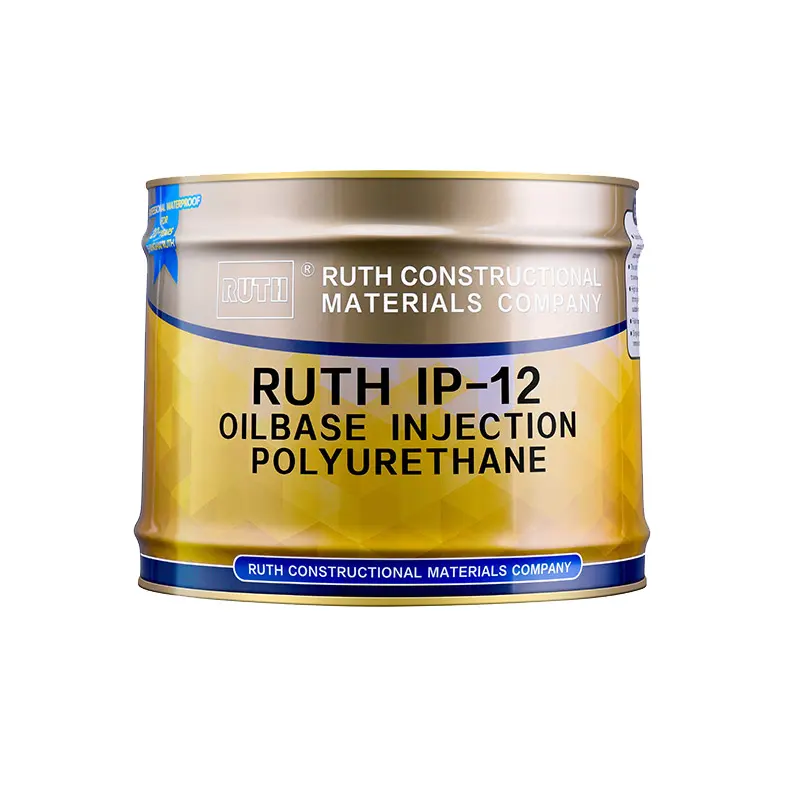
The reaction time of hydrophobic polyurethane injection grout is a critical parameter that directly impacts construction timelines, structural integrity, and project costs. Understanding the factors that influence this reaction time enables contractors, engineers, and material specialists to optimize application sequences, ensure proper curing, and achieve predictable performance outcomes in waterproofing, structural repairs, and ground stabilization projects.
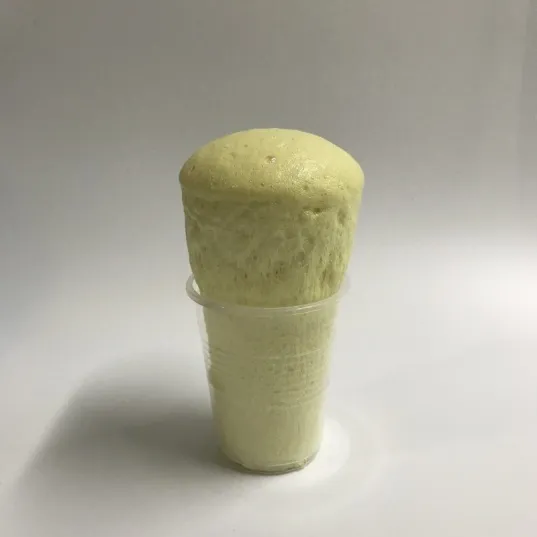
Hydrophobic polyurethane injection grouts operate through rapid polymerization chemistry, where precursor components react and cross-link to form a rigid or semi-rigid foam structure. The speed and character of this reaction depend on multiple interrelated physical, chemical, and environmental variables. Professionals working with polyurethane grout systems must recognize these dependencies to predict gel times, working windows, and final strength development with confidence.
Temperature and Its Dominant Role
Primary Temperature Effects on Polyurethane Reaction Kinetics
Temperature stands as the single most influential factor governing hydrophobic polyurethane injection reaction rates. Higher ambient and substrate temperatures accelerate molecular motion and collision frequency, which speeds up the polyol-isocyanate reaction that defines polyurethane formation. A rise of even 10 degrees Celsius can halve or quarter the gel time, potentially reducing working windows from minutes to seconds and making application control significantly more challenging.
Conversely, cold conditions dramatically slow hydrophobic polyurethane injection reactions. Below 5 degrees Celsius, gelation may take hours instead of minutes, extending working time but delaying strength gain and increasing susceptibility to premature movement or water exposure before cure completes. Field teams must therefore maintain strict temperature monitoring and adjust material ratios or use heated components to maintain consistent reaction behavior across seasonal and geographic conditions.
Substrate Temperature Variations
The temperature of the substrate into which polyurethane grout is injected often differs from ambient air temperature. Concrete, soil, or masonry may retain thermal mass that creates localized conditions distinct from surface measurements. Injecting hydrophobic polyurethane injection grout into warm, sun-exposed substrates will accelerate reaction onset compared to injection into shaded or below-grade locations, even when ambient conditions appear identical, leading to inconsistent performance if site-specific adjustments are not made.
Moisture Content and Water Interaction
Water as a Chain Extender and Reaction Accelerant
Moisture in the substrate, surrounding air, or injected materials acts as both a reaction catalyst and a structural participant in hydrophobic polyurethane injection chemistry. Water molecules react with isocyanate groups to generate carbon dioxide and urea linkages, accelerating overall polymerization while simultaneously producing the blowing gas that creates foam structure. High moisture environments therefore produce faster gel times and more aggressive foam expansion, which can be beneficial for void filling but problematic if uncontrolled expansion forces grout prematurely out of the injection zone or compromises neighboring structures.
Hydrophobic polyurethane injection formulations are specifically engineered to tolerate or exploit moisture presence. Their inherent water resistance allows them to cure and harden even in damp or actively wet conditions, whereas standard polyurethane materials would fail or degrade. However, excess moisture or water ingress during application can trigger premature gelation, reduce working time, and create weak, foam-heavy products with poor compressive strength if the moisture levels exceed design parameters.
Substrate Dryness and Reaction Control
Conversely, excessively dry substrates may result in slower hydrophobic polyurethane injection reaction times and reduced foam expansion, as the isocyanate groups lack sufficient water to trigger the secondary reactions that produce gas and secondary polyols. This can lead to denser, more rigid end products with extended cure times, potentially reducing the speed at which areas can be reopened to traffic or service. Optimal moisture levels typically exist in a defined range where reaction kinetics remain predictable and material properties meet design specifications.
Chemical Composition and Additive Systems
Formulation Chemistry and Catalyst Influence
The base polyol and isocyanate chemistry, along with intentional catalyst additions, directly controls the reaction exotherm and gelation timeline of hydrophobic polyurethane injection materials. Amine-based catalysts are commonly employed to accelerate isocyanate reactions, with different amine types offering varying acceleration profiles. Selecting catalyst type and loading allows material chemists to tailor hydrophobic polyurethane injection systems to meet specific application windows, ranging from rapid-set formulations designed for fast-moving water control to slower systems suitable for large-volume, low-pressure injection campaigns.
The ratio of reactive components also influences reaction kinetics. Stoichiometric balance between polyols and isocyanates affects the extent and speed of cross-linking. Deviations from optimal ratios can produce incomplete reactions, residual unreacted materials, or excessively fast or slow curing. Material suppliers formulate hydrophobic polyurethane injection products to maintain consistent performance, but field technicians must follow prescribed mixing ratios and component temperatures to preserve designed reaction characteristics.
Additives for Reaction Time Control
Specialty additives such as reaction retarders or accelerators allow fine-tuning of hydrophobic polyurethane injection behavior without altering the base formulation. Retarders extend gel times by competing with primary catalysts or consuming reactive species, useful when environmental temperatures are higher than anticipated or when extended working time is required. Accelerators are conversely used in cool or humid conditions to ensure adequate reaction speed and timely strength development, preventing extended weak-state periods where injected grout remains vulnerable to disturbance.
pH and Environmental Conditions
pH Effects on Polyurethane Polymerization
The acidity or alkalinity of the substrate influences hydrophobic polyurethane injection reaction rates through its effect on available reactive species and catalyst efficiency. Highly alkaline environments, common in fresh concrete, can accelerate amine-catalyzed reactions, potentially creating unexpectedly rapid gelation. Acidic substrates may slow reactions or interfere with certain catalyst mechanisms. Professionals must therefore evaluate substrate pH before application and adjust system selection or additive dosing accordingly to maintain predictable reaction timelines and avoid field failures caused by unexpected acceleration or stalling.
Atmospheric Humidity and Pressure
Relative humidity affects the moisture available for reaction and the rate of water uptake into injected grout. High-humidity environments increase water availability, potentially accelerating hydrophobic polyurethane injection reactions beyond design parameters. Atmospheric pressure, while generally a minor factor, can influence gas evolution rates during foaming and affect the transport properties of unreacted components into fissures or voids, indirectly modulating effective reaction time and foam distribution quality.
FAQ
What is the typical working window for hydrophobic polyurethane injection grout?
Typical working windows range from 3 to 15 minutes depending on temperature, formulation, and environmental moisture. Warm conditions or high moisture can compress working time to 2–3 minutes, while cold, dry environments may extend it to 20 minutes or longer. Always consult product data sheets and conduct field trials to confirm timing for your specific conditions.
Can hydrophobic polyurethane injection be used in wet substrates?
Yes, hydrophobic polyurethane injection is specifically designed to function in wet conditions. Its water-resistant chemistry allows it to cure and harden even with active water flow or damp substrates. However, extreme moisture may accelerate reactions and affect workability, so controlling water flow during application is still recommended for best results.
How does temperature affect the final strength of hydrophobic polyurethane injection grout?
Ambient temperature during cure influences hydrophobic polyurethane injection final strength development. Cold curing can result in extended strength gain timelines and potentially lower ultimate compressive strength if curing is incomplete. Warm conditions accelerate strength development but must remain within safe ranges to avoid thermal stress. Maintaining temperatures between 10–25 degrees Celsius is generally optimal for achieving specified strength properties.