
 EN


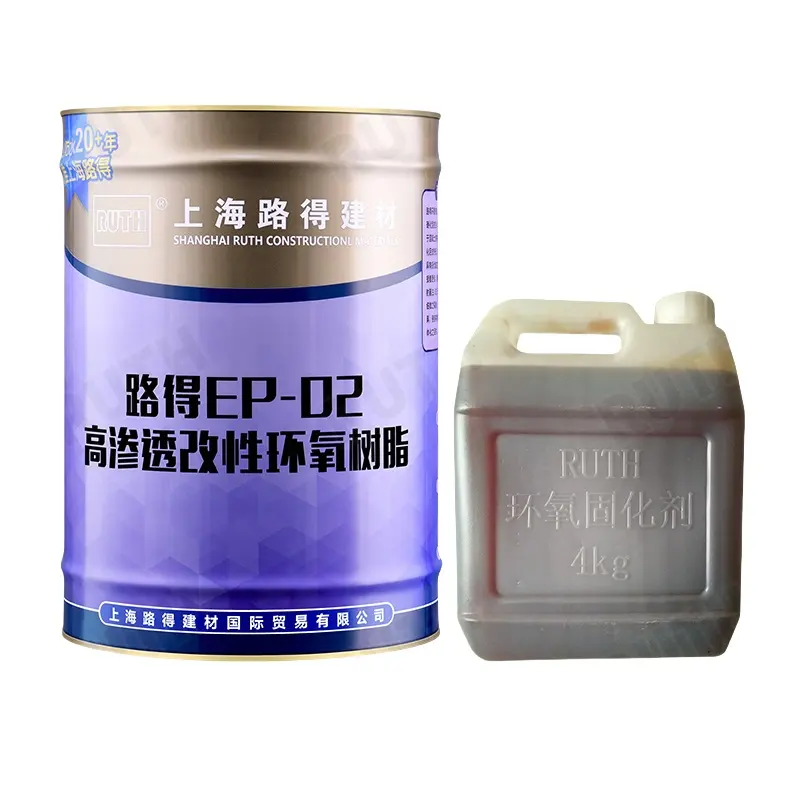
Curtain grouting represents a critical sealing technique in modern construction and mining operations, where preventing water infiltration and stabilizing rock formations demand precision and reliability. Acrylate Resin has emerged as a leading material choice for this application, offering superior performance characteristics that traditional cementitious grouts cannot match. The chemical properties of acrylate resin allow engineers to achieve faster setting times, enhanced flexibility, and superior adhesion to diverse substrate surfaces. Understanding how this advanced material performs in curtain grouting applications helps construction professionals select the right solution for complex sealing challenges.
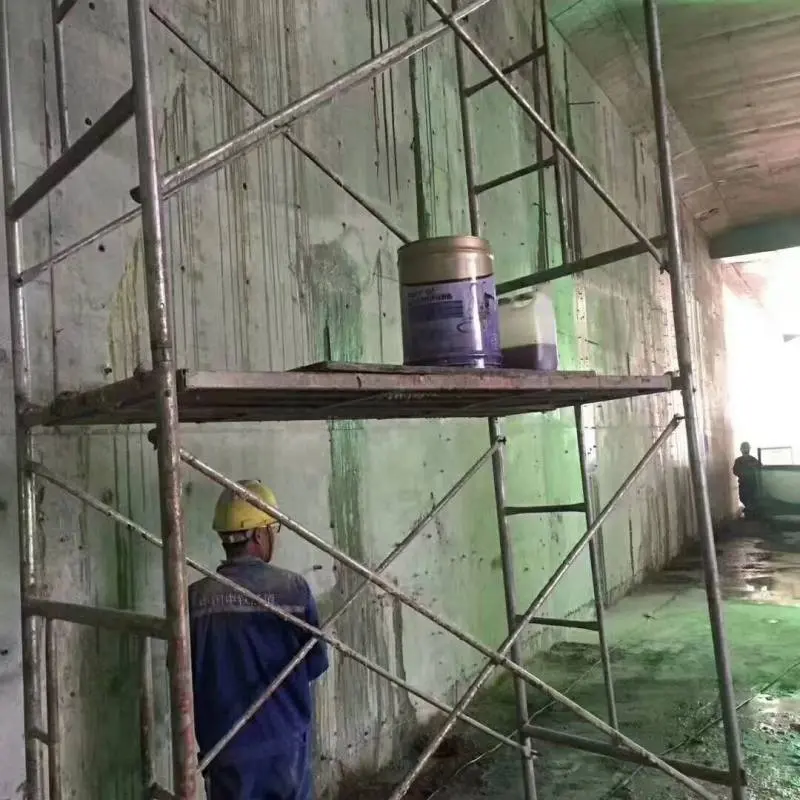
The adoption of acrylate resin in curtain grouting workflows reflects the construction industry's shift toward materials that deliver measurable cost and performance advantages. Unlike conventional grouts that require extended curing periods and show vulnerability to aggressive chemical environments, acrylate-based systems provide rapid strength development and long-term durability. Project timelines compress when faster set times reduce waiting periods between successive grouting phases. Environmental exposure, temperature fluctuations, and substrate variability—all common challenges in underground and surface construction—are managed more effectively with acrylate resin formulations.
Key Performance Advantages of Acrylate Resin in Curtain Grouting
Rapid Curing and Strength Development
One of the most compelling reasons engineers specify acrylate resin for curtain grouting projects is the dramatically accelerated curing schedule compared to cementitious alternatives. Acrylate resin systems can achieve usable strength within hours rather than days, allowing contractors to advance subsequent construction phases without extended downtime. This rapid strength development stems from the chemical reaction mechanism unique to acrylate polymers, which polymerize through free-radical initiation rather than hydration-based hardening. The practical benefit translates directly to schedule compression and reduced labor costs on job sites where time represents significant expense.
Superior Chemical Resistance and Durability
Curtain grouting often occurs in environments exposed to aggressive groundwater, mineral-rich seepage, and varying pH conditions that degrade conventional materials over time. Acrylate resin demonstrates exceptional resistance to these chemical challenges, maintaining structural integrity and sealing performance across decades of exposure. The polymer matrix resists sulfate attack, acid penetration, and salt crystallization far more effectively than cement-based grouts. For infrastructure projects where long-term performance determines overall project viability, this chemical resistance becomes a decisive selection factor that justifies material cost premiums.
Applications of Acrylate Resin in Curtain Grouting Operations
Underground Excavation and Tunnel Construction
Tunnel construction projects routinely encounter unpredictable groundwater conditions and fractured rock formations where conventional grouting proves insufficient. Acrylate resin application in these settings provides precise control over sealing and stabilization simultaneously. The material penetrates fine fractures more effectively due to lower viscosity formulations, achieving complete void filling without segregation. Engineers can adjust acrylate resin viscosity through catalytic control, tailoring application parameters to specific geological conditions encountered along tunnel lengths. Mining operations similarly benefit from acrylate resin's performance, where pre-grouting before mining face advance reduces water inflow and enhances worker safety by stabilizing unstable zones.
Foundation Underpinning and Ground Stabilization
Existing structures often require foundation underpinning when settlement or subsidence threatens structural integrity. Acrylate resin provides a precise injection medium that fills void spaces under existing foundations without causing disruption or vibration. The material's compatibility with existing concrete and masonry elements ensures long-term bond integrity without differential movement or cracking. Building retrofits and historic structure preservation projects particularly benefit from acrylate resin's minimally disruptive application characteristics and high-precision controllability.
Environmental and Economic Benefits of Acrylate Resin Selection
Sustainability and Environmental Compliance
Modern construction increasingly prioritizes sustainable material selection and environmental compliance throughout project lifecycles. Acrylate resin systems offer environmental advantages over traditional cement-based alternatives through reduced material volumes, lower carbon footprint per unit of performance, and minimal waste generation. The polymer-based chemistry eliminates alkaline leachate concerns associated with cement hydration, reducing potential groundwater contamination risks. Environmental regulations in many jurisdictions increasingly favor acrylate resin specifications for subsurface injection applications precisely because environmental risk profiles are substantially lower than conventional alternatives.
Cost-Effectiveness Through Extended Service Life
While acrylate resin typically carries higher material costs per unit volume than basic cementitious grouts, lifecycle cost analysis consistently demonstrates economic superiority for curtain grouting applications. Reduced maintenance requirements, extended service intervals, and elimination of re-grouting cycles over 30+ year periods result in total cost of ownership substantially lower than conventional approaches. Faster project completion also reduces indirect costs associated with extended site overhead and equipment mobilization. Quantifying these economic benefits requires project-specific analysis, but industrial data consistently shows that acrylate resin investments generate positive returns within 5–10 year periods through operational and maintenance savings.
FAQ
What distinguishes acrylate resin from traditional cement-based grouting materials?
Acrylate resin cures through polymerization rather than hydration, delivering significantly faster strength development and superior chemical resistance. The polymer-based chemistry provides flexibility that rigid cement cannot match, reducing cracking risk under thermal cycling and differential movement. Acrylate resin also penetrates finer fractures due to lower viscosity control options, achieving more complete void filling in complex geological conditions. These fundamental differences make acrylate resin particularly suitable for challenging subsurface environments where conventional materials exhibit limitations.
How does acrylate resin perform in high-temperature or chemically aggressive environments?
Acrylate resin maintains stable performance across wider temperature ranges than conventional grouts, with formulations available for extreme thermal conditions. The polymer matrix resists sulfate attack, acid exposure, and salt crystallization that progressively degrade cement-based alternatives over time. Industrial applications in geothermal environments, mining operations with acidic seepage, and coastal infrastructure exposed to salt spray all demonstrate acrylate resin's superior durability. Specific temperature limits depend on formulation selection, with engineered systems available for temperatures exceeding 80 degrees Celsius.
What factors should guide decisions about acrylate resin versus alternative grouting technologies?
Project-specific geological conditions, groundwater chemistry, required set times, and budget constraints all influence technology selection for curtain grouting applications. Acrylate resin becomes the preferred choice when rapid strength development, extended service life, or chemically aggressive environments dominate project requirements. Conventional cementitious grouts may remain appropriate for simpler applications where cost minimization outweighs performance considerations. Detailed site investigation, hydrogeological assessment, and cost-benefit analysis should precede final material selection to ensure optimal performance and value across the project lifecycle.