Professional Bridge Deck Crack Injection Services - Expert Concrete Repair Solutions

Get a Free Quote

Email
Name
Company Name
Message
0/1000

bridge deck crack injection

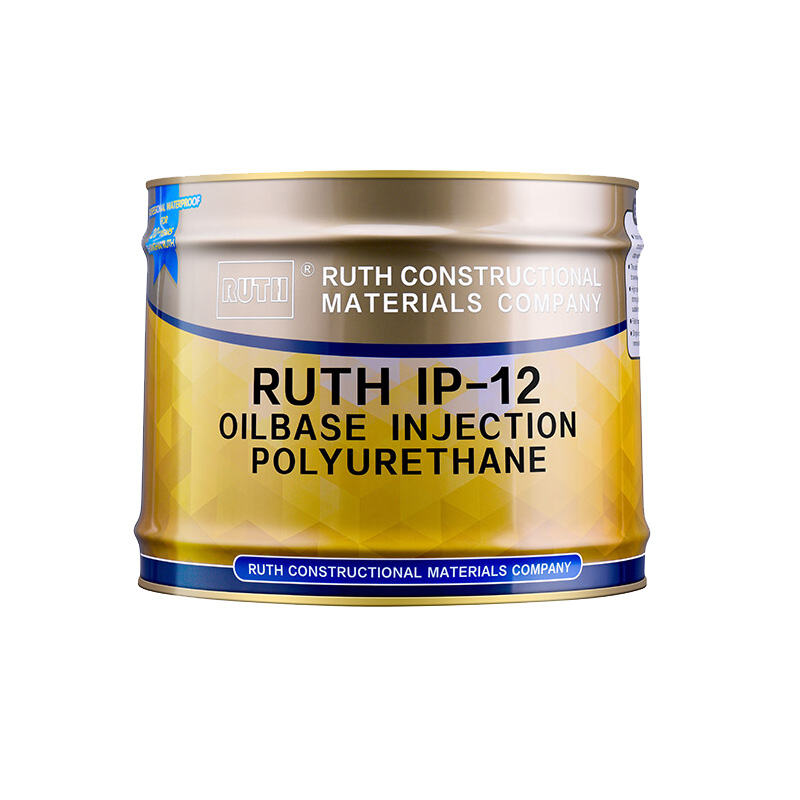
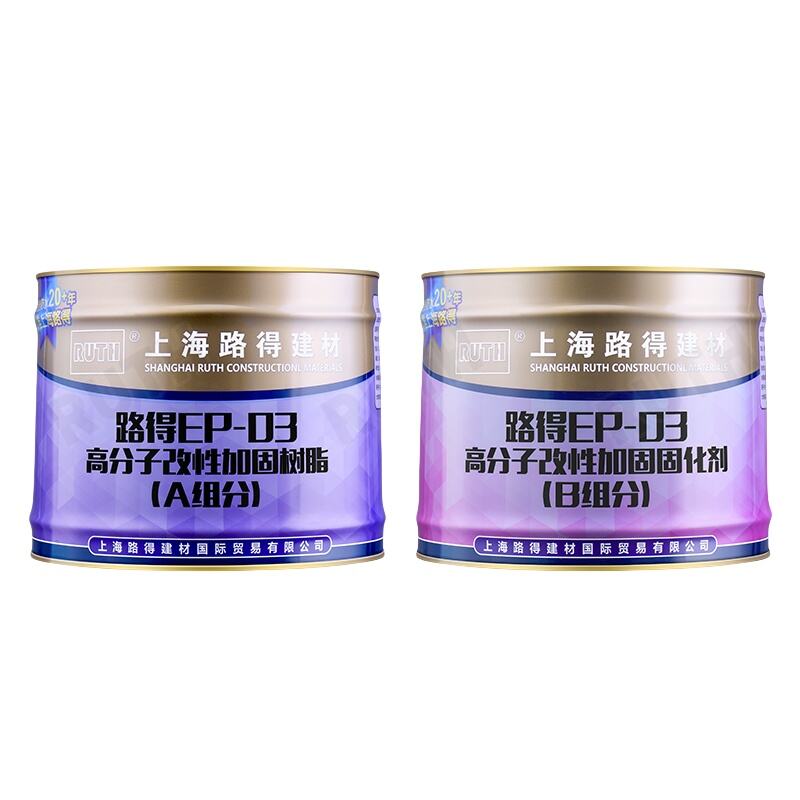
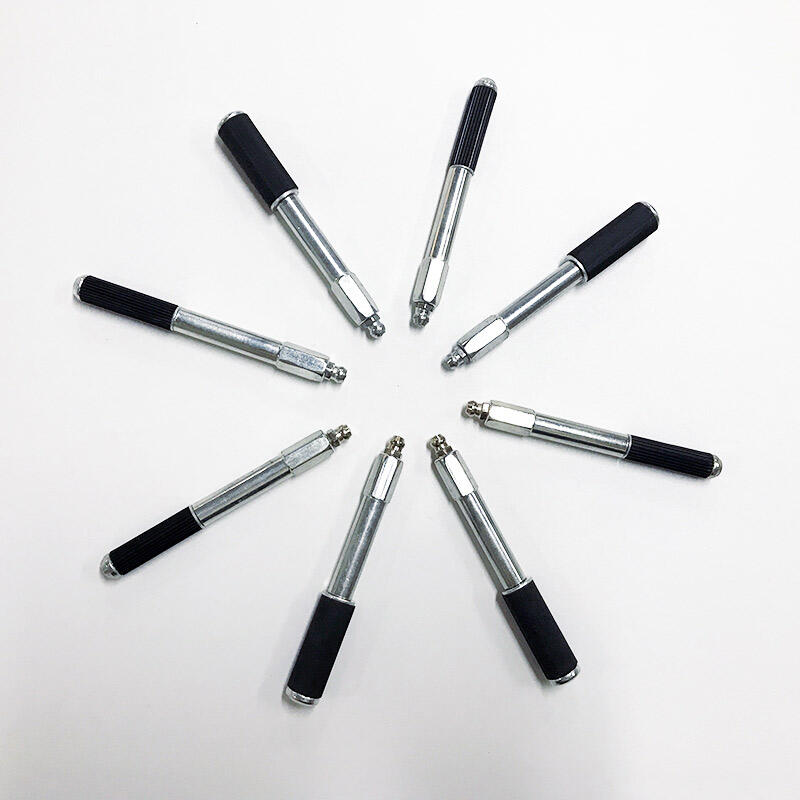
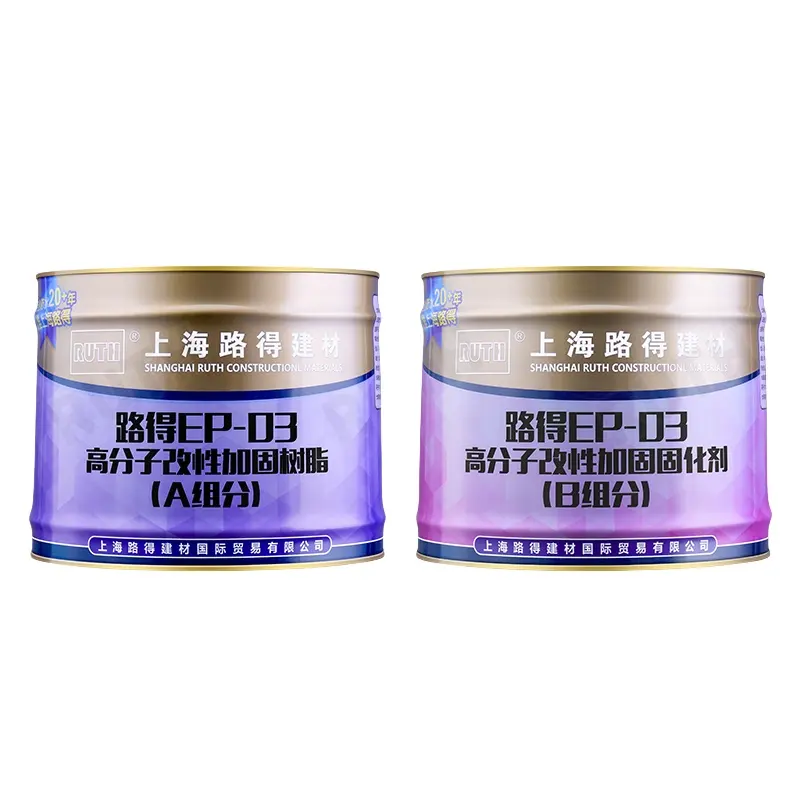
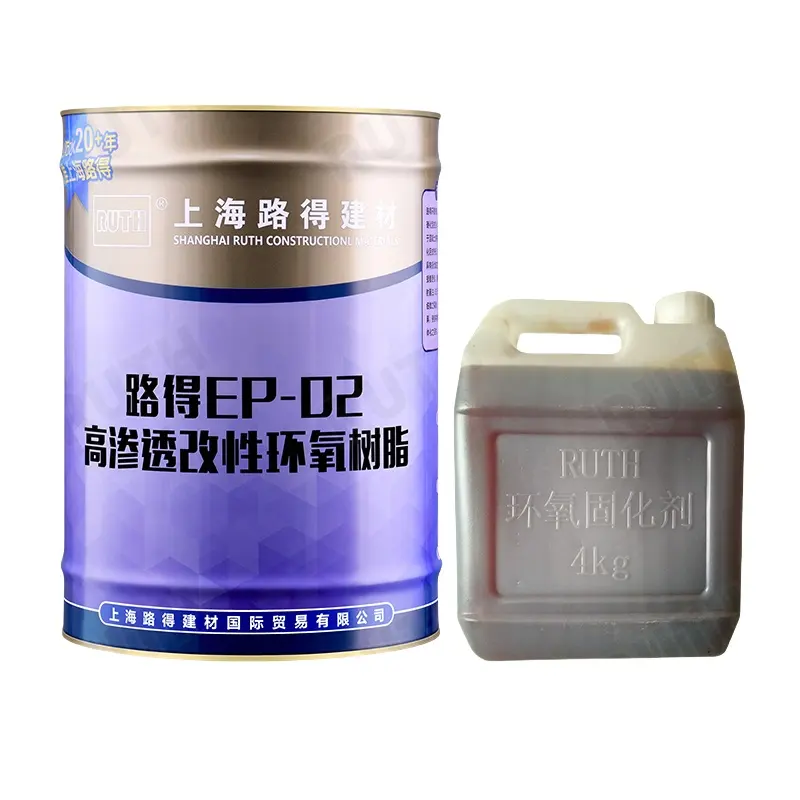
Bridge deck crack injection represents a crucial maintenance technology designed to restore structural integrity and extend the service life of concrete bridge decks. This specialized repair method involves injecting high-performance materials into cracks that develop within bridge deck surfaces, effectively sealing and strengthening compromised areas. The bridge deck crack injection process addresses various types of damage, including shrinkage cracks, load-induced fractures, and environmental deterioration that commonly affect concrete infrastructure. The technology utilizes advanced injection systems that deliver precise amounts of repair materials directly into crack networks, ensuring complete penetration and optimal bonding with existing concrete. Modern bridge deck crack injection techniques employ pressure-controlled equipment that can accommodate different crack widths and depths, ranging from hairline fractures to more substantial structural gaps. The injection materials typically consist of specialized epoxy resins, polyurethane compounds, or cementitious grouts, each selected based on specific crack characteristics and environmental conditions. These materials possess exceptional adhesive properties, chemical resistance, and durability to withstand heavy traffic loads and harsh weather exposure. The bridge deck crack injection procedure begins with thorough crack assessment and cleaning, followed by strategic placement of injection ports along the crack path. Professional technicians then introduce the repair material under controlled pressure, monitoring the injection process to ensure complete fill and proper material distribution. Quality control measures include visual inspection, pressure testing, and sometimes non-destructive evaluation methods to verify injection effectiveness. This maintenance approach proves particularly valuable for aging infrastructure where complete deck replacement would be prohibitively expensive or logistically challenging. Bridge deck crack injection can be performed with minimal traffic disruption, making it an attractive option for busy transportation corridors. The technology has evolved significantly over recent decades, incorporating improved material formulations and more sophisticated injection equipment that delivers consistent, reliable results across various project scales and complexity levels.


New Products

Bridge deck crack injection offers numerous practical benefits that make it an ideal solution for infrastructure maintenance and repair projects. The most significant advantage lies in its cost-effectiveness compared to complete bridge deck replacement, which can cost hundreds of thousands of dollars and require extended construction periods. This repair method typically costs only a fraction of replacement expenses while delivering comparable performance improvements and service life extension. The speed of implementation represents another major benefit, as bridge deck crack injection projects can often be completed within days rather than months required for full reconstruction. This rapid turnaround minimizes traffic disruptions and reduces the economic impact on local communities and businesses that depend on uninterrupted transportation access. The injection process requires minimal excavation or demolition work, eliminating the need for heavy machinery and reducing environmental disturbance significantly. Traffic management becomes much simpler since most bridge deck crack injection work can be performed under lane restrictions rather than complete closures, maintaining essential connectivity during repair operations. The versatility of injection materials allows technicians to address various crack types and sizes using the same basic methodology, making it suitable for different bridge designs and concrete compositions. Material durability ensures that properly executed bridge deck crack injection repairs can last for decades under normal service conditions, providing excellent return on investment for infrastructure owners. The injection process creates watertight seals that prevent moisture infiltration, which is crucial for preventing freeze-thaw damage and reinforcement corrosion in northern climates. Quality control measures enable real-time monitoring of injection progress, ensuring complete crack filling and optimal material placement throughout the repair zone. The technology adapts well to different weather conditions and can be performed year-round with appropriate material selections and installation procedures. Bridge deck crack injection also supports proactive maintenance strategies by addressing minor damage before it progresses to more severe structural problems. The repair method integrates seamlessly with other maintenance activities, allowing transportation agencies to coordinate multiple improvement projects efficiently. Long-term monitoring data consistently demonstrates the effectiveness of bridge deck crack injection in restoring structural capacity and preventing further deterioration, making it a proven solution for infrastructure preservation programs.

Tips And Tricks

How Do Large Projects Benefit from Hydrophobic Polyurethane Grouting?

16

Feb

How Do Large Projects Benefit from Hydrophobic Polyurethane Grouting?

Large-scale construction and infrastructure projects face numerous challenges when it comes to water infiltration and structural integrity. From underground tunnels and basements to industrial facilities and marine structures, preventing water damage...
View More
What Are the Injection Requirements for Hydrophobic Polyurethane Materials?

20

Feb

What Are the Injection Requirements for Hydrophobic Polyurethane Materials?

Understanding the injection requirements for hydrophobic polyurethane materials is crucial for successful waterproofing and structural repair applications. These specialized materials offer exceptional resistance to water penetration while maintainin...
View More
Why Is Hydrophobic Polyurethane Suitable for Permanent Waterproofing?

16

Mar

Why Is Hydrophobic Polyurethane Suitable for Permanent Waterproofing?

In the construction and infrastructure industry, achieving long-lasting waterproofing solutions remains a critical challenge for engineers and contractors worldwide. Traditional waterproofing methods often fall short when exposed to harsh environment...
View More
How Do Contractors Choose Hydrophilic Polyurethane for Wet Conditions?

25

Mar

How Do Contractors Choose Hydrophilic Polyurethane for Wet Conditions?

Waterproofing in wet conditions presents unique challenges that demand specialized solutions. When contractors face persistent moisture issues, concrete joints, and foundation leaks, selecting the right sealant becomes critical for project success. H...
View More

Get a Free Quote

Email
Name
Company Name
Message
0/1000

bridge deck crack injection

Advanced Injection Technology Ensures Complete Crack Penetration

Advanced Injection Technology Ensures Complete Crack Penetration

The sophisticated injection technology employed in bridge deck crack injection systems represents a significant advancement in concrete repair methodology, delivering unprecedented precision and reliability in crack treatment applications. Modern injection equipment utilizes computer-controlled pressure regulation that automatically adjusts delivery parameters based on real-time feedback from the crack network, ensuring optimal material distribution throughout the entire fracture system. This advanced technology eliminates the guesswork traditionally associated with crack injection by providing continuous monitoring of injection pressures, flow rates, and material volumes during the repair process. The automated systems can detect resistance changes within the crack structure and modify injection parameters accordingly, preventing material waste and ensuring complete penetration even in complex crack patterns with multiple branches and varying widths. High-resolution pressure sensors integrated into the injection equipment provide immediate feedback when cracks become fully saturated with repair material, preventing over-injection that could damage surrounding concrete or create hydrostatic pressure problems. The technology accommodates various injection materials, from low-viscosity epoxy resins that penetrate hairline cracks to thicker polyurethane compounds suitable for wider structural gaps, all while maintaining precise control over delivery parameters. Temperature compensation features built into modern injection systems automatically adjust material properties and injection rates based on ambient conditions, ensuring consistent performance across different weather scenarios and seasonal variations. The equipment includes specialized pump systems designed specifically for bridge deck crack injection applications, featuring variable displacement capabilities that can deliver materials at pressures ranging from minimal levels for delicate repairs to higher pressures required for deep crack networks. Digital display interfaces provide operators with real-time data visualization, enabling them to monitor injection progress and make informed decisions about material placement and pressure adjustments throughout the repair process. Quality assurance features include automatic data logging that creates permanent records of injection parameters, providing valuable documentation for warranty purposes and future maintenance planning activities.
Superior Material Performance Delivers Long-Term Durability

Superior Material Performance Delivers Long-Term Durability

The exceptional material performance characteristics of modern bridge deck crack injection compounds provide superior long-term durability that significantly exceeds traditional repair methods in both strength and environmental resistance. These advanced materials undergo rigorous testing protocols that evaluate their performance under various loading conditions, temperature cycles, and chemical exposure scenarios typically encountered in bridge environments. High-strength epoxy formulations used in bridge deck crack injection applications achieve compressive strengths that match or exceed the original concrete, ensuring that repaired areas do not become weak points susceptible to future cracking or structural failure. The materials exhibit excellent adhesion properties that create strong mechanical and chemical bonds with existing concrete surfaces, effectively integrating the repair into the original structure and distributing loads uniformly across the treated area. Flexibility characteristics built into these injection materials allow them to accommodate thermal expansion and contraction cycles without developing new cracks or losing adhesion to the parent concrete, which is crucial for maintaining repair integrity over decades of service. Chemical resistance properties protect against chloride penetration, acid rain exposure, and de-icing salt contamination that commonly cause concrete deterioration in bridge environments, significantly extending the service life of treated structures. The materials demonstrate excellent fatigue resistance under repeated loading cycles from heavy traffic, maintaining their structural properties and crack-sealing effectiveness even after millions of load applications over many years of service. Waterproofing capabilities provided by bridge deck crack injection materials create impermeable barriers that prevent moisture infiltration, which is essential for protecting embedded reinforcing steel from corrosion and preventing freeze-thaw damage in cold climates. UV stability ensures that injection materials exposed to sunlight maintain their properties without degradation, discoloration, or loss of structural performance over extended periods. Low-temperature performance characteristics allow these materials to remain flexible and maintain their sealing properties even in extreme cold conditions, preventing brittle failure that could compromise repair effectiveness. The materials also demonstrate excellent compatibility with various concrete types and ages, ensuring successful repairs regardless of the original construction materials or methods used in the bridge deck.
Minimal Traffic Disruption Maximizes Operational Efficiency

Minimal Traffic Disruption Maximizes Operational Efficiency

Bridge deck crack injection delivers exceptional operational efficiency by minimizing traffic disruption while maintaining the highest standards of repair quality and safety, making it the preferred choice for transportation agencies managing busy infrastructure networks. The streamlined repair process typically requires only single-lane closures or brief traffic diversions rather than complete bridge shutdowns, allowing continued traffic flow throughout most of the repair operation and reducing the economic impact on commercial transportation and daily commuters. Rapid mobilization capabilities enable bridge deck crack injection crews to establish work zones quickly and begin repairs within hours of arrival, significantly reducing the time between problem identification and repair completion compared to traditional reconstruction methods that require extensive planning and staging periods. The injection process itself operates efficiently with minimal equipment footprints, allowing repair work to proceed in confined spaces without requiring large staging areas or extensive traffic control measures that would otherwise disrupt multiple traffic lanes or adjacent roadways. Flexible scheduling options accommodate peak traffic patterns by allowing repair work during off-hours, weekends, or planned maintenance windows, ensuring that critical transportation corridors remain operational during high-demand periods while still receiving necessary maintenance attention. Weather independence provides another operational advantage, as bridge deck crack injection can be performed under various conditions with appropriate material selections and protective measures, reducing weather-related project delays that commonly affect other repair methods. The technology supports phased repair approaches that allow large projects to be divided into manageable sections, enabling continuous traffic flow on portions of the bridge while repairs proceed on other areas, maintaining essential connectivity throughout the project duration. Quality control procedures integrate seamlessly with traffic management plans, allowing inspection and testing activities to occur within established work zones without requiring additional lane closures or traffic disruptions that would compound the project impact. Emergency repair capabilities make bridge deck crack injection particularly valuable for addressing sudden structural issues that require immediate attention, as the rapid deployment and execution timeline enables quick restoration of structural integrity without extended bridge closures that could severely impact regional transportation networks.

Get a Free Quote

Email
Name
Company Name
Message
0/1000
Newsletter
Please Leave A Message With Us