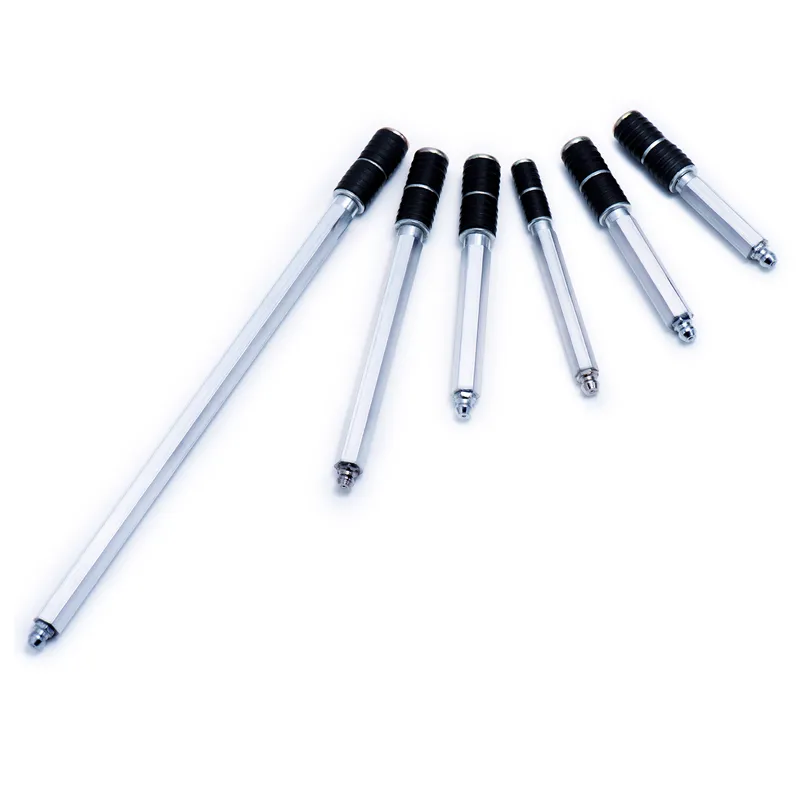
epoxy concrete joint filler
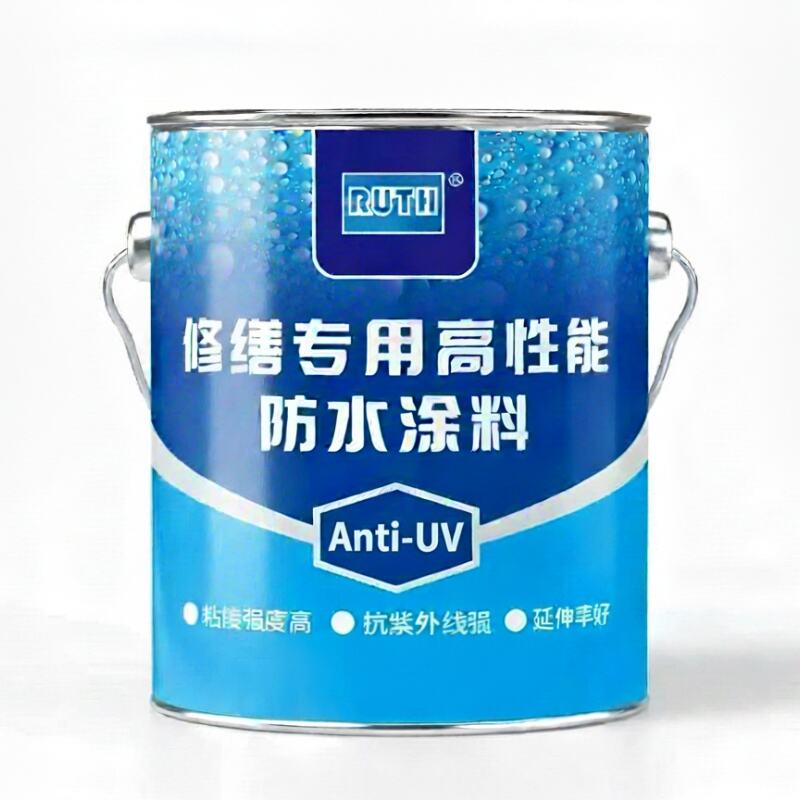
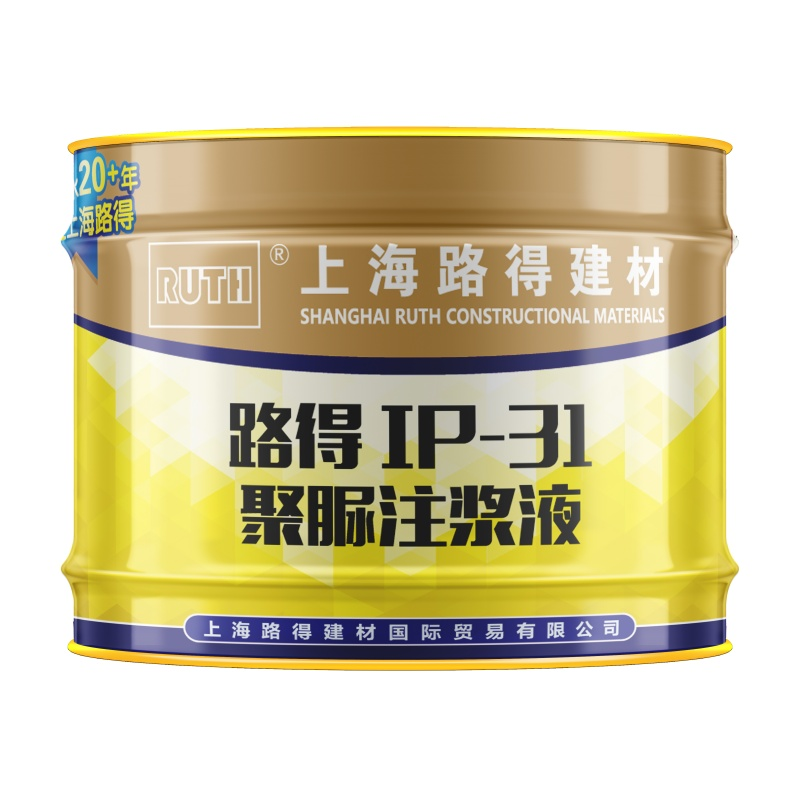
Epoxy concrete joint filler represents a revolutionary solution for addressing concrete expansion joints, cracks, and structural gaps in various construction applications. This specialized compound combines high-performance epoxy resins with carefully selected aggregates to create a durable, flexible, and long-lasting repair material. The primary function of epoxy concrete joint filler involves sealing and protecting concrete joints from water infiltration, chemical exposure, and mechanical stress while maintaining structural integrity. This advanced material serves as a protective barrier that prevents moisture penetration, freeze-thaw damage, and debris accumulation within concrete joints. The technological features of epoxy concrete joint filler include superior adhesion properties, excellent chemical resistance, and remarkable durability under extreme weather conditions. The formulation typically incorporates two-component systems that cure to form a strong, flexible bond with existing concrete surfaces. These products demonstrate exceptional load-bearing capacity and can accommodate structural movement without compromising their sealing effectiveness. Applications for epoxy concrete joint filler span numerous industries including commercial construction, industrial facilities, parking structures, highways, bridges, and residential projects. The material proves particularly valuable in environments subject to heavy traffic loads, chemical exposure, or temperature fluctuations. Manufacturing facilities, warehouses, airports, and marine structures benefit significantly from the protective qualities of epoxy concrete joint filler. The versatility of this material allows for both interior and exterior applications, making it suitable for floor joints, wall connections, expansion joints, and control joints. Professional contractors and facility managers rely on epoxy concrete joint filler to extend the service life of concrete structures while reducing maintenance costs and preventing costly structural damage.

 EN
EN