Professional Packer Injection Systems - Advanced Zone Treatment Technology Solutions

Get a Free Quote

Email
Name
Company Name
Message
0/1000

packer injection

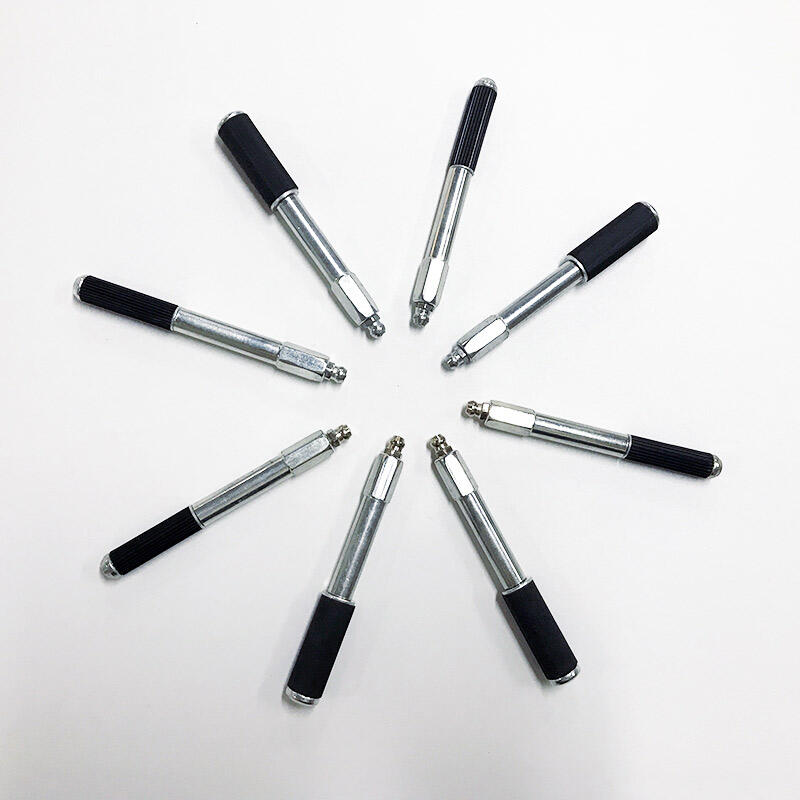
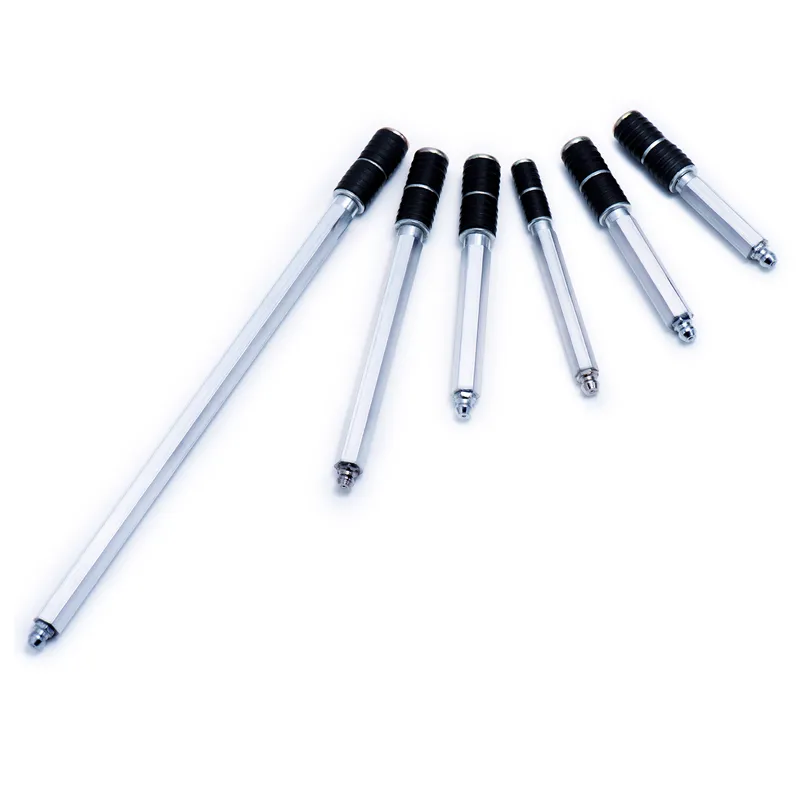
Packer injection technology represents a sophisticated solution for targeted subsurface treatment and remediation processes across various industrial applications. This advanced system utilizes specialized inflatable packers combined with precision injection equipment to deliver fluids, chemicals, or treatment materials directly to specific zones within boreholes, wells, or underground formations. The packer injection method involves deploying expandable rubber or elastomeric packers that create isolated sections within a wellbore, allowing for controlled and localized treatment of distinct geological layers or contaminated zones. The main functions of packer injection systems encompass environmental remediation, enhanced oil recovery, groundwater treatment, and geotechnical stabilization projects. These systems excel at isolating specific intervals within subsurface formations, preventing cross-contamination between different zones, and ensuring precise delivery of treatment materials exactly where needed. The technological features of packer injection equipment include pneumatically or hydraulically operated packers, high-pressure injection pumps, automated monitoring systems, and specialized downhole tools designed for various wellbore conditions. Modern packer injection systems incorporate advanced materials that resist chemical degradation, withstand extreme pressures, and maintain reliable sealing capabilities across diverse geological environments. The applications of packer injection technology span multiple industries including environmental consulting, petroleum engineering, mining operations, and civil engineering projects. Environmental professionals utilize packer injection for in-situ chemical oxidation, bioremediation enhancement, and contaminated soil treatment. Oil and gas companies employ these systems for selective stimulation treatments, water shutoff procedures, and reservoir pressure maintenance operations. Civil engineers apply packer injection techniques for foundation stabilization, tunnel construction support, and underground infrastructure protection. The versatility of packer injection systems makes them indispensable tools for addressing complex subsurface challenges requiring precise, zone-specific treatment approaches.

Popular Products

Packer injection systems deliver exceptional precision that transforms how professionals approach subsurface treatment projects. These systems eliminate guesswork by targeting specific zones with surgical accuracy, ensuring treatment materials reach their intended destinations without affecting surrounding areas. This precision reduces waste, minimizes environmental impact, and maximizes treatment effectiveness compared to traditional injection methods that often result in uncontrolled fluid migration. The cost-effectiveness of packer injection becomes evident through reduced material consumption, faster project completion times, and improved treatment success rates. Companies save money by using fewer chemicals, requiring less equipment mobilization, and achieving better results on the first attempt rather than conducting multiple treatment cycles. Environmental protection stands as another significant advantage of packer injection technology. These systems prevent cross-contamination between aquifer layers, protect sensitive groundwater resources, and ensure compliance with environmental regulations. The controlled nature of packer injection reduces the risk of treatment chemicals migrating to unintended areas, making it the preferred choice for projects near drinking water sources or environmentally sensitive locations. Operational flexibility represents a major benefit that sets packer injection apart from conventional methods. Operators can adjust injection pressures, flow rates, and treatment volumes in real-time based on formation response and monitoring data. This adaptability allows for optimization during treatment processes, ensuring maximum effectiveness while maintaining safety standards. The technology accommodates various wellbore sizes, formation types, and treatment chemicals, making it suitable for diverse project requirements. Enhanced safety features built into modern packer injection systems protect workers and equipment during operations. Automated pressure monitoring prevents over-pressurization that could damage formations or equipment, while remote operation capabilities minimize personnel exposure to hazardous materials. Quality assurance improves dramatically with packer injection systems through comprehensive monitoring and data collection capabilities. These systems provide real-time feedback on injection pressures, flow rates, and packer performance, enabling immediate adjustments and ensuring treatment parameters remain within specified ranges. Detailed documentation of injection procedures supports regulatory compliance and provides valuable data for future projects. Long-term reliability of packer injection systems translates to consistent performance across multiple projects and extended service life with proper maintenance. High-quality materials and robust construction ensure these systems withstand harsh subsurface conditions while maintaining sealing integrity and operational efficiency.

Practical Tips

How Does Hydrophobic Polyurethane Prevent Water Penetration After Curing?

13

Feb

How Does Hydrophobic Polyurethane Prevent Water Penetration After Curing?

Construction and industrial applications face constant challenges from water infiltration, making waterproofing solutions critical for structural integrity and longevity. Hydrophobic polyurethane has emerged as a revolutionary material that transform...
View More
How Does Hydrophobic Polyurethane Maintain Stability in Dry Crack Sealing?

02

Mar

How Does Hydrophobic Polyurethane Maintain Stability in Dry Crack Sealing?

The construction industry has witnessed remarkable advancements in sealing technologies, with hydrophobic polyurethane emerging as a revolutionary solution for crack repair and waterproofing applications. This innovative material combines the excepti...
View More
Why Is Hydrophobic Polyurethane Suitable for Permanent Waterproofing?

16

Mar

Why Is Hydrophobic Polyurethane Suitable for Permanent Waterproofing?

In the construction and infrastructure industry, achieving long-lasting waterproofing solutions remains a critical challenge for engineers and contractors worldwide. Traditional waterproofing methods often fall short when exposed to harsh environment...
View More
How Does Hydrophobic Polyurethane Perform Compared to Hydrophilic Systems?

20

Mar

How Does Hydrophobic Polyurethane Perform Compared to Hydrophilic Systems?

Understanding the performance differences between hydrophobic polyurethane and hydrophilic systems is crucial for engineers, contractors, and facility managers making informed decisions about waterproofing and sealing solutions. While both systems of...
View More

Get a Free Quote

Email
Name
Company Name
Message
0/1000

packer injection

Unmatched Zone Isolation Capabilities

Unmatched Zone Isolation Capabilities

The superior zone isolation capabilities of packer injection systems represent a revolutionary advancement in subsurface treatment technology that addresses the most challenging aspects of targeted remediation and enhancement projects. Traditional injection methods often suffer from uncontrolled fluid migration, cross-contamination between geological layers, and inefficient treatment distribution that wastes resources while delivering suboptimal results. Packer injection technology eliminates these problems through its innovative dual-packer configuration that creates completely isolated treatment zones within wellbores. The system deploys two expandable packers positioned above and below the target interval, forming a sealed chamber that confines injected materials exclusively to the designated treatment zone. This isolation prevents vertical migration of treatment chemicals, protects adjacent aquifers from contamination, and ensures regulatory compliance in environmentally sensitive projects. The engineering precision behind packer injection zone isolation involves sophisticated packer materials designed to withstand extreme pressures while maintaining flexible sealing properties across irregular borehole geometries. Advanced elastomeric compounds resist chemical degradation from aggressive treatment solutions, temperature fluctuations, and prolonged exposure to subsurface conditions. The packer inflation system utilizes precise pressure control mechanisms that adapt to varying borehole diameters, ensuring optimal contact with formation walls regardless of wellbore irregularities or casing conditions. Quality control measures integrated into packer injection systems include pressure testing protocols that verify seal integrity before treatment begins, continuous monitoring of inter-packer pressure to detect potential seal failures, and automated safety shutoffs that prevent over-pressurization. These features provide operators with confidence that treatment materials remain contained within intended zones throughout injection procedures. The practical benefits of superior zone isolation extend beyond environmental protection to encompass improved treatment effectiveness and cost optimization. By preventing dilution of treatment chemicals through uncontrolled migration, packer injection systems achieve higher concentrations in target zones, resulting in more effective remediation or enhancement outcomes. This efficiency translates to reduced chemical costs, shorter treatment durations, and improved project success rates that benefit both service providers and their clients.
Advanced Real-Time Monitoring and Control

Advanced Real-Time Monitoring and Control

Advanced real-time monitoring and control capabilities distinguish packer injection systems as sophisticated technological solutions that provide unprecedented visibility into subsurface treatment processes. Modern packer injection equipment integrates comprehensive sensor networks, automated data acquisition systems, and intelligent control algorithms that continuously monitor critical parameters throughout treatment operations. These monitoring systems track injection pressures, flow rates, packer inflation levels, formation response characteristics, and fluid chemistry parameters in real-time, providing operators with immediate feedback that enables optimal treatment performance. The technological sophistication of packer injection monitoring systems incorporates high-precision pressure transducers positioned at multiple points within the system, including surface injection lines, downhole locations above and below packers, and within isolated treatment zones. These sensors provide accurate pressure readings that help operators maintain optimal injection parameters while preventing formation damage or equipment failure. Flow measurement devices integrated into packer injection systems utilize advanced technologies such as electromagnetic, ultrasonic, or turbine-based flow meters that deliver precise measurements of injection volumes and rates. Temperature monitoring capabilities within packer injection systems track thermal variations that may indicate formation changes, chemical reactions, or equipment performance issues. Comprehensive data logging systems capture all monitoring parameters at user-defined intervals, creating detailed records that support project documentation, regulatory reporting, and future treatment optimization. The control systems integrated into modern packer injection equipment feature programmable logic controllers that automate routine operations while providing manual override capabilities for specialized procedures. These control systems can automatically adjust injection pressures based on formation response, maintain specified flow rates despite varying formation conditions, and implement emergency shutdown procedures when safety parameters are exceeded. Remote monitoring capabilities enable off-site supervision of packer injection operations through wireless communication systems that transmit real-time data to project managers and regulatory agencies. The practical advantages of advanced monitoring and control systems include improved treatment effectiveness through optimal parameter maintenance, enhanced safety through early detection of potential problems, and reduced operational costs through automated procedures that minimize manual labor requirements. Documentation capabilities support regulatory compliance while providing valuable data for treatment optimization and future project planning.
Versatile Multi-Application Performance

Versatile Multi-Application Performance

The versatile multi-application performance of packer injection systems demonstrates exceptional adaptability across diverse industrial sectors and project requirements, making these technologies invaluable assets for organizations facing varied subsurface challenges. This versatility stems from sophisticated design features that accommodate different treatment objectives, formation conditions, and operational constraints without requiring extensive equipment modifications or specialized configurations. Environmental remediation projects benefit tremendously from packer injection versatility through applications ranging from contaminated groundwater treatment to soil stabilization and hazardous waste containment. The technology effectively delivers oxidizing agents for chemical treatment of organic contaminants, biological nutrients for enhanced bioremediation processes, and solidification materials for waste immobilization projects. Oil and gas industry applications showcase packer injection versatility through enhanced recovery operations, selective stimulation treatments, water control procedures, and reservoir pressure maintenance programs. The system accommodates various treatment fluids including acids, fracturing solutions, polymer gels, and cement slurries while maintaining precise control over injection parameters. Civil engineering projects utilize packer injection technology for foundation stabilization, tunnel construction support, underground storage facility development, and infrastructure protection applications. The system delivers grouting materials, chemical stabilizers, and waterproofing solutions with precision that ensures structural integrity while minimizing surface disruption. Mining operations employ packer injection systems for ground stabilization, water control, tailings management, and environmental protection measures that address unique challenges associated with mineral extraction activities. The adaptability of packer injection equipment extends to varying wellbore conditions, including different diameters, depths, casing materials, and formation characteristics. Modular component designs allow operators to configure systems for specific project requirements without investing in entirely new equipment sets. Interchangeable packer sizes, injection line configurations, and monitoring equipment options provide flexibility that maximizes equipment utilization across diverse projects. Training and technical support programs ensure operators can effectively utilize packer injection systems across various applications, maximizing return on equipment investments while maintaining safety and performance standards. The economic benefits of versatile packer injection systems include reduced equipment inventory requirements, improved asset utilization rates, and enhanced capability to pursue diverse market opportunities that expand business potential for service providers and end users alike.


Get a Free Quote

Email
Name
Company Name
Message
0/1000
Newsletter
Please Leave A Message With Us