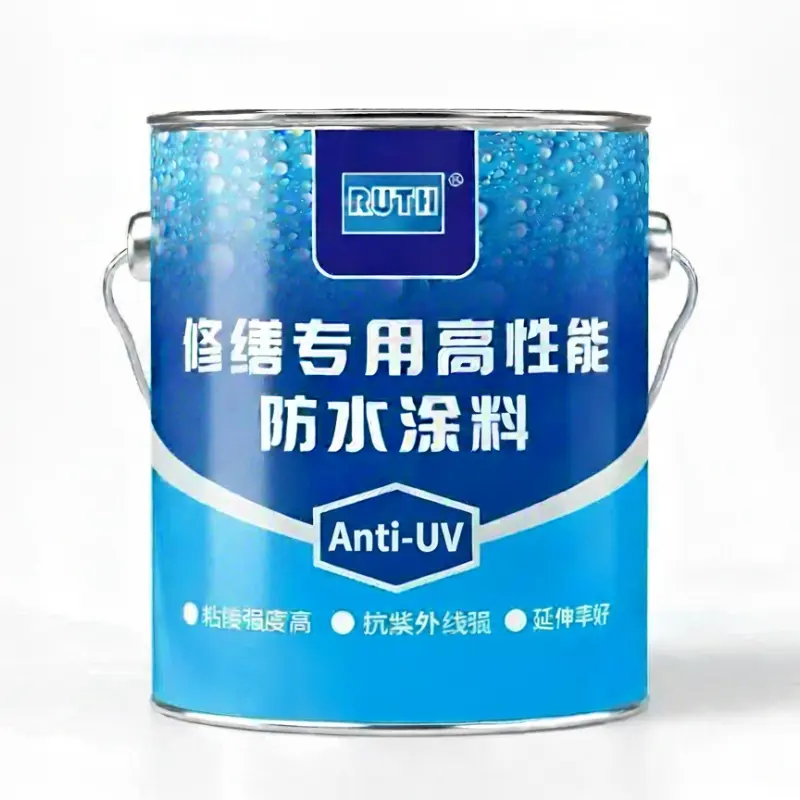
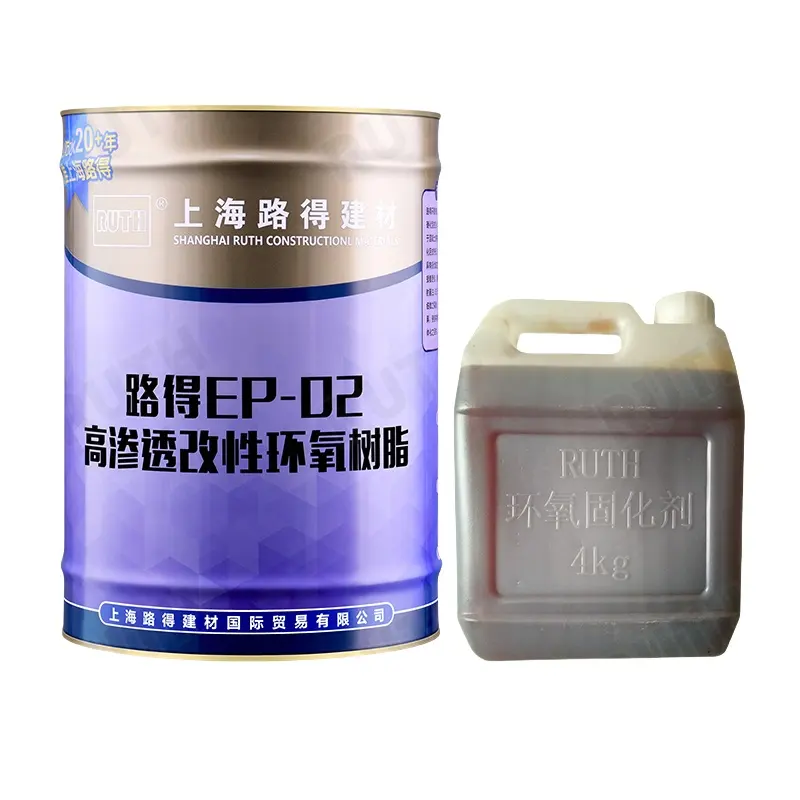
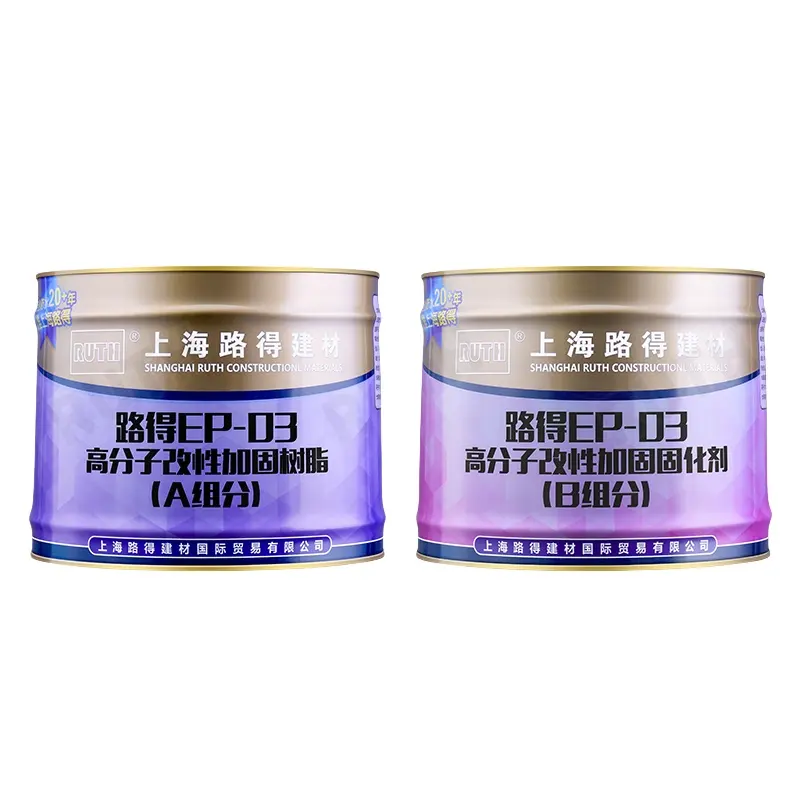
pu injection waterproofing
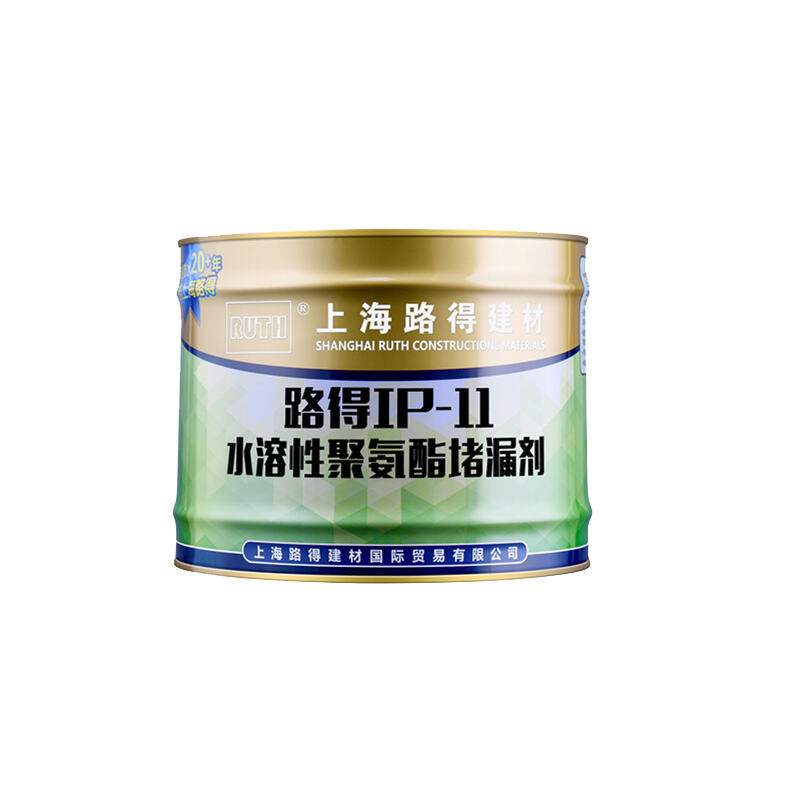
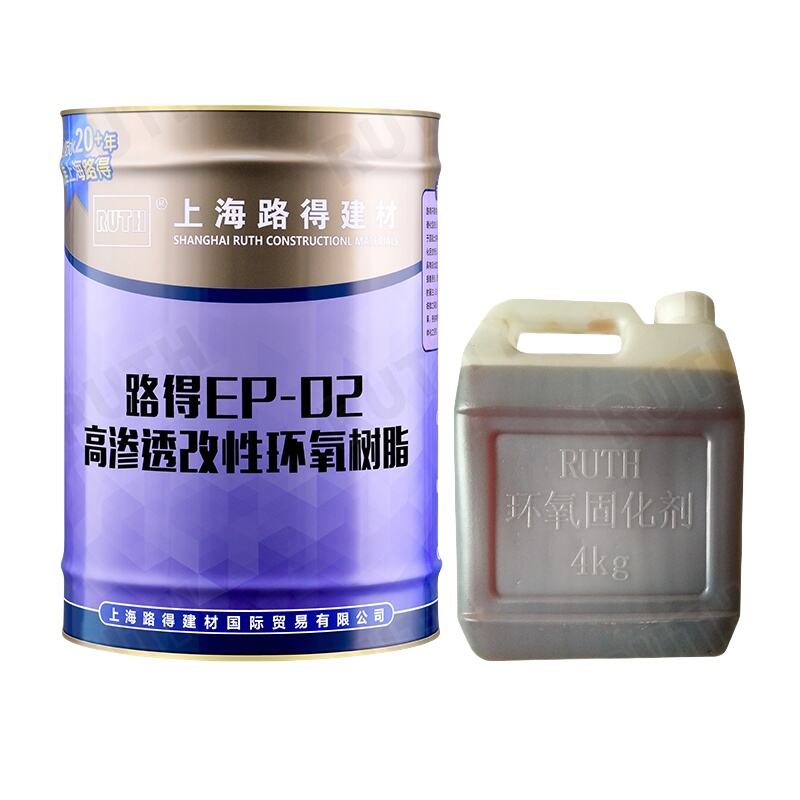
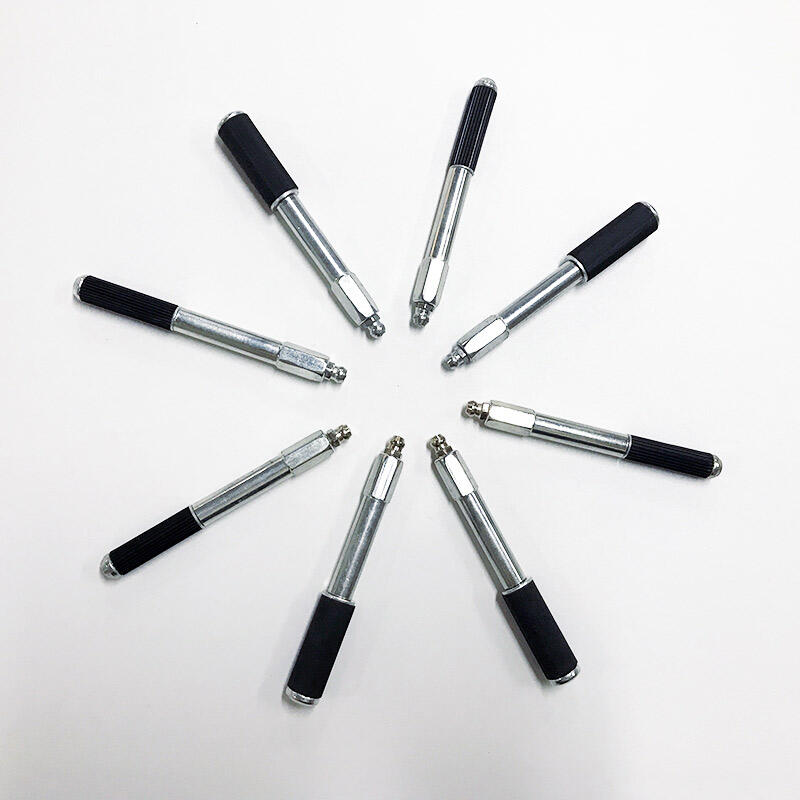
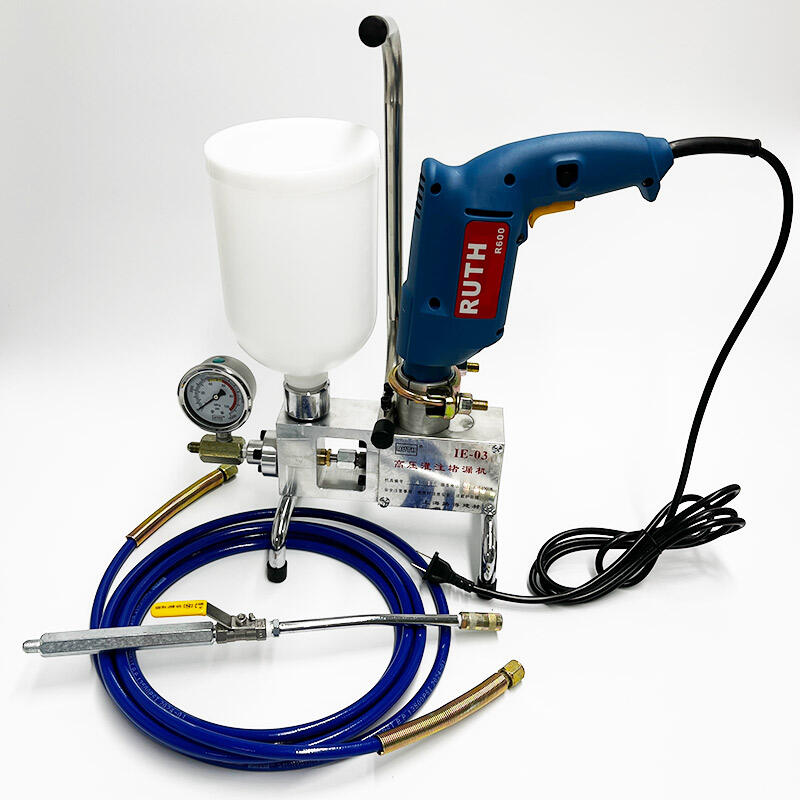
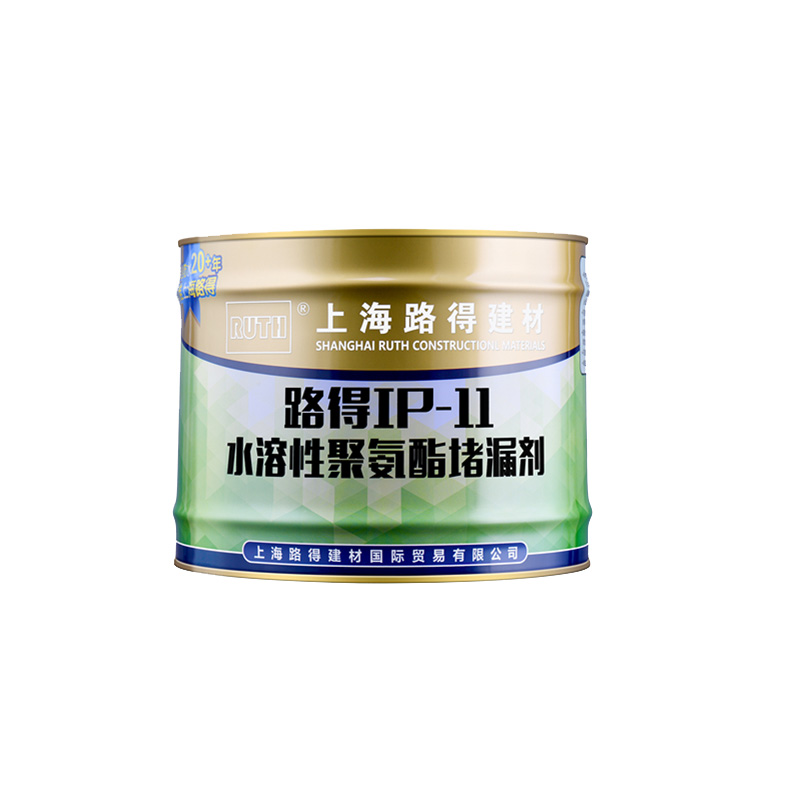
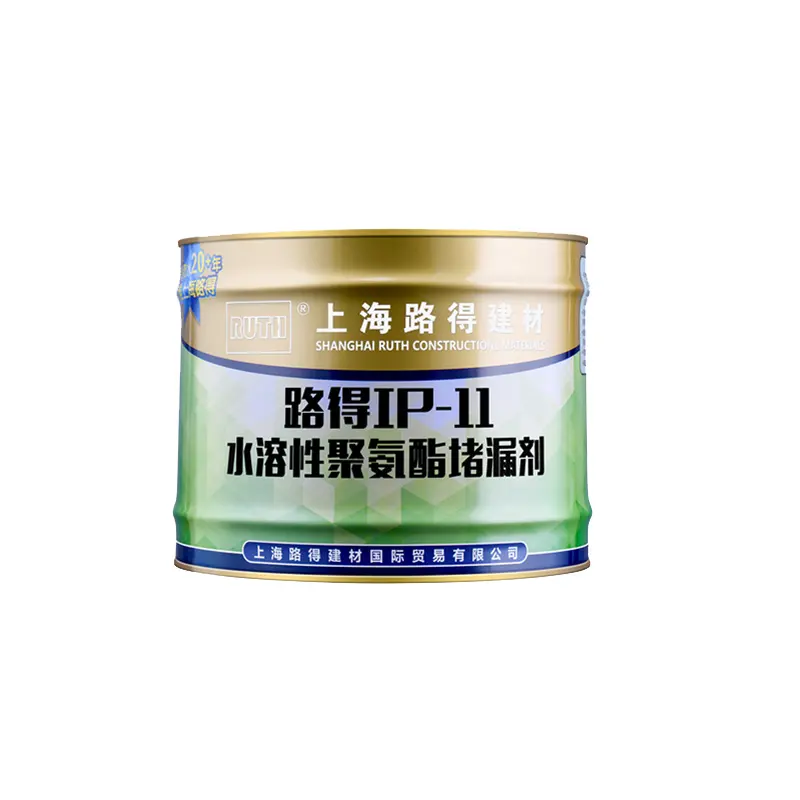
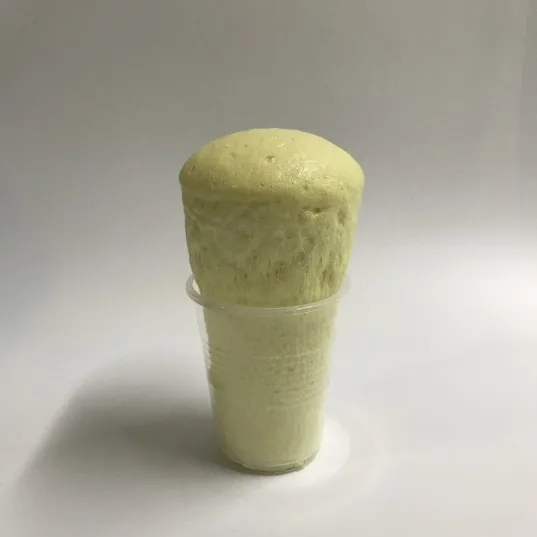
PU injection waterproofing represents a cutting-edge solution for addressing water infiltration issues in various construction and infrastructure applications. This innovative technology utilizes polyurethane-based materials that are injected directly into cracks, joints, and structural defects to create an impermeable barrier against moisture penetration. The system works by introducing liquid polyurethane compounds through specialized injection equipment into areas where water leakage occurs, allowing the material to expand and cure within the structure to form a durable, flexible seal. The main functions of pu injection waterproofing include stopping active water leaks, preventing future moisture intrusion, and strengthening structural integrity in compromised areas. This method excels in treating both hairline cracks and larger structural gaps, making it versatile for diverse waterproofing challenges. The technological features of this system include its ability to react with water during the curing process, creating a foam-like structure that expands to fill voids completely. The polyurethane material demonstrates exceptional adhesion properties, bonding securely to concrete, masonry, and other building materials. Its chemical composition allows for flexibility after curing, accommodating structural movement without compromising the waterproof barrier. Applications for pu injection waterproofing span across residential, commercial, and industrial sectors. Common uses include basement waterproofing, tunnel sealing, parking garage repairs, foundation crack treatment, and infrastructure maintenance. The system proves particularly effective in below-grade applications where traditional waterproofing methods may be impractical or insufficient. Underground structures, retaining walls, and marine environments benefit significantly from this technology. The injection process can be performed from either interior or exterior surfaces, depending on accessibility and specific project requirements, making it adaptable to various construction constraints and environmental conditions.

 EN
EN