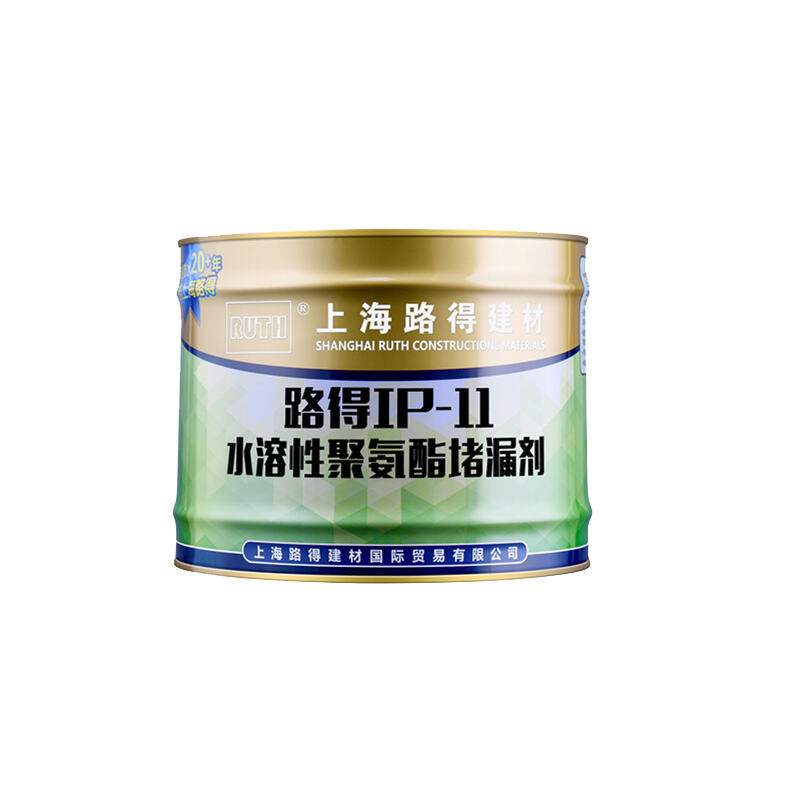
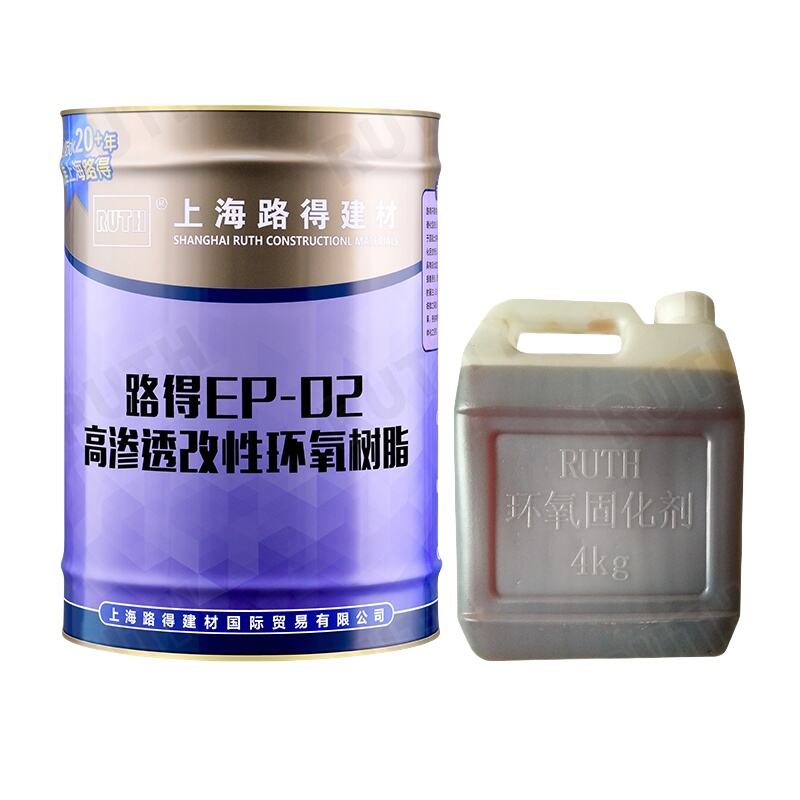
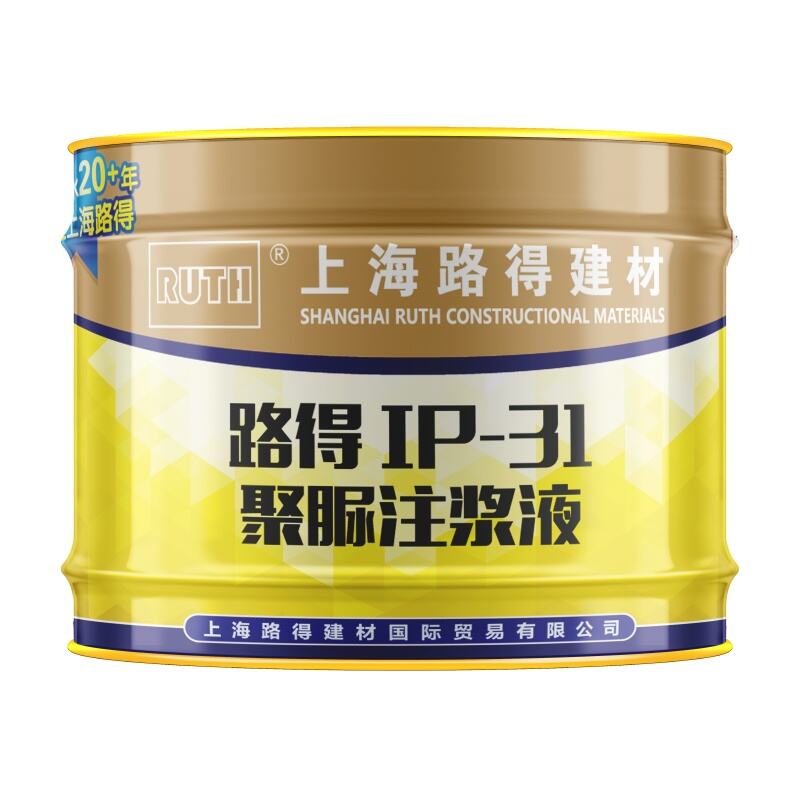
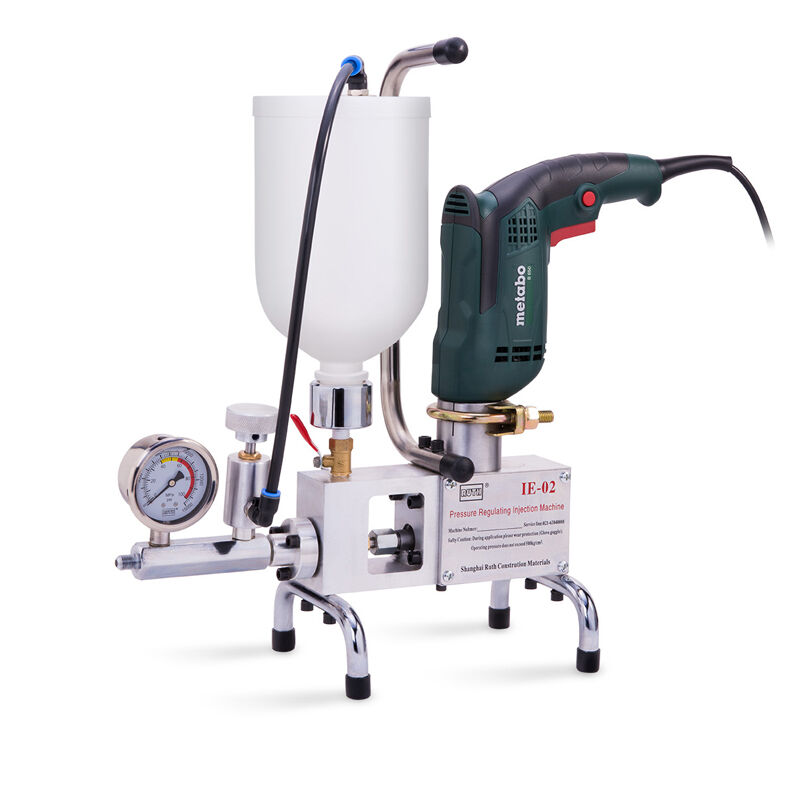
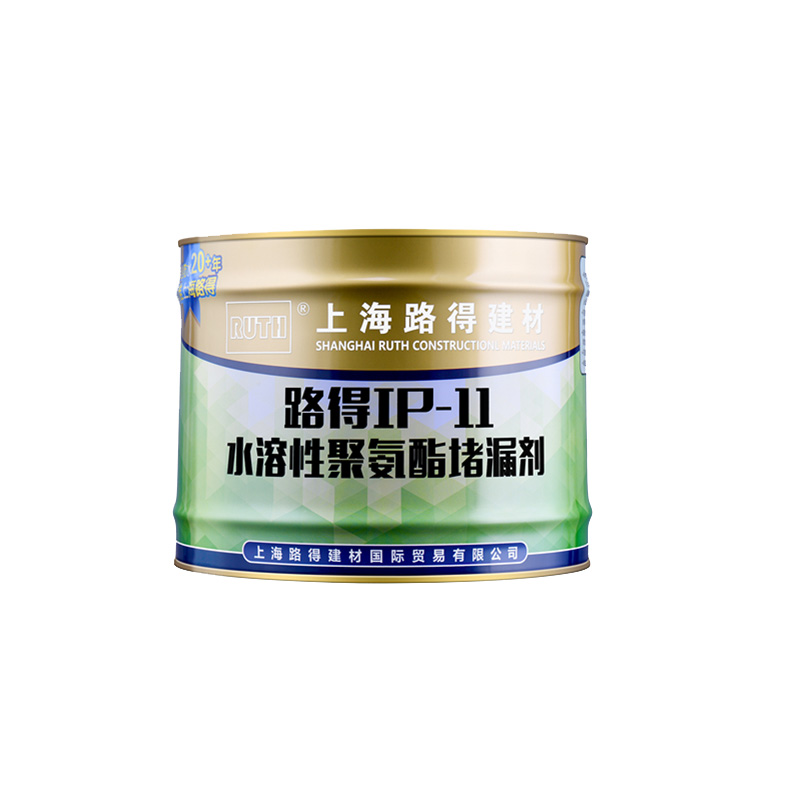
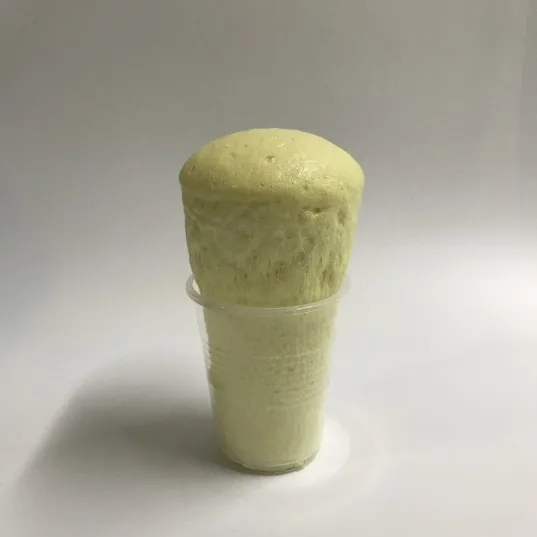
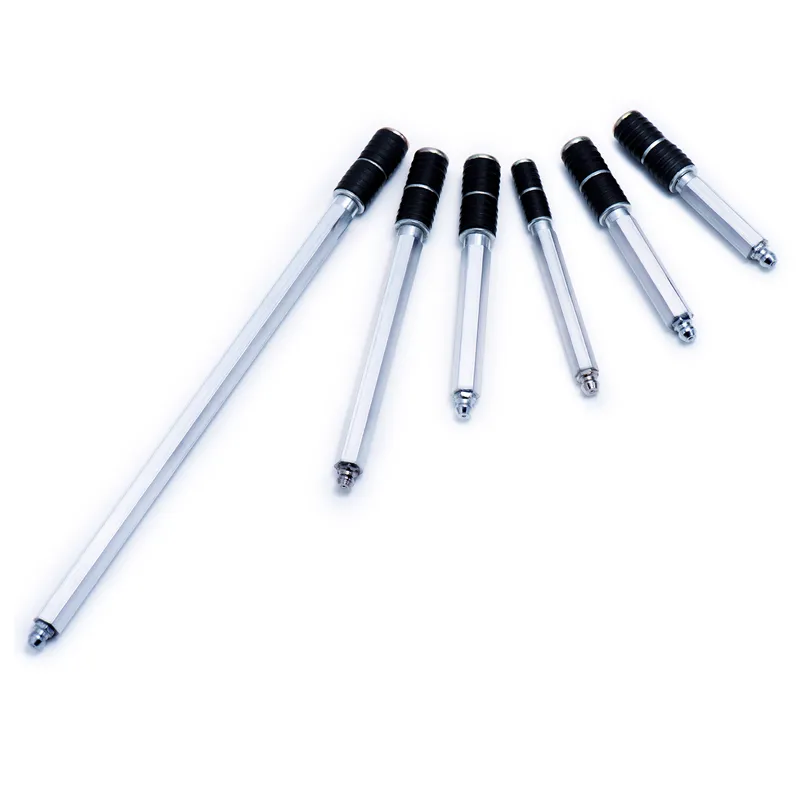
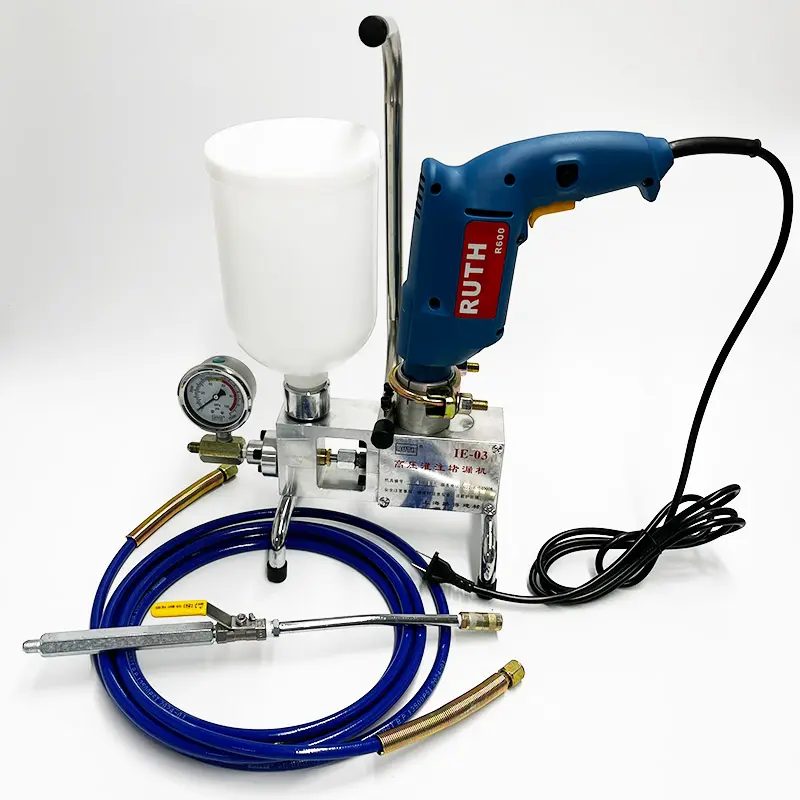
polyurethane grout for construction expansion joints
Polyurethane grout for construction expansion joints represents a cutting-edge sealing solution designed to accommodate structural movement while maintaining watertight integrity in building projects. This specialized material serves as a crucial component in modern construction, addressing the dynamic nature of buildings that naturally expand and contract due to temperature fluctuations, seismic activity, and settling processes. The primary function of polyurethane grout for construction expansion joints centers on creating flexible, durable seals that prevent water infiltration, debris accumulation, and structural damage at critical junction points. These joints typically occur where different building elements meet, including floors, walls, roofing systems, and infrastructure connections. The technological framework of polyurethane grout for construction expansion joints incorporates advanced polymer chemistry that delivers exceptional elasticity and adhesion properties. This formulation allows the material to stretch and compress repeatedly without losing its sealing capabilities or structural integrity. The grout exhibits remarkable resistance to environmental factors such as UV radiation, extreme temperatures, chemical exposure, and mechanical stress. Its self-leveling characteristics ensure uniform application and complete void filling, eliminating potential weak points that could compromise joint performance. Applications for polyurethane grout for construction expansion joints span across diverse construction sectors including commercial buildings, residential complexes, industrial facilities, transportation infrastructure, and marine structures. In parking decks, the grout protects against water penetration that could cause concrete deterioration and reinforcement corrosion. Bridge construction utilizes this material to maintain structural flexibility while preventing moisture ingress. Interior applications include floor-to-wall transitions, elevator shaft seals, and mechanical room connections. The material's versatility extends to retrofit projects where existing joints require renewal or upgrading to meet current performance standards and building codes.

 EN
EN