self expanding waterstop
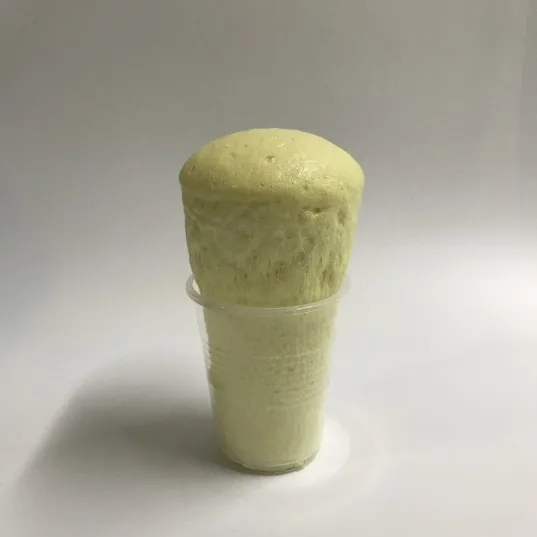
A self expanding waterstop represents a revolutionary waterproofing solution designed to create permanent seals in concrete construction joints. This innovative product consists of specially formulated materials that react with moisture to expand and form an impermeable barrier against water infiltration. The self expanding waterstop operates through a unique chemical reaction mechanism that activates when exposed to water, causing the material to swell and completely fill any gaps or voids in construction joints. This automatic expansion process eliminates the need for manual adjustment or maintenance, making it an ideal solution for underground structures, basements, tunnels, and other water-sensitive applications. The core technology behind self expanding waterstop involves hydrophilic compounds that absorb water molecules and undergo controlled expansion, typically increasing in volume by 200-400 percent. This substantial expansion ensures comprehensive coverage of joint interfaces, creating a reliable waterproof seal that maintains its integrity over extended periods. The material composition includes synthetic polymers, bentonite clay, and specialized additives that enhance durability and performance under various environmental conditions. Unlike traditional waterstops that rely on mechanical compression or adhesive bonding, the self expanding waterstop creates a chemical bond with surrounding concrete surfaces while simultaneously expanding to eliminate potential leak paths. The installation process is straightforward, requiring minimal surface preparation and no specialized tools or equipment. Once positioned in the joint, the self expanding waterstop remains dormant until water contact initiates the expansion process, ensuring optimal sealing performance exactly when needed. This intelligent response mechanism makes it particularly effective in applications where water exposure may occur months or years after initial installation, providing long-term protection against hydrostatic pressure and groundwater infiltration.

 EN
EN