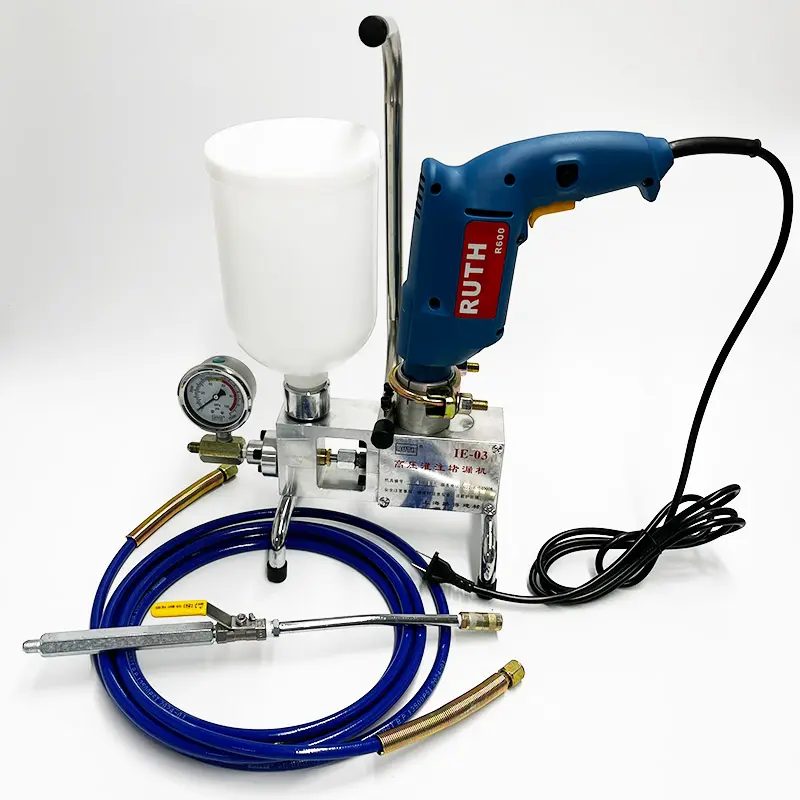
Professional Surface Injection Packers - Advanced Sealing Solutions for Well Intervention and Zone Isolation

Get a Free Quote

Email
Name
Company Name
Message
0/1000

surface injection packers

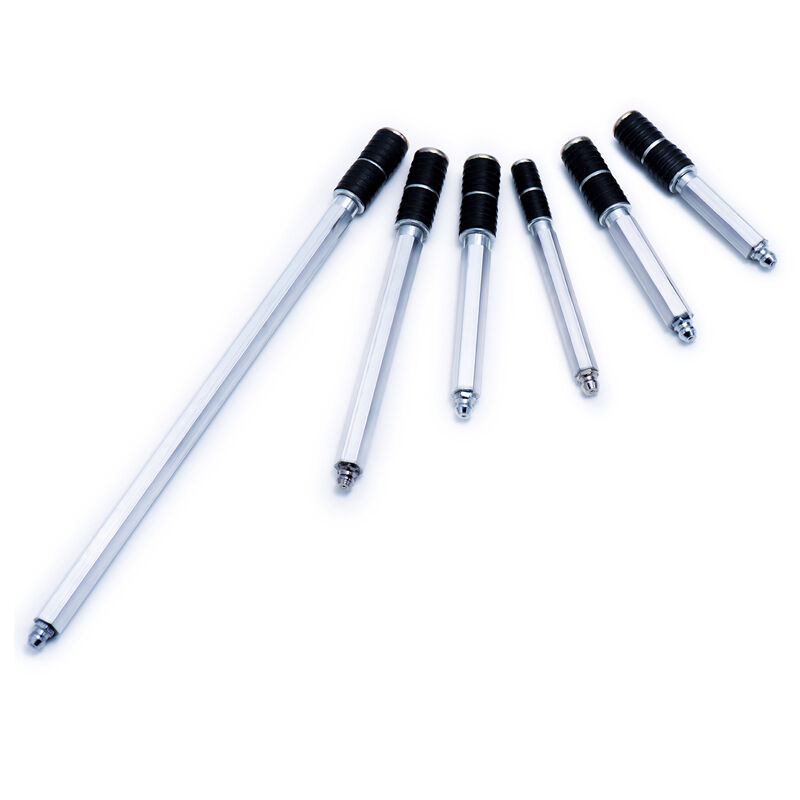
Surface injection packers represent sophisticated sealing solutions designed to create reliable barriers in boreholes, wells, and injection systems across various industrial applications. These specialized devices function as expandable sealing mechanisms that isolate specific zones within wellbores, enabling precise fluid injection, pressure testing, and zone isolation procedures. The primary purpose of surface injection packers involves establishing secure seals between different geological formations or well sections, preventing unwanted fluid migration and ensuring targeted injection operations. Modern surface injection packers incorporate advanced materials and engineering principles to withstand extreme downhole conditions including high pressures, corrosive environments, and temperature variations. The technological framework of these devices typically features robust elastomeric elements, metal mandrels, and sophisticated expansion mechanisms that activate upon deployment. When properly installed, surface injection packers create effective hydraulic barriers that maintain pressure differentials and enable controlled fluid placement in designated zones. The versatility of these tools makes them indispensable in petroleum extraction, geothermal energy production, environmental remediation projects, and groundwater management systems. Engineers utilize surface injection packers for various operations including cement squeeze jobs, acidizing treatments, hydraulic fracturing procedures, and water shutoff applications. The deployment process involves careful selection of appropriate packer configurations based on wellbore geometry, fluid properties, and operational requirements. Quality surface injection packers demonstrate exceptional sealing capabilities, durability under stress, and compatibility with diverse completion fluids. Their design flexibility accommodates different well architectures, from conventional vertical wells to complex horizontal and multilateral configurations, making them essential components in modern drilling and completion operations.


New Products

Surface injection packers deliver substantial operational benefits that directly impact project efficiency and cost-effectiveness for oil and gas operators, environmental contractors, and drilling professionals. These devices provide exceptional zone isolation capabilities, allowing operators to target specific geological formations with precision while preventing fluid losses to unwanted areas. The enhanced sealing performance of modern surface injection packers significantly reduces the risk of cross-contamination between different wellbore zones, protecting valuable reservoir sections and maintaining formation integrity. Operators experience improved injection efficiency when using quality surface injection packers, as these tools ensure that treatment fluids reach their intended destinations rather than migrating to unproductive zones. The reliability factor of well-designed surface injection packers translates to reduced operational downtime and fewer costly workover procedures, directly benefiting project budgets and timelines. Installation procedures for surface injection packers are typically straightforward, requiring minimal specialized equipment and reducing deployment complexity compared to alternative isolation methods. The durability characteristics of premium surface injection packers enable extended service life even in challenging downhole environments, providing long-term value for operators managing multiple well interventions. Cost savings become apparent through reduced fluid consumption, as effective sealing prevents waste of expensive treatment chemicals and completion fluids. Surface injection packers contribute to enhanced safety protocols by maintaining pressure control and preventing uncontrolled fluid migration that could compromise wellbore stability. The versatility of these tools allows operators to adapt quickly to changing downhole conditions without extensive equipment modifications or additional trips into the well. Quality surface injection packers demonstrate excellent pressure ratings, accommodating high-pressure injection operations while maintaining seal integrity throughout the treatment process. Environmental benefits emerge from the precise fluid placement capabilities of surface injection packers, minimizing the risk of groundwater contamination and reducing overall environmental impact. The technology advancement in surface injection packers continues to deliver improved performance characteristics, including better temperature resistance, enhanced chemical compatibility, and extended operational life spans that benefit long-term project economics.

Practical Tips

How Do Large Projects Benefit from Hydrophobic Polyurethane Grouting?

16

Feb

How Do Large Projects Benefit from Hydrophobic Polyurethane Grouting?

Large-scale construction and infrastructure projects face numerous challenges when it comes to water infiltration and structural integrity. From underground tunnels and basements to industrial facilities and marine structures, preventing water damage...
View More
What Are Typical Applications of Hydrophobic Polyurethane in Infrastructure?

10

Mar

What Are Typical Applications of Hydrophobic Polyurethane in Infrastructure?

Infrastructure systems worldwide face constant challenges from water infiltration, soil movement, and environmental deterioration. Traditional waterproofing methods often fall short when dealing with complex underground conditions and dynamic structu...
View More
Why Is Hydrophobic Polyurethane Suitable for Permanent Waterproofing?

16

Mar

Why Is Hydrophobic Polyurethane Suitable for Permanent Waterproofing?

In the construction and infrastructure industry, achieving long-lasting waterproofing solutions remains a critical challenge for engineers and contractors worldwide. Traditional waterproofing methods often fall short when exposed to harsh environment...
View More
How Does Hydrophobic Polyurethane Perform Compared to Hydrophilic Systems?

20

Mar

How Does Hydrophobic Polyurethane Perform Compared to Hydrophilic Systems?

Understanding the performance differences between hydrophobic polyurethane and hydrophilic systems is crucial for engineers, contractors, and facility managers making informed decisions about waterproofing and sealing solutions. While both systems of...
View More

Get a Free Quote

Email
Name
Company Name
Message
0/1000

surface injection packers

Advanced Sealing Technology and Pressure Management

Advanced Sealing Technology and Pressure Management

The cornerstone advantage of modern surface injection packers lies in their sophisticated sealing technology that delivers unmatched pressure management capabilities in demanding downhole environments. These innovative devices incorporate multi-element sealing systems featuring high-performance elastomeric compounds specifically engineered to withstand extreme pressure differentials while maintaining long-term seal integrity. The advanced sealing mechanism typically consists of multiple sealing elements arranged in series, creating redundant barriers that ensure reliable isolation even if individual components experience wear or damage during operations. Engineers design these surface injection packers with pressure ratings that often exceed industry standards, enabling operators to conduct high-pressure injection procedures with confidence and safety. The pressure management system integrates specialized bypass mechanisms and relief valves that protect the packer assembly from excessive loads while maintaining optimal sealing performance throughout the operational cycle. Temperature resistance represents another critical aspect of the advanced sealing technology, with premium surface injection packers capable of maintaining seal integrity at temperatures ranging from sub-zero conditions to extreme high-temperature environments commonly encountered in deep wells and geothermal applications. The chemical compatibility of sealing materials ensures that surface injection packers perform reliably when exposed to corrosive fluids, acids, and completion chemicals typically used in well intervention procedures. Quality assurance protocols for these sealing systems include rigorous testing procedures that simulate real-world downhole conditions, ensuring that each surface injection packer meets stringent performance criteria before deployment. The longevity of advanced sealing technology translates to reduced maintenance requirements and extended operational periods between replacements, providing significant cost benefits for operators managing multiple well sites. Installation efficiency improves dramatically with advanced sealing technology, as modern surface injection packers require fewer positioning adjustments and demonstrate predictable expansion characteristics that simplify deployment procedures and reduce operational risks.
Versatile Configuration Options for Diverse Applications

Versatile Configuration Options for Diverse Applications

Surface injection packers excel in their remarkable adaptability through comprehensive configuration options that address diverse operational requirements across multiple industries and well types. The modular design philosophy behind these versatile tools enables operators to customize packer assemblies according to specific wellbore geometries, fluid properties, and operational objectives, ensuring optimal performance in each unique application scenario. Manufacturing standards for surface injection packers include multiple size configurations ranging from small-diameter options suitable for slim-hole applications to large-bore variants designed for high-volume injection operations in major production wells. The configurability extends to various expansion mechanisms, including hydraulic-set, mechanical-set, and retrievable options that provide operators with flexibility in deployment and recovery procedures based on project requirements and operational constraints. Specialized surface injection packers accommodate different well architectures, from conventional vertical completions to complex horizontal and multilateral configurations, demonstrating remarkable engineering adaptability that serves diverse market segments effectively. The material selection options for surface injection packers include various elastomer compounds, metal alloys, and protective coatings that optimize performance characteristics for specific downhole environments, chemical exposures, and temperature conditions encountered in different geographical regions and geological formations. Integration capabilities represent another significant advantage, as surface injection packers can incorporate additional downhole tools such as pressure gauges, sampling devices, and injection valves to create comprehensive intervention systems that maximize operational efficiency and data collection opportunities. The retrieval options available with many surface injection packers provide operators with cost-effective solutions for temporary isolation requirements, allowing tool recovery and reuse across multiple well interventions, thereby reducing per-operation costs and improving project economics. Quality surface injection packers demonstrate excellent compatibility with various completion fluids, drilling muds, and treatment chemicals, ensuring reliable performance regardless of fluid system requirements or operational procedures specified for different well completion strategies.
Enhanced Safety Features and Environmental Protection

Enhanced Safety Features and Environmental Protection

Modern surface injection packers incorporate comprehensive safety features and environmental protection mechanisms that address critical operational concerns while ensuring regulatory compliance and personnel safety during well intervention activities. The safety framework integrated into these devices includes fail-safe mechanisms that prevent uncontrolled pressure releases and fluid migration, protecting both personnel and equipment from potentially dangerous situations that could arise during high-pressure injection operations. Emergency release systems built into quality surface injection packers enable rapid disconnection procedures in emergency situations, allowing operators to quickly isolate wellbore sections and establish safe operational conditions when unexpected downhole events occur during treatment procedures. The environmental protection capabilities of surface injection packers play a crucial role in preventing groundwater contamination and surface spills by ensuring precise fluid placement and preventing unwanted migration of treatment chemicals or production fluids into sensitive environmental zones. Leak prevention technology incorporated into advanced surface injection packers includes multiple barrier systems and monitoring capabilities that provide early warning of potential seal failures, enabling proactive maintenance and preventing environmental incidents before they occur. The design standards for safety-focused surface injection packers include rigorous testing protocols that simulate extreme operational conditions, ensuring reliable performance under stress and maintaining protective barriers even when subjected to unexpected pressure surges or temperature fluctuations. Regulatory compliance features built into modern surface injection packers help operators meet stringent environmental regulations and safety standards imposed by governmental agencies and industry organizations, reducing regulatory risks and potential penalties associated with non-compliance incidents. The monitoring capabilities integrated into advanced surface injection packers provide real-time feedback on seal performance, pressure conditions, and system integrity, enabling operators to make informed decisions about operational parameters and safety protocols during critical injection procedures. Personnel protection benefits from surface injection packers extend beyond equipment safety to include reduced exposure risks through automated deployment systems and remote monitoring capabilities that minimize direct personnel interaction with potentially hazardous downhole environments and high-pressure systems during operational activities.

Get a Free Quote

Email
Name
Company Name
Message
0/1000
Newsletter
Please Leave A Message With Us