
 EN
EN


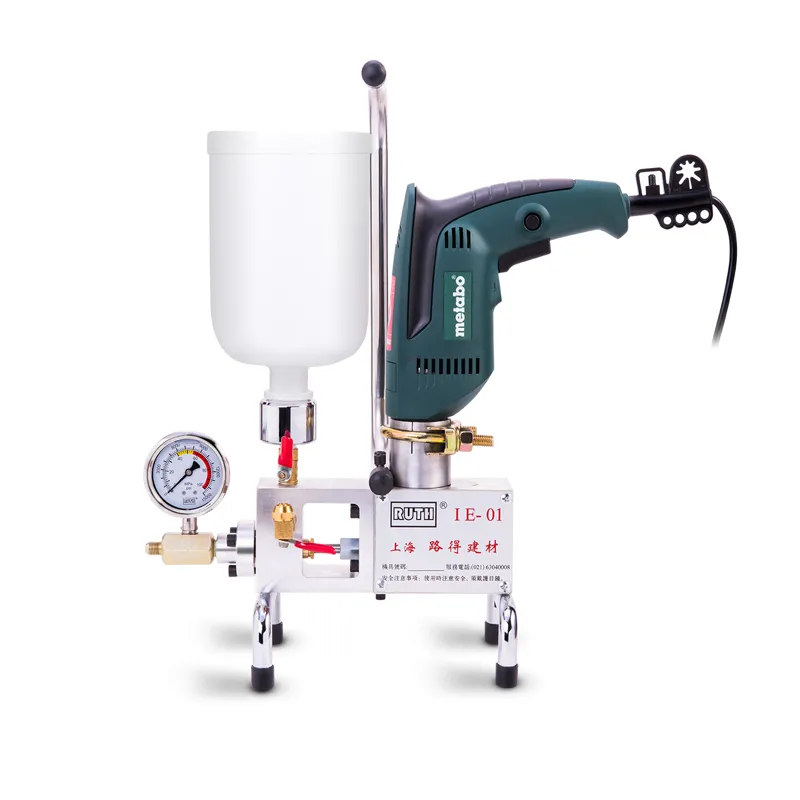
Selecting the right Polyurethane Injection Pump is critical for the success of any waterproofing project. Whether you are addressing foundation cracks, basement leaks, or structural damage, the equipment you choose directly influences both the quality of your repairs and the long-term durability of your waterproofing solution. Making an informed decision requires understanding the core specifications, application requirements, and performance characteristics that distinguish one pump from another in the industrial waterproofing market.
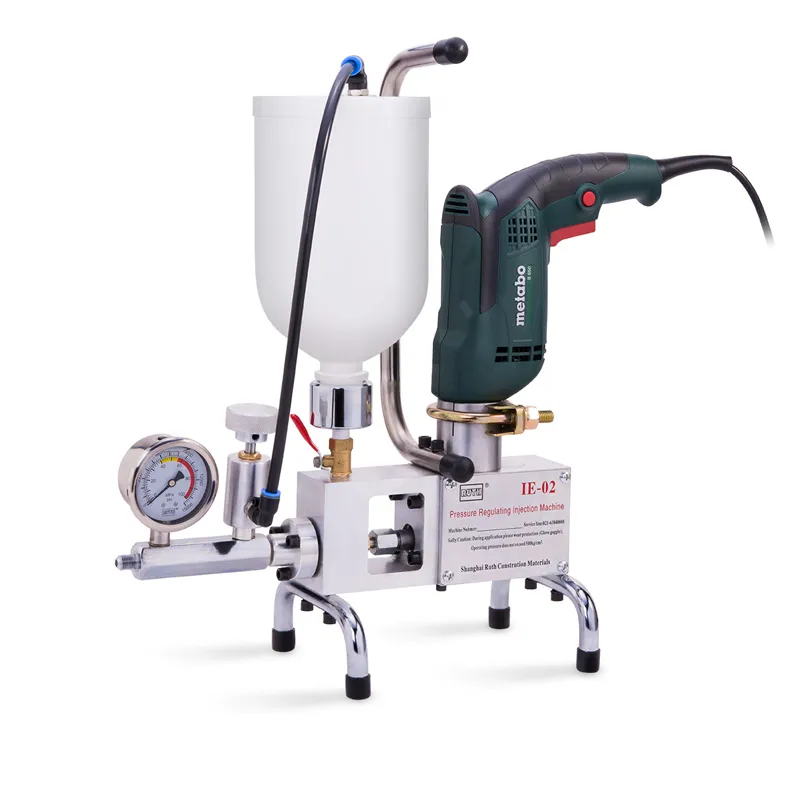
A polyurethane injection pump is fundamentally a precision device designed to deliver controlled volumes of polyurethane resin into confined spaces with consistent pressure and flow rate. Understanding how these systems work, what specifications matter most, and which configurations suit your specific project needs forms the foundation for making the right equipment choice. This guide walks through the essential decision criteria that contractors, engineers, and facility managers use when evaluating injection pump options for waterproofing applications.
Understanding Polyurethane Injection Pump Specifications
Pressure and Flow Rate Requirements
The polyurethane injection pump must deliver adequate pressure to penetrate dense crack networks and compact soil while maintaining a flow rate suited to your target area size. Typical waterproofing projects require pressures ranging from 30 to 100 bar, depending on whether you are addressing shallow surface cracks or deep structural fractures. Flow rate specifications, measured in liters per minute, directly affect project timeline and material efficiency. A pump with insufficient flow capacity extends project duration and increases labor costs, while excessive flow may compromise control and resin distribution quality in delicate repair areas.
Pump Capacity and Tank Volume
Tank capacity determines how frequently you must refill or remix polyurethane material during active injection work. A polyurethane injection pump with larger tank volume reduces downtime on extended projects, though it also requires more space for equipment placement and logistics planning. For confined urban waterproofing sites or repair work in basements with limited access, a compact injection pump may be preferable despite more frequent refilling. Conversely, large-scale commercial waterproofing contracts often justify investment in higher-capacity equipment that minimizes material waste and keeps continuous injection workflow moving efficiently.
Matching Pump Type to Project Scope
Single-Component vs. Dual-Component Systems
A single-component polyurethane injection pump handles pre-mixed resin directly, making it ideal for straightforward repair work where resin composition is already optimized by the manufacturer. This design reduces on-site preparation time and minimizes mixing errors. Dual-component injection pump systems combine base polyurethane and hardener or accelerator at the point of delivery, offering greater flexibility for projects requiring custom curing times or environmental adaptations. Understanding whether your waterproofing material comes pre-mixed or requires on-site blending is essential for selecting the appropriate pump configuration and ensuring consistent material quality throughout your injection work.
Manual vs. Motorized Injection Systems
Manual polyurethane injection pumps provide cost-effective solutions for small-scale waterproofing repairs and remote locations where electrical power is unavailable. However, they demand sustained operator effort and cannot maintain consistent pressure automatically, which may compromise resin penetration in demanding applications. Motorized injection pump equipment delivers uniform pressure throughout extended injection cycles, ensuring superior crack penetration and resin distribution. For professional contractors managing multiple concurrent projects or working within strict quality standards, motorized systems typically offer better value despite higher initial capital investment.
Critical Application Factors for Equipment Selection
Crack Width and Depth Characteristics
Narrow hairline cracks, typically under 0.5 millimeters, demand a polyurethane injection pump capable of delivering exceptionally fine material distribution with minimal pressure to avoid substrate damage. Wider structural cracks or delamination require higher pressure and coarser injection patterns to ensure complete void filling. The pump you select must accommodate the specific resin viscosity suited to your target crack geometry. A versatile injection pump with adjustable pressure ranges and compatible resin options serves varied crack profiles within a single project, whereas single-specification equipment may perform adequately for uniform crack patterns but poorly for mixed repair scenarios.
Substrate Material Compatibility
Different substrates—concrete, masonry, porous stone, or lightweight fill materials—respond distinctly to polyurethane injection pump pressure and material chemistry. Concrete and dense masonry tolerate aggressive injection pressure, while porous or degraded substrates risk damage from excessive force. Your pump selection must account for the substrate strength and absorption characteristics of your target structures. Additionally, polyurethane resin chemistry must match substrate compatibility; some formulations perform better on wet surfaces, while others require dry conditions for optimal adhesion and expansion characteristics that seal cracks effectively.
Environmental and Site Access Constraints
Site conditions directly influence polyurethane injection pump selection. Projects in confined spaces, deep basements, or hazardous areas where ventilation is limited may require lighter, more portable injection pump equipment. Weather exposure on exterior waterproofing work demands robust pump construction with corrosion-resistant components and sealed electrical systems. Urban renovation work often necessitates smaller, quieter injection pump units that minimize noise and spatial disruption to occupied spaces. Evaluating your specific site logistics before finalizing pump selection prevents costly equipment procurement errors and ensures your waterproofing team has appropriate tools for safe, efficient project execution.
FAQ
What polyurethane injection pump pressure range is suitable for most waterproofing projects?
Most standard waterproofing applications perform well within 40 to 60 bar pressure, which provides adequate crack penetration without excessive substrate stress. Deeper structural cracks or dense soil conditions may require 70 to 100 bar, while shallow surface repairs often succeed with 30 to 40 bar. Your specific polyurethane injection pump selection should allow pressure adjustment to accommodate varying crack geometries within your project scope.
How do I determine the correct tank capacity for a polyurethane injection pump system?
Calculate your project's estimated resin consumption based on crack volume, then add 20 to 30 percent overhead for waste and material testing. For projects lasting multiple days, consider a larger polyurethane injection pump tank to reduce refill frequency and maintain workflow continuity. Smaller tanks work well for targeted single-day repairs where portability and rapid setup take priority over sustained production volume.
Can a single polyurethane injection pump handle both structural repairs and cosmetic waterproofing work?
A versatile polyurethane injection pump with adjustable pressure, multiple resin compatibility options, and both single and dual-component capability can serve both applications effectively. However, specialized pumps optimized for high-pressure structural injection or low-pressure cosmetic sealing may deliver better results than a compromise solution. Assess your project portfolio before choosing between a universal injection pump and task-specific equipment.