
 EN
EN


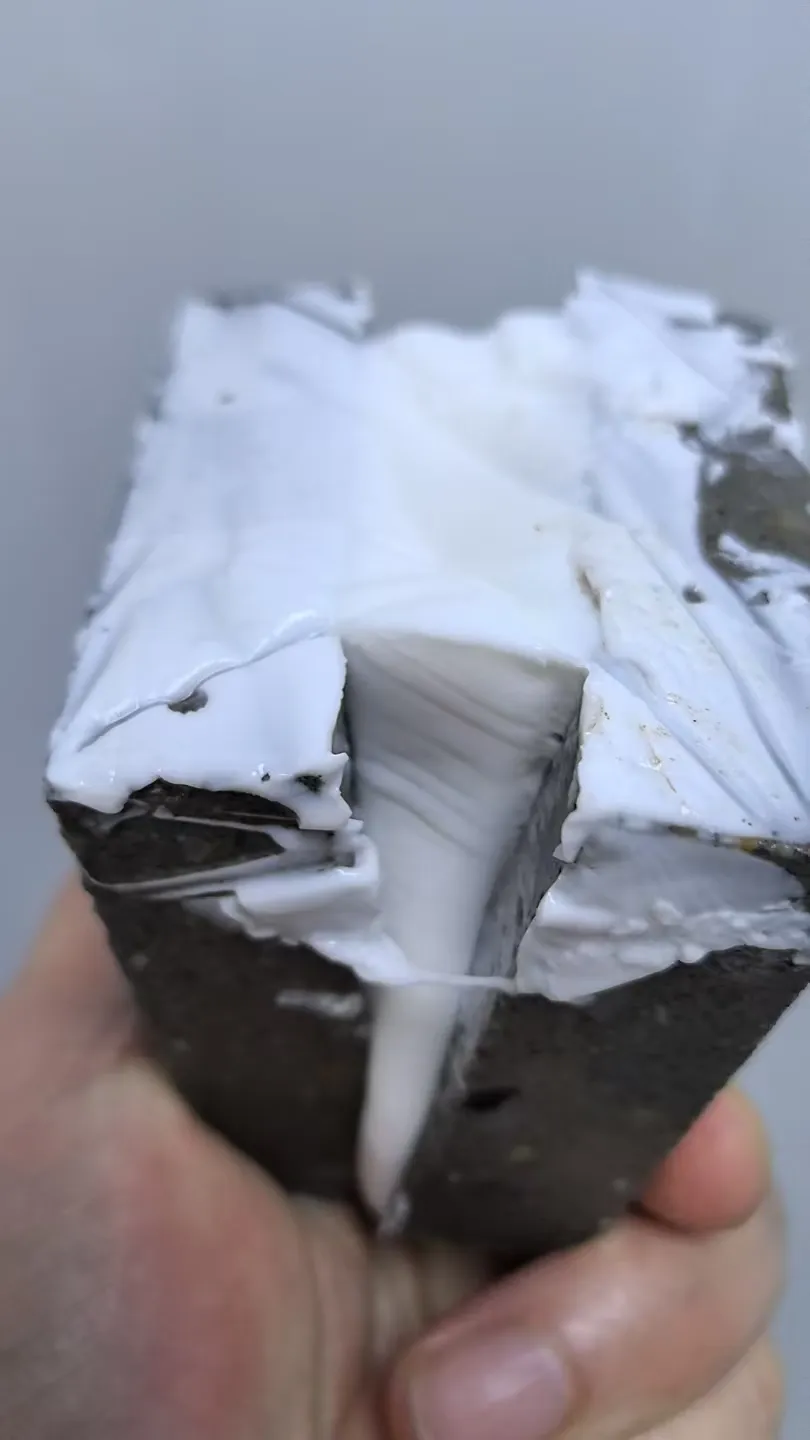
The performance of Acrylate Injection Grout depends significantly on understanding gel time and the factors that influence it. Gel time refers to the duration between initial application and when the material reaches a gel-like consistency, transitioning from liquid to solid. This timing is critical for construction professionals because it determines workability, application methods, and ultimately the structural integrity of the grouted area. In underground construction, tunnel stabilization, and foundation repair, controlling gel time ensures proper material placement and bonding before hardening occurs.
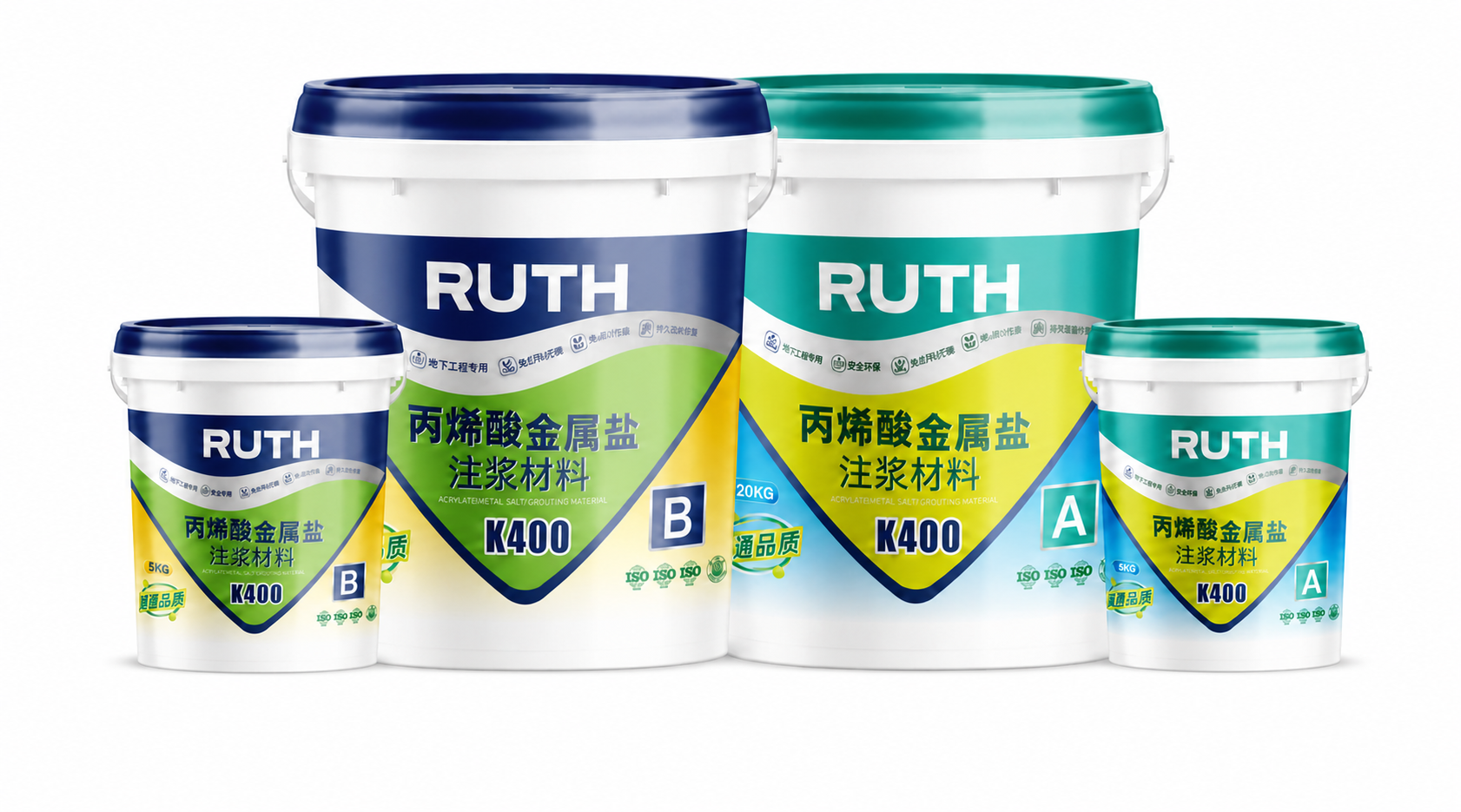
Several environmental and chemical variables directly affect how quickly acrylate injection grout sets. Temperature plays the most obvious role, with warmer conditions accelerating gel formation. Beyond temperature, water content, chemical composition, additives, pH levels, and rock permeability all contribute to gel time variation. Professionals must recognize these influencing factors to predict setting behavior and adjust their injection strategies accordingly. This understanding allows for precise control over application procedures and ensures optimal results in challenging subsurface conditions.
Temperature and Environmental Conditions
Ambient Temperature Effects
Temperature is the primary factor governing gel time in acrylate injection grout formulations. When ambient temperatures increase, the chemical polymerization reaction accelerates exponentially, causing the grout to set faster. In warm conditions, such as tropical climates or summer construction seasons, gel time can reduce to just a few minutes. Conversely, cold environments extend gel time substantially, sometimes requiring hours before the material reaches gel state. Engineers must account for seasonal variations and daily temperature fluctuations when planning injection schedules and material specifications.
In-Situ Ground Temperature
Ground temperature at injection depth often differs significantly from surface conditions, particularly in deep underground projects. Deep tunnels, foundation repairs below frost lines, and subsurface stabilization work all involve cooler temperatures that naturally extend gel time. This cooling effect can be advantageous in allowing longer working windows for precise placement but requires pre-calculation based on geological surveys. Conversely, geothermal zones or areas with high heat transfer may experience faster setting than predicted, making real-time monitoring essential during acrylate injection grout application.
Water Content and Chemical Composition
Water Saturation in the Target Medium
The moisture content of rock, soil, or concrete being injected profoundly affects gel time. Highly saturated environments trigger faster chemical reactions because water acts as a catalyst in the polymerization process of acrylate injection grout. Dry or unsaturated formations may show extended gel times, sometimes unpredictably. Engineers conducting site investigations must assess groundwater levels, porosity, and saturation conditions before selecting appropriate grout formulations. Knowing whether conditions are wet, damp, or relatively dry helps predict gel behavior and adjust additives accordingly.
Initiator and Accelerator Systems
Chemical initiators and accelerators are integral components of acrylate injection grout formulations that control gel time. These additives regulate the rate of polymerization by triggering or speeding up the cross-linking reaction between acrylate monomers. Manufacturers design initiator systems to be responsive to specific environmental conditions, allowing custom gel times ranging from seconds to hours. Selecting the right initiator concentration balances the need for adequate working time with timely curing. Different acrylate injection grout products contain varying initiator strengths, making material selection critical for project-specific requirements.
Additives and Application Variables
Viscosity Modifiers and Diluents
Viscosity modifiers and diluents alter both the flow characteristics and gel time of acrylate injection grout. Adding diluents reduces viscosity, improving penetration in tight fissures but potentially extending gel time slightly. Conversely, viscosity enhancers can concentrate the reactive components, sometimes accelerating gelation. Technical data sheets for acrylate injection grout products specify optimal diluent ratios and their effects on gel time. Professionals must carefully control the proportions of base grout and additives to maintain predictable performance in variable geological settings.
pH and Reactive Environment
The pH level of the injection environment influences the chemical reactivity of acrylate injection grout. Acidic or alkaline rock formations can either speed up or slow down polymerization reactions depending on the specific chemical formulation. Some acrylate grout systems are designed to work optimally in neutral pH ranges, while others are engineered for acidic or alkaline conditions. Testing the chemical composition of groundwater and host rock is essential before deployment. An unexpected pH environment can cause premature gelation, incomplete curing, or extended setting times that compromise project schedules.
FAQ
What is the typical gel time range for standard acrylate injection grout products?
Standard acrylate injection grout products typically exhibit gel times ranging from 5 to 120 minutes depending on formulation and environmental conditions. Manufacturers offer various initiator packages to customize gel time for specific project needs. Cold conditions extend this range significantly, while warm environments compress it. Always consult the technical specifications provided by the acrylate injection grout supplier for your particular product and verify behavior with field tests before large-scale deployment.
Can gel time be adjusted on-site once acrylate injection grout is mixed?
Gel time cannot be effectively adjusted after acrylate injection grout is mixed in most cases because the chemical reaction has already begun. However, temperature control and additives selected before mixing provide the primary adjustment mechanism. Some formulations offer retarder additives that can be incorporated during preparation to extend gel time. Once the material is prepared and ready for injection, cooling the delivery system or working rapidly in cold environments are practical strategies to maximize working time before the acrylate injection grout sets.
How do porous versus non-porous substrates affect gel time of acrylate injection grout?
Porous substrates absorb water and reactive components from acrylate injection grout, potentially accelerating gel formation through rapid moisture interaction. Non-porous surfaces like concrete or solid rock limit this absorption, sometimes extending apparent gel time because the material remains more liquid at the injection point. The permeability of the target medium must be evaluated during site characterization. Understanding substrate porosity allows engineers to predict gel behavior more accurately and select appropriate grout formulations that will perform reliably in the specific geological or structural context.