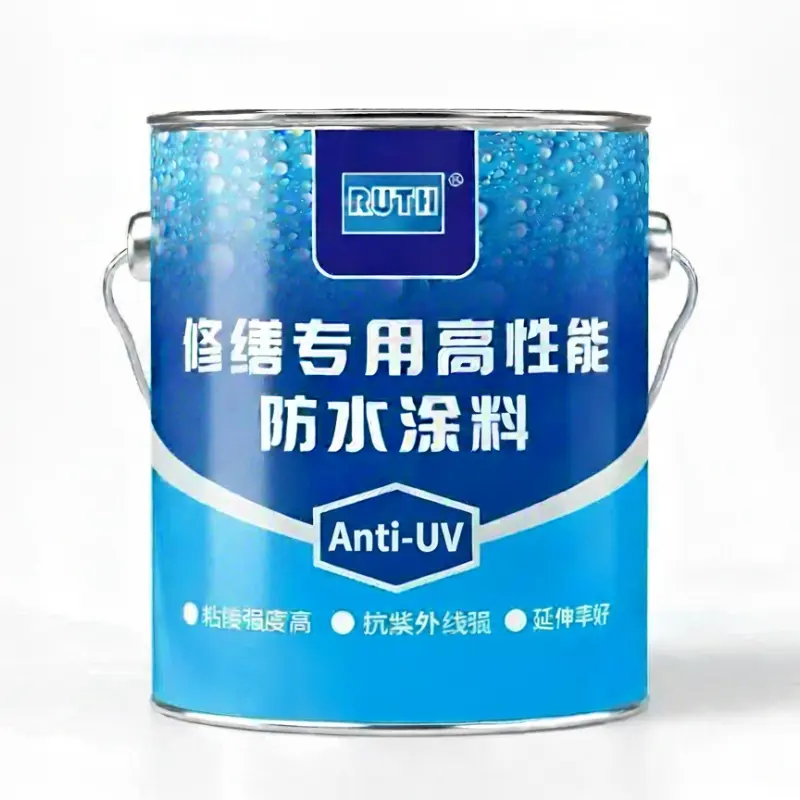
elastic joint sealant
Elastic joint sealant represents a revolutionary advancement in construction and building maintenance technology, designed to provide superior sealing solutions for various structural applications. This specialized compound combines flexibility with durability, creating an impermeable barrier that adapts to structural movements while maintaining its sealing integrity over extended periods. The elastic joint sealant functions primarily as a protective medium that fills gaps, joints, and seams in buildings, preventing water infiltration, air leakage, and environmental contamination. Its technological foundation relies on advanced polymer chemistry that allows the material to stretch and compress without losing adhesion or developing cracks. The sealant maintains its elastic properties across a wide temperature range, making it suitable for diverse climatic conditions. Key technological features include superior adhesion capabilities that bond effectively with multiple substrate materials such as concrete, metal, glass, and wood. The formulation incorporates UV-resistant compounds that prevent degradation from prolonged sun exposure, ensuring long-term performance reliability. Additionally, the elastic joint sealant exhibits excellent chemical resistance, protecting against harsh environmental elements including acids, alkalis, and industrial pollutants. Application versatility makes this product indispensable across numerous industries. In construction, it seals expansion joints in buildings, bridges, and infrastructure projects. Automotive applications include windshield installation and body panel sealing. Marine environments benefit from its waterproofing capabilities in boat construction and port facilities. Industrial facilities utilize the sealant for equipment installation and maintenance projects. The aerospace industry employs it for aircraft assembly and maintenance procedures. Healthcare facilities rely on its sterile properties for clean room construction. The elastic joint sealant demonstrates exceptional performance in both interior and exterior applications, adapting to structural movements caused by temperature fluctuations, settling, and seismic activity while maintaining its protective seal throughout the building's lifecycle.

 EN
EN